The Atlantic Ocean’s currents are on the verge of collapse. This is what it means for the planet

The Atlantic Ocean’s currents are on the verge of collapse. This is what
it means for the planet. Scientists are concerned that the Atlantic
Ocean’s system of currents may be about to reach a tipping point. If it
does, it’ll have severe consequences for all of us.
BBC Science Focus 13th Oct 2024
https://www.sciencefocus.com/comment/atlantic-current-collapse
A nuclear kettle of fish at Hinkley Point C
Is a trawler’s worth of fish getting in the way of our nuclear
ambitions? Tali Fraser investigates something fishy going on around Hinkley
Point C. Among ministers of the last government, it is known as “the fish
disco”, and it is, they say, a cautionary tale that illustrates the
nation’s inability to build critical infrastructure.
The story centres on
the massive construction site on the Bristol Channel where EDF is building
the Hinkley Point C nuclear power station that is essential to meet the
nation’s future energy needs. Nuclear reactors need to be cooled – one
reason they are often based on the coast – but the intake of the water
poses a risk to fish. EDF’s initial solution included what they called an
“acoustic fish deterrent”, essentially a series of 280 underwater
speakers blasting a series of high-pitched sound pulses louder than a jumbo
jet. The company, however, has begun to argue that the deterrent, mockingly
dubbed “the fish disco” by former environment secretary Michael Gove,
is unnecessary and wants instead to mitigate the risk by other means.
Critics, however, say the company is reneging on a promise it made to win
planning consent because it wants to save cash (the cost of the deterrent
is estimated to run to the tens of millions of pounds).
Politics Home, 15th Oct 2024
https://www.politicshome.com/thehouse/article/fish-disco-hinkley-point-c-nuclear-energy
IAEA to have marine sampling near Fukushima plant with China, others
The International Atomic Energy Agency said Friday it will conduct a
sampling of the marine environment near the wrecked Fukushima nuclear power
plant from next week with international experts including those from China.
China, a staunch opponent of the discharge of treated radioactive water
from the power complex into the sea, imposed a blanket ban on seafood
imports from Japan immediately after the discharge started in August last
year. Meanwhile, the Japanese government has repeatedly urged Beijing to
repeal the ban. The environment monitoring and assessment activities will
be carried out from Monday to Oct 15 by a team of IAEA scientists and
experts from laboratories in China, South Korea and Switzerland.
Japan Today 5th Oct 2024, https://japantoday.com/category/national/iaea-to-have-marine-sampling-near-fukushima-plant-with-china-others
Fukushima fishermen not in the clear yet
Japan Times 1 Sept 24
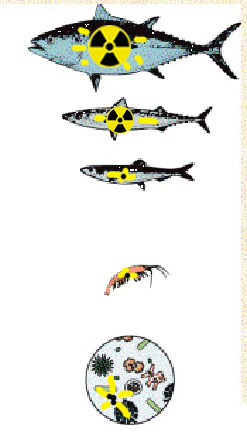
A year has passed since treated water containing trace amounts of tritium started to be released into the sea from the crippled Fukushima No. 1 nuclear power plant.
While the move is said to have had no significant impact on the prices of fishery products, tourism or the surrounding environment, challenges remain, including a number of hurdles for Tokyo Electric Power Company Holdings’ decommissioning of its reactors and measures to reduce the generation of contaminated water………………………………………………………..
In the absence of price decreases, the central and prefectural governments conclude that there has been almost no reputational impact to seafood from the region.
However, those in the local fisheries industry say the prices are holding up because there is momentum to support Fukushima, but they are not optimistic about the future due to it being a temporary measure.
The trading of Joban-mono increased in response to a central government initiative after the treated water started to be released.
But this process is expected to continue for around 30 years.
In April, the release of treated water was temporarily halted after a worker accidentally damaged a power cable at the Fukushima plant, partially cutting off the supply of power.
If such incidents continue to occur, they could pose reputational risks to Joban-mono.
………………………………………………………………………………………….. the local fishermen have lost trust in the central government after it decided on proceeding with the plan to release the treated water into the ocean despite opposition from the fisheries industry in and out of Fukushima Prefecture.
In announcing the decision, Prime Minister Fumio Kishida said, “Even though operations will last for decades, the government will take responsibility until the release is completed.”
The local fishing industry has become increasingly distrustful of Kishida, who suddenly expressed his intention of not seeking reelection as Liberal Democratic Party leader in this month’s presidential race.
“Concerns over treated water will remain for a long time,” a Fukushima fisheries industry official said. “We want the government to work with us as one to cope with the issue.” https://www.japantimes.co.jp/news/2024/09/02/japan/society/fukushima-fisheries-radioactive-water/
Fukushima nuclear plant detects 25 tonnes of radioactive water leak
A significant leak of 25 tonnes of radioactive water has been detected within the spent nuclear fuel cooling pool of Reactor Unit 2 at the Tokyo Electric Power Company’s (TEPCO) Fukushima Daiichi Nuclear Power Plant in Okuma, Fukushima Prefecture, Japan, China Media Group (CMG) reported on Tuesday.
The utility company has assured the public that the nuclear-contaminated water has not breached the plant’s containment and that the cooling system for the nuclear fuel remains operational.
To ascertain the precise location of the leak and its underlying cause, TEPCO plans to deploy robotic equipment for an inspection scheduled for this week.
Previously, TEPCO announced on August 9 that equipment related to the spent fuel pool of Reactor Unit 2 had malfunctioned. As a precautionary measure, the cooling system for the spent fuel pool was subsequently halted while investigations into the cause of the malfunction commenced.
Japan starts 8th ocean discharge of Fukushima nuclear-tainted wastewater
Xinhua, 2024-08-08 09
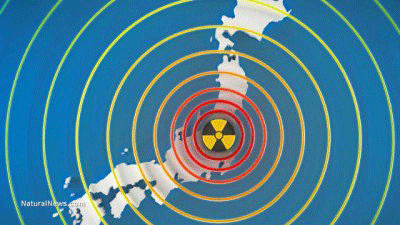
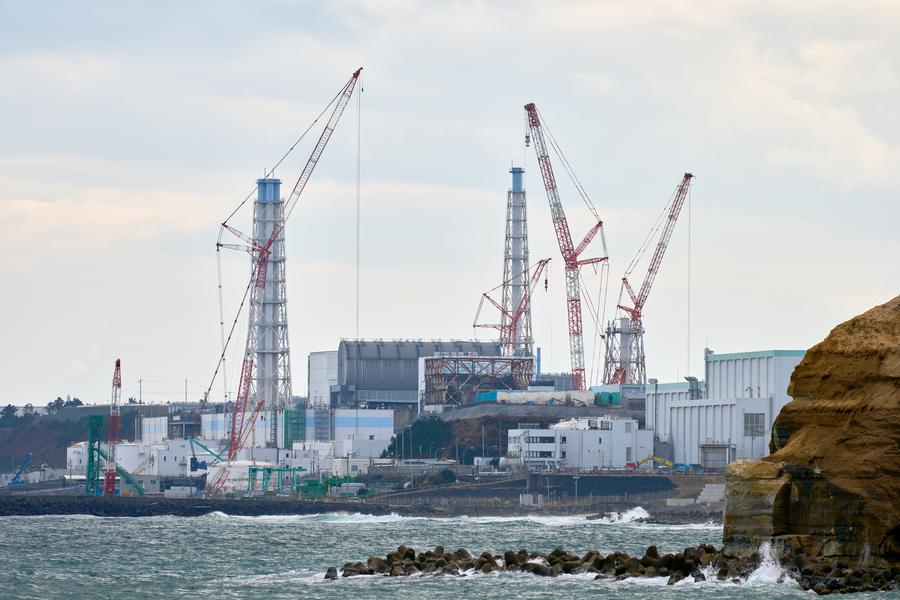
TOKYO, Aug. 8 (Xinhua) — Despite persistent opposition at home and abroad, Japan on Wednesday started its eighth round of release of nuclear-contaminated wastewater from the crippled Fukushima Daiichi Nuclear Power Plant into the Pacific Ocean.
Tokyo Electric Power Company (TEPCO), the plant’s operator, will discharge about 7,800 tons of wastewater from storage tanks into the Pacific Ocean until Aug. 25.
The Chinese Embassy in Japan on Wednesday expressed firm opposition to this irresponsible move of ocean discharge, noting that discharge concerns the health of all mankind, the global marine environment and the international public interests, and is by no means a private matter for Japan.
Japan starts 8th ocean discharge of Fukushima nuclear-tainted wastewater
Source: Xinhua
Editor: huaxia
2024-08-08 09:23:15
TOKYO, Aug. 8 (Xinhua) — Despite persistent opposition at home and abroad, Japan on Wednesday started its eighth round of release of nuclear-contaminated wastewater from the crippled Fukushima Daiichi Nuclear Power Plant into the Pacific Ocean.
Tokyo Electric Power Company (TEPCO), the plant’s operator, will discharge about 7,800 tons of wastewater from storage tanks into the Pacific Ocean until Aug. 25.
The Chinese Embassy in Japan on Wednesday expressed firm opposition to this irresponsible move of ocean discharge, noting that discharge concerns the health of all mankind, the global marine environment and the international public interests, and is by no means a private matter for Japan.
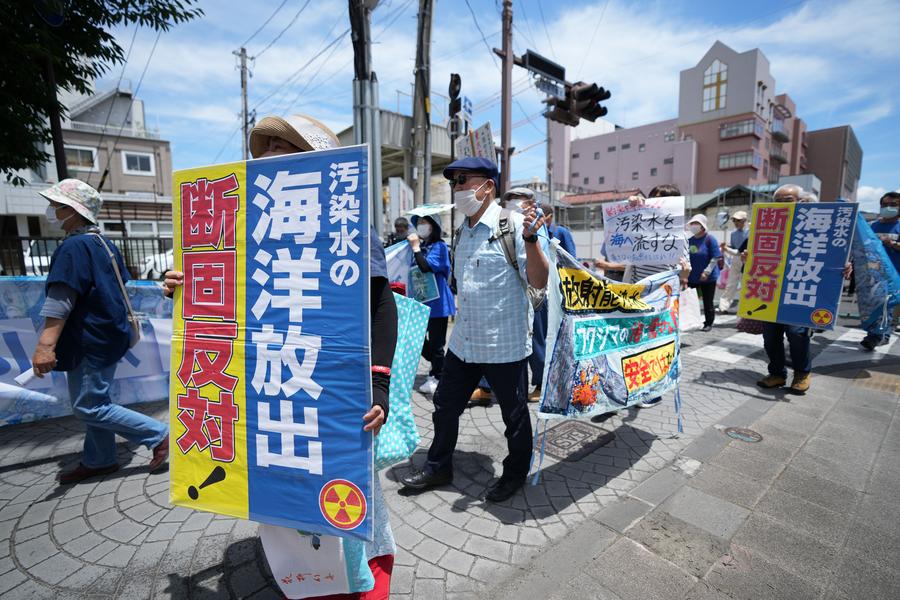
Without addressing the international community’s concerns about the safety of such discharges, the long-term reliability of purification facility, and the effectiveness of monitoring arrangements, Japan’s continued release of nuclear-contaminated water into the ocean shifts the risk of potential contamination to the whole world, a spokesperson for the embassy said.
The spokesperson called on the Japanese side to fully cooperate in setting up an independent international monitoring arrangement that remains effective in the long haul and has substantive participation of stakeholders…………………… more https://english.news.cn/20240808/34fcc4b7f0054fc6a525823c411acbe1/c.html
Link between unexploded munitions in oceans and cancer-causing toxins determined

by Anisa S. Jimenez, Phys Org, February 18, 2009
During a research trip to Puerto Rico, ecologist James Porter took samples from underwater nuclear bomb target USS Killen, expecting to find evidence of radioactive matter – instead he found a link to cancer. Data revealed that the closer corals and marine life were to unexploded bombs from the World War II vessel and the surrounding target range, the higher the rates of carcinogenic materials.
“Unexploded bombs are in the ocean for a variety of reasons – some were duds that did not explode, others were dumped in the ocean as a means of disposal,” said Porter. “And we now know that these munitions are leaking cancer-causing materials and endangering sea life.”
Data has been gathered since 1999 on the eastern end of the Isla de Vieques, Puerto Rico – a land and sea area that was used as a naval gunnery and bombing range from 1943-2003. Research revealed that marine life including reef-building corals, feather duster worms and sea urchins closest to the bomb and bomb fragments had the highest levels of toxicity. In fact, carcinogenic materials were found in concentrations up to 100,000 times over established safe limits. This danger zone covered a span of up to two meters from the bomb and its fragments.
According to research conducted in Vieques, residents here have a 23% higher cancer rate than do Puerto Rican mainlanders. Porter said a future step will be “to determine the link from unexploded munitions to marine life to the dinner plate.”….. https://phys.org/news/2009-02-link-unexploded-munitions-oceans-cancer-causing.html
Pacific leaders, Japan, agree on Fukushima nuclear wastewater discharge (not everyone is happy)
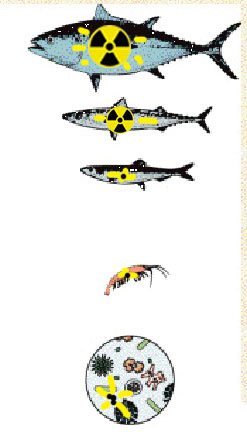
“The discharge, planned to continue for decades, is irreversible. Radionuclides bioaccumulate in marine organisms and can be passed up the food web, affecting marine life and humans who consume affected seafood,”
“The discharge, planned to continue for decades, is irreversible. Radionuclides bioaccumulate in marine organisms and can be passed up the food web, affecting marine life and humans who consume affected seafood,”
RNZ 19 July 2024 , By Pita Ligaiula in Tokyo
Consensus has been reached by Pacific leaders with Japan to address the controversial release of treated nuclear wastewater from the Fukushima nuclear power plant into the Pacific Ocean.
In August last year, Japan began discharging waste from about 1000 storage tanks holding 1.34 million metric tons of contaminated water collected after an earthquake and tsunami in 2011 that caused the meltdown of the Fukushima nuclear plant.
The agreement came at the Japanese hosted 10th Pacific Island Leaders Meeting (PALM10) on Thursday in the capital Tokyo attended by most of the Pacific Islands Forum (PIF) country leaders…………………………..
Pacific leaders emphasised the importance of a shared commitment to safeguarding the health, environment, and marine resources of the Pacific region and a need for transparency from Japan………………………………………….
TEPCO uses a process known as Advanced Liquid Processing System involving special filters which remove from the contaminated water most of the 62 types of radioactive materials, radionuclides such as cesium, strontium, iodine and cobalt but not tritium.
The leaders agreed to keep the ALPS treated water issue as a standing agenda item for future PALM meetings with Japan, supported by an ongoing review process. Their decision reflects concerns about addressing the long-term implications and ensuring continuous monitoring and evaluation.
While consensus was reached at the summit, the wastewater release continues to be questioned by some scientists.
Director of the Kewalo Marine Laboratory at the University of Hawaii, Research Professor Robert Richmond, said concerns remain regarding the efficacy of the ALPS treatment and the contents of the thousands of storage tanks of radioactive wastewater.
“The long-term effects of this discharge on Pacific marine ecosystems and those who depend on them are still unknown. Even small doses of radiation can cause cancer or genetic damage,” Richmond said in a statement to BenarNews after the agreement.
He criticised the current monitoring program as inadequate and poorly designed, failing to protect ocean and human health.
“The discharge, planned to continue for decades, is irreversible. Radionuclides bioaccumulate in marine organisms and can be passed up the food web, affecting marine life and humans who consume affected seafood,” Richmond said……………………………………………… https://www.rnz.co.nz/international/pacific-news/522582/pacific-leaders-japan-agree-on-fukushima-nuclear-wastewater-discharge—
Fukushima plant ends 7th round of treated water release into sea

Tokyo Electric Power Co. announced that it has completed the third round of
treated radioactive water discharge from the stricken Fukushima No. 1
nuclear power plant in this fiscal year. About 7,800 tons of filtered water
were released from storage tanks into the Pacific Ocean after being diluted
by a large volume of seawater, the company said on July 16. This was the
seventh batch of treated water dumped into the sea since TEPCO began the
discharge program in August last year. The utility plans four more rounds
of discharge before the current fiscal year ends in March.
Asahi Shimbun 17th July 2024
Newly identified tipping point for ice sheets could mean greater sea level rise
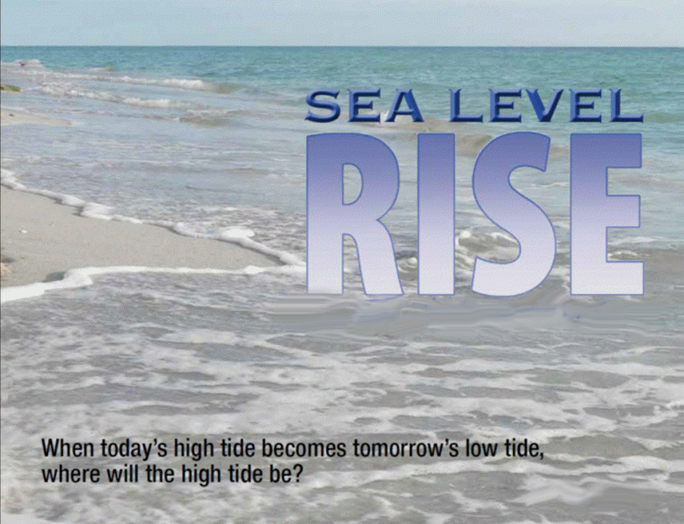
Small increase in temperature of intruding water could lead to very big increase in loss of ice, scientists say
A newly identified tipping point for the loss of ice sheets in Antarctica and elsewhere could mean future sea level rise is significantly higher than current projections.
A new study has examined how warming seawater intrudes between coastal ice sheets and the ground they rest on. The warm water melts cavities in the ice, allowing more water to flow in, expanding the cavities further in a feedback loop. This water then lubricates the collapse of ice into the ocean, pushing up sea levels.
The researchers used computer models to show that a “very small increase” in the temperature of the intruding water could lead to a “very big increase” in the loss of ice – ie, tipping point behaviour.
It is unknown how close the tipping point is, or whether it has even been crossed already. But the researchers said it could be triggered by temperature rises of just tenths of a degree, and very likely by the rises expected in the coming decades.
Sea level rise is the greatest long-term impact of the climate crisis and is set to redraw the world map in coming centuries. It has the potential to put scores of major cities, from New York City to Shanghai, below sea level and to affect billions of people.
The study addresses a key question of why current models underestimate the sea level seen in earlier periods between ice ages. Scientists think some ice sheet melting processes must not be yet included in the models.
“[Seawater intrusion] could basically be the missing piece,” said Dr Alexander Bradley of the British Antarctic Survey, who led the research. “We don’t really have many other good ideas. And there’s a lot of evidence that when you do include it, the amount of sea level rise the models predict could be much, much higher.”
Previous research has shown that seawater intrusion could double the rate of ice loss from some Antarctic ice shelves. There is also real-world evidence that seawater intrusion is causing melting today, including satellite data that shows drops in the height of ice sheets near grounding zones.
“With every tenth of a degree of ocean warming, we get closer and closer to passing this tipping point, and each tenth of a degree is linked to the amount of climate change that takes place,” Bradley said. “So we need very dramatic action to restrict the amount of warming that takes place and prevent this tipping point from being passed.”
The most important action is to cut the burning of fossil fuels to net zero by 2050.
Bradley said: “Now we want to put [seawater intrusion] into ice sheet models and see whether that two-times sea level rise plays out when you analyse the whole of Antarctica.”
Scientists warned in 2022 that the climate crisis had driven the world to the brink of multiple “disastrous” tipping points, including the collapse of Greenland’s ice cap and the collapse of a key current in the north Atlantic, disrupting rains upon which billions of people depend for food.
Research in 2023 found that accelerated ice melting in west Antarctica was inevitable for the rest of the century, no matter how much carbon emissions are cut, with “dire” implications for sea levels.
The new research, published in the journal Nature Geoscience, found that some Antarctic ice sheets were more vulnerable to seawater intrusion than others. The Pine Island glacier, currently Antarctica’s largest contributor to sea level rise, is especially vulnerable, as the base of the glacier slopes down inland, meaning gravity helps the seawater penetrate. The large Larsen ice sheet is similarly at risk.
The so-called “Doomsday” glacier, Thwaites, was found to be among the least vulnerable to seawater intrusion. This is because the ice is flowing into the sea so fast already that any cavities in the ice melted by seawater intrusion are quickly filled with new ice.
Dr Tiago Segabinazzi Dotto, of the UK’s National Oceanography Centre, welcomed the new analysis of the ocean-ice feedback loop under ice sheets.
“The researchers’ simplified model is useful for showing this feedback, but a more realistic model is highly needed to evaluate both positive and negative feedbacks,” he said. “An enhancement of observations at the grounding zone is also essential to better understand the key processes associated with the instability of ice shelves.”
Japan starts 7th discharge of Fukushima nuclear-contaminated wastewater despite opposition
https://news.cgtn.com/news/2024-06-28/news-1uNrsTbwBm8/p.html
Japan on Friday started the seventh round of release of nuclear-contaminated wastewater from the crippled Fukushima Daiichi Nuclear Power Plant into the Pacific Ocean.
Despite opposition from local fishermen, and residents as well as backlash from the international community, Tokyo Electric Power Company (TEPCO), the plant’s operator, started releasing the radioactive wastewater in the morning, the third round in fiscal 2024.
Just like the previous rounds, about 7,800 tonnes of wastewater will be discharged from about a kilometer off the coast of Fukushima Prefecture via an underwater tunnel until July 16.
According to TEPCO, the company will begin dismantling empty storage tanks after the wastewater has been discharged around January next year.
There are approximately 1,000 storage tanks at the Fukushima plant because of its continued production of wastewater. TEPCO plans to dismantle 21 of these tanks over about one year starting next January, which will free up 2,400 square meters of space.
There is still uncertainty when it comes to the decommissioning schedule of the Fukushima plant and the measures to deal with contaminated wastewater, Masahide Kimura, a member of a Japanese anti-nuclear campaign group, told Xinhua.
The collapse of houses, the destruction of roads and the ground uplift along the coast caused by the recent Noto Peninsula Earthquake have warned us that nuclear power plants should not be operated in Japan, an archipelago prone to earthquakes, Kimura said.
Hit by a 9.0-magnitude earthquake and an ensuing tsunami on March 11, 2011, the Fukushima nuclear plant suffered core meltdowns that released radiation, resulting in a level-7 nuclear accident, the highest on the International Nuclear and Radiological Event Scale.
The plant has been generating a massive amount of water tainted with radioactive substances from cooling down the nuclear fuel in the reactor buildings. The contaminated water is now being stored in tanks at the nuclear plant.
Despite furious opposition both at home and abroad, the ocean discharge of the Fukushima nuclear-contaminated water began in August 2023.
French-Chinese nuclear power plant could put 200m UK fish at risk
By Freddie Sandford | 14 06 2024https://www.anglingtimes.co.uk/news/stories/french-chinese-power-plant-could-put-200m-uk-fish-at-risk/
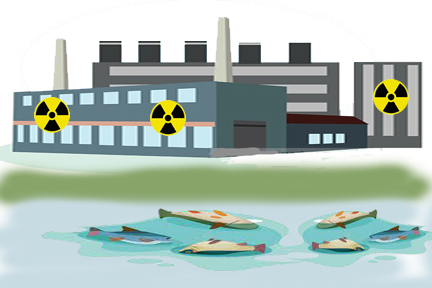
Builders of a new nuclear power plant are applying to remove fish protection measures, putting the lives of nearly 200 million fish at risk.
Earlier this year, concerns grew around the new power plant at Hinkley Point, in Somerset, as it was revealed that an incredible 178 tonnes of fish would be sucked into its pipes every year.
Initially, an acoustic fish deterrent was to be added, but the plant’s builders, NNB Generation Company Limited, co-owned by French and Chinese energy giants EDF and CDN, are applying to remove this safeguarding measure.
Fish Legal questioned the company’s plans, but they were rejected, as NNB claimed it wasn’t subject to UK laws.
“It is extremely concerning that a French and Chinese-owned company believes itself to be above our laws,” says Fish Legal’s Penny Gane.
“The British public have a right to know the impact this nuclear power plant will have. This fight is not over yet.”
China urges long-term supervision over Japan’s radioactive water discharge
08-Jun-2024. CGTN https://news.cgtn.com/news/2024-06-08/China-urges-strict-supervision-over-Japan-radioactive-water-discharge-1ugaDo6lH8I/p.html
A Chinese envoy on Friday called for strict, independent and effective long-term international supervision over Japan’s discharge of nuclear-contaminated wastewater from the crippled Fukushima Daiichi Nuclear Power Plant into the ocean.
Japan has recently carried out its sixth round of the Fukushima wastewater release. The Chinese envoy stated that the discharge continues to raise deep concerns among the international community, especially among Japan’s neighboring countries.
Li Song, China’s permanent representative to the International Atomic Energy Agency (IAEA), expressed doubts about the long-term reliability of Japan’s wastewater purification equipment, the effectiveness of the current monitoring arrangements, the weak supervision from the Japanese government, and the chaotic management of the Tokyo Electric Power Company, the Fukushima plant’s operator, during a meeting of the agency’s board of governors.
Li stressed the importance and urgency of establishing a long-term international supervision mechanism for nuclear-contaminated wastewater discharge as an addition to the regulation of the Japanese government and monitoring by Japanese nuclear power regulators, rather than replacing them.
He emphasized that only through such an arrangement can Japan dispel the concerns and panic of the people of China and other stakeholder countries. Such an arrangement is also conducive to further strengthening the authority and function of the IAEA in the field of international nuclear security and serves the fundamental interests of Japan and the Japanese people, Li added.
The Chinese envoy also stated that China and Japan have agreed to find an appropriate solution to the issue of the Fukushima wastewater discharge through consultation and negotiation. China hopes that Japan will show sincerity, seriously address the legitimate concerns from home and abroad, earnestly fulfill its responsibilities and obligations, and join hands with China, the IAEA, and the international community to work out more effective supervision measures to ensure that the Fukushima wastewater release will not cause long-term harm to the marine environment and humankind.
Japan starts 6th discharge of Fukushima nuclear-contaminated wastewater
CGTN, 17-May-2024
Japan on Friday started the sixth round of release of nuclear-contaminated wastewater from the crippled Fukushima Daiichi Nuclear Power Plant into the Pacific Ocean.
Despite opposition among local fishermen, residents as well as backlash from the international community, Tokyo Electric Power Company (TEPCO), the plant’s operator, started releasing the radioactive wastewater in the morning, the second round in fiscal 2024.
The same as the previous rounds, about 7,800 tonnes of wastewater are being discharged from about a kilometer off the coast of Fukushima Prefecture via an underwater tunnel until June 4.
According to the TEPCO, the concentrations of all radioactive substances other than tritium in the water stored in the tank scheduled for release were below the national release standards, while the concentration of tritium that cannot be removed will be diluted with seawater.
The Chinese Embassy in Japan expressed firm opposition to this unilateral move of ocean discharge. While safety and reliability have yet to be ensured, Japan’s dumping of nuclear-contaminated water has repeatedly raised risks to neighboring countries and marine ecology, a spokesperson for the embassy said.
The spokesperson called on the Japanese side to attach great importance to the concerns at home and abroad and to fully cooperate in setting up an independent international monitoring arrangement that remains effective in the long haul and has the substantive participation of stakeholders.
………………………….. In fiscal 2024, the TEPCO plans to discharge a total of 54,600 tonnes of contaminated water in seven rounds, which contains approximately 14 trillion becquerels of tritium. https://news.cgtn.com/news/2024-05-17/news-1tFIzr3u9Da/p.html
Climate change: World’s oceans suffer from record-breaking year of heat

Fuelled by climate change, the world’s oceans have broken temperature
records every single day over the past year, a BBC analysis finds. Nearly
50 days have smashed existing highs for the time of year by the largest
margin in the satellite era. Planet-warming gasses are mostly to blame, but
the natural weather event El Niño has also helped warm the seas. The
super-heated oceans have hit marine life hard and driven a new wave of
coral bleaching. The analysis is based on data from the EU’s Copernicus
Climate Service. Copernicus also confirmed that last month was the warmest
April on record in terms of air temperatures, extending that sequence of
month-specific records to 11 in a row.
BBC 8th May 2024
1 This Month.
5 January -Webinar-What is Trump’s Golden Dome?
REGISTER AT Massachusetts Peace Action Education


New book – https://www.amazon.com/dp/1923372157?utm_source=substack&utm_medium=email
Now until to February 10, 2026 Radioactive waste storage in France: the debate is finally open! How to participate?
-
Archives
- December 2025 (325)
- November 2025 (359)
- October 2025 (377)
- September 2025 (258)
- August 2025 (319)
- July 2025 (230)
- June 2025 (348)
- May 2025 (261)
- April 2025 (305)
- March 2025 (319)
- February 2025 (234)
- January 2025 (250)
-
Categories
- 1
- 1 NUCLEAR ISSUES
- business and costs
- climate change
- culture and arts
- ENERGY
- environment
- health
- history
- indigenous issues
- Legal
- marketing of nuclear
- media
- opposition to nuclear
- PERSONAL STORIES
- politics
- politics international
- Religion and ethics
- safety
- secrets,lies and civil liberties
- spinbuster
- technology
- Uranium
- wastes
- weapons and war
- Women
- 2 WORLD
- ACTION
- AFRICA
- Atrocities
- AUSTRALIA
- Christina's notes
- Christina's themes
- culture and arts
- Events
- Fuk 2022
- Fuk 2023
- Fukushima 2017
- Fukushima 2018
- fukushima 2019
- Fukushima 2020
- Fukushima 2021
- general
- global warming
- Humour (God we need it)
- Nuclear
- RARE EARTHS
- Reference
- resources – print
- Resources -audiovicual
- Weekly Newsletter
- World
- World Nuclear
- YouTube
-
RSS
Entries RSS
Comments RSS
 nuclear-news