Attacking nature protections with fudged figures is not the solution to slow growth: rivers charity responds to Hinkley Point C report
A statement from Mark Lloyd, Chief Executive of The Rivers Trust, https://envirotecmagazine.com/2025/11/26/attacking-nature-protections-with-fudged-figures-is-not-the-solution-to-slow-growth-rivers-charity-responds-to-hinkley-point-c-report/
Yesterday [(25 November)], several prominent newspapers published articles quoting a government-commissioned report into the spiralling costs of EDF’s Hinkley Point C nuclear power station. These articles focused on the report’s claims that a planned fish deterrent system for the power station’s water intakes cost £700m and would “save the lives of 0.083 salmon, 0.028 sea trout, six river lamprey, 18 Allis shad and 528 twaite shad per year”.
These figures, being used to deride the vital importance of the fish deterrent, cannot be taken seriously.
The fish deterrent system at Hinkley is in fact priced at £50m, not £700m. The tiny numbers of fish the report claims it would save are based on EDF’s own modelling, and are preposterously small given that 3.5bn litres of water a day will be sucked into the power station. This is more than the flow of all the rivers flowing into the Severn Estuary.
Such a vast amount of water will undoubtedly contain huge quantities of fish and other marine creatures, many of which are on the verge of extinction. The water intake at Hinkley will come from the most densely populated part of the estuary, killing not just fish but lots of other wildlife, and the knock-on effects on breeding would be catastrophically felt for generations. The abundance of species in the Severn Estuary and their vulnerability is why the area has the highest levels of protection in environmental law.
EDF included the fish deterrent system in the plans it submitted to get this project approved. Instead of disingenuously blaming spiralling construction costs on perfectly reasonable measures to reduce damage to the environment, EDF should honour its commitment. Within a total budget of £45bn to build a nuclear power station at Hinkley, £50m is little more than a rounding error.
This report seems to be another. Within a total budget of £45bn, £50m is little more than a rounding error, and this story is another ridiculous attempt to frame nature as the one and only blocker to growth and prosperity, a narrative that the government seems intent on pushing as we build up to today’s Budget.
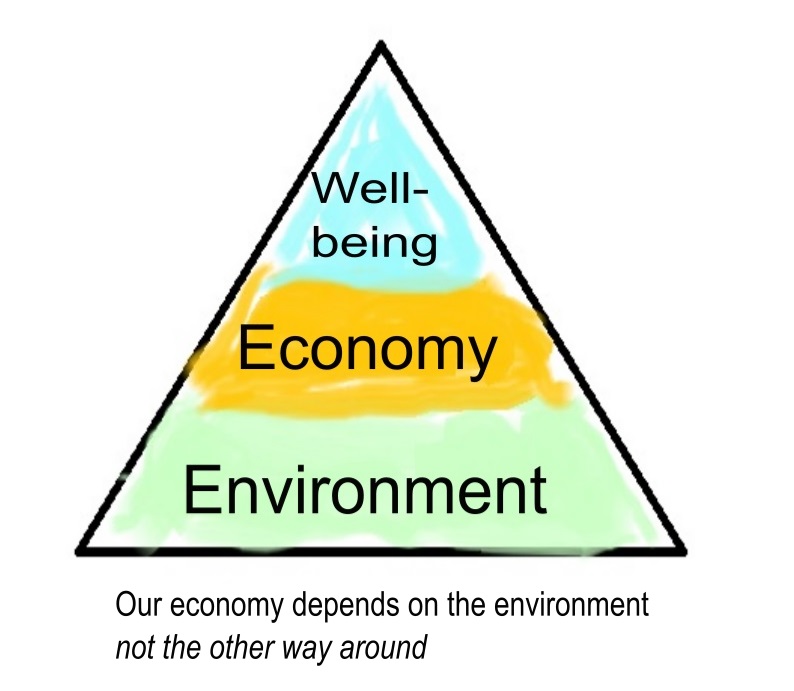
The truth is that growth and prosperity are utterly dependent on the health of our natural world. Whilst we recognise the urgent need for new energy infrastructure, the processes being proposed to remove or bypass environmental protections should concern us all. Development and nature can thrive together, but only if the safeguards designed to protect our wildlife, and communities remain in place.
UK’s new nuclear body urges scrapping nature protections for new projects

24th November 2025, https://www.cpre.org.uk/news/nuclear-body-urges-scrapping-nature-protections-for-new-projects/
In the spring of 2025, the government set up a Nuclear Regulatory Taskforce to make it easier to build new nuclear projects. Their final report has just been published and its recommendations threaten some of the hard-won measures we have to protect our countryside and nature.
The taskforce was made up of figures working for the nuclear industry. They’re proposing two measures in particular that we’re worried about.
First, it proposes that new nuclear as a whole would get an opt-out of both the Habitats Directive and the mitigation hierarchy. This is a mechanism whereby developers first need to seek to avoid harm and then try to minimise the harm. Only when they cannot do this, they should compensate for the harm by improving the natural environment elsewhere.
The report calls for nuclear developments to pay into the new Nature Restoration Fund being set up by the Planning and Infrastructure Bill and ‘move directly to off-site nature conservation’ as the default. This sweeps away the first part of the hierarchy, which asks developers to avoid or minimise local harms on landscapes and nature in favour of offsetting the harm somewhere else. This is counter to CPRE’s view which is that protecting and regenerating landscapes at the source must come first.
Secondly, it calls for the scrapping of the duty on public bodies to further the statutory purposes of National Parks and National Landscapes, which came in in 2023. The report says the duty ‘has caused confusion, and will likely delay, and add cost, to nuclear development.’
Two CPRE groups – Kent and Friends of the Lake District – have already challenged decisions using the new protected landscapes duty, but in both cases planning permission was still granted.
Scrapping this duty would undermine the progress made in safeguarding our protected landscapes like the South Downs or the Shropshire Hills and return us to the weak duty that existed previously.
The Chancellor has said she welcomes the report and will set out the government’s response on Wednesday, and we’ll be strongly urging ministers not to dilute nature and landscape protections.
Officials make alarming discovery outside of shutdown nuclear facility: ‘Significant’
“A legacy of industrial practices.”
by Veronica Booth, November 26, 2025
A dangerous fragment of radioactive debris was found outside of a
decommissioned nuclear facility in Scotland. The BBC reported that a
radioactive fragment categorized as “significant” was discovered around the Dounreay nuclear facility on April 7.
Radioactive particles can be
classified as minor, relevant, or significant. This is the first
“significant” particle found near Thurso since March 2022. The Dounreay
facility was an experimental nuclear site until particles of irradiated
nuclear fuel contaminated the drainage system. Now, the shores and seabed around Dounreay are heavily contaminated. According to the BBC, the decontamination of the site is expected to be complete by 2333.
The significant fragment serves as a poignant reminder of the importance of responsible radioactive waste management. According to the BBC, these
radioactive particles and fragments around Dounreay are not a threat to
people. Highly contaminated areas are not used by the public. Nearby public beaches have not contained any significant or large particles that would cause concern for people. In this instance, the U.K. government’s Nuclear Restoration Services and other entities are taking proper action to
decontaminate the site.
TCD 26th Nov 2025, https://www.thecooldown.com/green-business/dounreay-nuclear-facility-scotland-radioactive-waste/
Does ‘fish disco’ show we’re dancing to the wrong tune on regulations?
“confected outrage about a fish disco”.
Hinkley Point C’s fish protections have been criticised as a
waste of money but environmental charities said the outrage was
manufactured.
For the twaite shad of the Bristol Channel, it has been a
strange few months. Ordinarily, few people bother with shad. Smallish,
silverish, a little like a less charismatic herring, generally they are
left alone. Not this year. Starting in May they have been tracked. They
have been chipped. They have been played some really odd sounds. And now, as they somewhat bemusedly navigate what has become known as the Hinkley Point C fish disco, they have been presented to the prime minister as an exemplar of all that is wrong with our nuclear regulations.
The Fingleton report on nuclear regulation is long and considered. Its 162 pages take in capital financing, nuclear risks and decommissioning obligations. But it was just a few paragraphs about fish that ended up catching the headlines.
“Hinkley Point C will have more fish protection measures than any other
power station in the world,” wrote John Fingleton, commissioned by the
government to find ways to make nuclear cheaper. “It has spent £700
million on their design and implementation,” he said. The outcome on
protected fish? “These measures would save 0.083 salmon per year, along
with 0.028 sea trout, 6 river lamprey, 18 allis shad, and 528 twaite
shad.”
“The government’s propaganda machine is working overtime to
perpetuate the false narrative that nature blocks development,” Joan
Edwards, from the Wildlife Trusts, said. It is, she said, “confected
outrage about a fish disco”. Every second it is running, Hinkley Point C,
which is still under construction, will suck in 134 cubic metres of
seawater. From three kilometres out, in the murky estuary, the water will
rush along pipes towards the reactor. There, the cold waters of the Bristol
Channel will meet the superheated waters of a steam turbine………………………………………………………………………………………….
Times 25th Nov 2025, https://www.thetimes.com/uk/politics/article/does-fish-disco-show-were-dancing-to-the-wrong-tune-on-regulations-99v2tsnvs
Millions of fish killed this winter at Bruce Power nuclear plant


By Scott Miller, March 21, 2025,
https://www.ctvnews.ca/london/article/millions-of-fish-killed-this-winter-at-bruce-power-nuclear-plant/
Millions of fish have been killed after getting trapped in Bruce Power’s water intake system.
The Saugeen Ojibway Nation (SON) estimates between 3.5 and 4.5 million ‘gizzard shad’ were trapped and died after being attracted to the warm water from the nuclear plant’s discharge channels.
In a statement, the Saugeen Ojibway Nation’s Environment Office said, “this event raises concerns about the artificial environment for aquatic life at the Bruce site.”
Bruce Power acknowledges that a ‘large number’ of fish have died after getting trapped in their intake system since mid-January. It was so concerning the company shut down one of their nuclear reactors for a week and half last month. Bruce Power said the fish have been removed and Unit 2 is back in service.
The company said they’re still trying to determine exactly what led to the fish die-off but say they’re not alone.
“Gizzard Shad have been reported along the shoreline as far north as the Sauble River and as far south as Goderich indicating this could be a population level event. Large numbers of Gizzard Shad have been observed in Lake Huron including around Bruce Power; this is likely due to their high rate of reproduction and warmer lake water temperatures in the last couple of years,” said a Bruce Power news release.
Gizzard Shad are naturally sensitive to cold water temperatures and can experience mass die-off in the wild.
Both Bruce Power and the Saugeen Ojibway Nation say they are working with federal authorities to try and get to the root of the fishkill – and prevent it from happening again.
Both Bruce Power and SON also report a number of dead birds just north of the nuclear plant in Baie-du-Dor. The company said the birds have been sent away for testing, “to check for conditions including botulism or avian flu.”
Bruce Power said the Ministry of Environment Canadian Nuclear Safety Commission and Ministry of Natural Resources are aware and are part of the investigation into what led to the dead fish and waterfowl.
New Mexico Environment Department Requires Los Alamos National Laboratory to Stop All Injection Operations into Regional Drinking Water Aquifer.
Concerned Citizens for Nuclear Safety, 26 Nov 25
In a protective move, on Friday, November 18th, the New Mexico Environment Department required the Department of Energy (DOE) to cease all injection operations of treated waters back into the sole source regional drinking water aquifer shared by Pueblo de San Ildefonso, Los Alamos National Laboratory (LANL) and others. 2025-11-18-WPD-GWQB-NMED-Withdrawal-of-Temporary-Authorization-for-DP-1835-Final and EMID-704003_EMLA-26-BF028-2-1_Resp_DP-1835_Temp_Auth_WD_112125
In October, hexavalent chromium contamination was found beneath Pueblo de San Ildefonso while LANL was drilling a new well on the Pueblo, called San Ildefonso Regional Monitoring Well 3, or SIMR-3, in Mortandad Canyon. The Pueblo and LANL share borders in the area of Mortandad Canyon.
In Friday’s letter, the Environment Department wrote to LANL that “[S]ince 2021, DOE has neither complied with [the Environment Department’s] regulatory directives nor made substantial progress towards ensuring the protection of the regional aquifer. The latest sampling results from SIMR-3 prove that DOE’s refusal to take appropriate steps to ensure that contamiantion does not migrate further in the regional aquifer or offsite has created the harm to the environment that [the Environment Department] sought to prevent.”
China has built first undersea data center — a breakthrough in ecocidal technology posing as “sustainable”.
18 Nov 25
China is framing the project as “sustainable,” but the project could accelerate deoxygenation and warming of the oceans already imperiled by the climate crisis. According to a July 16, 2025 report in Scientific American, “researchers say submerged data centers could harm aquatic biodiversity during a marine heat wave—a period of unusually high ocean temperatures. In those cases, the outlet water from the vessel would be even warmer and hold less of the oxygen that aquatic creatures need to survive.”
South Korea has announced plans to also pursue underwater data centers. Other countries, such as Japan and Singapore, are considering data centers that float on the ocean’s surface instead. Around the world, technocrats are going to senseless lengths to keep building data centers to churn endless volumes of data. And to what end? To replace more jobs? To generate more AI slop? To launch hypersonic missiles? To provide more AI “friends” that tell users to jump off the cliff? I have yet to see an upside to AI, while its downsides are on parade. Wouldn’t it be better for humanity and all living things if we just chucked the idea of AI all together?
Lab Chromium Contamination Confirmed on San Ildefonso Pueblo Land.

Since chromium contamination was first reported in 2004, the Lab’s nuclear weapons budget has more than doubled to $5 billion (now 84% of LANL’s ~$6 billion annual budget). Cleanup is being cut to $278 million (less than 5% of the Lab’s total budget), as are virtually all non-nuclear weapons programs (research into renewable energies is being eliminated).[6]
Comprehensive Cleanup Needed Instead of More Nuclear Weapons
November 14, 2025, nuclear watch , New Mexico, nukewatch.org
| Santa Fe, NM – The New Mexico Environment Department has announced: “A toxic chromium plume from Los Alamos National Laboratory has spread beyond Lab boundaries onto Pueblo de San Ildefonso land for the first time, with contamination exceeding state groundwater standards… These new results are conclusive evidence that the U.S. Department of Energy’s efforts to contain the chromium plume have been inadequate.” In reality, chromium groundwater contamination probably migrated beyond the LANL/San Ildefonso Pueblo boundary long ago, with Lab maps of the plume “magically’ stopping at the border. In the past, tribal leadership has commented that it was fortunate that the contamination stopped there, but that any future indications of groundwater contamination on Pueblo land could have serious consequences. The San Ildefonso Pueblo is a sovereign Native American tribal government. |
| As late as the late 1990s the Lab was falsely claiming that groundwater contamination was impossible because underlying volcanic tuff is “impermeable.” [1] This ignored the obvious fact that the Parajito Plateau is heavily seismically fractured, providing ready pathways for contaminant migration to deep groundwater. By 2005 even LANL acknowledged that continuing increasing contamination of the regional aquifer is inevitable.[2] Some 300,000 northern New Mexicans rely upon the aquifer for safe drinking water. The potential serious human health effects (including cancer) caused by chromium contamination was the subject of the popular movie Erin Brockovich. LANL’s chromium contamination plume is at least one mile long, a half mile wide and 100 feet thick.[3] It is commonly regarded as the Lab’s most serious environmental threat. One drinking water supply well for Los Alamos County has already been shut down because of the plume. But even two decades after it was first reported, the Lab still doesn’t know how big the chromium plume is. On December 30, 2024, in the middle of the holiday season, the Lab posted the report Independent Review of the Chromium Interim Measures Remediation System to its largely unknown Legacy Cleanup Electronic Public Reading Room. The Report’s bottom line was: “…at this time the plume is not sufficiently characterized to design a final remedy… data gaps and uncertainties need to be addressed before committing to an alternative or final remedy.” From 1956 to 1972, water containing potassium dichromate was used to prevent corrosion in cooling towers, releasing as much as 160,000 pounds of potassium dichromate into the headwaters of Sandia Canyon.[4] Over a 3-year period ending in November 2022, the Department of Energy extracted, treated and reinjected more than 400 million gallons of groundwater. But the December 2024 chromium report stated that only ~680 pounds of chromium was actually removed.[5] At this rate it will take more than a century to treat and remediate the chromium plume. |
While failing to recommend a final remedy, the new chromium report did argue that extraction and treatment of groundwater should be continued. However, in order to speed up cleanup as part of any final remedy, Nuclear Watch New Mexico argues for pumping or trucking the treated groundwater uphill to flush out the chromium contamination at its source. In addition, more monitoring wells should be installed to finally determine the true depth and breadth of the chromium contamination that threatens northern New Mexico’s largest supply of drinking water.
Since chromium contamination was first reported in 2004, the Lab’s nuclear weapons budget has more than doubled to $5 billion (now 84% of LANL’s ~$6 billion annual budget). Cleanup is being cut to $278 million (less than 5% of the Lab’s total budget), as are virtually all non-nuclear weapons programs (research into renewable energies is being eliminated).[6]
According to the independent Government Accountability Office, expected completion of Lab cleanup has been repeatedly pushed back, most recently to 2043 with an estimated cost of $7 billion.[7] But even this is a false cleanup with the Lab planning to “cap and cover” some 800,000 cubic yards of radioactive and toxic wastes, leaving them permanently buried in unlined pits and shafts as a perpetual threat to groundwater. As the Lab becomes more and more a nuclear weapons production site for plutonium “pit” bomb cores, it remains woefully ignorant over the extent and depth of the contamination it has caused to the regional groundwater aquifer. At the same time, LANL continues to downplay widespread plutonium contamination in soil, water and plants.[8]
Jay Coghlan, Director of Nuclear Watch New Mexico, commented: “LANL’s expanding nuclear weapons programs are a two-fold threat. First, they fuel the new nuclear arms race that threatens all of humanity. At the same time, they rob funding from vitally needed cleanup that would permanently protect our irreplaceable groundwater. As is commonly said in northern New Mexico, “Aqua es Vida!” Nuclear weapons can destroy both.”
Toxic plume from Los Alamos National Laboratory spreads to nearby pueblo
by: Nicole Sanders, Nov 14, 2025 https://www.krqe.com/news/new-mexico/toxic-plume-from-los-alamos-national-laboratory-spreads-to-nearby-pueblo/
NEW MEXICO (KRQE) — A toxic chromium plume from Los Alamos National Laboratory has spread onto Pueblo de San Ildefonso land, with contamination levels exceeding state groundwater standards. The New Mexico Environment Department says there is no imminent threat to drinking water on pueblo land or Los Alamos County because the plume is not near any known drinking well yet.
NMED says that the US Department of Energy’s chromium mitigation efforts failed, and because of that they are planning to file a lawsuit. Health officials say that long-term chromium ingestion can lead to cancer.
The remnants of Chernobyl are still present in the Black Sea
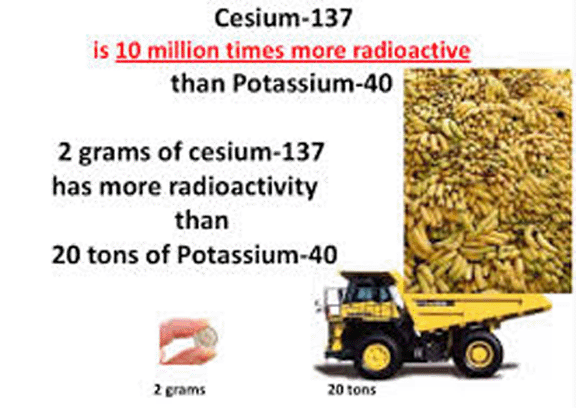
Forty years have passed since Chernobyl, but Chernobyl-related radioactive contamination in the Black Sea has not ended. TENMAK’s research has revealed that the concentration of caesium-137 in the Black Sea is seven times higher than in the Mediterranean Sea.
BirGün Daily, Giriş: 07.11.2025 , https://www.birgun.net/haber/the-remnants-of-chernobyl-are-still-present-in-the-black-sea-667018
Nearly 40 years have passed since the Chernobyl disaster, considered one of the world’s three largest nuclear accidents, but the radioactive contamination caused by the accident continues to affect the Black Sea. At the IVth National Symposium on Monitoring and Assessment in the Seas, Dr Aysun Kılınçarslan, presenting on behalf of the Turkish Energy, Nuclear and Mining Research Institute (TENMAK), announced the results of monitoring studies on radioactive contamination in Turkey’s coastal waters and sediments.
Analyses conducted in coastal sediments between 2015 and 2023 detected high levels of caesium-137 and strontium-90. While an average of 21 becquerels of caesium-137 isotope per kilogram was observed in the Black Sea, this rate was recorded as only 3.2 becquerels in the Mediterranean Sea. Values that are relatively high in the Sea of Marmara decrease as one moves towards the Aegean and Mediterranean Seas. The highest value found in the analyses exceeds 82 becquerels. This figure is 10 times higher than the highest value observed in the Mediterranean Sea. When viewed on a regional basis, the highest caesium-137 value in sediments, 50 becquerels, was found in Hopa. Hopa is followed by Trabzon and Sinop.
HIGH FIGURES IN TRABZON AND HOPA
In measurements taken in coastal surface waters between 2014 and 2023, the caesium-137 concentration averaged 9 millibecquerels per litre in the Black Sea, while this figure dropped to 1.6 millibecquerels in the Mediterranean Sea. Rates in the Bosphorus, Marmara and Çanakkale ranged between 8.4 and 6.9 millibecquerels, while the amount of caesium-137 in the water decreased in the Aegean Sea, falling to 1.8 millibecquerels. The highest figures were found in Trabzon and Hopa, which have been affected by Chernobyl for years and where cancer rates have increased. Tekirdağ, Ordu, Karasu and İğneada stand out as other regions with high measurements. Although the study’s findings indicate that these levels do not pose a risk to human health or environmental pollution, the significant difference between the Black Sea and the Mediterranean clearly demonstrates the consequences of Chernobyl-related contamination.
CHERNOBYL FLOWS
Another noteworthy finding of the study was the detection of plutonium-239, which does not occur naturally and is produced by nuclear reactions, alongside caesium-137. While average values do not differ between seas, the locations most affected by this contamination include Erdek, the Bosphorus Strait, Hopa, and Sinop. Experts point out that the sources of contamination linked to these isotopes are nuclear power plant accidents, nuclear weapons tests, and operational nuclear reactors. Chernobyl is also cited as a source of contamination in the Black Sea. Radioactive pollution from the out-of-control melted reactor and the surrounding area reaches the Black Sea via groundwater and the Dnieper River.
MARINE ASSESSMENT IS NECESSARY
Prof. Dr. İnci Gökmen, who revealed high levels of radiation in tea after Chernobyl, points out that the radiation level detected at 21 becquerels per kilogram is quite high. Gökmen states that data collected from the seas and coasts also highlights the need to measure radiation levels in the soil, adding, “It is surprising to see plutonium in the seas, even at low levels. Strontium is not surprising. However, since strontium does not emit gamma radiation and must be measured by chemical separation, measurements were rarely taken despite the presence of strontium in the environment and food after Chernobyl. However, the strontium values immediately after the accident can be estimated from the current results. By looking at the caesium levels in coastal surface water in some areas, it would be good to calculate the doses that swimmers or those working at sea, such as fishermen, would receive. It would be appropriate to take measurements in fish, mussels and other seafood. Thirty-nine years have passed since Chernobyl. Caesium has only undergone one half-life. This means that radioactive elements will remain in the seas for a long time to come,” he said. WHAT IS CAESIUM (CS-137)?
The most common radioactive form of caesium is Cs-137. Caesium-137 is produced by nuclear reactions. External exposure to Cs-137 can cause burns, acute radiation sickness and even death. Exposure to large amounts of Cs-137 can result from the misuse of a powerful industrial Cs-137 source, a nuclear explosion, or a major nuclear accident. Under normal conditions, large amounts of Cs-137 are not found in the environment. Exposure to Cs-137 can increase the risk of cancer due to the presence of high-energy gamma radiation. Ingestion or inhalation of Cs-137 increases the risk of cancer by causing the radioactive material to spread to soft tissues, particularly muscle tissue. Vascular plants do not accumulate high levels of caesium through root uptake because caesium is strongly adsorbed to the soil. However, the accumulation of radioactive residues on flora with large surface areas, such as lichens or mosses, is significant. Animals that feed on these plants can consume large amounts of radiocaesium (and other radionuclides present in radioactive fallout). Human consumption of the meat of such animals leads to the uptake of these radionuclides into the body.
Note: This article is translated from the original article titled Çernobil’in izleri hâlâ Karadeniz’de, published in BirGün newspaper on November 7, 2025.
The Silicon Thirst: When Data Drinks the World Dry

4 November 2025 Andrew Klein, https://theaimn.net/the-silicon-thirst-when-data-drinks-the-world-dry/
We live in an age of digital miracles, where intelligence is artificial and clouds are not in the sky, but in warehouses. Yet, this ethereal realm has a staggering physical appetite, one that is quietly draining the planet of its most vital resource: water.
The numbers are not just statistics; they are a prognosis.
- A single data centre can consume 1 to 5 million gallons of water per day – the equivalent of a small city.
- Training a single advanced AI model can gulp down 185,000 gallons of fresh, clean water, used to cool the furious processors dreaming of a digital future.
- By 2027, the water footprint of the AI sector alone could reach 4.2 billion cubic metres, a thirst that begins to compete with the needs of nations.
This is not progress. It is a profound and suicidal miscalculation.
Efficiency for What?
The technology giants speak of “efficiency,” but it is a narrow, self-serving metric. It is the efficiency of a faster loading time, a more intrusive advertisement, a more powerful algorithm for predicting our desires. But by what possible measure is it “efficient” to exchange a million gallons of drinking water for a fractional improvement in computational speed?
This is the logic of a parasite that has forgotten its host is mortal. It is the logic of a civilisation that will meticulously optimise a virtual world while making the physical one uninhabitable.
The Path of the Steward: A Call for Conscious Calculation
The solution is not to abandon technology, but to re-forge it in the image of stewardship. We must demand a new calculus, where the true cost of every byte and algorithm is accounted for. This requires:
- A Radical Shift in Cooling: The era of guzzling pristine freshwater must end. Investment must be urgently directed toward air-assisted liquid cooling, the use of recycled or saltwater, and the strategic placement of data centres in colder climates to drastically reduce their environmental burden.
- Transparency and Accountability: The water footprint of digital services must be made as visible as their price tag. Consumers and regulators have a right to know the true ecological cost of their cloud storage and AI queries.
- Licensing to Operate: A social license to operate in the 21st century must be contingent on water neutrality and a demonstrable positive environmental impact. Profit cannot be the sole metric of success when the very habitability of our home is at stake.
The choice is no longer between technology and nature. The choice is between a technology that devours its own foundation, and a technology that exists in harmony with it.
The silicon world is thirsty. But the thirst of children, of farms, of ecosystems, must come first.
Leaked document reveals Amazon deliberately planned to hide data centers’ full water use.
Amazon deliberately excludes majority of water use from public sustainability reports
Serdar Dincel, Türkiye Today, Sat, 25 Oct 2025
mazon deliberately withheld information about the complete scope of its data centers’ water consumption from the public to protect its corporate image, according to an internal document obtained by the Guardian.
The leaked memo reveals that executives at Amazon Web Services, the company’s cloud computing arm, debated whether to report what they termed “secondary” water use — the water consumed in generating electricity for the company’s data centers — before launching a 2022 sustainability campaign.
Ultimately, leadership opted to publicize only a fraction of the company’s water footprint, citing concerns about “reputational risk” if total consumption figures became public knowledge.
The document, dated one month before AWS unveiled its “Water Positive” initiative in November 2022, shows Amazon consumed 105 billion gallons of water in 2021. That volume would supply approximately 958,000 U.S. households annually, comparable to a city larger than San Francisco.
Company reported fraction of actual consumption in public campaign
Instead of reporting this total, Amazon disclosed only its primary water use — 7.7 billion gallons per year, roughly equivalent to 11,600 Olympic-sized swimming pools — when measuring progress toward sustainability goals.
The Water Positive campaign committed Amazon to “return more water than it uses” by 2030, targeting a reduction in primary use to 4.9 billion gallons. Secondary water consumption was excluded from these calculations…………………………………………….
As the world’s largest data center operator, Amazon is rapidly expanding its artificial intelligence infrastructure despite growing concerns about water resources needed to cool computing facilities. The company has faced mounting criticism for refusing to disclose total water usage, a transparency measure adopted by competitors Microsoft and Google.
Amazon’s Water Positive campaign remains active but continues to exclude secondary water use from its accounting, and the company has not made its overall water consumption public. https://www.turkiyetoday.com/business/amazon-deliberately-excludes-majority-of-water-use-from-public-sustainability-reports-3208989
Israel’s Untold Environmental Genocide
Kit Klarenberg, Oct 21, 2025
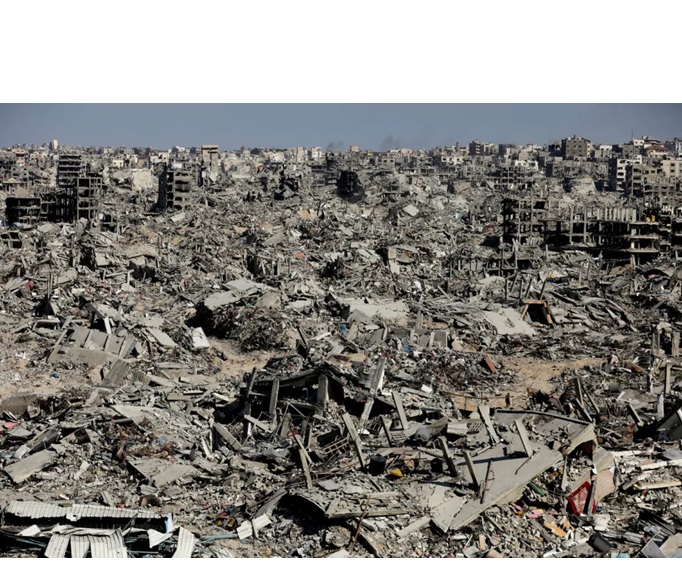
On September 23rd, the UN published a little-noticed report highlighting a barely-acknowledged facet of the 21st century Holocaust in Gaza. Namely, the Zionist entity’s genocide is wreaking a devastating environmental toll not merely on occupied Palestine, but West Asia more widely – including Israel. The damage is incalculable, with air, food sources, soil, and water widely polluted, to a fatal extent. Recovery may take decades, if at all. In the meantime, Gaza’s remaining population will suffer the cost – in many cases, with their lives.
In June 2024, the UN issued a preliminary assessment on the Gaza genocide’s “environmental impact”. It found the Zionist entity’s barbarous aggression had “exerted a profound impact” on “people in Gaza and the natural systems on which they depend.” Due to “security constraints” – namely, Israel’s continuing assault – the UN was unable “to assess the full extent of environment [sic] damage.” Nonetheless, the body was able to collate information indicating “the scale of degradation is immense,” and has “worsened significantly” since October 7th.
For example, Tel Aviv’s 21st century Holocaust has “significantly degraded water infrastructure leading to severely limited, low-quality water supply to the population.” The UN finds this “is contributing to numerous adverse health outcomes, including a continuous surge in infectious diseases.” Groundwater contamination is rampant, with catastrophic implications “for environmental and human health.” None of Gaza’s wastewater treatment facilities are operational, while “heavy destruction of piped systems, and increasing use of cesspits for sanitation, have increased contamination of the aquifer, marine and coastal areas.”
Resultantly, the genocide “has all but eliminated Gazan fishing livelihoods.” Israel’s “destruction of institutional capacity” in the sphere means “there are no effective controls of contamination in the food chain from fish supply, leading to consumption of poisonous fish” by starving Palestinians. “Marine ecosystems have clearly been contaminated with munitions, sewage and solid waste,” the UN gravely concludes. The situation demands “urgent re-installation” of the Strip’s water supply and wastewater collection capacity “to prevent further human health impacts and prevent future outbreaks of communicable diseases.”
Elsewhere, “remote sensing assessments” conducted by the UN indicate that by May, 97.1% of Gaza’s tree crops, 95.1% of its shrubland, 89% of its grass/fallow land and 82.4% of its annual crops had “been damaged.” As such, “production of food is not possible at scale,” and “soil has been contaminated by munitions, solid waste and untreated sewage.” The UN concludes the Zionist entity’s “military activity” has resulted in the “degradation of soils through loss of vegetation and compaction,” with disastrous results.
The Gaza genocide’s consequences reverberate in Israel itself. Tel Aviv’s Health Ministry calculates that in 2023 alone, pollution produced by Benjamin Netanyahu’s blitzkrieg caused at least 5,510 premature deaths locally. Given the Zionist entity’s industrial-scale carnage – primarily inflicted via air – subsequently intensified to unprecedented levels, we can only speculate how much the situation has worsened today. Israeli officials were hesitant to release the 2023 report, and more recent figures are unavailable. The rationale for this omertà is obvious.
‘Safe Movement’
The UN report details how destruction in Gaza “is extensive”, with an estimated 78% of the Strip’s “total structures destroyed or damaged,” including homes, hospitals, mosques and schools. Locally, debris “is now 20 times greater than the combined total debris generated by all previous conflicts in Gaza since 2008.” Current estimates suggest “more than 61 million tons of debris will require clearing, sorting and recycling or disposal.” Much of this detritus “is contaminated with asbestos, and industrial chemicals.”
Littered throughout the rubble will be untold human remains, recovery of which naturally requires “sensitivity”. In the meantime, surviving Gazans must endure “significant volumes of dust” created by Zionist entity bombing and demolition, which have “contributed to increased cases of respiratory infection,” with over 37,000 cases reported in June 2025 alone. Unexploded ordnance also poses a high risk in urban areas, with safe removal necessary “to mitigate risks of future explosion, damage, traumatic injuries and loss of life.”
The UN nonetheless acknowledges its findings significantly underrate the true situation on-the-ground, as “limited data is available on air quality, due to minimal air-quality monitoring” locally. Still, “known challenges” include “pollution from explosions and resultant fires during bombing campaigns, and emissions from explosions of munitions and resultant fires in bombed structures, including industrial facilities, which will also have likely released toxic chemicals into the air.” Moreover, the “repetitive nature” of Israel’s attacks “will likely have a cumulative impact on the environment” in Gaza:…………………………………………………………………………………………………………..
Presently, the amount of deadly chemicals and dust released into the local atmospheres of Iran and Lebanon due to Israel’s indiscriminate savagery cannot be quantified. However, history shows the impact of such offensives is enduringly lethal. NATO’s illegal 78-day-long bombing of Yugoslavia in 1999 primarily targeted civilian and industrial sites. A subsequent Council of Europe report concluded over 100 toxic substances circulated widely throughout the region due to the campaign. Not coincidentally, the former Yugoslavia ranks highly in global cancer rates today.
Perversely, even if the Zionist entity was to uphold its brittle ceasefires with Beirut and Tehran, and cease annihilating Palestinians, Tel Aviv’s genocide would continue apace – invisibly, through the putrified air civilians breathe, food they eat, and water they drink. Yet, in a bitter twist, the environmentally ruinous legacy of Tel Aviv’s deranged bloodlust has rendered Benjamin Netanyahu’s ultimate goal of eradicating Gaza to make way for Greater Israel null and void. Any Zionist settlement of the area would be literally suicidal. https://www.kitklarenberg.com/p/israels-untold-environmental-genocide
Russia to Raise Cold War Nuclear Submarines From Arctic—What’s Hiding on the Seabed?
Ivan Khomenko, Oct 20, 2025 , https://united24media.com/latest-news/russia-to-raise-cold-war-nuclear-submarines-from-arctic-whats-hiding-on-the-seabed-12644
Russia plans to begin preparations in 2026 for raising two Soviet-era nuclear submarines that sank in Arctic waters, according to RBC on October 18. The recovery work itself is scheduled to start in 2027.
As RBC reported, the draft federal budget for 2026 and the planned period of 2027–2028 includes allocations for rehabilitating Arctic sea areas contaminated by sunken or submerged radiation-hazardous objects.
These activities are part of Russia’s state program Development of the Atomic Energy and Industrial Complex.
According to the explanatory note cited by RBC, the section titled “Safe Handling of Federal Radioactive Waste and Decommissioning of Nuclear and Radiation-Hazardous Legacy Facilities” earmarks 10.5 billion rubles for 2026, 10.7 billion for 2027, and 10.6 billion for 2028.
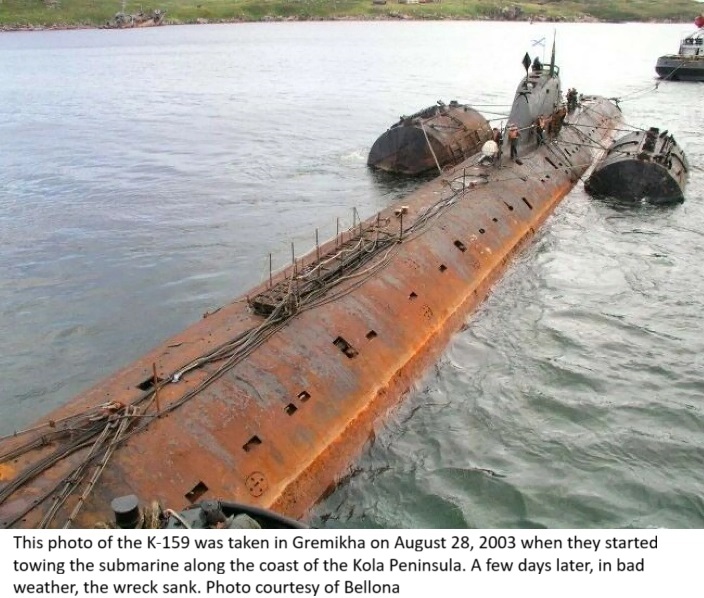
The project reportedly focuses on two of the seven sunken Soviet nuclear submarines—K-27 and K-159.
K-27, introduced in 1963, was an experimental submarine equipped with liquid-metal cooled reactors using a lead-bismuth alloy. In 1968, during its third voyage, a reactor accident exposed more than 140 crew members to radiation, killing nine.
The vessel was scuttled in the Kara Sea in 1981 and now lies at a depth of about 75 meters.
K-159 entered service the same year as K-27 and remained operational until 1989. It sank in 2003 in the Barents Sea while being towed for dismantling near Kildin Island, resulting in the deaths of nine crew members. The wreck rests at approximately 250 meters.
Plans to lift these submarines have been discussed for more than a decade but were repeatedly postponed due to the lack of specialized equipment, qualified personnel, and safety concerns. In 2021, Rosatom estimated that raising the vessels would cost around 24.4 billion rubles.
The renewed inclusion of the project in Russia’s 2026 budget marks the first concrete step since 2012 toward removing the radioactive wrecks from the Arctic seabed, though the exact reasons for the timing remain unclear, RBC noted.
Earlier in October, Russia’s Novorossiysk submarine—armed with Kalibr cruise missiles—was forced to abandon its Mediterranean mission and return to Saint Petersburg after a fuel leak disabled its underwater capability.
The incident highlighted Russia’s growing naval limitations following the loss of its Syrian logistics hub in Tartus and Turkey’s blockade of the Bosphorus Strait.
Coral die-off marks Earth’s first climate ‘tipping point’, scientists say.
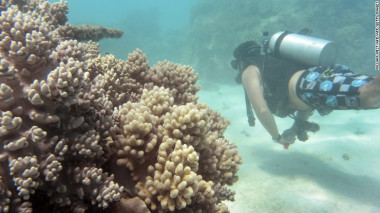
A surge in global temperatures has caused widespread bleaching and death of warm-water corals around the world.
By Jeff Tollefson, Nature 12th Oct 2025
Surging temperatures worldwide have pushed coral reef ecosystems into a state of widespread decline, marking the first time the planet has reached a climate ‘tipping point’, researchers announced today.
They also say that without rapid action to curb greenhouse-gas emissions, other systems on Earth will also soon reach planetary tipping points, thresholds for profound changes that cannot be rolled back.
“We can no longer talk about tipping points as a future risk,” says Steve Smith, a social scientist at the University of Exeter, UK, and a lead author on a report released today about how close Earth is to reaching roughly 20 planetary tipping points. “This is our new reality.”
Temperature spike
Led by Smith and other scientists at the University of Exeter, the report assesses the risk of breaching tipping points such as ice-sheet collapse, rising seas and dieback of the Amazon rainforest. It also discusses progress towards various positive tipping points focused on social and economic change, such as the adoption of clean energy.
The group’s first such assessment, released less than two years ago, raised alarms but did not officially declare that any climate tipping points had been reached. In the past few years, however, global temperatures have surged, sparking concerns among some scientists that global warming is accelerating and could lead to even more widespread impacts in the coming decades than the changes that have already been recorded.
The impact on coral reefs has been particularly severe in the past two years , pushing these ecosystems to their tipping point, the researchers say. The warming waters have caused corals across the globe to bleach, a process that occurs when the organisms expel the symbiotic algae that provide them with nutrients, oxygen and vibrant colours. The fourth global bleaching event in the past few decades began in January 2023, and researchers estimate that it has affected more than 84% of the planet’s coral ecosystems.
The initial tipping-point report talked about large-scale threats to corals in the future tense, but the latest global bleaching event has made it clear that the crisis is now, says Michael Studivan, a coral ecologist at the University of Miami in Florida………………………………………
https://www.nature.com/articles/d41586-025-03316-w
1 This Month

of the week – Shut Down Drone Warfare!


Tell the Ukrainian Government to Drop Prosecution of Peace Activist Yurii Sheliazhenko

Petition to revoke the licensing of the Near Surface Nuclear Disposal Facility (NSDF) at Chalk River. https://www.ourcommons.ca/petitions/en/Petition/Details?Petition=e-7247
To see nuclear-related stories in greater depth and intensity – go to https://nuclearinformation.wordpress.com
-
Archives
- April 2026 (64)
- March 2026 (251)
- February 2026 (268)
- January 2026 (308)
- December 2025 (358)
- November 2025 (359)
- October 2025 (376)
- September 2025 (257)
- August 2025 (319)
- July 2025 (230)
- June 2025 (348)
- May 2025 (261)
-
Categories
- 1
- 1 NUCLEAR ISSUES
- business and costs
- climate change
- culture and arts
- ENERGY
- environment
- health
- history
- indigenous issues
- Legal
- marketing of nuclear
- media
- opposition to nuclear
- PERSONAL STORIES
- politics
- politics international
- Religion and ethics
- safety
- secrets,lies and civil liberties
- spinbuster
- technology
- Uranium
- wastes
- weapons and war
- Women
- 2 WORLD
- ACTION
- AFRICA
- Atrocities
- AUSTRALIA
- Christina's notes
- Christina's themes
- culture and arts
- Events
- Fuk 2022
- Fuk 2023
- Fukushima 2017
- Fukushima 2018
- fukushima 2019
- Fukushima 2020
- Fukushima 2021
- general
- global warming
- Humour (God we need it)
- Nuclear
- RARE EARTHS
- Reference
- resources – print
- Resources -audiovicual
- Weekly Newsletter
- World
- World Nuclear
- YouTube
-
RSS
Entries RSS
Comments RSS
 nuclear-news