Frozen fallout: radioactive dust from accidents and weapons testing accumulates on glaciers.
Physics World, 20 Jun 2023 James Dacey
Glacier surfaces in certain parts of the world contain concerning amounts of toxic radioactive materials, a result of weapons testing and nuclear accidents such as the Chernobyl disaster in 1986. Fallout radionuclides accumulate within cryoconite – a granular sediment found in holes on glacier surfaces – and there is a risk of this material entering local ecosystems as glaciers melt due to climate change. Glaciologists and ecologists say this poses urgent questions. What regions are at highest risk? How diluted is the nuclear material entering proglacial zones? What impact might that have on organisms?…..
Fukushima Nuclear Power Plant starts 3rd round of wastewater release, potentially impacting seafood quality in U.S.
The Daily Universe, Belle Lewis, November 14, 2023
The Fukushima-Dachii nuclear plant started its third release of nuclear wastewater on Nov. 2 as scientists warn that seafood products from the Pacific Ocean could be contaminated.
Although the International Atomic Energy Agency approved the 30-year water release plan, scientists and civilians in nations bordering the Pacific Ocean have questioned the safety of the plan, especially as it relates to seafood.
In a press release approving of the plan, the IAEA stated, “the discharges of the treated water would have a negligible radiological impact to people and the environment.”
Paul Dorfman, member of the Irish Government Environmental Protection Agency Radiation Protection Advisory Committee and chair of Nuclear Consulting Group, explained that some scientists have questioned IAEA’s approval of the water release.
“I and others are concerned by IAEA’s attitude,” Dorfman said. “Normally even low levels of radioactive pollution will find its way into local seafood, one way or another.”
In 2020, Japan exported 332,926 kilograms of frozen scallops to the U.S. Japan exports many fish products to the U.S.
Samantha Valeriano, a psychology student from Hawaii, said she eats seafood about once a week. She does not often think about where her food comes from but wants to be more cautious following the nuclear water release.
“I think I would be a little more cautious of what I ate, checking labels a little bit more,” Valeriano said. “I would be conscious of what I ate and where it came from.”
As the People’s Republic of China has imposed bans of Japanese fish exports, the U.S. has supported the Japanese market by increasing fish purchases.
In a press release, the United States Embassy and Consulate in Japan explained that military bases in Japan will carry Japanese seafood as a way to buoy up seafood markets and undermine the PRC’s ban.
“United States elected representatives and senior government officials have stood in solidarity with Japan during this baseless ban,” the statement said. “Another step to help provide additional sales to counter the ban was to start selling Japanese seafood at the U.S. military facilities in Japan, both through the commissaries and mess halls.”
According to the statement, government officials like former speaker Kevin McCarthy ate seafood from Japan as a testament to Japan’s safety standards.
However, other U.S. agencies, like the National Association of Marine Laboratories question whether accurate research was conducted by the IAEA and Japanese Government to determine safety of seafood products.
They explain that the lack of data on potential health impacts is a cause for serious concern.
“Many of the radionuclides contained in the accumulated waste cooling water have half-lives ranging from decades to centuries, and their deleterious effects range from DNA damage and cellular stress to elevated cancer risks in people who eat affected marine organisms, such as clams, oysters, crabs, lobster, shrimp and fish,” the statement reads.
Eve Nagareda, medical laboratory science major from Hawaii, shared she wants to avoid seafood from dumping grounds even if levels are considered safe.
“I think I would try to go as far as possible from it,” Nagareda said…………………………………………………………………………..
On Sep. 8, the IAEA conducted seawater sampling off the Japanese Coast. They recorded Tritium levels below the internationally mandated limit of 1,500 bequerels per liter.
Dorfman explained that below-accepted tritium levels does not mean that the ALPS is functioning properly.
“The Japan government and IAEA say that the treatment is sufficient, and levels of radiation, especially tritium, in the water releases are low.” Dorfman said. “However, others note that the treatment process has already failed once before, and may let through a series of radioisotopes, not only tritium.”
A pre-publication scientific paper found that radionucleotides from the Fukushima plant will distribute globally and penetrate into the deep ocean. The highest concentration of these particles would be along the eastern coast of Japan.
This paper contradicts assertions made by the IAEA that once the water is dumped into the Pacific Ocean, the particles will dilute.
Radiation experts often say that “dilution isn’t the solution to pollution,” according to Dorfman.
Why release the water?
After the water is released, the land the tanks occupy will be available for the Japanese government to build facilities to fully decommission the Fukushima-Daiichi Plant.
In the greater scheme of things, it has to be said that the main issue at Fukushima remains the almost impossible task of trying to extract the nearly 880 tonnes of highly radioactive nuclear fuel that have melted in three of the plant’s six reactors,” Dorfman said.
According to Dorfman, decommissioning is far off.
“We are a very very long way away from decommissioning Fukushima,” Dorfman said. “At the moment, there are no feasible plans to do so.”
What is the future of nuclear energy?
As the Fukushima nuclear water release continues its third phase and looks toward its 30-year release plan, scientists like Dorfman consider the overall effectiveness of nuclear power and its potential risks.
“The weight of evidence shows that due to the pace, scale and economics of the renewable evolution, all nuclear can do is make promises it just can’t keep,” Dorfman said.
Dorfman continued to explain how renewable energy will outstrip nuclear soon.
“Nuclear is quite simply just marginal,” Dorfman said. “In terms of cost, time, and do-ability — it’s renewable expansion in all sectors, energy efficiency and management, rapidly advancing storage technologies, grid modernization, interconnection and market innovation from supply to service provision that will power the global net-zero energy transition.”
As Nuclear wastewater disposal continues, organizations like the IAEA and NAML continue to debate the potential health impacts. https://universe.byu.edu/2023/11/14/fukushima-nuclear-power-plant-starts-third-round-of-wastewater-release-potentially-impacting-seafood-quality-in-u-s/
Collective calls on Pacific leaders to oppose Fukushima nuclear wastewater discharge
The Pacific Collective on Nuclear Issues has denounced once again the dumping of radioactive wastewater from the damaged Fukushima nuclear power plant into the Pacific Ocean, calling on Pacific leaders to suspend Japan’s status as a Pacific Islands Forum (PIF) dialogue partner.
The Collective, composed of civil society groups, non-governmental organizations and movements in the Pacific, issued a statement this week, during which the 52nd Pacific Islands Forum Leaders Meeting was held in the Cook Islands.
The statement condemned the Japanese government and the facility operator, Tokyo Electric Power Company (TEPCO), for insisting on this flawed and dangerous course of action.
“The findings of the independent panel of scientific experts commissioned by the Pacific Islands Forum were unequivocal – the data provided so far, to support Japan’s claim that the treated wastewater is safe, is inconsistent, unsound and therefore far from reliable,” the statement said, adding that “if the Japanese government and TEPCO believe the radioactive wastewater is safe, they should be prepared to safely dispose of it within terrestrial Japan.”
The Collective also declared that such dumping into the Pacific Ocean is a direct violation of human rights.
Aside from being a brazen violation of international law, the Collective said, Japan’s behavior and handling of this matter is an affront to the very sovereignty of Pacific states and unbecoming of a dialogue partner of the PIF.
Founded in 1971, the PIF is the region’s premier political and economic policy organization which comprises 18 members.
The Collective called on the Pacific leaders to reaffirm the long-held position of the Pacific to keep their region nuclear-free and to review diplomatic relations with Japan at the next Pacific Islands Forum Leaders Meeting in 2024.
They also called on the international community not to turn a blind eye to the threat that dumping radioactive wastewater into the Pacific Ocean poses to Pacific peoples, their livelihoods, safety, health and well-being.
Japan conducted the third round of release of nuclear-contaminated wastewater from the crippled Fukushima Daiichi Nuclear Power Plant into the Pacific Ocean earlier this month, despite numerous and repeated objections by governments and communities, environmental groups, NGOs, and anti-nuclear movements in Japan and the Pacific
Pacific island nations express concern over Fukushima water release
Japan Times, AVARUA, COOK ISLANDS – 11 Nov 23
Leaders of Pacific island nations expressed strong concerns over the release of treated radioactive water from Japan’s wrecked Fukushima No. 1 nuclear plant into the Pacific Ocean during a regional summit, according to Cook Islands Prime Minister Mark Brown.
Brown, who currently chairs the Pacific Islands Forum, said Thursday there were “strong concerns” raised by “our forum leaders for the significance of potential threats of contamination to the health and security of the blue Pacific.”
The bloc’s 18 members have expressed differing views on the treated wastewater discharge from the Fukushima No. 1 nuclear power plant, which began in late August, after extensive dialogue between the member states and Japan………………………………………………….
The leaders’ meeting began in the Cook Islands Monday, with the main talks taking place Wednesday and Thursday on Rarotonga, the country’s most populous island, and Aitutaki.
The Pacific Islands Forum comprises Australia, the Cook Islands, Micronesia, Fiji, French Polynesia, Kiribati, the Marshall Islands, Nauru, New Caledonia, New Zealand, Niue, Palau, Papua New Guinea, Samoa, the Solomon Islands, Tonga, Tuvalu and Vanuatu. https://www.japantimes.co.jp/news/2023/11/11/japan/politics/japan-pacific-island-nations-fukushima-water-release/
Accident proves Japan’s toxic water plan dubious
By LI YANG 2023-11-06 https://www.chinadaily.com.cn/a/202311/06/WS65483427a31090682a5ec88b.html
Despite the strong opposition at home and abroad, Tokyo Electric Power Company, the owner of the Fukushima Daiichi nuclear power plant which was damaged in the 2011 earthquake-generated tsunami, started the third release of the radioactive water from the plant into the sea on Nov 2.
The release will continue until Nov 20, with TEPCO planning to dump about 7,800 tons of the nuclear-contaminated water into the sea this time. The company claims the wastewater to be discharged has limited concentration of radioactive tritium. But the radioactive waste sputtering accident that happened last week raises doubts on the credibility of TEPCO’s claim.
As TEPCO itself said, five workers “accidentally” came in contact with the radioactive “fluid” while cleaning the pipelines used to “detoxify “the nuclear-contaminated water at the Fukushima plant on Oct 25, and two of them, after being “decontaminated” for treatment, will be kept under medical observation.
Although, according to the company, a doctor said the possibility of both men sustaining burns due to radiation exposure was low, the radiation levels in the bodies of the two men did not fall below the standard threshold of 4 becquerels per square centimeter despite the initial treatment at the plant.
The accident exposes the ineffectiveness of the so-called Advanced Liquid Processing System the company uses to treat the radioactive water accumulated at the plant. Also, TEPCO has not explained why and how “the hose used to drain waste liquid containing radioactive substances into a tank became detached” while the workers “were washing (the processing facilities) by pouring nitric acid into the piping”.
The Japanese government claims the ALPS is reliable, and the water obtained after being treated using the ALPS is safe enough to “drink”.So it should explain how only about 100 milliliters of the “fluid” was enough to cause such a serious accident.
It also needs to answer the public’s query that since four of the five workers “were wearing protective gear and full-face masks, which prevented ingestion of the fluid”, how could the “fluid” splash and burn the “lower body and both arms” of one of them, and why the other worker whose “entire body was found to be exposed”, was allowed to do the dangerous work without wearing any protective gear?
The accident shows Japan’s claim of the radioactive water being “safe” to be released into the sea is questionable, and the risks associated with the disposal process of the radioactive water should not be underestimated. #nuclear #antinuclear #nuclearfree #NoNukes
Dounreay: New two radioactive particles found at Sandside beach
Two new radioactive particles have been found at Sandside beach near
Dounreay. The discoveries, reported this week, were found on September 27
and October 16, and are categorised as “minor”. The depth of the
earlier find could not be ascertained due to tides, but the more recent
particle was at a depth of 8cm. The total number of finds at Sandside in
2023 now stands at five. Dounreay says that “an important part of the work
to close down Dounreay is to address the legacy of radioactive particles in
the marine environment around the site”.
John O’Groat Journal 1st Nov 2023
https://www.johnogroat-journal.co.uk/news/dounreay-new-two-radioactive-particles-found-at-sandside-be-331553/ #nuclear #antinuclear #nuclearfree #NoNukes #radiation
Taiwan Cabinet officials clarify that nuclear power is not “green”
BY GIORGIO LEALI, OCTOBER 31, 2023 https://en.rti.org.tw/news/view/id/2010213
A Cabinet spokesperson on Wednesday said that nuclear power does not qualify as “green energy”, despite recent comments made by Premier Chen Chien-jen (陳建仁). Cabinet Spokesperson Lin Tze-luen (林子倫) was responding to Chen’s comments in the legislature the previous day.
During questions from legislators on Tuesday, Chen said that nuclear energy is green energy, but that the issue of nuclear waste disposal must also be taken into account. Lin says that several people including Chen himself and Economic Minister Wang Mei-hua (王美花) have all made clarifying comments. Wang in her comments said that although nuclear power generates very few emissions, that does not necessarily define it as “green”. She says that is why international environmental organizations such as RE100 do not list nuclear energy as green.
Lin says that some media reports did not faithfully report the full context of the premier’s comments, which could be misleading. He adds a nuclear-free Taiwan remains the national consensus and that the government’s position has not changed. He says the government continues to move ahead with its four goals of reducing coal, increasing gas, developing green energy, and denuclearizing. He adds that the government will also continue working toward the goal of net-zero carbon emissions by the year 2050. #nuclear #antinuclear #nuclearfree #NoNukes
Mechanism for toxic radioactive water release sought

“What I find problematic is that TEPCO, the Japanese government and the IAEA are not addressing the long-term environmental impacts and the accumulation in the environment resulting from individual data. In the case of long-term releases, there is a concern about accumulation in the marine environment and concentration through the ecosystem, but this aspect is not being adequately evaluated.”
By JIANG XUEQING in Tokyo 2023-10-24 https://global.chinadaily.com.cn/a/202310/24/WS65372116a31090682a5ea51d.htmll
Experts urge long-term intl monitoring and participation of all stakeholders
Experts call for the establishment of a long-term international monitoring mechanism with substantive participation from stakeholders, as Japan and the International Atomic Energy Agency are both criticized for not addressing the long-term environmental impacts of the dumping of nuclear-contaminated water into the sea.
The IAEA is sending its team to Japan to continue its safety review of the release from the crippled Fukushima Daiichi Nuclear Power Plant.
Starting Tuesday, the IAEA will conduct a safety review of the activities carried out at the Fukushima plant to make sure these activities are consistent with the international safety standards, said Lydie Evrard, IAEA deputy director-general and head of the agency’s department of nuclear safety and security.
A report on the review is expected to be finalized by the end of 2023, she told a news conference in Tokyo on Monday.
Chinese Foreign Ministry spokesman Wang Wenbin on Oct 11 said the collection of marine samples near Fukushima, analysis by laboratories and comparison of those samples were carried out by the IAEA Secretariat under its bilateral arrangement with Japan. Therefore, he said, it falls short of an international monitoring arrangement with the full and substantive participation of all stakeholders.
“The international community requires the immediate establishment of an international monitoring arrangement with substantive participation of all stakeholders, including Japan’s neighboring countries, that will stay effective for the long haul,” Wang said, urging the IAEA to play its due role and take the responsibility of providing rigorous supervision on Japan’s discharge.
The key issue is how to establish an international monitoring mechanism for the real-time and long-term effective management of nuclear-contaminated water being discharged, said Zhang Yulai, vice-president of the Japan Institute of Nankai University.
Major challenge
“Information disclosure is a major challenge because the Japanese government and TEPCO share common interests, making genuine monitoring difficult,” he said.
There are also technical challenges, as certain radionuclides that the Advanced Liquid Processing System cannot remove still exist, he said.
Fukushima plant operator TEPCO announced pre-discharge test results on Thursday, showing that the third batch of nuclear-contaminated water to be released during Japan’s next round of ocean discharge contains seven radionuclides, namely tritium, carbon-14, cobalt-60, strontium-90, yttrium-90, iodine-129 and cesium-137. Among them, strontium-90 and yttrium-90 were not detectable before the second round of discharge.
The measured quantity of strontium is relatively low, but given its 29-year half-life, it will persist in the environment to a certain extent. Strontium is a significant radionuclide that tends to accumulate in bones when ingested by fish or humans, said Hideyuki Ban, a renowned Japanese nuclear expert and co-director of the Tokyo-based Citizens’ Nuclear Information Center.
“What concerns me is the lack of information about the measurement times and methods. I believe that rapid measurements may lack precision,” Ban said.
“What I find problematic is that TEPCO, the Japanese government and the IAEA are not addressing the long-term environmental impacts and the accumulation in the environment resulting from individual data. In the case of long-term releases, there is a concern about accumulation in the marine environment and concentration through the ecosystem, but this aspect is not being adequately evaluated.”
Many Japanese said they do not believe the data disclosed by TEPCO and the Japanese government.
Chiyo Oda, co-director of KOREUMI, also known as the Citizens’ Conference to Condemn Further Pollution of the Ocean, said those who have experienced the nuclear disaster have developed distrust in the government and TEPCO.
The promise not to release the water without first understanding the concerns of fishermen and citizens, as stated just before the release, has been disregarded. Though they have announced monitoring results immediately after the release, the data is not trustworthy, Oda said.
“It is evident that the marine environment will be contaminated over a long period of time, and there is potential for long-term impacts on human health,” she said. #nuclear #antinuclear #nuclearfree #NoNukes
Decontaminating Fukushima: have the billions spent been worth it?
The Conversation, Jim Smith, Professor of Environmental Science, University of Portsmouth, October 24, 2023
The Chernobyl and (to a lesser extent) Fukushima nuclear accidents contaminated large areas of land with low-level radioactivity. After both accidents, huge efforts were taken to decontaminate the affected areas.
But a recent study at Fukushima raises doubts about whether these decontamination efforts were worthwhile. Less than one-third of the population has returned to the evacuated zones and extensive areas of forest in the region remain contaminated.
Following the accident at Fukushima Daiichi in 2011, approximately 1,100 square kilometres were evacuated, resulting in the relocation of more than 100,000 people from their homes. A contaminated area about eight times larger remained inhabited, albeit subject to continuous radiation monitoring.
The dominant source of radiation exposure for people stemmed from gamma rays emitted by contaminated soils, pavements, roads and buildings. The objective of the decontamination operation was to ensure that the general public received an annual dose from Fukushima’s radioactivity of less than 1,000 microsieverts (µSv) above the natural background level. The average natural radiation dose in Japan stands at 2,200 µSv per year.
Radiocaesium, which is the most important long-lived radioactive element emitted by the accident in terms of radiation dose, adheres to soil particles very strongly. Consequently, the decontamination of agricultural land primarily involved removing the top 5cm of soil. In urban areas, decontamination efforts entailed the removal of topsoil from sports fields, as well as sandblasting or pressure washing hard surfaces, and pressure washing drains and gutters.
These efforts reduced doses by about 60% in residential areas and farmland, allowing people to return to their homes in a large part of the evacuated area. This is a far cry from Chernobyl, where extensive decontamination initiatives were ultimately abandoned, leaving huge evacuated areas that remain empty to this day. But was undertaking decontamination in Fukushima worthwhile?
Costs and benefits
Decontaminating the land in Fukushima has cost tens of billions of dollars. The process has, unfortunately, also caused substantial radiation exposure for the workers involved, and has generated huge amounts of radioactive soil waste. But the question of whether to decontaminate land is complex and only partially related to scientific evidence.
On the one hand, decontamination provides reassurance that radiation is being “cleaned up” and that doses are being reduced. But it can also give the impression that low-level radiation is more dangerous than it actually is.
Dose rates were not dangerously high in many areas of Fukushima that were subject to decontamination. In fact, doses were relatively low in the first year following the accident (less than 12,000 µSv), and these levels decreased significantly in subsequent years.
These levels fall within the natural range people are exposed to from radioactivity in rocks, soils, building materials and cosmic radiation worldwide (typically between 1,000 µSv and 10,000 µSv per year, but sometimes higher).
On balance, I think the reassurance that contamination was being cleaned up was valuable in many areas where people remained living. Decontamination also allowed agricultural land to be returned to productive use more quickly. However, the process of removing topsoil had the side effect of damaging soil fertility.
Accidental rewilding
In the evacuated zone where dose rates were around ten times higher, it’s less clear that decontamination was beneficial. Only 30% of people have returned to their homes in the decontaminated part of this area and much of the land in the most contaminated so-called “difficult to return zone” remains abandoned.
A better option may have been to declare most of this zone a nature reserve and allow managed rewilding of the area. Rewilding is happening to a large extent anyway, as it has at Chernobyl. It would also have avoided decontamination workers being exposed to radiation and allowed more financial support to help people relocate.
But this is a complex decision that needs to consider the views of many stakeholders, not least the evacuated people themselves.
Fukushima’s contaminated forests
The land in and around the region’s towns and villages has generally been decontaminated effectively. However, much of the Fukushima Prefecture (71%) is covered by forest. Most of this forest remains contaminated.
The persistence of radiocaesium in ecosystems, particularly in forests, has been known for many decades. Globally, radiocaesium levels in wild foodstuffs such as mushrooms, edible plants, game animals and freshwater fish tend to be higher than those found in agricultural systems.
Wild boar in certain regions of Germany, for instance, still exhibit radicaesium levels exceeding consumption limits as a consequence of both Chernobyl and historical nuclear weapons testing. Restrictions on the consumption of forest products have lasted for decades following the Chernobyl incident. And they are expected to persist in many forested areas of Fukushima too.
Radiocaesium lingers in forests due to the prevalence of organic soils and the absence of fertiliser application. Low nutrient levels facilitate the absorption of radiocaesium by plants. This is mainly attributed to radiocaesium’s chemical similarity to potassium, a crucial plant nutrient.
Forests do pose a wildfire risk. There have been many forest fires in the vicinity of Chernobyl since the accident. But radiation doses from smoke inhalation are extremely low, even for firefighters, and the fires have not significantly redistributed radioactivity.
There are no easy answers regarding clean up after a nuclear accident. Japan has made huge and often successful efforts to reduce radiation doses and reassure people living in or returning to the affected areas. But low-level radiation remains everywhere, particularly in forests……….. https://theconversation.com/decontaminating-fukushima-have-the-billions-spent-been-worth-it-215836 #nuclear #antinuclear #nuclearfree #NoNukes.
China highlights marine radiation monitoring in draft law revision
China Daily, Xinhua 2023-10-20
BEIJING — China is considering strengthening its monitoring of radiation in the marine environment in the latest draft revision to the Marine Environment Protection Law, a spokesperson said Thursday.
Scheduled for its third deliberation at a session of the country’s top legislature in late October, the draft revision states that departments of the State Council in charge of environmental issues should set out emergency plans for radiation monitoring and organize its implementation.
The draft stresses improving the capacity of monitoring and managing the marine environment by raising the technological and informatization level, and requires efforts to enhance comprehensive, coordinated and regular monitoring, according to Yang Heqing, a spokesperson for the Legislative Affairs Commission of the National People’s Congress (NPC) Standing Committee, at a press briefing.
Pollution prevention and control in rivers flowing into the sea should also be strengthened in coordinated efforts to ensure the water quality at the mouths of the rivers meets the relevant standards, Yang said citing the draft revision
The sixth session of the 14th NPC Standing Committee will be held from Oct. 20 to 24. The NPC Standing Committee completed two readings of previous versions of the draft revision to the Marine Environment Protection Law in December last year and June……..
https://www.chinadaily.com.cn/a/202310/20/WS6531db77a31090682a5e9b28.html #nuclear #antinuclear #nuclearfree #NoNukes
Deadly radioactive dust
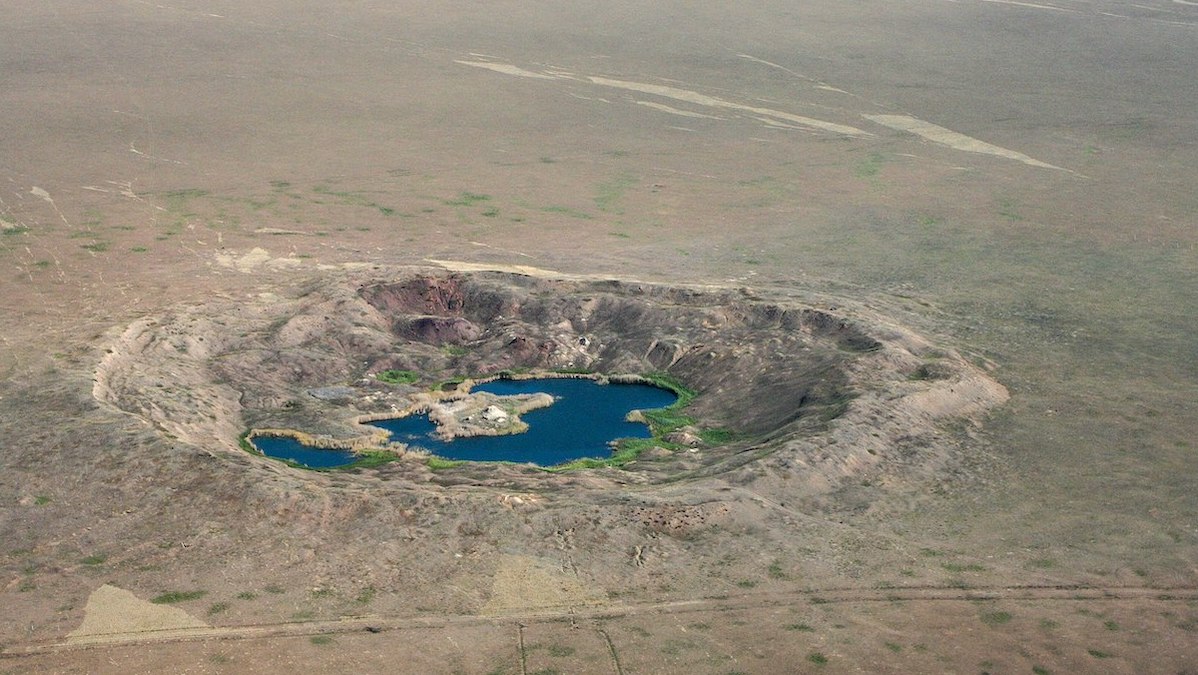
In the case of Semipalatinsk, the former Soviet Union’s nuclear testing grounds, the exposure was due to the passage of radioactive clouds. The area and the people were exposed gradually not only during the passage of the cloud but also from the subsequent contamination of the area.
by beyondnuclearinternational https://beyondnuclearinternational.org/2023/10/15/deadly-dust/
A look at the studies of professor Masaharu Hoshi. From Impact
The risks of radiation exposure are better understood today thanks to researchers dedicated to working with the victims of exposure, understanding their symptoms, identifying treatments and developing safety protocols. This article looks at the work of one such researcher, Dr. Masaharu Hoshi.
Harnessing atomic particles and radiation led to powerful and world changing technologies. The field of medical imaging has saved countless lives and continues to push the boundaries of medical interventions and research, which would have been impossible without the first x-ray machines. Unfortunately, not all inventions have been so altruistic.
The advent of nuclear weapons showed the world the destructive potential possible via scientific inquiry. While the dangerous effects of radiation exposure were documented from the inception of this technology, catastrophic events like the bombing of Hiroshima and Nagasaki and nuclear disasters at Chernobyl, Semipalatinsk or Fukushima provide a real-time glimpse into the long-term effects of exposure.
Investigating the causes of this exposure in order to prevent future accidents is essential, but so too is cataloguing the rates and types of exposure among the victims. With this information, correlations between exposure and health effects, both short- and long-term, can be assessed. This data is crucial for understanding the mechanisms behind radiation effects on living creatures and in assessing risks, safety protocols and treatment. Since the 1980s, Dr Masaharu Hoshi, Professor Emeritus at Hiroshima University, has been traveling around the world, visiting the sites of nuclear disasters in an effort to fully comprehend the risks. In doing so he is also revealing that there is still much we need to learn regarding the effects of radiation exposure.
Quantifying the risks
“I started my research with the people exposed to radiation in Hiroshima and Nagasaki in the year 1980,” says Hoshi. “Before that I completed my dissertation on nuclear physics with a specialty in radiation measurement.” This graduate training positioned him to become an expert on the effects of radiation.
The work that commenced in Hiroshima and Nagasaki right after the blast showed that with higher doses of radiation, the greater the effect on the human body, in the form of symptoms like carcinogenesis. The ratio between exposure and effects is termed risk. This measure of risk is useful in treating people exposed to radiation and it can quantify how much risk individuals face depending on the dose of exposure.
Quantifying the risks
“I started my research with the people exposed to radiation in Hiroshima and Nagasaki in the year 1980,” says Hoshi. “Before that I completed my dissertation on nuclear physics with a specialty in radiation measurement.” This graduate training positioned him to become an expert on the effects of radiation.
The work that commenced in Hiroshima and Nagasaki right after the blast showed that with higher doses of radiation, the greater the effect on the human body, in the form of symptoms like carcinogenesis. The ratio between exposure and effects is termed risk. This measure of risk is useful in treating people exposed to radiation and it can quantify how much risk individuals face depending on the dose of exposure.
“This work can inform us whether a medical check-up is required every two years depending on the degree of exposure, or if hospitalization is necessary if there has been too much exposure,” explains Hoshi.
He says that the work done in Japan has informed laws regarding radiation exposure safety and protocols in countries around the world, but this is only one scenario in which a person can come into contact with the deadly rays.
“The people exposed to radiation in Hiroshima and Nagasaki from the atomic bomb were exposed to gamma rays, including a few neutrons, in a short instant,” outlines Hoshi. “From 1 microsecond to about 1 minute which is quite different from the gradual exposure of actual workers in the radiation industry.”
In the case of Semipalatinsk, the former Soviet Union’s nuclear testing grounds, the exposure was due to the passage of radioactive clouds. The area and the people were exposed gradually not only during the passage of the cloud but also from the subsequent contamination of the area. “Therefore, the risk is considered to be different from that of the atomic bomb survivors of Hiroshima and Nagasaki,” confirms Hoshi.
“Because of that, we started our study on the radiation dose and the health effects occurring in Semipalatinsk, which has been going on since 1994.”
Over the course of these studies over decades he has worked with colleagues to amass databases of over 300,000 cases of exposure and long-term follow-up. It was among these cases, spread out in different locations, that a pattern emerged, revealing yet another variable to consider during an exposure event, being radioactive microparticles.
Radiation detectives
Initially in Japan, research started on people who came to the area right after the explosion to help their families and were not the direct victims of the bombing. For these individuals the calculated radiation exposure dose was less than 10 mSv which, according to Hoshi, is usually not a problem.
“Using the Hiroshima University database of people who were exposed to the bombing incident, we found that the mortality rate was higher for those who came to the vicinity directly after the explosion and the cause for this was unknown,” he states.
Furthermore, Hoshi began to see a similar pattern of exposure and symptoms in other places. In Semipalatinsk it was called Kainal Syndrome and again there was no explanation. Many of the survivors of Chernobyl, Gulf War and Hiroshima Nagasaki who entered after the bombing also suffered from hair loss, severe malaise, which can lead to an inability to work, bleeding, diarrhea and more.
“It was then that I understood I would have to use epidemiological ideas to uncover what all of these victims had in common,” he says. Eventually, he realised that commonality was radioactive dust.
Hoshi and his team began investigating the potential for radioactive microparticles to cause internal exposure in all organs of the rats, especially in the lung. They found the effects are 20 times more dangerous than usual external exposure according to the animal experiments.
“With regards to the effects of radioactive particles, some experts have previously pointed it out,” says Hoshi. “However, since there was no supporting research, it has been ignored by public institutions.”
The effects of radiation exposure are the same for every person on the planet, no one country or group of people are immune. Furthermore, when disaster strikes it is usually not contained to one spot. Contamination of air and water can spread over vast distances, bringing with them their deadly side effects. Hoshi and his collaborators are acutely aware of this and are working hard to share their data as far and as wide as possible.
Furthermore, Hoshi stresses that due to the need for a variety of expertise, collaboration is absolutely essential.
“For example, these results are not possible without the input from reactor physicists, radiation and medical physicists, epidemiologists, thyroid specialists, pathologists, medical doctors, as well as statistics and computer database experts,” he highlights.
Hoshi is grateful for all of the hard work this diverse group has done and will continue to do for the benefit of victims and potential victims. Along with further research on progressive treatment and protection, Hoshi plans to continually develop this field. Their work will carry on studying the effects of radioactive dust and ways to protect against it as well as tackling the big problem of evaluating dose exposure from radioactive dust.
This article first appeared on impact.pub whose content is available under a creative commons license.
Dr Masaharu Hoshi is Professor Emeritus at Hiroshima University’s Peace Center. You can read his studies here and here. #nuclear #antinuclear #NuclearFree #NoNukes #NuclearPlants #radiation
Sunken Nuclear Submarine May Be Leaking Radiation Into The Ocean
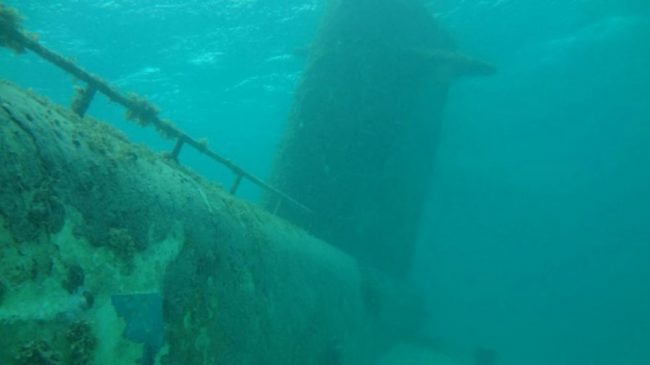
The wreckage has been resting on the seabed for over 30 years, but is it now contaminating the surrounding water?
IFL Science, DR. RUSSELL MOUL 10 Oct 23
In April 7, 1989, a Russian nuclear submarine sank off the coast of Norway after a fire broke out on board as a result of a short circuit. At the time, the sub was carrying two nuclear torpedoes which it took with it to the cold depths of the Arctic Ocean. To this day, neither the vessel nor its weapons have been recovered and, unfortunately, it seems these artifacts from the Cold War have been leaking radioactive materials ever since.
A terrible accident
The Russian K-278 Komsomolets, as the submarine was called, was a nuclear-powered attack submarine that belonged to the Soviet navy. It was commissioned in 1983 and was one of the first submarines to have a titanium hull, which allowed it to dive to much greater depths than any of her competitors – the vessel could reach depths below 914 meters (3,000 feet). The K-278 was the only one of its kind to enter into service…………………………………………………………………………
What is the legacy?
For more than 30 years, K-278 and her nuclear torpedoes have rested at the bottom of the ocean in one of the richest fishing areas in the world. In that time, the seawater has slowly corroded the vessel’s hull and the casings surrounding its nuclear warheads, which have been leaking radioactive material into the surrounding ocean.
In 2019, researchers from Norway reported that some samples taken from the water at the K-278 wreckage site had about 800,000 times higher levels of radiation than what is normal for the Norwegian Sea. The samples of radioactive cesium (cesium-137) were collected from a ventilation shaft on the sunken vessel by a Norwegian remotely
…………………….. Whether the contamination is coming from the nuclear reactor or the torpedoes remains unknown. ……………………………………………………………. https://www.iflscience.com/sunken-nuclear-submarine-may-be-leaking-radiation-into-the-ocean-71037 #nuclear #antinuclear #NuclearFree #NoNukes
How safe is the release of treated radioactive water from Fukushima plant
#nuclear #antinuclear #nuclear-free #NoNukes
5 Oct 2023Japan begins second discharge of treated nuclear water from Fukushima Japan has begun discharging a second batch of treated radioactive water from the crippled Fukushima plant into the ocean. It’s happening amid protest from countries like China, Russia and South Korea who are all concerned about the risks. Robert Jacobs from the Hiroshima Peace Institute explains with these worries are founded.
5 animal species that became radioactive after being exposed to nuclear fallout zones

Scientists believe that the long-term effects of radiation in the macaque population may have contributed to smaller heads, smaller brains, delayed growth, and anemia.
Business Insider Elias Chavez , Oct 7, 2023, #nuclear #antinuclear #nuclear-free #NoNukes
- The impact of nuclear disasters throughout history can still be seen in the environment today.
- Animals in areas near nuclear disasters are being found with radiation still in their bodies.
- Nuclear fallout spreads and impacts communities and environments near and far.
Long after the events of Chernobyl and Fukushima, their impacts are still being felt.
The animals near major nuclear events and nuclear testing sites, like Enewetak Atoll, were discovered to have radioactive elements in their bodies immediately after. But even decades later, animals near and far are still being found to have radioactive elements in their body due to the contamination of food sources.
Enewetak Atoll was the site of intense nuclear testing by the US military.
Between 1948 and 1958, the US conducted 43 nuclear tests at Enewetak Atoll, including the first test of the hydrogen bomb. Because of the nuclear testing, the lagoon surrounding the chain of islands became irradiated, as well as the sand and soil on the islands.
In 1972, the US spent $100 million in an effort to clean up the area. Clean-up crews mixed 80,000 cubic meters of contaminated soil and debris with cement that they poured into a blast crater that was 30 feet deep and 360 feet wide.
Afterward, the clean-up team constructed a dome made of 358 concrete panels to cover the radioactive material.
Sea turtles in the area by Enewetak Atoll have been found to have traces of radiation in their shells.

After the cleanup at Enewetak Atoll, turtles were found with radiation in the layers of their shells. The leading theory is that the clean-up efforts disrupted radioactive sediment in the lagoon near Enewetak Atoll and the turtles swallowed the sediment.
Chernobyl was a nuclear meltdown event in 1986, and its impacts are still being felt today.
On April 26, 1986, one of the reactors at the Chernobyl Nuclear Power Plant went out of control during a test at low power. The result was an explosion and a fire that released over 100 radioactive elements into the atmosphere.
Additionally, the uranium fuel melted through protective barriers and the absence of a protective concrete dome led to the release of radioactive elements like plutonium, iodine, strontium, and cesium……………………
Wild boars in Bavaria, Germany, are still being found with radioactive elements in their bodies.

Boars forage for mushrooms and truffles which feed off nutrients in the soil.
When nuclear tests are done, nuclear elements swell into the sky, get carried by the wind, and settle onto the ground. As mushrooms grow, they absorb radiation from that nuclear fallout from the ground.
Wild boars in Bavaria have been found to have 15,000 becquerels of radiation for every kilogram of meat. The European safety limit is 600 becquerels per kilogram.
The packs of wild dogs surrounding Chernobyl have also been impacted by the meltdown.
Over 700 dogs living near Chernobyl are believed to be descendants of the dogs left behind by people who evacuated the area after the meltdown.
Researchers have been studying mutations in the dog’s genomes and DNA as well as measuring the radiation in their bones. The dogs in Chernobyl live much shorter lives than the average dog with a lifespan of three to four years, compared to the average 10 to 12.
Reindeer as far away as Norway have also been impacted by the meltdown at Chernobyl.
Nuclear sediment from Chernobyl was carried by the wind up to Norway where it fell into the soil in rain droplets. The radiated elements were absorbed from the soil by moss and fungus.
Reindeer in the area would feed on the moss and fungus. Immediately after the fallout, they could be found with levels of more than 100,000 becquerels per kilogram.
Current radiation levels in reindeer are now below safety standards, but every now and then spikes are seen in reindeer meat that exceed 2,000 becquerels.
The 2011 Fukushima Daiichi Nuclear Power Plant disaster resulted in the evacuation of thousands and is the second-worst nuclear disaster in history……………………………………..
The Japanese macaques, also known as snow monkeys, were found to have increased levels of radiation after the Fukushima disaster.
Immediately after the Fukushima disaster, macaques were found with levels of concentrated cesium up to 13,500 becquerels per kilogram.
Because of their diet of mushrooms, tree bark, and bamboo — all food sources that absorb radioactive cesium from the ground — the macaques were more likely to be found with radioactive elements in them.
Scientists believe that the long-term effects of radiation in the macaque population may have contributed to smaller heads, smaller brains, delayed growth, and anemia.
Groups Demand DOE Environmental Impact Statement Before Agency Bails Out Palisades Zombie Reactor Restart

Beyond Nuclear, September 20, 2023 #nuclear #antinuclear #nuclear-free #NoNukes
| NEPA Requires “Major Federal Project” Hard Look, Groups Assert |
| Covert Township, MI and Washington, DC, September 20, 2023– Legal counsel for Beyond Nuclear, Don’t Waste Michigan, and Michigan Safe Energy Future, have written the Energy Secretary and the Loan Programs Office director at the U.S. Department of Energy (DOE), demanding National Environmental Policy Act (NEPA) compliance before DOE awards Holtec International a requested $1 billion risk- and interest-free nuclear loan guarantee, backed by U.S. taxpayer dollars. The billion dollar federal loan, which Holtec does not have to pay back, is the linchpin in Holtec’s reactor restart scheme, also backed by Michigan’s governor, Gretchen Whitmer, as well as the state legislature. The State of Michigan has already gifted Holtec with $150 million towards the restart, although Holtec requested twice that. The state handout is contingent on the much larger federal bailout. A Power Purchase Agreement was just announced between Holtec and rural electric co-ops in Michigan (Wolverine) and Indiana (Hoosier), although how far above market rates the co-ops’ members will be forced to pay, and for how long, has not been publicly disclosed. Citing the largesse provided by the public (which most taxpayers and ratepayers are not even aware of, let alone consent to), Holtec is pressuring the U.S. Nuclear Regulatory Commission to simply reverse legally-binding, permanent shutdown filings from June 2022. |
A coalition of hundreds of environmental groups, including more than fifty groups in Michigan, have written Energy Secretary Jennifer Granholm — herself a former governor and attorney general of the State of Michigan — several times in the past year, urging Holtec’s requests for federal bailouts to restart Palisades be rejected.
Toledo, Ohio-based attorney Terry Lodge, and Cedar Rapids, Iowa-based attorney Wally Taylor, serve as legal co-counsel for the environmental groups. They provided DOE with a litany of pathways to catastrophic reactor core meltdown at Palisades, which Energy Secretary Granholm and Loan Programs Office Director Shah have been asked by Holtec to bankroll. The severe safety risks include: the most neutron radiation-embrittled reactor pressure vessel in the country, at risk of pressurized thermal shock through-wall fracture; a reactor vessel closure head in need of replacement for more than two decades; steam generators in need of replacement for more than two decades, as well; and the worst control rod drive mechanism seal leaks in industry.
There is no indication that, even with $1.15 billion, or more, in federal and state subsidies, Holtec will fix any of those severe safety problems before restarting the long problem-plagued reactor.
Lodge and Taylor also pointed out that restarting Palisades’ more than half-century old reactor would lead to the generation of another 20 metric tons per year of highly radioactive irradiated nuclear fuel. The high-level radioactive waste stored on-site since 1971 already poses its own severe risks, including violating NRC earthquake safety regulations. Palisades’ dry cask storage is perched on the very edge of Lake Michigan, a major headwaters of the entire Great Lakes, 84% of North America’s surface fresh water, and drinking water supply to 40 million people in eight U.S. states, two Canadian provinces, and a very large number of Indigenous Nations……………………………………………. more https://beyondnuclear.org/groups-demand-doe-eis-before-bailing-out-palisades-zombie-reactor-restart/?fbclid=IwAR1qlrC0heccGG150YGtyT3F1-38m4p2TVIz0ITiuFOK0Pi-qpjc6VNUrDM
1 This Month

18 March Webinar @ 1 PM EST: An Assessment of SMR Projects: The Case of Canada
register for the zoom:
https://us02web.zoom.us/webinar/register/WN_o8BIIOUvQ2ONJR1nta65DQ#/registration

of the week – STOP SMALL MODULAR REACTORS IN CANADA
To see nuclear-related stories in greater depth and intensity – go to https://nuclearinformation.wordpress.com
-
Archives
- February 2026 (256)
- January 2026 (308)
- December 2025 (358)
- November 2025 (359)
- October 2025 (376)
- September 2025 (258)
- August 2025 (319)
- July 2025 (230)
- June 2025 (348)
- May 2025 (261)
- April 2025 (305)
- March 2025 (319)
-
Categories
- 1
- 1 NUCLEAR ISSUES
- business and costs
- climate change
- culture and arts
- ENERGY
- environment
- health
- history
- indigenous issues
- Legal
- marketing of nuclear
- media
- opposition to nuclear
- PERSONAL STORIES
- politics
- politics international
- Religion and ethics
- safety
- secrets,lies and civil liberties
- spinbuster
- technology
- Uranium
- wastes
- weapons and war
- Women
- 2 WORLD
- ACTION
- AFRICA
- Atrocities
- AUSTRALIA
- Christina's notes
- Christina's themes
- culture and arts
- Events
- Fuk 2022
- Fuk 2023
- Fukushima 2017
- Fukushima 2018
- fukushima 2019
- Fukushima 2020
- Fukushima 2021
- general
- global warming
- Humour (God we need it)
- Nuclear
- RARE EARTHS
- Reference
- resources – print
- Resources -audiovicual
- Weekly Newsletter
- World
- World Nuclear
- YouTube
-
RSS
Entries RSS
Comments RSS
 nuclear-news
