Macao SAR to suspend Japanese food import after nuclear-contaminated wastewater discharge
An official at the Municipal Affairs Bureau (IAM) of the Government of Macao Special Administrative Region (SAR) said on Tuesday that it will immediately suspend food import applications from Japan’s nine prefectures, if the country releases nuclear-contaminated wastewater into the sea.
O Lam, acting chairman of the IAM, said in an interview that import suspension will be expanded to the country’s nine “highest-risk prefectures,” including Tokyo Metropolis and Chiba prefectures.
Products to be suspended will include aquatic products, vegetables and fruits.
Fresh and live food imported from other prefectures may be asked to attach a certificate on radiation monitoring and pass inspection before entering Macao SAR, she added…………………………more https://news.cgtn.com/news/2023-06-13/Macao-to-suspend-Japanese-food-import-after-nuclear-wastewater-release-1kBLwicliP6/index.html
2
Fukushima waste-water plan a nuclear threat to Asia-Pacific
By Shaun Burnie | chinadaily.com.cn 2023-06-13 https://www.chinadaily.com.cn/a/202306/13/WS6487d3e0a31033ad3f7bbf92.html
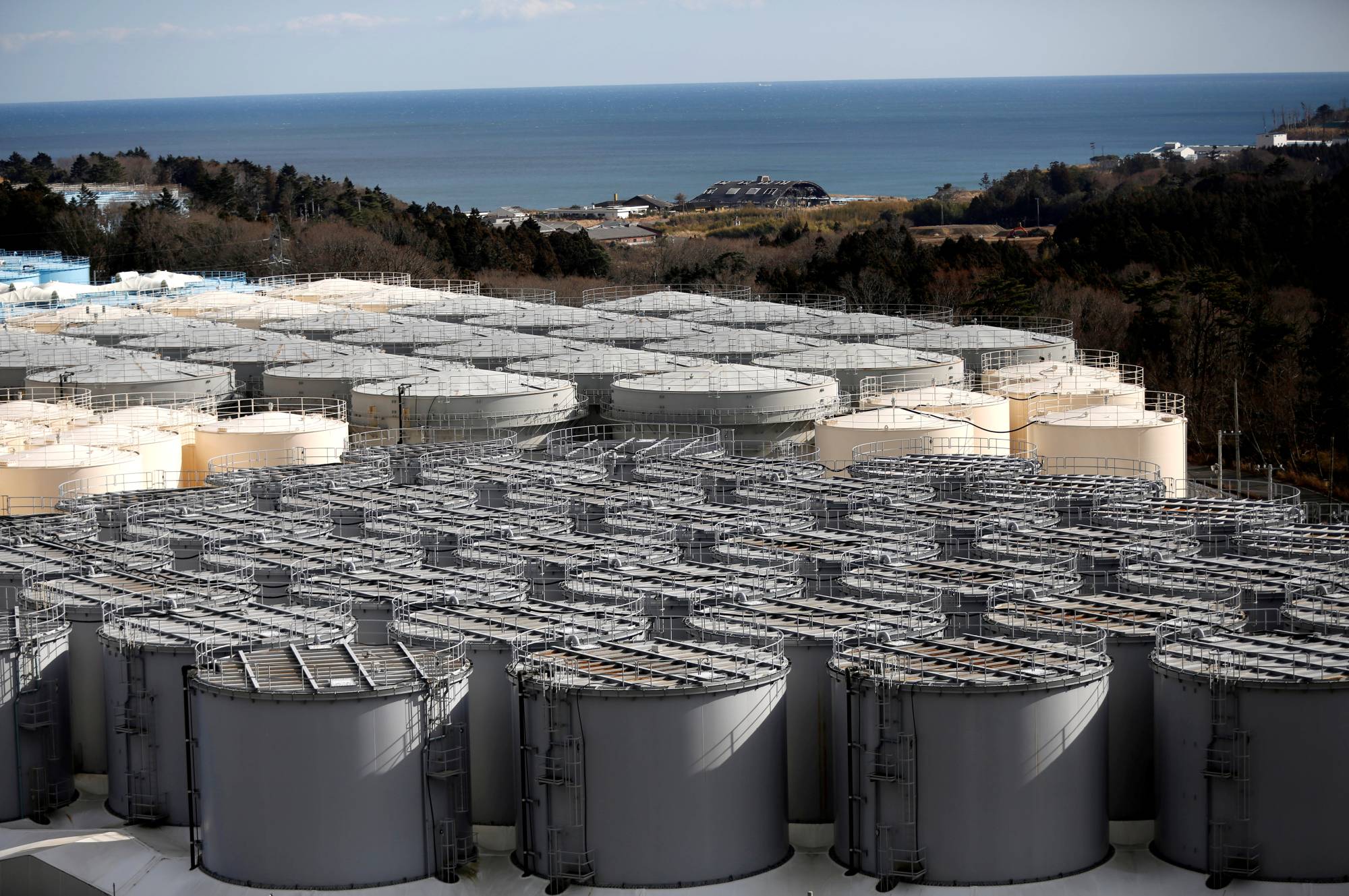
Japan has decided to start discharging radioactive wastewater from the Fukushima Daiichi nuclear power plant into the Pacific Ocean very soon. The operator of the wrecked plant began tests on Monday of newly constructed facilities for discharging treated radioactive wastewater into the sea. Many myths and untruths have been spread about the nuclear-contaminated water. For example, the Japanese government has said, that according to the International Atomic Energy Agency, the global nuclear industry and some scientists, there is nothing to worry about the effects of the radioactive wastewater.
The Japanese government also claims that nearly all the radioactive materials will be removed from the wastewater using the Advanced Liquid Processing System (ALPS) with only tritium remaining before it is released into the Pacific. It is constantly stated that tritium cannot be removed from the wastewater, but would emit very weak radiation and therefore it will have no impact on either the marine environment or human health in the Asia-Pacific region and beyond.
False claims to mislead the Japanese public
As for Tokyo Electric Power Company, the owner of the Fukushima nuclear plant, it claims discharging the wastewater is necessary due to insufficient space for more storage tanks and for it to be able to fully decommissioning the Fukushima plant between 2041 and 2051. TEPCO also says the discharges will meet regulatory standards and will be lawful.
In the real world, it is a lot worse and a lot more complicated than what TEPCO, the Japanese government and the IAEA claims. The ALPS has been a spectacular failure, with major doubts about its effectiveness. In addition to tritium, all the radioactive carbon (C-14) in the wastewater will be released into the ocean along with many other radionuclides (plutonium isotopes, iodine-129, strontium-90). But despite the Japanese government and TEPCO “planning” to keep them below the regulatory limit, they will still be significant.
There is no safety threshold for artificial radioactivity in the environment, and technology does exist to process tritium from the tanks’ water. However, TEPCO and the Japanese government do not want to spend huge amounts of money needed to do so. Tritium is indeed a low energy radioactive material but that does not mean its effect is weak; if ingested, it has the potential to damage plants, animals and humans.
Recent research published by a leading radiation biologist shows scientific literature of the past 60-plus years is clear — tritium, in particular organically bound tritium (OBT), is biologically harmful to all forms of life. The persistence, bioaccumulation and potential biomagnification and increased toxicity of OBT increases the potential impact on the environment if tritiated water is discharged on land or in the sea.
Tritium more dangerous than previously believed
None of the current regulations in Japan (or worldwide) takes into full account the nature of organic forms of tritium. That organic forms of tritium have been found to bioaccumulate in phytoplankton, the base of the marine food chain, is deeply worrying. The fact that there has been no comprehensive environmental impact assessment of these and many other issues is outrageous, and suggests there is a deliberate underestimation of the accumulation and potential toxic effect of tritium on the environment.
Equally important, the many other radioactive materials in the Fukushima wastewater have the potential to cause damage to the environment and human health. In fact, Japan has sufficient storage capacity, including in the areas around the Fukushima plant. And storing the toxic wastewater, TEPCO cannot fully decommission the reactors at Fukushima in the next 20-30 years — probably not in this century. Rather than being lawful, the release of the wastewater into the sea will violate international law, specifically the United Nations Convention on the Law of the Sea.
One reason why the untruths and myths continue to be spread is that there is a lot at stake for the Japanese government and the nuclear industry. Japan’s energy policy is dependent on restarting many nuclear reactors shut down after the 2011 Fukushima disaster. So far, nine have resumed operations — but according to government policy, Japan needs 30-plus reactors by 2030.
Public opinion in Japan has been influenced by the government’s claim that it is safe to operate these nuclear reactors and that it is possible to recover from a three-reactor meltdown without consequences for human health and the environment. Of course, it’s not.
Sweeping real issue under the carpet
TEPCO, the Japanese government or the IAEA refuses to accept that the wastewater crisis points to a deeper nuclear crisis at the Fukushima plant. And it is getting worse, because groundwater entering the plant continues to become highly contaminated, while the water in the tanks requiring ALPS processing increases.
In November 2021, based on TEPCO data, there were 1,284,284 cubic meters of contaminated ALPS water in the storage tanks, of which 832,900 cu m needed further ALPS processing. As of April 20, 2023, the total volume of radioactive wastewater stored in the tanks was 1,330,944 cu m — a 3.6 percent increase in less than 2 years.
Worse, about 70 percent or 931,600 cu m of the wastewater needs to be processed again (and probably many times again) by the ALPS to bring the radioactive concentration levels below the regulatory limit for discharge. This is an increase of nearly 12 percent in less than 2 years.
TEPCO has succeeded in reducing the concentration levels of strontium, iodine and plutonium in only 0.2 percent of the total volume of the wastewater, and it still requires further processing. But no secondary processing has taken place in the past nearly three years. Neither TEPCO nor the Japanese government nor the IAEA wants to talk about this. They have not said how many times the wastewater needs to be processed, how long it will take to do so or whether the efforts will ever be successful.
Problems not new but none solved in 5 years
Greenpeace wrote about these problems and why the ALPS failed nearly five years ago; none of those issues has been resolved. Also, there is a high possibility of the ALPS failing in the future.
To proceed with their discharge plan, the Japanese government and TEPCO have been creating a false impression on the public that significant progress has been made in decommissioning the Fukushima plant. But fact is, the source of the problem — the highly radioactive fuel debris in reactor pressure vessels 1, 2 and 3 — continues to contaminate groundwater. Nearly 1000 cu m of water becomes highly contaminated every 10 days. So until the nuclear fuel is isolated from the environment, contaminated groundwater, potentially hundreds of thousands of cubic meters, will continue to accumulate.
While the Fukushima plant, after being destroyed by the earthquake-triggered tsunami in March 2011, released large amounts of radioactive particles into the environment, most of the radioactive inventory remains inside the melted fuel. As such, the damaged Fukushima plant on the edge of ocean is a long-term radioactive threat to the environment, including the marine environment. And this threat will be aggravated once Japan begins dumping the toxic water into the ocean.
TEPCO, the Japanese government and the IAEA refuse to acknowledge the fact that the decommissioning plan for the Fukushima plant is not attainable, and that they must embark on a comprehensive reassessment of the plan.
Crisis compounded by damage to reactor
The nuclear crisis in Fukushima is compounded by the damage to the reactors, in particular unit 1. The rapid meltdown of the nuclear fuel in March 2011 severely damaged the large concrete block the 440-ton reactor pressure vessel sits on. One of the agencies responsible for its decommissioning has recently demanded that TEPCO work out immediate countermeasures to prevent the possible collapse of the reactor. But with very high radiation levels inside the plant, it’s not clear whether any countermeasures are possible.
Building a very large containment structure covering the reactor buildings, like it was done at the Chernobyl plant in Ukraine after the nuclear disaster in 1986, is probably the only way to prevent highly radioactive dust entering the lower atmosphere in the event of a future collapse. But such a “solution” is not a currently an option for the Japanese government or the nuclear industry, as it would send the wrong message that the decommissioning process is not going according to plan.
There is no scientific, legal or moral justification for Japan to deliberately contaminate our shared and common marine environment. And concerned citizens, scientists, maritime lawyers, the fishing communities across the Asia-Pacific and the world’s leading oceanography universities and institutes have spread public awareness about the nuclear dangers, something that has rarely been done before.
There is a very strong legal case for challenging Japan’s decision to dump the wastewater into the sea but doing so is a major undertaking. For many reasons, no state or group of states may take up the challenge through UNCLOS this year. But since the environmental threat from the Fukushima plant will only intensify, future legal action should not be ruled out.
At a time when our oceans are under so many multiple threats, including from melting glaciers and related climate emergencies, overfishing and biodiversity loss and plastic pollution — there is no reason why Japan should be allowed to dump the radioactive water into the sea.
Greenpeace has been campaigning for protection for our oceans from radioactive contamination since the 1970s. And the most important thing I have learned in my 30 years with Greenpeace is that positive change is possible even if it does not often happen as early as it should but it can happen and people must never give up their efforts or hope.
The author is a senior nuclear specialist with Greenpeace East Asia and has worked in Japan and wider Asia for over 30 years.
Despite scientific evidence and public opposition, Japan to test ocean nuclear wastewater discharge on June 12
CGTN, 11 June 23
Japan plans to start sending seawater in an underwater tunnel built to release nuclear-contaminated water into the ocean from the Fukushima Daiichi nuclear power plant on June 12, local media reported on Friday citing news from the plant’s operator, Tokyo Electric Power Company (TEPCO).
According to TEPCO, the tunnel has been filled with about 6,000 tonnes of seawater this week for a two-week test before releasing the nuclear-contaminated water from the plant to a point about one kilometer offshore.
Japan is likely to officially begin its plan to dump the nuclear-contaminated wastewater into the ocean as early as the beginning of July. So far, the implementation of Japan’s plan still needs to await the outcome of the International Atomic Energy Agency’s (IAEA) meeting in late June.
However, the content of Cs-137 (a radioactive element that is a common byproduct in nuclear reactors) in the marine fish caught in the harbor of the Fukushima Daiichi Nuclear Power Plant is 180 times that of the standard maximum stipulated in Japan’s food safety law, according to a statement released by the Chinese embassy in Japan on Monday, referring to data from a report released by TEPCO.
It also pointed out that there are more than 60 radionuclides, including tritium, carbon-14, cobalt-60, strontium-90 and iodine-129, in the nuclear-contaminated water. Some long-lived nuclides may spread with ocean currents and result in a bioconcentration effect, which will increase the total amount of radionuclides in the environment and cause unpredictable hazards to the marine ecosystem and human health.
Earlier, TEPCO admitted that tritium, a mildly radioactive form of hydrogen, cannot be removed from the wastewater, but insisted it is not harmful to human health, which has aroused the opposition of many experts.
“When tritium gets inside the body, it’s at least as dangerous as any of the other radionuclides. And in some cases, it’s more than double as dangerous in terms of the effects of the radiation on the genetic material, on the proteins,” Timothy Mousseau, professor of biological sciences at the University of South Carolina, told a press conference in Seoul.
Japan insists that the purified “treated water” is no different from the normal discharged water from a nuclear power plant. ………………………………..
Regardless of raging opposition from home and abroad, Japan has been rushing to dump the wastewater into the ocean, which has incited protests from local civic groups as well as neighboring nations and communities within the Pacific Islands.
A spontaneous protest was held in front of the headquarters of TEPCO in Tokyo on Wednesday evening. Holding banners and flags with slogans that read “Don’t discharge polluted water into the sea” and “Don’t pollute the ocean for all,” the protesters said that the discharge of nuclear-contaminated water in the ocean is a highly irresponsible act.
On the same day, Green Korea United, an environmental group, also staged a protest in front of the Japanese embassy in Seoul, calling the discharge an “international crime” that will transfer the risk of further pollution to the world through the seas…………………. more https://news.cgtn.com/news/2023-06-11/Despite-opposition-Japan-to-test-wastewater-discharge-on-June-12-1kyqtkyBhNC/index.html
World Ocean Day appeal to international bodies over Fukushima dump plan

Nuclear Free Local Authorities 8 June 23
Today (8 June) is celebrated the world over as UN World Ocean Day. The UK/Ireland Nuclear Free Local Authorities have chosen this day to make a final appeal to the International Maritime Organisation and the United Nations to intercede to stop the Japanese Government and nuclear industry from committing a criminal folly.
For the Japanese Government and executives at Tokyo Electric Power (TEPCO) which formerly operated the Fukushima nuclear power plant, plan imminently to dump well over one million tonnes of radioactive water into the Pacific Ocean. This water has been used to cool the reactors at the plant which were destroyed by an earthquake and tsunami in March 2011. The radioactive water has been stored on site in large drums; now there are plans to start to discharge the water out to sea through a pipeline especially built for this purpose.
Although the water has been ‘treated’ this cannot remove the radioactive tritium that is present that if inhaled or ingested can become fatal to marine life and ultimately to any humans who come into contact with it.
Councillor Lawrence O’Neill, Chair of the UK/Ireland Nuclear Free Local Authorities, said: “In looking to release the contaminated water, Japan will be transgressing the commitments it has made as a nation under the London Protocol and the UN Law of the Sea not to pollute our oceans and, more specifically, not to pollute them with radioactive materials.
“We are concerned that not only will marine life be jeopardised but human life too and that the discharge will destroy many livelihoods as this will have an adverse impact on the fishing and tourism industries. We stand with the people and nations of the Pacific in calling upon the Japanese Government and nuclear industry to step back and save our ocean from this blight. This water should be retained on land until it is truly safe.”…………….more https://www.nuclearpolicy.info/news/world-ocean-day-appeal-to-international-bodies-over-fukushima-dump-plan/
Hong Kong to ban seafood from high-risk regions near Fukushima if Japan dumps nuclear-contaminated water into ocean
Global Times, By GT staff reporters Jun 08, 2023
Hong Kong will ban seafood from high-risk regions near Fukushima at once if Japan starts to dump nuclear-contaminated water from its crippled Fukushima Daiichi nuclear power plant into the Pacific Ocean, said Hong Kong’s Environment and Ecology Bureau told the Global Times.
HK to ban seafood from high-risk regions near Fukushima if Japan dumps nuclear-contaminated water into ocean
Hong Kong will ban seafood from high-risk regions near Fukushima at once if Japan starts to dump nuclear-contaminated water from its crippled Fukushima Daiichi nuclear power plant into the Pacific Ocean, said Hong Kong’s environment chief on Thursday.
The Hong Kong Special Administrative Region has set up a special group to guarantee food security for residents, said Secretary for Environment and Ecology Tse Chin-wan, emphasizing that if Japan starts dumping the nuclear-contaminated wastewater, the government will take immediate measures to ban the import of aquatic products from high-risk regions along the Fukushima coast and to impose strict import controls on aquatic products from other risk regions in Japan…………………………………….more https://www.globaltimes.cn/page/202306/1292233.shtml
Rosatom says nuclear cleanup in Arctic done – Far from the case, says Bellona.
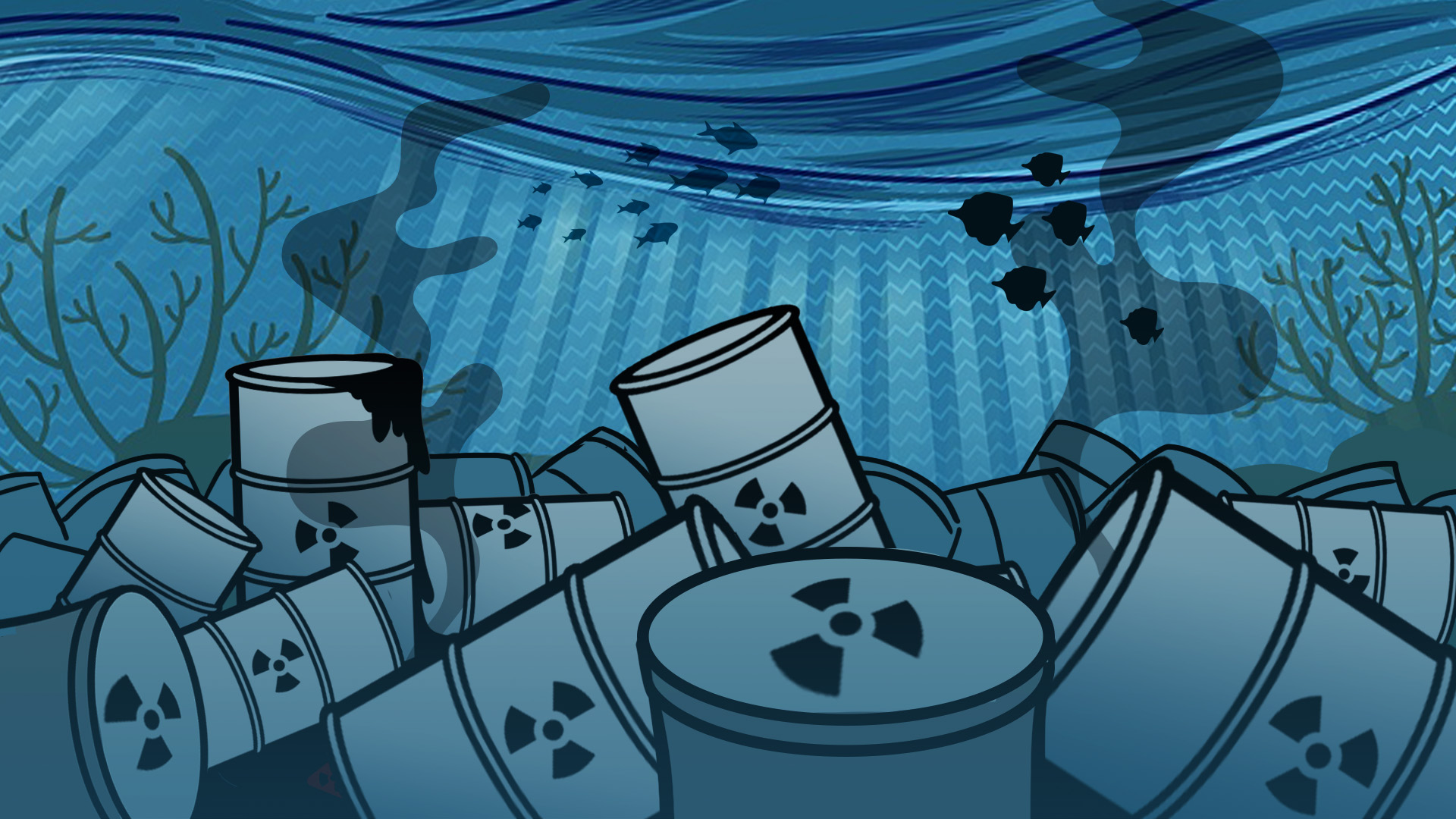
The nuclear cleanup in the Arctic is not done, there is still radioactive waste and spent nuclear fuel that needs securing.
Those items remaining to be cleaned up and secured include at least 11,000 spent nuclear fuel assemblies at Andreyeva Bay, a former Soviet submarine base. They also include two sunken nuclear submarines, over a dozen nuclear reactors and barrels of radioactive waste scuttled by the Soviet Navy in the Kara and Barents Seas. Issues of securing spent fuel and radioactive waste stored on nuclear icebreaker service ships likewise remain unresolved.
Russia’s state nuclear corporation Rosatom said last week that more than two decades worth of efforts to rid the Arctic of radioactive waste and spent nuclear fuel from decommissioned submarines will now come to an end. Bellona fears Rosatom is leaving undone a raft of crucial projects initiated with international support.
June 7, 2023 by Bellona
Russia’s state nuclear corporation Rosatom said last week that more than two decades worth of efforts to rid the Arctic of radioactive waste and spent nuclear fuel from decommissioned submarines will now come to an end. Bellona fears Rosatom is leaving undone a raft of crucial projects initiated with international support.
” [This work]began back in the early 2000s with the analysis of large deposits of spent nuclear fuel from nuclear submarine reactors,” said Rosatom CEO Aleksei Likhachev in remarks reported by official Russian newswire Tass “In total, thousands of tons of radioactive materials have been handled, and today we are at the finish line of this work, returning these territories to public use under strict administrative, public, and international control.”
Since the 1990s, the Bellona Foundation has been involved in discovering and documenting nuclear hazards and radiation threats in Arctic Russia and based on that experience, the organization asserts that Likhachev’s announcement is untrue — Russia is nowhere near the “finish line” in these efforts
Furthermore, Likhachev’s remarks contradict earlier statements from Rosatom that many of these cleanup operations would be ongoing until late in this decade.
“Russian authorities are backtracking on earlier statements from May last year, and confirming Bellona’s fears that these projects will not be continued or completed, says Frederic Hauge, president of the Bellona Foundation.
“The nuclear cleanup in the Arctic is not done, there is still radioactive waste and spent nuclear fuel that needs securing – both in the former marine base at Andreeva Bay and at the bottom of the Arctic seas”, says underlines Hauge.
Since the early 2000s, cleanup projects to rid the Arctic of the nuclear legacy of the Soviet Northern fleet have been ongoing in North-West Russia. These efforts were orchestrated through international cooperation between Russia and other countries and aided by large funding pledges from international donors.
These multinational efforts continued until February of 2022, when Moscow invaded Ukraine. Since then, international assistance to Moscow has been put on ice. But even then, key figures at Rosatom pledged that cleanup work would continue, nonetheless.
But Likhachev’s statement seems to put an end to that and declares victory well before the battle is finished
Those items remaining to be cleaned up and secured include at least 11,000 spent nuclear fuel assemblies at Andreyeva Bay, a former Soviet submarine base. They also include two sunken nuclear submarines, over a dozen nuclear reactors and barrels of radioactive waste scuttled by the Soviet Navy in the Kara and Barents Seas. Issues of securing spent fuel and radioactive waste stored on nuclear icebreaker service ships likewise remain unresolved.
In 2022, after Moscow launched its invasion of Ukraine, Russian authorities sought to assure their international counterparts that each of these projects would nonetheless continue, despite the withdrawal of international assistance.
Bellona had since that time been concerned that Russia, in its state of war, would fail to prioritize these critical projects, and in November the organization warned that the efforts to lift sunken Soviet submarines would at best be indefinitely postponed …………………………………
The issue of the sunken objects left by the Soviet Union will not be solved by itself. Ninety percent of that radiation from the sunken objects in the Kara and Barents seas is emitted by six objects that Rosatom has deemed urgent and targeted for lifting: two nuclear submarines; the reactor compartments from three nuclear submarines; and the reactor from the legendary icebreaker Lenin. …………….
“Why do they choose to say that the cleanup is done now – when that clearly is not the case? Rosatom has time and again underlined the importance of finishing the cleanup projects and lifting the sunken objects from the bottom of the sea, says Hauge.
“If we were to speculate, it might be that they are trying to force a renewed dialogue on financing of these projects, despite the aftermath of Russia’s invasion of Ukraine. Perhaps they are fishing for reactions from Norwegian authorities and other western governments – perhaps particularly when it comes to the sunken objects,” continues Hauge
“They know that the more delayed a decision to raise these subs is, the higher the risk of a lifting operation failing. Thus, such a statement can put pressure on former cooperation partners to reevaluate their decision to discontinue cooperation with Russia and financial support on these topics because of the invasion of Ukraine. If that is the correct interpretation, then it is a form of blackmail – nuclear blackmail,” Hauge concludes. https://bellona.org/news/nuclear-issues/2023-06-rosatom-says-nuclear-cleanup-in-arctic-done-far-from-the-case-says-bellona
Amid opposition, Japan takes 1st step to release nuclear waste water into ocean
China slams Tokyo’s ‘irresponsible’ actions on Fukushima’s contaminated water, urging safe disposal
Alperen Aktas |07.06.2023
Despite mounting pressure, Japan has begun injecting seawater into a drainage tunnel of the crippled Fukushima Daiichi Nuclear Power Plant as a first step to release treated radioactive wastewater into the ocean.
The tunnel was filled with water on Tuesday, triggering a sharp response from the Chinese mission in Tokyo.
Japan plans to release treated radioactive wastewater into the ocean, triggering opposition and concerns from local fishing communities and neighboring countries.
“The harm caused by the discharge of nuclear water into the sea is immeasurable,” China’s diplomatic mission in Japan said in a statement.
“Workers at the crippled Fukushima Daiichi nuclear power plant are sending seawater into an underwater tunnel that has been built to release treated and diluted water from the facility into the ocean,” Japanese public broadcaster NHK reported.
“Once filled with seawater, the tunnel will guide treated water from the plant to a point about 1 kilometer offshore.”
The water release system is nearing completion, with the exception of a reservoir that will store treated water prior to its release. The utility aims to finish all construction tasks by the end of June……………………
Urging Japan not to put future generations at risk, the Chinese Embassy stressed that besides ocean discharge, formation injection, steam discharge, hydrogen discharge, and underground burial are also viable options. However, it is “irresponsible” for the Japanese side not to seriously consider and show other extermination options.
Zhang Kejian, Chairman of China Atomic Energy Authority, also criticized Japan’s “extremely irresponsible” act.
Japan disregarded the concerns of its people and other countries, providing no scientific answers or consulting with neighbors and stakeholders, he said at an International Atomic Energy Agency (IAEA) board of governors meeting held on Monday in Austria.
A signature campaign was launched in South Korea last week to oppose Japan’s intended discharge of radioactive water from the crippled Fukushima nuclear power plant.
The campaign was initiated by South Korea’s leading opposition Democratic Party in the capital Seoul.
DP Chairman Lee Jae-Myung expressed his concerns, questioning how the president and the ruling party can support Japan and grant them immunity and permission to dispose of hazardous nuclear-contaminated water into the ocean.
Japan unveiled the water discharge plan in April 2021, triggering massive criticism from China, South Korea, North Korea, the island nation of Taiwan, and international bodies, including the UN……………………. https://www.aa.com.tr/en/asia-pacific/amid-opposition-japan-takes-1st-step-to-release-nuclear-waste-into-ocean/2916489
Content of radioactive element in fish at Fukushima’s Nuclear Power Plant 180 times of safe limit
CGTN 6 June 23
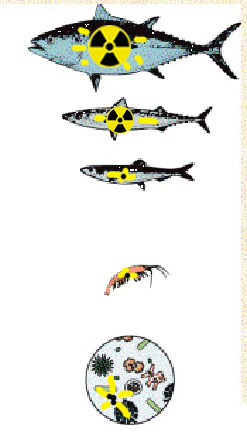
The radioactive elements in the marine fish caught in the harbor of the Fukushima Daiichi Nuclear Power Plant in Japan far exceed safety levels for human consumption, according to a report issued by the plant’s operator Tokyo Electric Power Company (TEPCO) on Monday. In particular, the data released show that the content of Cs-137, a radioactive element that is a common byproduct in nuclear reactors, is 180 times that of the standard maximum stipulated in Japan’s food safety law.
CGTN downloaded the English version of the report available on TEPCO’s official website. According to the data, the sampled black rockfish contains the radioactive element Cs-137 with a content of 18,000 becquerels per kilogram. Data available on the website of Fukushima Revitalization Station run by Japan’s Fukushima prefectural government shows that Japan’s current limit of radioactive cesium in general food which contains fish is set at 100 becquerels per kilogram.
According to the report, the location where the sampled fish was caught is at the port area of Units 1 to 4 of the Fukushima Daiichi Nuclear Power Plant, where a breakwater is built and nuclear wastewater with a high concentration of radioactive substances flows in. TEPCO said it will set up multiple protective nets to prevent fish from swimming out of the harbor.
A Chinese news website sina.com.cn quoted experts noting that the radioactive elements in the nuclear wastewater could penetrate into fish, shrimp and other seafood, and later accumulate in the human body after consumption. ……………………
TEPCO on Monday started sending seawater into an underwater tunnel to be diluted before releasing the nuclear wastewater into the ocean. The company said that all facilities for the water release system are expected to be completed by the end of this month.
Local fishing communities say their businesses and livelihoods will suffer still more damage. Neighboring countries such as China and South Korea and Pacific Island nations have raised safety concerns. Environmental groups including Friends of the Earth oppose the release. https://news.cgtn.com/news/2023-06-06/Radioactive-element-in-fish-at-Fukushima-plant-180-times-safe-limit-1kpOlJEH9xm/index.html
Increasing heat could turn ocean plankton microbes into carbon emitters
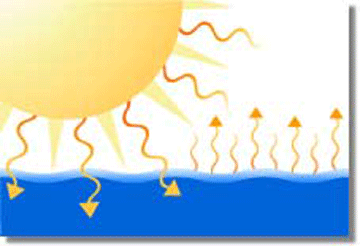
Warming climate could turn ocean plankton microbes into carbon emitters.
New research finds that a warming climate could flip globally abundant
microbial communities from carbon sinks to carbon emitters, potentially
triggering climate change tipping points. The findings are published in
Functional Ecology.
Phys.org 1st June 2023
https://phys.org/news/2023-05-climate-ocean-plankton-microbes-carbon.html
Finland’s newest nuclear plant is warming the sea, harming wildlife
yle 1 June 23
The Olkiluoto 3 reactor became fully operational in April after a decade-long delay.
“……… climate groups have pointed to a number of adverse effects the largest reactor in the Nordic region will have on its surrounding environment, including the warming of the seawater used to cool the plant and its effects on marine life.
Olkiluoto 3 is by far the largest of the three reactors located at Eurajoki and its operations will almost double the amount of water required to cool the plants.
In total, the three reactors need around 120-130 cubic metres of cooling water per second. This is more than half the average flow of the nearby Kokemäenjoki river, and Olkiluoto 3 accounts for about 57 cubic metres of this volume.
Court orders investigation
The seawater used to cool the nuclear power plant will also inevitably contain fish and other marine organisms.
Finland’s Administrative Court ordered an investigation to be carried out into the effects of Olkiluoto 3 on the local marine life when regular electricity production began in April………………………………………………………………………………………… https://yle.fi/a/74-20034904
Tritium found beyond safe limits in treated Fukushima wastewater
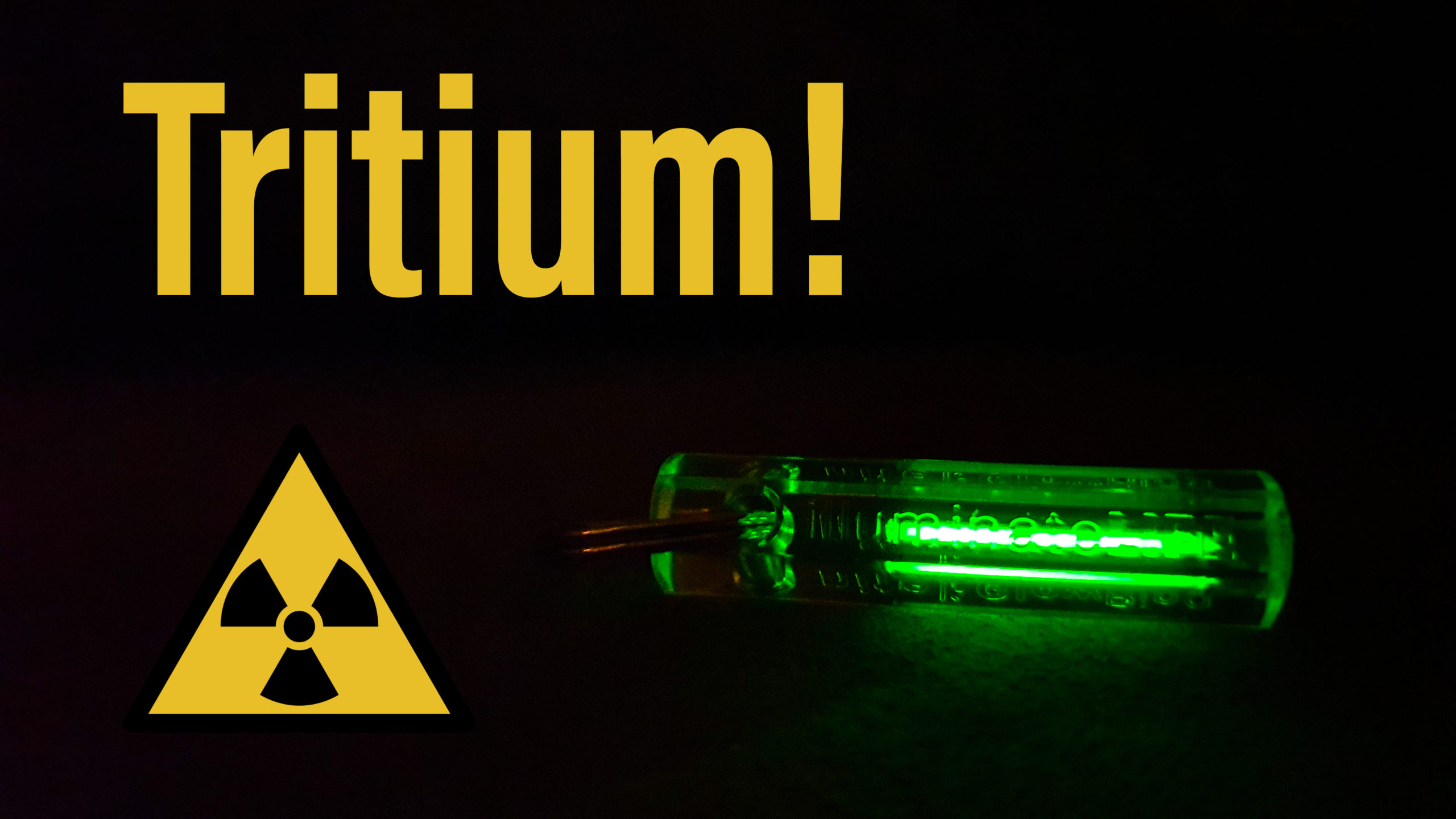
A type of radioactive isotope in the over 1.3 million tons of wastewater
being collected at the destroyed Fukushima nuclear power plant and planned
for discharge by as early as this summer has been found at levels beyond
those earlier suggested to be safe by the Japanese government, a wastewater
safety review report by the International Atomic Energy Agency showed
Thursday.
According to the report, which corroborated analyses of the treated wastewater by six laboratories including the Korea Institute of Nuclear Safety, the activity concentrations of tritium in the treated water were estimated to be at least 148,900 becquerels per liter.
The wastewater filtered through Japan’s Advanced Liquid Processing System at the Fukushima Daiichi Nuclear Power Station contained more tritium than what was stipulated in Japan’s national regulatory standards for discharge, 60,000 becquerels per liter……………………………………………
Korea Herald 1st June 2023
http://www.koreaherald.com/view.php?mp=1&np=1&ud=20230601000750
South Korea experts say more study needed on Japan’s nuclear water plan
Yahoo! News, Hyonhee Shin, Wed, 31 May 2023
SEOUL (Reuters) – South Korean nuclear safety experts who visited Japan’s wrecked Fukushima nuclear power plant said on Wednesday that detailed analysis was needed to verify Japan’s plan to release tonnes of contaminated water from it into the sea…………
Japan plans to dump more than one million tonnes of contaminated water that was mainly used to cool the reactors into the sea by around this summer, triggering alarm at home and abroad, especially in fishing communities.
“Given our closest location, we are reviewing whether Japan has an appropriate discharge plan from a scientific and technological standpoint,” Yoo Guk-hee, chairman of the Nuclear Safety and Security Commission, who led a delegation on a site visit last week, told a briefing.
……….. The 21-member South Korean team had focused during its six-day trip on water purification, transport and release equipment, as well as sampling and analysis facilities.
The visit came days after President Yoon Suk Yeol and Japanese Prime Minister Fumio Kishida held a summit in Seoul this month amid a thaw in relations following years of tension between the neighbours, both important U.S. allies………… https://au.news.yahoo.com/south-korea-experts-more-study-073331552.html
China firmly opposes Japan’s discharge of Fukushima nuclear-contaminated water into sea
Source: Xinhua, Editor: huaxia, 2023-05-30 https://english.news.cn/20230530/5bdd921cc81744ffbcfd0eb7b76dd09b/c.html
GENEVA, May 28 (Xinhua) — A Chinese delegate on Saturday expressed firm opposition to Japan’s unilateral decision to discharge the nuclear-contaminated water from Fukushima into the sea, when attending related discussions at the 76th World Health Assembly (WHA) held here.
Given the strong currents along Fukushima’s coast, the radionuclides will spread to waters worldwide in 10 years after a discharge, the delegate said, adding that this move is to shift the risks to all mankind, and is not Japan’s private matter, but a crucial issue affecting global public health.
Noting many countries and stakeholders have expressed serious concerns, the delegate urged Japan not to unilaterally discharge the nuclear-contaminated water before reaching an agreement with all parties.
In response to a Japanese delegate’s defense, the Chinese side said that the defense can be summed up as “the water quality is non-toxic and the discharge is reasonable,” but what the Japanese side said is completely untenable and they must give convincing answers to a series of questions.
The Chinese delegate raised three questions: First, if the nuclear-contaminated water is safe, why doesn’t Japan itself use the water? Why not use the water for domestic agriculture and manufacturing, or discharge it into domestic lakes? Second, is discharging the nuclear-contaminated water into the sea the only feasible solution? Third, what kind of long-term impact will such a discharge have on the world?
When it comes to the disposal of the nuclear-contaminated water, the Chinese delegate pointed out that Japan’s Ministry of Economy, Trade and Industry has proposed five plans. The Japanese government’s expert committee has admitted that compared to such options as emitting the water into the atmosphere through vaporization, building new storage tanks and solidifying the water with cement, a discharge into the sea is the cheapest option with minimum risk of pollution to Japan itself.
Japan’s current choice is to save itself trouble and money by pushing the world to suffer consequences, the delegate said, emphasizing that such actions, which only serve the short-term interests of Japan but harm the common interests of all mankind, must be severely condemned and resolutely resisted, and that the Pacific Ocean is not a sewer into which Japan can dump nuclear-contaminated water.
In April 2021, Japan announced that it would discharge the polluted water from the Fukushima nuclear accident into the ocean. Many countries, including China, have expressed firm opposition, and Russia also expressed serious concerns at this WHA. However, Japan has disregarded the reasonable appeals and demands of the international community.
IAEA team in Japan for final review before planned discharge of Fukushima nuclear plant water.
abc news, 29 May 23
An International Atomic Energy Agency team has arrived in Tokyo for a final review before Japan begins releasing massive amounts of treated radioactive water into the sea from the wrecked Fukushima nuclear plant, a plan that has been strongly opposed b…
By MARI YAMAGUCHI Associated Press, May 29, 2023
TOKYO — An International Atomic Energy Agency team arrived in Tokyo on Monday for a final review before Japan begins releasing massive amounts of treated radioactive water into the sea from the wrecked Fukushima nuclear plant, a plan that has been strongly opposed by local fishing communities and neighboring countries.
The team, which includes experts from 11 countries, will meet with officials from the government and the plant operator, Tokyo Electric Power Company Holdings, and visit the Fukushima Daiichi nuclear power plant during their five-day visit, the economy and industry ministry said………………………………
Some scientists say the impact of long-term, low-dose exposure to radionuclides is unknown and the release should be delayed.
Japan’s government has stepped up campaigns in Japanese media and at food fairs to promote the safety of seafood from Fukushima, while providing regular briefings to foreign governments including South Korea and members of the Pacific Islands Forum.
…………………. Japanese officials say the water stored in the tanks needs to be removed to prevent accidental leaks in case of another disaster and to make room for the plant’s decommissioning. https://abcnews.go.com/Technology/wireStory/iaea-team-japan-final-review-planned-discharge-fukushima-99669696
Pacific islanders are not convinced that the release of Fukushima wastewater is safe
“………………………………………..Selling the water release plan to the Pacific
Nuclear experts from South Korea, which has been hostile to the planned discharge, have this week been given an unprecedented six-day personalised tour of the Fukushima plant.
The prime minister of the Cook Islands and chair of the Pacific Islands Forum, Mark Brown, said there had been an increase in “more intense dialogue” with Japan, and he was presently happy with the level of transparency………………..
Dozens rally against water release
However, a series of public relations disasters by TEPCO have fuelled public distrust in the plan.
There have been numerous cases where TEPCO failed to reveal that tainted water had leaked into the sea.
Local media also exposed that most water storage tanks did contain water still contaminated with dangerous radioactive elements, such as the cancer-causing strontium-90, despite TECPO’s assurances this was not the case.
TEPCO now says about a third of the tanks are ready for release, and water not up to standards will be reprocessed until it is.
“They don’t provide true information,” said Gen Hirai, a protester who gathered outside the company’s headquarters in May.
“It’s a company that blocks information to citizens.”
What do surrounding countries think of the plan?
Earlier in May, the Solomon Islands reportedly rebuked an offer from Japan to step up maritime cooperation, citing the planned Fukushima discharge.
“Japan keeps emphasising the significance of maritime security, they still decided to dump the radioactive wastewater into the ocean,” the Solomon Star reported from a government source.
Whereas Papua New Guinea (PNG) is reportedly softening its stance to accept Japan’s position.
But PNG Prime Minister James Marape couldn’t be drawn on whether the country would support Japan’s plan, saying it was “another conversation.”………….. https://www.abc.net.au/news/2023-05-26/treated-fukushima-water-to-flow-into-pacific-oaten/102380592
1 This Month
To see nuclear-related stories in greater depth and intensity – go to https://nuclearinformation.wordpress.com/
12 February – Webinar The Big Push: New Nuclear Projects in Canada
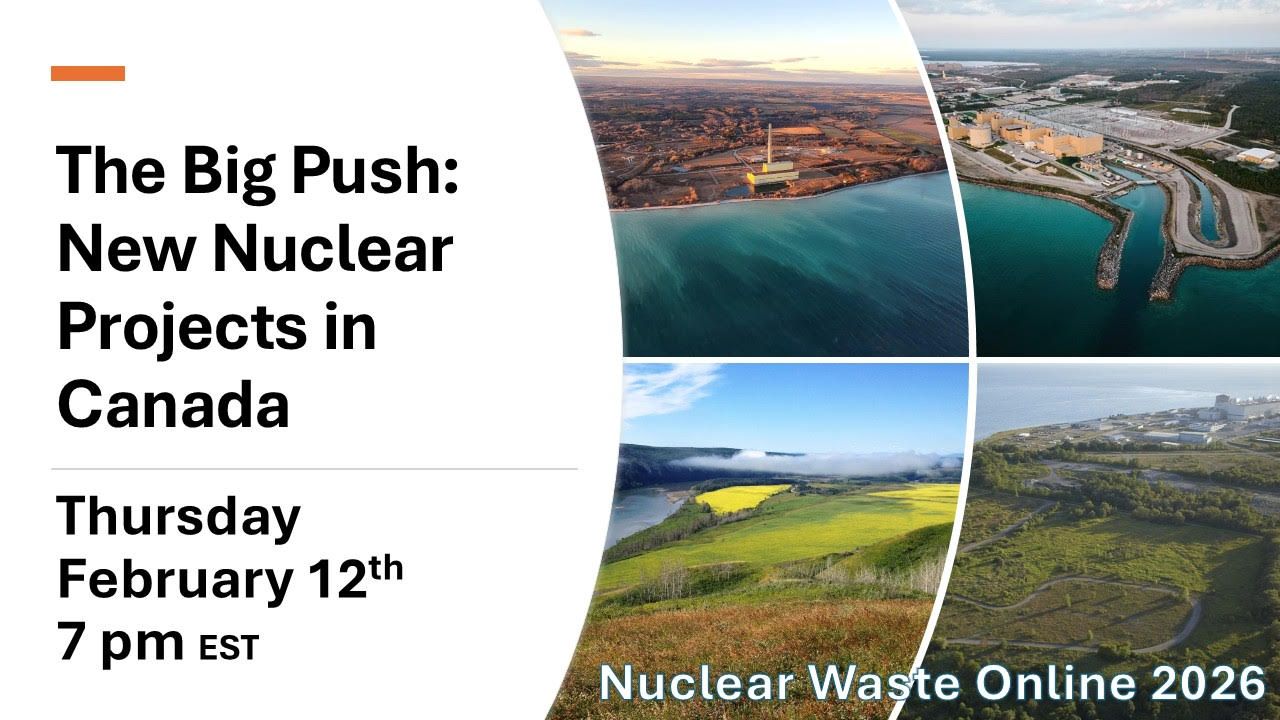
Thursday, February 12, 7 pm Eastern | 2nd of 4 sessions in the 2026 Nuclear Waste Online webinar series
Join a webinar on the push for new nuclear generation in Canada. Go to Northwatch.org to register or use the registration link https://us02web.zoom.us/webinar/register/WN_ZfWOf1GITqSRIZX8CB-A9w
-
Archives
- February 2026 (105)
- January 2026 (308)
- December 2025 (358)
- November 2025 (359)
- October 2025 (376)
- September 2025 (258)
- August 2025 (319)
- July 2025 (230)
- June 2025 (348)
- May 2025 (261)
- April 2025 (305)
- March 2025 (319)
-
Categories
- 1
- 1 NUCLEAR ISSUES
- business and costs
- climate change
- culture and arts
- ENERGY
- environment
- health
- history
- indigenous issues
- Legal
- marketing of nuclear
- media
- opposition to nuclear
- PERSONAL STORIES
- politics
- politics international
- Religion and ethics
- safety
- secrets,lies and civil liberties
- spinbuster
- technology
- Uranium
- wastes
- weapons and war
- Women
- 2 WORLD
- ACTION
- AFRICA
- Atrocities
- AUSTRALIA
- Christina's notes
- Christina's themes
- culture and arts
- Events
- Fuk 2022
- Fuk 2023
- Fukushima 2017
- Fukushima 2018
- fukushima 2019
- Fukushima 2020
- Fukushima 2021
- general
- global warming
- Humour (God we need it)
- Nuclear
- RARE EARTHS
- Reference
- resources – print
- Resources -audiovicual
- Weekly Newsletter
- World
- World Nuclear
- YouTube
-
RSS
Entries RSS
Comments RSS
 nuclear-news