Germany’s renewable technologies showing their value
 Germany proves the promise of renewable energy: hits 20 percent renewables, By Karimeh Moukaddem, mongabay.com September 06, 2011A s many people in the United States question whether renewable energy is a viable alternative to fossil fuels, Germany now derives 20.8 percent of its electricity from renewable sources—a 15 percent increase since 2000, reports Der Spiegel. In contrast, the United States generates only 10 percent of its electricity from renewable sources, 6 percent of which comes from hydroelectric power, which some environmentalists see as unacceptably damaging. Continue reading
Germany’s renewable energy use increases to 20%
 Green Energy Use in Germany Passes 20 Percent of Total Power Mix Environmental News Network, 4 Sept 11, During the first half of 2011, Germany for the first time generated more than 20 percent of its electricity from renewable sources, a new report says. While the country’s total electricity demand remained stable during the first six months of 2011, the share generated by renewable sources increased from 18.3 percent to 20.8 percent, according to the German Association of Energy and Water Industries.
hat increase provides a boost to government initiatives to produce 35 percent of the country’s electricity from renewable energy sources by 2020, while phasing out all of the nation’s nuclear reactors, an aggressive target announced after the Fukushima disaster in Japan.
Alternative Energy and Fuel News: Green Energy Use in Germany Passes 20 Percent of Total Power Mix
Solar feed-in tariff law in Japan will stimulate business
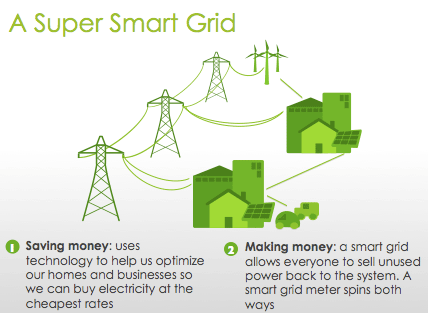 new business opportunities within industries that offer products and services related to the generation of electricity using renewable energy sources, ranging from solar panels and wind turbines to equipment and systems for smart grids.
Feed-in tariff law a boon to renewable energy markets , asahi.com2 Sept 11, Japan’s new clean energy bill offers a tantalizing business bonanza and companies are scrambling to find an edge.The so-called feed-in tariff on renewable energy passed by the Diet on Aug. 26 requires utilities to purchase wind, solar and geothermal energy from households and businesses at above-market rates Continue reading
Japan’s Parliament – vote for renewable energy tariff
The move has global implications, as the world’s third largest economy follows that of the world’s second-largest economy, China, and the world’s fourth-largest economy, Germany, in implementing feed-in tariffs in order to rapidly develop renewable energy.
Japan Creates Major Feed-In Tariff for Renewable Energy, SustainableBusiness.com News, By Paul Gipe 31 Aug 11, In a major breakthrough for the feed-in tariff movement worldwide, Japan’s upper chamber has approved a new law implementing a feed-in tariff policy for renewable energy. Continue reading
China ramping up its renewable energy goals
China revises up 2015 renewable energy goals: report, by Jim Bai and Chen Aizhu; Editing by Ken Wills, BEIJING Aug 29, 2011 (Reuters) – China will raise development targets for renewable energy such as wind power for the five-year period through 2015, state media reported on Tuesday, as the world’s top energy user and carbon emitter aims to reduce its reliance on fossil fuels.
The country aims to have 100 gigawatts (GW) of on-grid wind power generating capacity by the end of 2015 and to generate 190 billion kilowatt hours (kWh) of wind power annually, the China Securities Journal reported, citing a government plan.
The goal was higher than a target of 90 GW proposed earlier by the National Energy Administration…..http://www.reuters.com/article/2011/08/30/us-china-energy-renewable-idUSTRE77T0CM20110830
Un Secretary General calls for renewable energy, energy efficiency
U.N. Secretary-General: Renewables Can End Energy Poverty Renewable Energy World, New Hampshire, USA , — United Nation’s Secretary-General Ban Ki-moon made renewable energy and its ability to lift the poorest nations to new levels of prosperity a central theme during his visit to Colorado on Wednesday. By Steve Leone, August 25, 2011
With the Rockies as his backdrop, Ban toured the National Renewable Energy Laborary in Golden, where he inspected the flexible thin-film modules produced by Colorado-based Ascent Solar. The facility, he said, represents innovative approaches that for relatively little cost can connect remote areas to the global network of information and ideas.
If energy is the lifeblood of the world economy, Ban argues that renewable energy represents an infusion of humanity. Continue reading
Solar energy costs to beat fossil fuels, as China, Japan introduce feed in tariff
“The likelihood that Japan will follow China in rolling out major policy incentives to scale up renewable energy production is an exciting prospect. The demand created by these two Asian giants could well provide the global tipping point that accelerates the emergence of renewables as cost-competitive or indeed cost-beating alternatives to fossil fuel power generation.”
Japan’s Feed In Tariffs Could Accelerate Global Solar Grid Parity, Renewable Energy News, 24 Aug 11,. New legislation in place in China and laws about to be enacted in Japan could be the global tipping point for renewables achieving grid parity with fossil fuel based power generation sooner than most expected. Continue reading
100% renewable energy to run Germany’s railways
Germany’s road to a 100% renewable railway, Nuclear power was once a go-to source for keeping German trains on the go. Fukushima changed that. In response to Japan’s nuclear disaster, Germany decided to put the brakes on its nuclear plants by 2020. Now, Deutsche Bahn, the country’s biggest electricity consumer, is looking elsewhere. Smart PLanet, By Melissa Mahony | August 24, 2011
The national railway operator plans to switch over entirely to renewable energy by 2050. Continue reading
For New Jersey, wind and solar energy a better investment than nuclear power
As for nuclear, Tittel said. it’s too expensive to build, maintain, and operate. The cost of building a nuclear plant is three to four times more than wind and then you add the environmental and safety issues, he said.
“Wind and solar is a much better investment,”
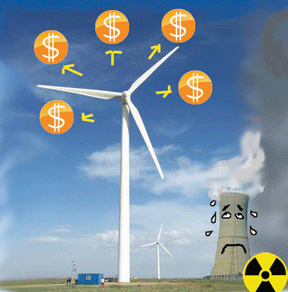 Wind And Solar Energy Overshadow Nuclear At Energy Master Plan Public Hearing, Toms River Patch, By Elaine Piniat 19 Aug 11, The public, environmental advocates, and stakeholders voice their opinions on the state’s Energy Master Plan. Wind and solar energy were the focus at a public hearing on the state’s Energy Master Plan held by Sen. Bob Smith (D- District 17) and Assemblyman John McKeon (D- District 27) at the Town Hall in Toms River.
“The New Jersey shore provides an appropriate setting for a vigorous discussion on clean energy, considering it is an ideal location for harnessing renewable sources like wind and solar…New Jersey has a unique opportunity to modernize our energy blueprint for the future,” Smith said prior to the hearing…… Continue reading
Even with the recession, renewable energy performing well across the globe
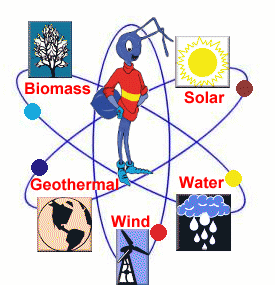 Special report:Renewable energy sector grows despite recession, The Citizen, 13 August 2011, Paris. The renewable energy (RE) sector continues to perform well despite continuing economic recession, incentive cuts, and low natural-gas prices, the Renewables 2011 Global Status Report (GSR) released last month has shown.
In 2010, existing solar water and space heating capacity increased by an estimated 25 gigawatts-thermal (GWth), or about 16 per cent. The report was commissioned by the Renewable Energy Policy Network for the 21st Century (REN21) and produced in collaboration with a global network of research partners.
“The global performance of renewable energy despite headwinds has been a positive constant in turbulent times”, says Mr Mohamed El-Ashry, chairman of REN21’s Steering Committee. “Today, more people than ever before derive energy from renewables as capacity continues to grow, prices continue to fall, and shares of global energy from renewable energy continue to increase.” …..http://thecitizen.co.tz/sunday-citizen/40-sunday-citizen-news/13743-special-reportrenewable-energy-sector-grows-despite-recession.htm
—
Japan doing well with energy conservation – nuclear power not necessary?
 Saving electricity has become a sort of national religion. With many air conditioners set at 82 degrees, businessmen have shed their usual suits in favor of “super cool biz” short-sleeve shirts. Car makers have been forced to operate on weekends to avoid sucking up electricity during peak weekday hours.
Peak electricity usage for the Tokyo area so far this summer was nearly 23% below the peak last summer.
The drop in electrical consumption is shaking Japan’s decades-old commitment to nuclear power
 Summer Power Success Raises Heat in Energy Debate, WSJ AUGUST 12, 2011, By Peter Landers It looks as if Japan has just about survived the peak of summer electricity demand without power outages, although the Tohoku region had some close calls…..
Japan’s success at avoiding outages even with most of its nuclear reactors out of service is taking on a more strategic importance, influencing the broader debate over nuclear power’s future. Whether to phase out nuclear power will be a big issue when the Democratic Party of Japan chooses a successor to Prime Minister Naoto Kan later this month or next month……http://blogs.wsj.com/japanrealtime/2011/08/12/summer-power-success-raises-heat-in-energy-debate/
Japan Snaps Back With Less Power, Economy Survives Reactor Shutdowns, and Tokyo Rethinks Nuclear Policy, WSJ, Peter Landers. JULY 29, 2011 TOKYO—When the March 11 tsunami knocked out more than half of the nuclear power plants serving the Tokyo area, it set off one of the biggest unplanned experiments in a modern society: Could a metropolis of 30 million people get by after losing about a fifth of its power supply?
After a steaming July in Japan filled with 90-degree-plus days, the preliminary answer is in, and it is yes. Continue reading
United States Army Going Green
Army to build green-energy capabilities, Fierce Government August 12, 2011 — By Molly Bernhart Walker, The Army plans to launch large-scale renewable and alternative energy projects on Army installations, Army Secretary John McHugh said Aug. 10. The Army predicts it will invest up to $7.1 billion over the next 10 years to meet its energy goals; this will produce 2.1 million megawatt hours of power annually, the service estimated in a statement.
What Army envisions as “an economically viable, large-scale renewable energy infrastructure,” will begin with a task force, McHugh said, to address energy security, escalating fuel prices and compliance with green-government mandates. The Energy Initiatives Office Task Force, which will be part of the Office of the Assistant Secretary of the Army for Installations, Energy and Environment, will be fully operational by Sept. 15, he said……For more:- see the Army press release http://www.fiercegovernment.com/story/army-build-green-energy-capabilities/2011-08-12
Australian soldiers to wear portable solar power
 Super slim solar cell a success, The Age, Ben Cubby August 12, 2011 ’A typical solar cell is about 0.2 millimetres thick, which is 200 micrometres thinner than a human hair or a sheet of paper, will soon be used by Australian soldiers on patrol in Afghanistan as a portable power source. The solar cells, invented by researchers at the Australian National University, can be used to cover helmets, tents or clothing and recharge electronic gear such as night vision goggles.
They also have extensive potential in civilian applications, including recharging phones and computers, because a square metre of lightweight solar panel can generate 140 watts of power and yet be rolled up into a ball afterwards. ’A typical solar cell is about 0.2 millimetres thick, which is 200 micrometres – that’s too thick to bend, it would shatter,” the project’s chief investigator, Andrew Blakers, said. ”But these cells are about 45 microns thick, so they are flexible and also about the same efficiency as commercial solar cells. By comparison, really fine quality merino wool is about 18 microns thick.” In practice, many square metres of panel could be unfurled from a box about the same size as a wine cask http://www.theage.com.au/national/super-slim-solar-cell-a-success-20110811-1iot3.html
USA govt report – renewable energy outstrips nuclear
Renewable Energy Consumption Passes Nuclear, Earth Techling, by Steve Duda, August 9th, 2011 Renewable energy consumption in the United States recently exceeded current and historical consumption levels for nuclear energy, a government study reports.
According to the U.S. Energy Information Administration, during the first quarter of this year a combination of nuclear outages related to plants shutting down for refueling and the start of the high water season for hydropower generation caused the shift in consumption. Seasonal variations in renewable energy, said the EIA, ”are dominated by the annual cycle of water availability for hydroelectric power production. Hydropower constitutes a significant yet highly variable portion of total renewable energy consumption, accounting for 31% of renewable energyconsumption in 2010.”
Joining this is a multi-year upward trend in renewable consumption driven by increasing consumption of biofuels and wind capacity additions. In the context of this study, renewable energy consumption is defined beyond electric power generation from hydro, wind, solar, and geothermalsources. Sources including biofuels for transportation (such as ethanol and biodiesel) and biomass (such as wood and wood wastes) for space heating and industrial steam production as well as for electric power generation are counted as renewable resources……http://www.earthtechling.com/2011/08/renewable-energy-consumption-passes-nuclear/
Solar energy becoming cheaper than coal
it’s too bad our elected leaders see no value in spurring the next generation of energy technology rather than preserving tax cuts for oil and coal companies that are making record profits
5 breakthroughs that will make solar power cheaper than coal, Mother Nature Network, Karl Burkart, 8 Aug 11 Solar technology charges forward despite Washington’s backward march. Continue reading
1 This Month
26 April – Chernobyl: Inside the Meltdown airs on National Geographic on Sunday 26th April from 4pm
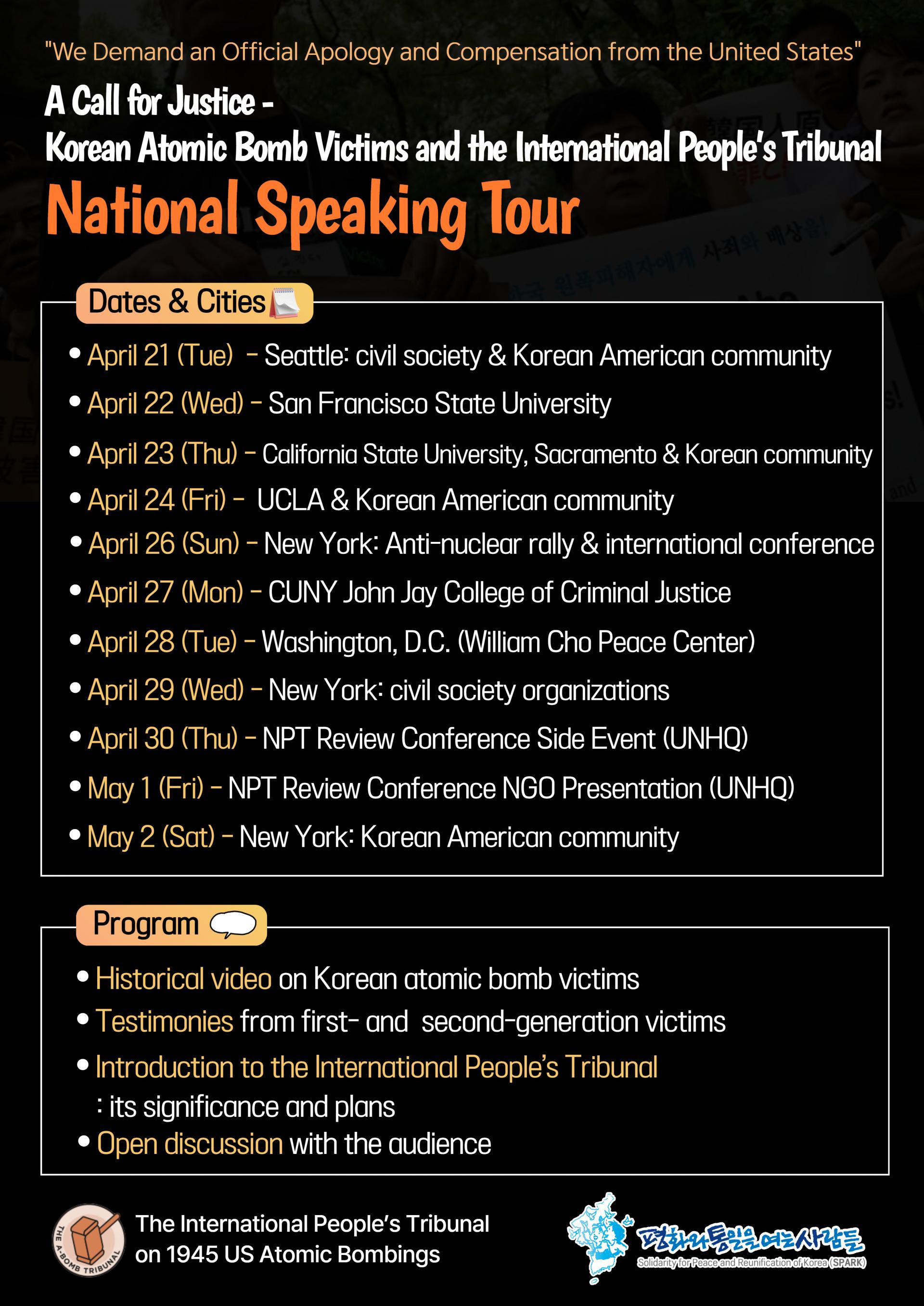
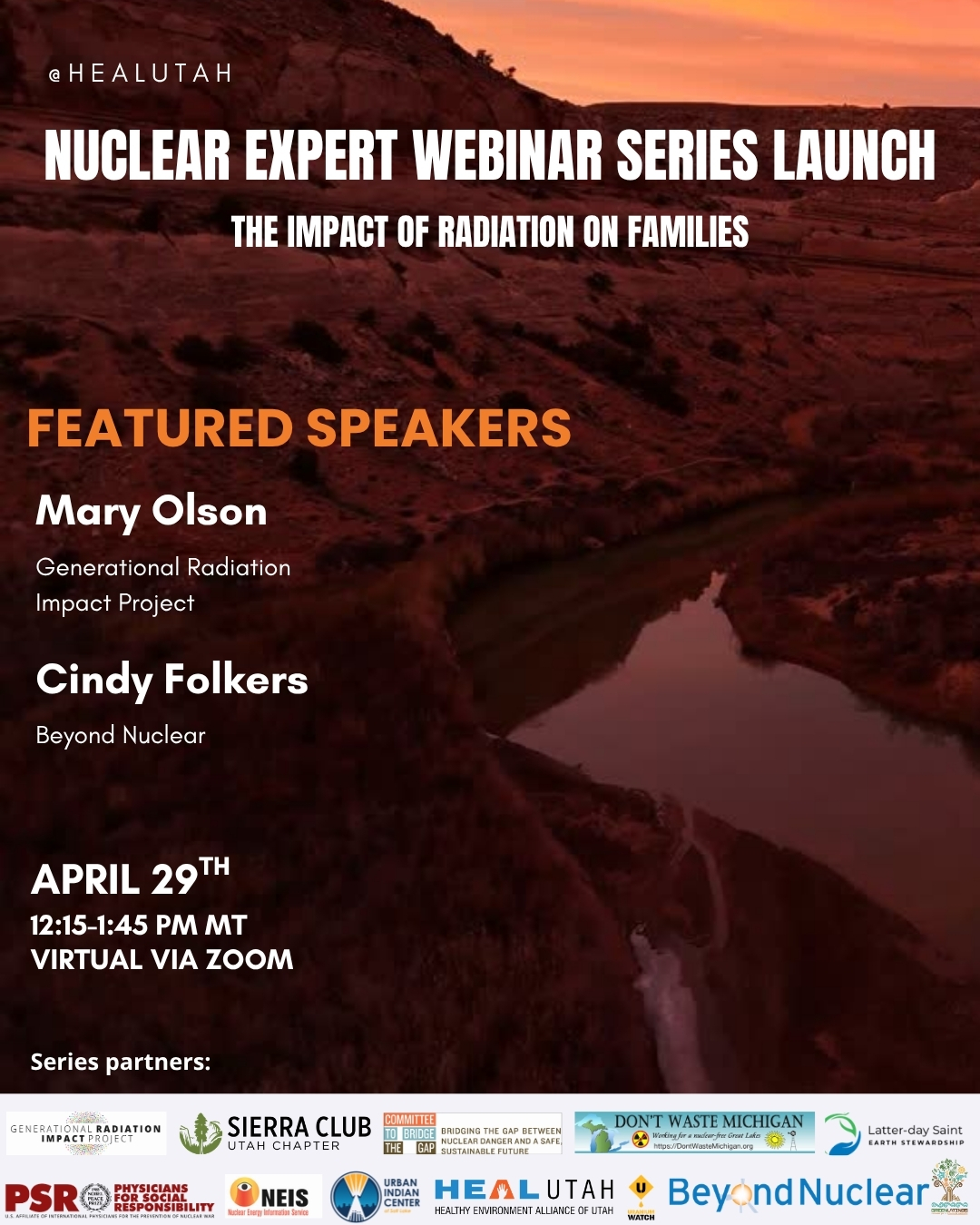
29 April – Nuclear Expert Webinar #1 – Radiation Impacts on Families with Mary Olson and Cindy Folkers
- 12:15 PM MT – 1:45 PM MT
- Location: Virtual – REGISTER TODAY

4 May -West Suburban Peace Coalition to discuss Iran war at May Educational Forum
Monday, May 4, 7:00 – 8:00 PM Central Standard Time
Title: : How Trump’s Narrative Tries to Shape the Reality of the War on Iran.
Contact Walt Zlotow, zlotow@hotmail.com 630 442 3045 for further information
14 May – online event From Bombs to Data Centres: the Face of Nuclear Colonialism

Pine Ridge Uranium is the real threat, not Tehran- Tell Burgum: Stop the Extraction.
Chernobyl: The Lost Tapes – A good documentary on Chernobyl on SBS available On Demand for the next 3 weeks– https://www.sbs.com.au/ondemand/tv-program/chernobyl-the-lost-tapes/2352741955560
To see nuclear-related stories in greater depth and intensity – go to https://nuclearinformation.wordpress.com
-
Archives
- April 2026 (317)
- March 2026 (251)
- February 2026 (268)
- January 2026 (308)
- December 2025 (358)
- November 2025 (359)
- October 2025 (376)
- September 2025 (257)
- August 2025 (319)
- July 2025 (230)
- June 2025 (348)
- May 2025 (261)
-
Categories
- 1
- 1 NUCLEAR ISSUES
- business and costs
- climate change
- culture and arts
- ENERGY
- environment
- health
- history
- indigenous issues
- Legal
- marketing of nuclear
- media
- opposition to nuclear
- PERSONAL STORIES
- politics
- politics international
- Religion and ethics
- safety
- secrets,lies and civil liberties
- spinbuster
- technology
- Uranium
- wastes
- weapons and war
- Women
- 2 WORLD
- ACTION
- AFRICA
- Atrocities
- AUSTRALIA
- Christina's notes
- Christina's themes
- culture and arts
- Events
- Fuk 2022
- Fuk 2023
- Fukushima 2017
- Fukushima 2018
- fukushima 2019
- Fukushima 2020
- Fukushima 2021
- general
- global warming
- Humour (God we need it)
- Nuclear
- RARE EARTHS
- Reference
- resources – print
- Resources -audiovicual
- Weekly Newsletter
- World
- World Nuclear
- YouTube
-
RSS
Entries RSS
Comments RSS
 nuclear-news