Israeli nuclear city emerges as focal point in escalating Iran–Israel confrontation
March 30, 2026, https://www.middleeastmonitor.com/20260330-israeli-nuclear-city-emerges-as-focal-point-in-escalating-iran-israel-confrontation/
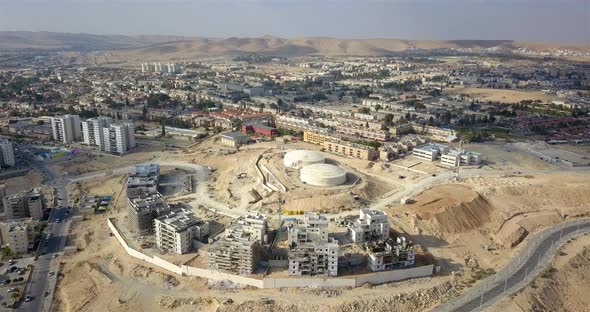
The city of Dimona has moved to the center of the escalating confrontation between Iran and Israel, following reports of an Iranian strike targeting its vicinity on 21st March.
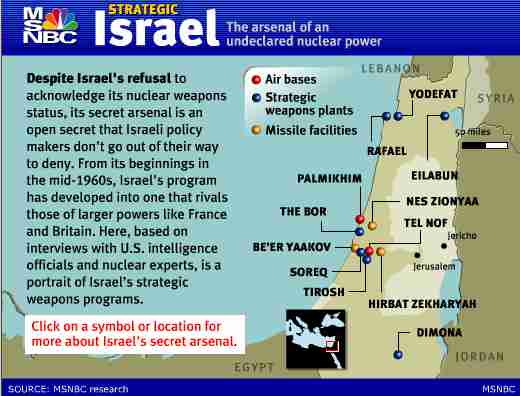
Located deep in the Negev desert, Dimona is widely regarded as one of the most sensitive nodes in Israeli strategic infrastructure, largely due to its association with the country’s nuclear programme. Established in 1955, the city has since evolved into a key military and strategic site.
Researchers note that the area surrounding Dimona was historically inhabited by tens of thousands of Palestinian Bedouin Arabs prior to the 1948 Nakba. According to political analyst Muhammad Mustafa Shahin, the Negev region was home to between 90,000 and 95,000 Palestinians from tribes including the Tayyah, Azazmeh, and Jabarat, who relied on agriculture and herding.
Shahin highlights the geological significance of the region, noting that the Negev contains phosphate deposits rich in uranium in areas such as Aron, Zein, and Arad, alongside industrial facilities like the Rotem Amfert plants. These resources, he argues, contributed to the foundations of Israel’s nuclear development.
At the heart of Dimona’s strategic importance is the Negev Nuclear Research Center, commonly referred to as the Dimona reactor. Constructed with French assistance in the late 1950s and becoming operational in the early 1960s, the facility is widely believed to have played a central role in producing plutonium for nuclear weapons.
Shahin describes the reactor as part of what is known as Israel’s “Samson Option” — a doctrine of ultimate deterrence — which continues to fuel regional tensions, particularly in light of Israel’s refusal to sign the Nuclear Non-Proliferation Treaty (NPT).
The reported strike near Dimona marks a significant moment in the current escalation, drawing renewed attention to the risks surrounding nuclear-related infrastructure in an increasingly volatile regional conflict.
No comments yet.
1 This Month

of the week – Shut Down Drone Warfare!


Tell the Ukrainian Government to Drop Prosecution of Peace Activist Yurii Sheliazhenko

Petition to revoke the licensing of the Near Surface Nuclear Disposal Facility (NSDF) at Chalk River. https://www.ourcommons.ca/petitions/en/Petition/Details?Petition=e-7247
To see nuclear-related stories in greater depth and intensity – go to https://nuclearinformation.wordpress.com
-
Archives
- April 2026 (19)
- March 2026 (251)
- February 2026 (268)
- January 2026 (308)
- December 2025 (358)
- November 2025 (359)
- October 2025 (376)
- September 2025 (257)
- August 2025 (319)
- July 2025 (230)
- June 2025 (348)
- May 2025 (261)
-
Categories
- 1
- 1 NUCLEAR ISSUES
- business and costs
- climate change
- culture and arts
- ENERGY
- environment
- health
- history
- indigenous issues
- Legal
- marketing of nuclear
- media
- opposition to nuclear
- PERSONAL STORIES
- politics
- politics international
- Religion and ethics
- safety
- secrets,lies and civil liberties
- spinbuster
- technology
- Uranium
- wastes
- weapons and war
- Women
- 2 WORLD
- ACTION
- AFRICA
- Atrocities
- AUSTRALIA
- Christina's notes
- Christina's themes
- culture and arts
- Events
- Fuk 2022
- Fuk 2023
- Fukushima 2017
- Fukushima 2018
- fukushima 2019
- Fukushima 2020
- Fukushima 2021
- general
- global warming
- Humour (God we need it)
- Nuclear
- RARE EARTHS
- Reference
- resources – print
- Resources -audiovicual
- Weekly Newsletter
- World
- World Nuclear
- YouTube
-
RSS
Entries RSS
Comments RSS
 nuclear-news
Leave a comment