A Business Necessity: Align With Nature or Risk Collapse, IPBES Report Warns
IPS News, By Busani Bafana, February 13, 2026
BULAWAYO, Zimbabwe & MANCHESTER, United Kingdom, Feb 9 2026 (IPS) – Business can still remain profitable while protecting the environment but invest in nature-positive operations, says a landmark report by the Intergovernmental Platform on Biodiversity and Ecosystem Services (IPBES), which finds that global companies have contributed to the escalating loss of biodiversity.
The IPBES Methodological Assessment Report on the Impact and Dependence of Business on Biodiversity and Nature’s Contributions to People, known as the Business and Biodiversity Report, says global business has benefited from nature but has immensely contributed to the decline in biodiversity. It is time it changes how it does business because biodiversity decline is a “critical systemic risk threatening the economy, financial stability, and human well-being.”
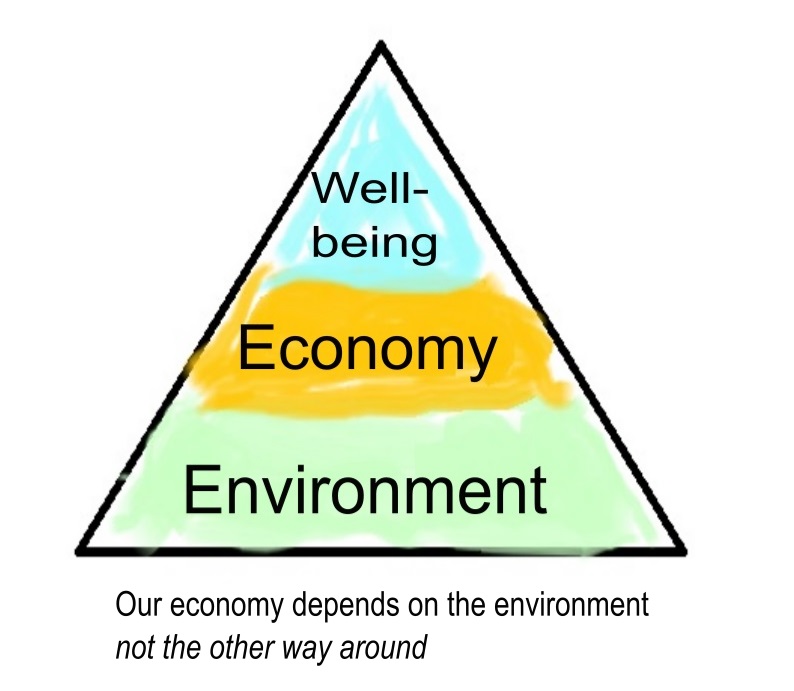
The global economy, driven by business, is dependent on healthy biodiversity and nature for materials, climate regulation, clean water, and pollination. However, the current economic system treats nature as free and infinite, creating perverse incentives for its exploitation. Businesses are largely rewarded for short-term profit, even when their activities degrade the natural systems they rely on, creating a huge risk to the economy and society, the report said.
It Must Be Business Unusual Now
Approved at the recent 12th session of the IPBES Plenary, held in Manchester, United Kingdom, the report calls for the end of business as usual. Global businesses, heavily dependent on nature and impacted by nature, must quickly change their operations or face collapse.
“Businesses and other key actors can either lead the way towards a more sustainable global economy or ultimately risk extinction… both of species in nature but potentially also their own,” noted the report.
Based on thousands of sources and prepared over three years by 79 leading experts from 35 countries from all regions of the world, the report is the first assessment of the impacts and dependencies of business on biodiversity and nature’s contributions to people.
Current conditions perpetuate business as usual and do not support the transformative change necessary to halt and reverse biodiversity loss, said the report, pointing out that large subsidies that drive biodiversity losses are directed to business activities with the support of businesses and trade associations………………………………………………………………………………………………………………………………………………………………………………………………………………
An Enabling Environment Is Good for Biodiversity
The report offers a key solution of creating a new “enabling environment” where what is profitable for business aligns with what is good for biodiversity and society. Current conditions — laws, financial systems, corporate reporting rules, and cultural norms — do not reward businesses for protecting nature.
There are many barriers to protecting nature, such as the focus on short-term profits versus long-term ecological cycles. In addition, there is a lack of mandatory disclosure and accountability for environmental impacts, inadequate data, metrics, and capacity within the business community, as well as the failure to integrate Indigenous and local knowledge in biodiversity protection.
The creation of an enabling environment needs coordinated action policy and legal frameworks where governments should integrate biodiversity into all trade and sectoral policies. Besides, there is a need to redirect the USD 7.3 trillion in harmful flows using taxes, green bonds, and sustainability-linked loans to reward positive action.
Businesses must engage with Indigenous Peoples and local communities with Free, Prior, and Informed Consent (FPIC), while access to and sharing of location-specific data on business activities and biodiversity should be improved. Leverage technology such as remote sensing and artificial intelligence for better monitoring and traceability across business supply chains………………………………………………………………………………………………………………………………………….
The report underscored that we cannot business-as-usual our way out of the biodiversity crisis. Governments need to stop incentivising the destruction of biodiversity and start rewarding environmental stewardship. Besides, business leaders should now integrate natural capital accounting into their business strategy to disclose their environmental footprint while contributing to a positive global economy.
The evidence is clear: our economic prosperity is inextricably linked to nature’s health, and we are severing that vital link at our peril.
No comments yet.
1 This Month


18 March Webinar @ 1 PM EST: An Assessment of SMR Projects: The Case of Canada
register for the zoom:
https://us02web.zoom.us/webinar/register/WN_o8BIIOUvQ2ONJR1nta65DQ#/registration


of the week – STOP SMALL MODULAR REACTORS IN CANADA
To see nuclear-related stories in greater depth and intensity – go to https://nuclearinformation.wordpress.com
-
Archives
- March 2026 (129)
- February 2026 (268)
- January 2026 (308)
- December 2025 (358)
- November 2025 (359)
- October 2025 (376)
- September 2025 (258)
- August 2025 (319)
- July 2025 (230)
- June 2025 (348)
- May 2025 (261)
- April 2025 (305)
-
Categories
- 1
- 1 NUCLEAR ISSUES
- business and costs
- climate change
- culture and arts
- ENERGY
- environment
- health
- history
- indigenous issues
- Legal
- marketing of nuclear
- media
- opposition to nuclear
- PERSONAL STORIES
- politics
- politics international
- Religion and ethics
- safety
- secrets,lies and civil liberties
- spinbuster
- technology
- Uranium
- wastes
- weapons and war
- Women
- 2 WORLD
- ACTION
- AFRICA
- Atrocities
- AUSTRALIA
- Christina's notes
- Christina's themes
- culture and arts
- Events
- Fuk 2022
- Fuk 2023
- Fukushima 2017
- Fukushima 2018
- fukushima 2019
- Fukushima 2020
- Fukushima 2021
- general
- global warming
- Humour (God we need it)
- Nuclear
- RARE EARTHS
- Reference
- resources – print
- Resources -audiovicual
- Weekly Newsletter
- World
- World Nuclear
- YouTube
-
RSS
Entries RSS
Comments RSS
 nuclear-news
Leave a comment