Who is to blame for blocking a new ‘golden era’ for nuclear power?
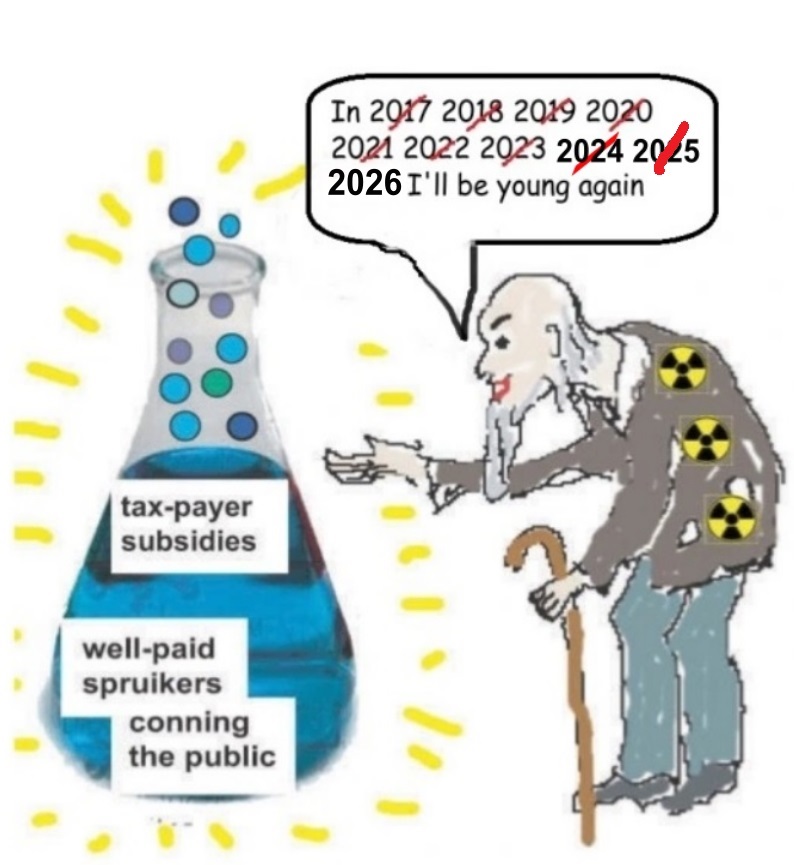
It is not the regulators or we so-called ‘blockers’ who are the main impediment to nuclear. It is the systemic failure of the nuclear industry to produce viable projects such as the much-hyped but non-existent Small Nuclear Reactors; its predictable inability to prevent cost overruns or to meet deadlines; let alone its lack of credible ideas to deal adequately with risk, safety and the management of its dangerous and interminable wastes. Nuclear is an industry that is bound to fail
7 January 2026, https://www.banng.info/news/regional-life/who-is-to-blame-for-blocking-nuclear-power/
Andrew Blowers tackles this question in the January edition of Regional Life magazine
The mantra that nuclear technology ‘is essential for achieving national security, energy security and Net Zero targets’ proclaimed by the Government’s Nuclear Regulatory Task Force has become the unequivocal, if deeply flawed, basis for government policy. The Government has pledged to ‘turbo-charge the build-out of new nuclear power stations and enter a ‘golden era’ of nuclear power.
Standing in its way are ‘gold-plated’ regulations and community groups like BANNG committed to protecting local environments, ecology and human health. The Task Force Review report just published (December) asserts, entirely without supporting evidence, that ‘The primary barrier’ to revitalising nuclear’s role is ‘systemic failure within the regulatory framework’.
So, here we have a familiar confrontation between energy and economic growth on the one side and environmental protection on the other. We have been here before. Every decade or so a new nuclear revival is promised but, after much huffing and puffing very little materialises. At the beginning of the century Tony Blair declared new nuclear was back ‘with a vengeance. In 2011 eight sites, including Bradwell, were declared ‘potentially suitable’ for new nuclear power plants.
In the event, only one, Hinkley Point, materialised and has become notorious for being too late, promised for 2017 but unlikely to power up until the next decade. Its cost overruns have become legendary. According to the Government, the culprits are environmental regulations and campaign groups who insist that previously agreed audio fish deterrents (AFDs) must be installed to help save millions of fish from becoming entrained and entrapped in the colossal intake and outflow pipes going into the Severn estuary. The developer has prevaricated, proposing cheaper but environmentally destructive methods of abatement. Politicians, including Sir Keir Starmer, have mindlessly mocked the ADF as a ‘fish disco’. It makes one wonder how they might deride oysters from the Blackwater if they stood in the way of nuclear power at Bradwell.

It is not the regulators or we so-called ‘blockers’ who are the main impediment to nuclear. It is the systemic failure of the nuclear industry to produce viable projects such as the much-hyped but non-existent Small Nuclear Reactors; its predictable inability to prevent cost overruns or to meet deadlines; let alone its lack of credible ideas to deal adequately with risk, safety and the management of its dangerous and interminable wastes. Nuclear is an industry that is bound to fail.
Meanwhile the importance of regulations imposed by independent regulators designed to protect people and the environment cannot be overstressed. And the essential role of community groups and councils in seeking to ensure the environmental protection and health and wellbeing of the places they represent is something to be cherished, not denigrated. It is a pity the Government does not see it that way.
7 January 2026
Andrew Blowers tackles this question in the January edition of Regional Life magazine
The mantra that nuclear technology ‘is essential for achieving national security, energy security and Net Zero targets’ proclaimed by the Government’s Nuclear Regulatory Task Force has become the unequivocal, if deeply flawed, basis for government policy. The Government has pledged to ‘turbo-charge the build-out of new nuclear power stations and enter a ‘golden era’ of nuclear power.
Standing in its way are ‘gold-plated’ regulations and community groups like BANNG committed to protecting local environments, ecology and human health. The Task Force Review report just published (December) asserts, entirely without supporting evidence, that ‘The primary barrier’ to revitalising nuclear’s role is ‘systemic failure within the regulatory framework’.
So, here we have a familiar confrontation between energy and economic growth on the one side and environmental protection on the other. We have been here before. Every decade or so a new nuclear revival is promised but, after much huffing and puffing very little materialises. At the beginning of the century Tony Blair declared new nuclear was back ‘with a vengeance. In 2011 eight sites, including Bradwell, were declared ‘potentially suitable’ for new nuclear power plants.
In the event, only one, Hinkley Point, materialised and has become notorious for being too late, promised for 2017 but unlikely to power up until the next decade. Its cost overruns have become legendary. According to the Government, the culprits are environmental regulations and campaign groups who insist that previously agreed audio fish deterrents (AFDs) must be installed to help save millions of fish from becoming entrained and entrapped in the colossal intake and outflow pipes going into the Severn estuary. The developer has prevaricated, proposing cheaper but environmentally destructive methods of abatement. Politicians, including Sir Keir Starmer, have mindlessly mocked the ADF as a ‘fish disco’. It makes one wonder how they might deride oysters from the Blackwater if they stood in the way of nuclear power at Bradwell.
It is not the regulators or we so-called ‘blockers’ who are the main impediment to nuclear. It is the systemic failure of the nuclear industry to produce viable projects such as the much-hyped but non-existent Small Nuclear Reactors; its predictable inability to prevent cost overruns or to meet deadlines; let alone its lack of credible ideas to deal adequately with risk, safety and the management of its dangerous and interminable wastes. Nuclear is an industry that is bound to fail.
Meanwhile the importance of regulations imposed by independent regulators designed to protect people and the environment cannot be overstressed. And the essential role of community groups and councils in seeking to ensure the environmental protection and health and wellbeing of the places they represent is something to be cherished, not denigrated. It is a pity the Government does not see it that way.
No comments yet.
1 This Month

of the week – Shut Down Drone Warfare!


Tell the Ukrainian Government to Drop Prosecution of Peace Activist Yurii Sheliazhenko

Petition to revoke the licensing of the Near Surface Nuclear Disposal Facility (NSDF) at Chalk River. https://www.ourcommons.ca/petitions/en/Petition/Details?Petition=e-7247
To see nuclear-related stories in greater depth and intensity – go to https://nuclearinformation.wordpress.com
-
Archives
- April 2026 (7)
- March 2026 (251)
- February 2026 (268)
- January 2026 (308)
- December 2025 (358)
- November 2025 (359)
- October 2025 (376)
- September 2025 (257)
- August 2025 (319)
- July 2025 (230)
- June 2025 (348)
- May 2025 (261)
-
Categories
- 1
- 1 NUCLEAR ISSUES
- business and costs
- climate change
- culture and arts
- ENERGY
- environment
- health
- history
- indigenous issues
- Legal
- marketing of nuclear
- media
- opposition to nuclear
- PERSONAL STORIES
- politics
- politics international
- Religion and ethics
- safety
- secrets,lies and civil liberties
- spinbuster
- technology
- Uranium
- wastes
- weapons and war
- Women
- 2 WORLD
- ACTION
- AFRICA
- Atrocities
- AUSTRALIA
- Christina's notes
- Christina's themes
- culture and arts
- Events
- Fuk 2022
- Fuk 2023
- Fukushima 2017
- Fukushima 2018
- fukushima 2019
- Fukushima 2020
- Fukushima 2021
- general
- global warming
- Humour (God we need it)
- Nuclear
- RARE EARTHS
- Reference
- resources – print
- Resources -audiovicual
- Weekly Newsletter
- World
- World Nuclear
- YouTube
-
RSS
Entries RSS
Comments RSS
 nuclear-news
Leave a comment