Microsoft wants to resurrect Three Mile Island. It will never happen.
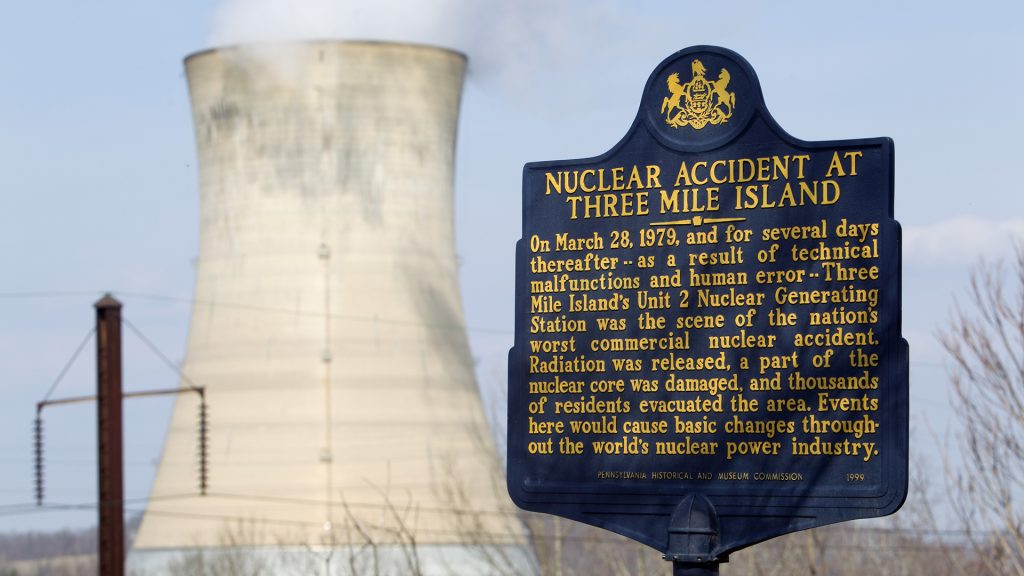
regulatory barriers are just the start. Nuclear reactors can’t be simply switched back on like a light bulb. They’re more like a car left undriven in a garage for too long with old oil, putrid gasoline, rat-chewed wires and a rusty frame — except that nuclear plants are infinitely more complicated than any car.
The Hill. by Neil Chatterjee, opinion contributor – 01/02/26
Microsoft and Constellation Energy have spent the last year trying to resurrect the Three Mile Island Nuclear power plant in Pennsylvania. The plant shut down in 2019 under economic pressure, after a separate part of the facility was decommissioned following a partial meltdown in 1979.
The effort is laudable, especially in light of Microsoft’s rapidly rising demand for [?] clean energy to fuel its artificial intelligence data centers. Unfortunately, it will never work. A fully shut-down nuclear plant has never been restarted in America for good reason: There are too many regulatory, material and logistical hurdles to overcome.
So far, Constellation Energy has painted a rosy picture. It originally stated the plant would be back online by 2028. Then, in early 2025, it revised its estimated opening date to 2027 following various inspections and the restoration of the plant’s water systems.
But traditional nuclear projects have a long history of going over budget and past schedule. A big factor is that the U.S. regulatory environment is not friendly to traditional nuclear power.
As the former head of the Federal Energy Regulatory Commission in the first Trump administration, I have seen firsthand how red tape can choke even the best-intentioned projects under goodwill regulators. Reactors that were permanently shut down must go through an extensive regulatory review process and request special exemptions for both their operations and use of radioactive fuel.
Constellation Energy and Microsoft have some solace in that the Department of Energy offered their project public support. But the Department of Energy isn’t the only player in town.
To ensure safety, Three Mile Island will also have to pass rigorous rounds of inspections, receive environmental approval and get the green light from the likes of the Environmental Protection Agency, the U.S. Nuclear Regulatory Commission, FERC and other state and local offices.
Even under a pro-business, pro-energy, regulation-slashing Trump administration, this is quite a gauntlet — especially because pro-nuclear government officials may nevertheless be hemmed in by existing laws and review processes outside of their control.
If regulatory barriers were the only holdup, perhaps there would be reasons to be more bullish on Three Mile Island. After all, President Trump has offered full support to nuclear energy and is committed to winning the energy-intensive AI race against China, red tape or not.
But regulatory barriers are just the start. Nuclear reactors can’t be simply switched back on like a light bulb. They’re more like a car left undriven in a garage for too long with old oil, putrid gasoline, rat-chewed wires and a rusty frame — except that nuclear plants are infinitely more complicated than any car.
At Three Mile Island, the reactor vessel could be brittle and fatigued. The core rods may need to be refurbished, the steam generators might have corroded, the turbines may break after not being rotated for years. And we know the cooling tower was partially removed as a fire hazard.
Replacing and restoring this equipment and more will not come cheaply. Constellation Energy originally projected it would take $1.6 billion to bring the facility back onto the grid, but that was before it fully cracked open the hood.
Then there are the basic economic realities of traditional reactors. Three Mile Island, Indian Point, Crystal River and others were shut down not because they were unsafe or failed to produce energy, but because maintenance was costly and they couldn’t keep up with the low price of other energy sources like natural gas.
As energy demand rises, those costs may become more comparable. But restarting Three Mile Island is still an expensive bet that will take years or decades of the right economic conditions to pay off.
And all of this does not even count the difficulties with accessing or creating a supply chain for nuclear fuel and long-unused components, integrating with the local electricity grid, hiring and training a highly competent workforce and overcoming the (unjustified) cultural stigma against a power plant that shares a name with the only major nuclear meltdown in American history…………………………… https://thehill.com/opinion/energy-environment/5667831-microsoft-constellation-nuclear-challenges/
No comments yet.
1 This Month

of the week – Shut Down Drone Warfare!


Tell the Ukrainian Government to Drop Prosecution of Peace Activist Yurii Sheliazhenko

Petition to revoke the licensing of the Near Surface Nuclear Disposal Facility (NSDF) at Chalk River. https://www.ourcommons.ca/petitions/en/Petition/Details?Petition=e-7247
To see nuclear-related stories in greater depth and intensity – go to https://nuclearinformation.wordpress.com
-
Archives
- April 2026 (7)
- March 2026 (251)
- February 2026 (268)
- January 2026 (308)
- December 2025 (358)
- November 2025 (359)
- October 2025 (376)
- September 2025 (257)
- August 2025 (319)
- July 2025 (230)
- June 2025 (348)
- May 2025 (261)
-
Categories
- 1
- 1 NUCLEAR ISSUES
- business and costs
- climate change
- culture and arts
- ENERGY
- environment
- health
- history
- indigenous issues
- Legal
- marketing of nuclear
- media
- opposition to nuclear
- PERSONAL STORIES
- politics
- politics international
- Religion and ethics
- safety
- secrets,lies and civil liberties
- spinbuster
- technology
- Uranium
- wastes
- weapons and war
- Women
- 2 WORLD
- ACTION
- AFRICA
- Atrocities
- AUSTRALIA
- Christina's notes
- Christina's themes
- culture and arts
- Events
- Fuk 2022
- Fuk 2023
- Fukushima 2017
- Fukushima 2018
- fukushima 2019
- Fukushima 2020
- Fukushima 2021
- general
- global warming
- Humour (God we need it)
- Nuclear
- RARE EARTHS
- Reference
- resources – print
- Resources -audiovicual
- Weekly Newsletter
- World
- World Nuclear
- YouTube
-
RSS
Entries RSS
Comments RSS
 nuclear-news
Leave a comment