USA’s Risky Nuclear Policies
Alan J. Kuperman, Ph.D., Associate Professor, LBJ School of Public AffairsCoordinator, Nuclear Proliferation Prevention Project (www.NPPP.org)University of Texas at Austin, 2 Dec 2025
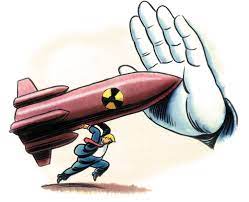
At least six recent policy changes threaten to increase proliferation risk:
Uranium enrichment. The US had opposed spread of this technology for half a century because any facility for peaceful enrichment of reactor fuel could also produce highly enriched uranium for nuclear weapons. But now the White House is exploring uranium enrichment in at least two countries – Saudi Arabia and South Korea – that previously have expressed desire for nuclear weapons.
Reprocessing waste. The US also had opposed this technology for half a century because it enables purification of plutonium for nuclear weapons. Now the White House “supports” South Korea starting to reprocess and is subsidizing US commercialization of this technology by a company seeking to export “on a global scale.”
“Fast” nuclear reactors. The US also is subsidizing commercial development of this exotic technology that originally was invented to maximize production of weapons-grade plutonium. It makes no sense for nuclear energy, since all prior efforts by countries to commercialize this technology have failed for 50 years – due to exorbitant cost and frequent fires.
HALEU fuel. Radically departing from all existing US nuclear powerplants, which use fuel that is unsuitable for weapons, the US government now is promoting HALEU fuel – both for domestic and exported reactors – which scientists warn could readily be used to make bulky but effective nuclear weapons.
Online refueling. A traditional barrier to proliferation has been that fuel could not be removed from nuclear powerplants while they were operating, so inspectors could simply focus on refueling operations every year or two during shutdowns. However, the US government now is promoting reactors with online refueling, which enable fuel to be removed at any time, making it hard or impossible to detect diversion.
Reduced security. The US government also is seeking to cut costs for smaller reactors by reducing or eliminating defenses against attack, such as exclusion zones and armed guards, which is especially dangerous for plants fueled by HALEU or plutonium – both suitable for nuclear weapons.
A Wiser Path
The responsible growth of nuclear energy requires a more prudent course, based on time-tested policies and technologies. Enrichment should be limited to existing producers, which would not only inhibit proliferation but also reduce costs via economies of scale. Reprocessing should be opposed outright, since all versions enable purification of plutonium for weapons, according to six US national laboratories. Fast reactors should be avoided because they foster proliferation, raise costs, and create unique safety risks. HALEU fuel should be capped below 10 percent enrichment, not the current 20 percent, to block a relatively easy path to the bomb. Online refueling should be avoided so inspectors have better chance to detect and thereby deter diversions. Security standards should be sustained or upgraded, which would favor bigger reactors that also produce less expensive electricity. In short, the future of nuclear energy should largely resemble its recent past, which could promote security and affordability better than misguided new policies.
Fighting the Good Fight
This year, NPPP and a few others have tried to sound the alarm. In July, I helped organize a letter to Congress from experts including ex-officials under five US presidents, calling for a halt to policies that “could unintentionally threaten the economic viability of nuclear energy and increase risks of nuclear weapons spreading to adversaries.” I also published an article in Scientific American, after the bombing of Iran, arguing that, “It is far preferable to prevent the spread of nuclear-weapon-usable technologies in the first place.”
Regrettably, these sporadic efforts have hardly made a dent against the onslaught of disinformation, campaign contributions, and cronyism from purveyors of bomb-prone nuclear technology. Any hope of success requires a much larger, more coordinated, and better funded campaign – but charitable foundations so far have dismissed such proposals. I intend to keep trying, so please let me know if you can offer suggestions or financial support.
Paul Leventhal Fellows
Finally, a reminder that the NPPP continues to nurture the next generation of nuclear security professionals by awarding an annual Leventhal Fellowship for graduate students that intern at an organization dedicated to preventing the spread of weapons of mass destruction.
Alan J. Kuperman, Ph.D., Associate Professor, LBJ School of Public AffairsCoordinator, Nuclear Proliferation Prevention Project (www.NPPP.org)University of Texas at Austin
No comments yet.
1 This Month


18 March Webinar @ 1 PM EST: An Assessment of SMR Projects: The Case of Canada
register for the zoom:
https://us02web.zoom.us/webinar/register/WN_o8BIIOUvQ2ONJR1nta65DQ#/registration


of the week – STOP SMALL MODULAR REACTORS IN CANADA
To see nuclear-related stories in greater depth and intensity – go to https://nuclearinformation.wordpress.com
-
Archives
- March 2026 (139)
- February 2026 (268)
- January 2026 (308)
- December 2025 (358)
- November 2025 (359)
- October 2025 (376)
- September 2025 (258)
- August 2025 (319)
- July 2025 (230)
- June 2025 (348)
- May 2025 (261)
- April 2025 (305)
-
Categories
- 1
- 1 NUCLEAR ISSUES
- business and costs
- climate change
- culture and arts
- ENERGY
- environment
- health
- history
- indigenous issues
- Legal
- marketing of nuclear
- media
- opposition to nuclear
- PERSONAL STORIES
- politics
- politics international
- Religion and ethics
- safety
- secrets,lies and civil liberties
- spinbuster
- technology
- Uranium
- wastes
- weapons and war
- Women
- 2 WORLD
- ACTION
- AFRICA
- Atrocities
- AUSTRALIA
- Christina's notes
- Christina's themes
- culture and arts
- Events
- Fuk 2022
- Fuk 2023
- Fukushima 2017
- Fukushima 2018
- fukushima 2019
- Fukushima 2020
- Fukushima 2021
- general
- global warming
- Humour (God we need it)
- Nuclear
- RARE EARTHS
- Reference
- resources – print
- Resources -audiovicual
- Weekly Newsletter
- World
- World Nuclear
- YouTube
-
RSS
Entries RSS
Comments RSS
 nuclear-news
Leave a comment