Sizewell C. Taxpayers likely to see ‘no return’ on £6.4bn public funds put in as equity
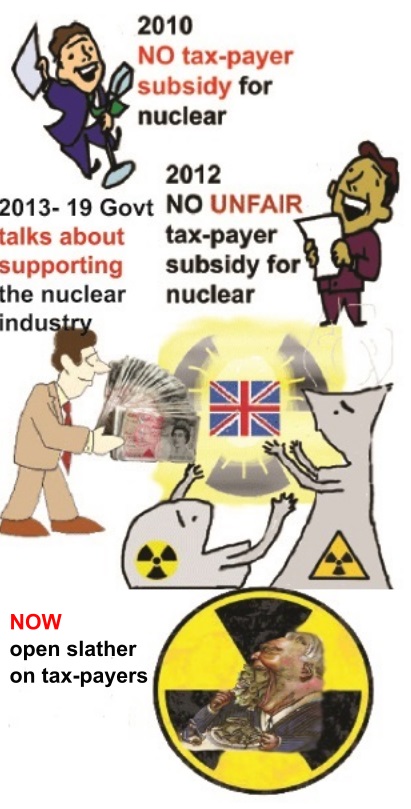
taxpayers are getting no return whatsoever on the £6.4bn they are putting in as equity, so from a taxpayer point of view it is dreadful.
10 Nov, 2025, By Tom Pashby, New Civil Engineer
Taxpayers will see “no return whatsoever” on the £6.4bn that the government is committing in equity to Sizewell C, according to an energy policy expert.
Earlier in November 2025, Sizewell C reached financial close with a £5bn funding injection from 13 banks paving the way for full-scale construction.
The deal secures around £5.5bn of new financing consisting of a £5bn export credit-backed facility arranged by Bpifrance Assurance‑Export (BpifranceAE) with support from Sfil, and a separate £500M working capital facility.
These facilities sit alongside a term loan provided by the UK’s National Wealth Fund and the equity that was raised earlier this year following the Final Investment Decision (FID) for the Suffolk nuclear power plant in July.
In April 2025, the government announced that a further £2.7bn of taxpayer cash had been made available for Sizewell C, bringing the total to £6.4bn ahead of the FID on the nuclear power station.
The agreements on private investment to build the new nuclear power station have been reached through the government agreeing to use the Regulated Asset Base (RAB) model. RAB works by having consumers pay a surcharge on their bills during the construction phase, which helps lower the cost of capital and reduces the financial risk for investors. This surcharge will be added to bills through the construction and for the first three years of operation. It goes towards paying back the private entities for their investment and, according to the government, will mean lower bills for consumers over the long term. Ofgem, as the regulator, sets the allowed revenue to ensure costs are incurred efficiently and consumers get value for money.
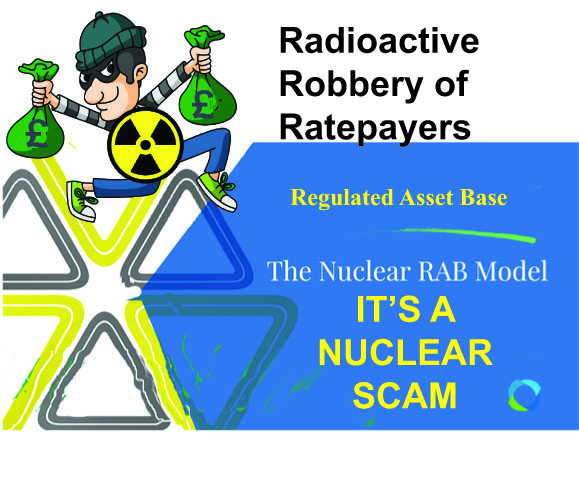
However, University of Greenwich emeritus professor of energy policy Steve Thomas is scptical about this, given that the current official estimate of £38bn to build Sizewell C is at the lower end of the range of likely costs and this is in 2024 prices, with inflation pushing it up all the time.
Additionally, there is no official timeline for construction completion. As has been seen with Hinkley Point C, cost and schedule overruns come with the territory.
He told NCE: “From 1 December 2025, consumers will start to pay a surcharge on the electricity bills to pay for the return being paid to investors (10.8% real) on their equity contribution (35% of the costs) and the interest payments on the loans, expected to be 4.5% (real).
“A bit of arithmetic suggests the surcharge will be split 44% interest payments and 56% rate of return on equity.
“The Low Carbon Contracts Company has said the surcharge in the period up to the end of March 2027 will be £3.54/MWh.”
He added that the £3.54/MWh figure would subsequently be updated annually based on the latest cost calculations.
“Ofgem says the average domestic consumer uses 2,700kWh per year so that amounts to about £9.56 per consumer in the first year,” he said. He believes this could rise to £62.70 per year by the end of the surcharge period.
“The government has said it will recycle its income from the surcharge back to electricity consumers, but we don’t know and nor does the government how it will do this and what proportion of the surcharge it receives will go back to consumers.
“Recycling the income means the government is giving consumers the interest that is paid to the National Wealth Fund on borrowing of £11.8bn and taxpayers are getting no return whatsoever on the £6.4bn they are putting in as equity, so from a taxpayer point of view it is dreadful.
Sizewell C ‘fails miserably’ on transparency – campaigner
Stop Sizewell C executive director Alison Downes said: “If Sizewell C can publicly state it expects the project to cost £38bn, why won’t they tell us when we can expect to see first power?
“Given that the British public is largely paying for Sizewell C through our taxes and energy bills, don’t we have the right to know how long it will take?
“Cynically this sounds like a ‘learning’ from Hinkley Point C – don’t tell people when it will be finished so you can’t be criticised for missing your deadlines. As an exercise in transparency, it fails miserably.”………………. https://www.newcivilengineer.com/latest/sizewell-c-consumers-like-to-see-no-return-on-6-4bn-public-funds-put-in-as-equity-10-11-2025/
No comments yet.
1 This Month


18 March Webinar @ 1 PM EST: An Assessment of SMR Projects: The Case of Canada
register for the zoom:
https://us02web.zoom.us/webinar/register/WN_o8BIIOUvQ2ONJR1nta65DQ#/registration


of the week – STOP SMALL MODULAR REACTORS IN CANADA
To see nuclear-related stories in greater depth and intensity – go to https://nuclearinformation.wordpress.com
-
Archives
- March 2026 (129)
- February 2026 (268)
- January 2026 (308)
- December 2025 (358)
- November 2025 (359)
- October 2025 (376)
- September 2025 (258)
- August 2025 (319)
- July 2025 (230)
- June 2025 (348)
- May 2025 (261)
- April 2025 (305)
-
Categories
- 1
- 1 NUCLEAR ISSUES
- business and costs
- climate change
- culture and arts
- ENERGY
- environment
- health
- history
- indigenous issues
- Legal
- marketing of nuclear
- media
- opposition to nuclear
- PERSONAL STORIES
- politics
- politics international
- Religion and ethics
- safety
- secrets,lies and civil liberties
- spinbuster
- technology
- Uranium
- wastes
- weapons and war
- Women
- 2 WORLD
- ACTION
- AFRICA
- Atrocities
- AUSTRALIA
- Christina's notes
- Christina's themes
- culture and arts
- Events
- Fuk 2022
- Fuk 2023
- Fukushima 2017
- Fukushima 2018
- fukushima 2019
- Fukushima 2020
- Fukushima 2021
- general
- global warming
- Humour (God we need it)
- Nuclear
- RARE EARTHS
- Reference
- resources – print
- Resources -audiovicual
- Weekly Newsletter
- World
- World Nuclear
- YouTube
-
RSS
Entries RSS
Comments RSS
 nuclear-news
Leave a comment