Remembering the fight to make Sebastopol a “nuclear-free zone”

Forty years ago, local activists kicked off a campaign to declare Sebastopol “nuclear free”
Sebastopol Times, Albert Levine and Laura Hagar Rush, Sep 21, 2025, https://www.sebastopoltimes.com/p/remembering-the-fight-to-make-sebastopol
When you drive into Sebastopol, an official city sign welcomes you to town and informs you that you have entered a Nuclear Free Zone.
Those too young to remember the anti-nuclear movement of the 1970s and 80s can be excused for thinking, “Wha…?”
This is the story of that sign and the movement behind it.
The long march of the anti-nuclear movement
The anti-nuclear movement in the United States began almost as soon as the United States dropped two atomic bombs on Japan in August of 1945. J. Robert Oppenheimer, often called “the father of the atomic bomb,” became part of a growing movement opposed to the development of nuclear weapons in the 1950s. He paid for his opposition with the loss of his U.S. security clearance and the loss of his job at the Atomic Energy Commission.
But the movement continued apace, growing over the years on college campuses, eventually blending with the anti-war movement of the sixties and the burgeoning environmental movement of the 1970s.
To be clear, nuclear energy and nuclear weapons are separate things. One heats your home, the other blows it up. But they’re entwined because the process of producing nuclear energy also produces material that can be used in nuclear weapons. Nuclear energy production also produces radioactive waste, which is difficult (some say impossible) to store safely.
But it wasn’t until the nuclear accident at Three-Mile Island in 1979—which was turned into a 1983 hit movie, “Silkwood,” starring Meryl Streep and Cher—that opposition to nuclear energy went mainstream……………………………………
From the sixties onward, there was also a sea change in people’s attitude toward authority.
“People tended to believe that the government was looking out for their best interests and slowly, people came to realize that the government doesn’t always look out for your best interest,” said James. “Therefore, you have to question what they’re doing.”
Sebastopol picks up the gauntlet
It was in this environment that, in 1984, Sebastopol architect John Hughes formed a group called Nuclear Free Sebastopol, which worked to get the Nuclear Free Zone initiative on the Sebastopol ballot.
………………………………………………………… the council voted 3 to 2 to place the measure on the ballot.
The measure was initially scheduled to go on the November 1986 ballot, but after pressure from activists, that was moved up to the June 1986 ballot. It was named Measure A, and it passed with 73% of the vote.
According to a Sebastopol Times article, dated June 12-June 18, 1986, activists made sure the city posted the new “Nuclear Free Zone” sign the day after the vote was made official.
…………………………………..Sebastopol’s Nuclear Free Zone ordinance reads as follows:
The City Council shall place and maintain a sign reading “Nuclear-Free Zone” at all City limit signpost locations. The sign shall be clearly visible and its letters at least equal in size to those on the nearest City limit sign.
…………………………………………………….Other nuclear-free zone efforts in Sonoma County
There were two other attempts in Sonoma County to declare other nuclear-free zones: one in Camp Meeker, which took place before the Sebastopol campaign, and a county-wide measure, Measure B. Both went down to defeat.
………………………………………………………………………………………………………. Ernie Carpenter, who lives in West County, was on the Sonoma County Board of Supervisors at the time.
“The issue of war comes and goes, but it never really goes. And the issue of nuclear weapons never really goes.” said Carpenter.
“There were a couple of businesses that kind of led the charge against [Measure B], because it hurt them. I think the populists mainly turned it down because they didn’t see it as the business of local government,” he said.
“[But] it must have worked, because we haven’t had any nuclear weapons or applications to build bombs in Sonoma County. It’s really an expression of the people, and the people need to keep making these expressions and keep pushing on the gates. It does have an impact, but it’s not always clear-cut. Ask the suffragettes—it takes a long time.”
Looking forward
When asked if he saw a future where the production of any bombs or weapons would be prohibited from being manufactured or transported through Sonoma County, Carpenter said, “Never say never.”
Some local activists, for example, have protested against General Dynamics, the world’s fifth-largest weapons manufacturer, which operates a facility in Healdsburg, which has a role in producing weapons to be used in Gaza………………………https://www.sebastopoltimes.com/p/remembering-the-fight-to-make-sebastopol
8.20.010 Declarations.
The people of Sebastopol hereby declare it to be a nuclear-free zone. No nuclear weapon shall be produced, transported, stored, processed, disposed of, nor used, within Sebastopol. No facility, equipment, supply or substance for the production, storage, processing, disposal or use of nuclear weapons, except radioactive materials for medical purposes, shall be allowed in Sebastopol.
8.20.020 Signs.
and
Sep 21, 2025
No comments yet.
1 This Month
To see nuclear-related stories in greater depth and intensity – go to https://nuclearinformation.wordpress.com/
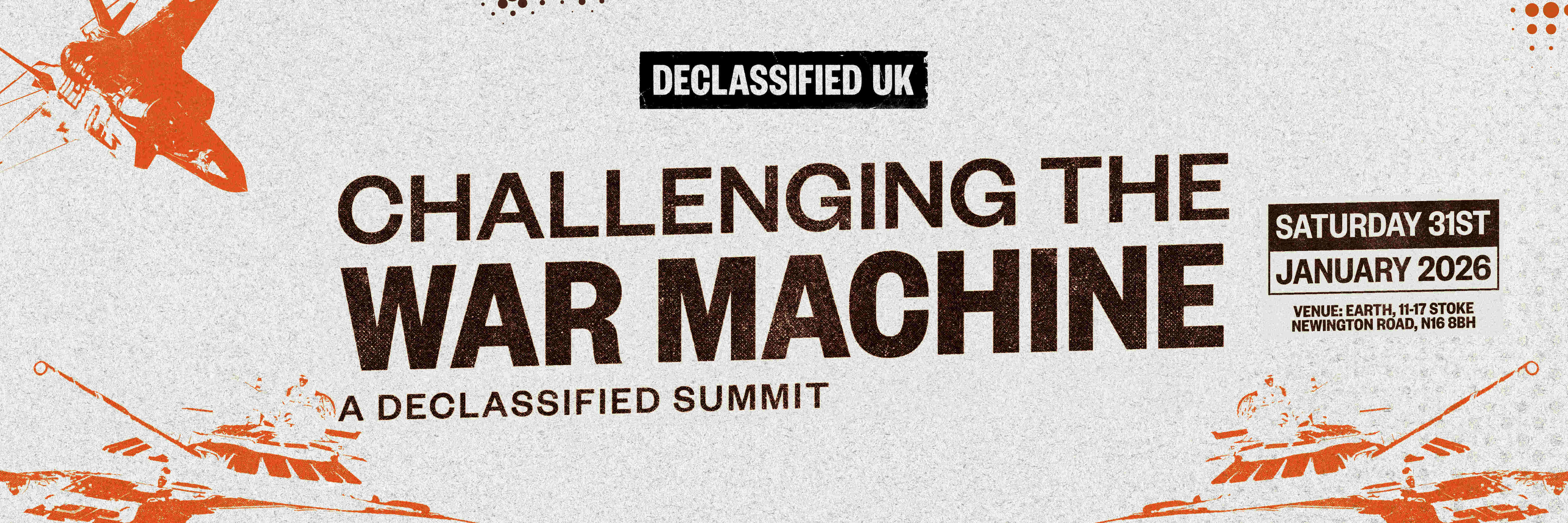
31st January – Challenging the War Machine – a DECLASSIFIED UK SUMMIT


Website of the Week
Now until to February 10, 2026 Radioactive waste storage in France: the debate is finally open! How to participate?
-
Archives
- January 2026 (306)
- December 2025 (358)
- November 2025 (359)
- October 2025 (376)
- September 2025 (258)
- August 2025 (319)
- July 2025 (230)
- June 2025 (348)
- May 2025 (261)
- April 2025 (305)
- March 2025 (319)
- February 2025 (234)
-
Categories
- 1
- 1 NUCLEAR ISSUES
- business and costs
- climate change
- culture and arts
- ENERGY
- environment
- health
- history
- indigenous issues
- Legal
- marketing of nuclear
- media
- opposition to nuclear
- PERSONAL STORIES
- politics
- politics international
- Religion and ethics
- safety
- secrets,lies and civil liberties
- spinbuster
- technology
- Uranium
- wastes
- weapons and war
- Women
- 2 WORLD
- ACTION
- AFRICA
- Atrocities
- AUSTRALIA
- Christina's notes
- Christina's themes
- culture and arts
- Events
- Fuk 2022
- Fuk 2023
- Fukushima 2017
- Fukushima 2018
- fukushima 2019
- Fukushima 2020
- Fukushima 2021
- general
- global warming
- Humour (God we need it)
- Nuclear
- RARE EARTHS
- Reference
- resources – print
- Resources -audiovicual
- Weekly Newsletter
- World
- World Nuclear
- YouTube
-
RSS
Entries RSS
Comments RSS
 nuclear-news
Leave a comment