Children Starved In Plain Sight As Famine Confirmed In Gaza
CNN News 25 Aug 25
At least 132,000 children aged under five in Gaza are at risk of death from acute malnutrition as new data confirms famine in Gaza City and the surrounding area and warns this is likely to spread in the coming weeks, Save the Children said. The famine classification comes as the Integrated Food Security Phase Classification (IPC) also reported over half a million people in Gaza, about half of whom are children, are facing catastrophic hunger, the worst-case IPC Phase 5.
Only Liars And Manipulators Say Gaza Isn’t Starving.
Caitlin Johnstone, Aug 24, 2025, https://www.caitlinjohnst.one/p/only-liars-and-manipulators-say-gaza?utm_source=post-email-title&publication_id=82124&post_id=171779133&utm_campaign=email-post-title&isFreemail=true&r=1ise1&triedRedirect=true&utm_medium=email
Israeli news outlet Haaretz has published a harrowing report on starvation in Gaza which further discredits the Israeli narrative that the photos of skeletal children we’ve been seeing are antisemitic Hamas propaganda, for anyone who’s still clinging to delusions about such things.
Haaretz reporters were taken by doctors on video tours of hospitals in Gaza, conducting interviews with numerous medical personnel and obtaining many photos of civilians showing signs of extreme starvation. Throughout the report we encounter story after story of severely emaciated children, mothers unable to breastfeed starving babies because of their own starvation, people with preexisting conditions severely exacerbated by malnutrition, diseases spreading due to crippled healthcare infrastructure and ruined immune systems, and wounds failing to heal due to inadequate food intake.
The article is one of the more uncomfortable things I’ve seen throughout the entirety of this genocide, and that’s saying something.
“What we saw there left no room for doubt about the scale of the horror,” write Haaretz reporters Yarden Michaeli and Nir Hasson.
“Seventeen youngsters had deteriorated into a state of severe malnutrition without preexisting health conditions; 10 suffered from previous illnesses,” they write, saying “Anyone who claims that the images of starvation in the Gaza Strip are a result of acute genetic or other diseases, and not due to a grave shortage of food, are lying to themselves.”
This comes as the UN-backed Integrated Food Security Phase Classification (IPC) formally declares that the people of Gaza are suffering from a famine that “is entirely man-made”, which must be halted and reversed with extreme urgency.
Israel has of course denounced the IPC’s findings as antisemitic Hamas propaganda, with the Israeli Foreign Ministry saying that “The entire IPC document is based on Hamas lies laundered through organizations with vested interests,” and Benjamin Netanyahu branding the report “a modern blood libel, spreading like wildfire through prejudice.”
You might find this response ridiculous, and of course it is, but really, what else does Israel have left? When all major human rights institutions are accusing you of horrific crimes, your only options are either (A) admit the obvious fact that there’s no way every single mainstream humanitarian organization is lying about your actions, or (B) claim that they’re all in on a giant globe-spanning conspiracy because of a nefarious prejudice against your religion.
Of course they’re going to go with (B). This is Israel we’re talking about, after all.
When a nation keeps having to publish denials that it is intentionally starving civilians, you can safely assume it’s because that nation is intentionally starving civilians. If you saw someone on social media loudly denying the latest allegations that they are a child molester over and over again for two years, you probably wouldn’t let them babysit your kids.
I have never once felt the need to publish a denial that I am intentionally starving people, because I have never intentionally starved anyone. It’s not something I’ve ever found myself needing to say even one time, let alone many many times constantly.
You don’t see the government of Ireland constantly denying that Ireland is intentionally starving civilians, because Ireland is not intentionally starving civilians.
You don’t see pro-China spinmeisters frantically churning out propaganda denying that China is intentionally starving civilians, because China is not intentionally starving civilians.
You don’t see Brazilian internet trolls aggressively swarming the comments of anyone who says Brazil is intentionally starving civilians, because Brazil is not intentionally starving civilians.
You don’t see the Pakistani government paying social media influencers to assert on their platforms that Pakistan is not intentionally starving civilians, because Pakistan is not intentionally starving civilians.
You see an intense campaign of narrative management aimed at denying that Israel has been intentionally starving civilians because Israel is intentionally starving civilians. That’s why all the constant government denials, the endless propaganda and spin pieces and PR stunts, and relentless online trolling operations have been necessary.
Most Israel apologia at this point is just people pretending to believe things they don’t really believe. Palestinians aren’t really being starved. Gaza looks like a gravel parking lot because Hamas put explosives in all the buildings. The IDF has a low civilian-to-combatant kill ratio. Gaza’s entire healthcare infrastructure was destroyed because Hamas was hiding under all the hospitals. Nobody actually believes these things. They’re just pretending to believe them in order to justify genocidal atrocities and help ensure that they continue.
Why New Large and Small Nuclear Reactors are Not Green.
August 20, 2025, By: Mark Z. Jacobson, https://nationalinterest.org/blog/energy-world/why-new-large-and-small-nuclear-reactors-are-not-green
Despite their considerable allure in the eyes of many, and despite being put forth as the cure to the energy crisis, nuclear reactors are not green.

Air pollution, global warming, and energy security are three of the biggest problems facing the world. Many have suggested that new nuclear reactors can help solve these problems. However, due to the long time from planning to operation alone, new reactors are useless for solving any of these problems. This is just one of seven issues with nuclear electricity that illustrate why it can’t be classified as “green.” Developing more clean, renewable energy is a viable solution.
Long Planning-to-Operation Time
The planning-to-operation (PTO) time of a nuclear reactor includes the time to identify a site, obtain a site permit, purchase or lease the land, obtain a construction permit, finance and insure the construction, install transmission, negotiate a power purchase agreement, obtain permits, build the plant, connect it to transmission, and obtain an operating license.
New reactors now require PTO times of seventeen to twenty-three years in North America and Europe and twelve to twenty-three years worldwide. The only two reactors built from scratch in the United States since 1996 were two in Georgia. They had PTO times of seventeen and eighteen years (construction times of ten and eleven years). The Olkiluoto 3 reactor in Finland began operating in 2023 after a PTO time of twenty-three years. A French reactor began operating in 2024 after a PTO time of twenty years. Hinkley Point C in the UK is estimated to have a PTO time of up to twenty-three years. Four UAE reactors had PTO times of twelve to fifteen years (construction times of nine years). A Chinese reactor in Shidao Bay had a PTO time of seventeen years. China’s Haiyang 1 and 2 had PTO times of thirteen and fourteen years. No reactor in history has had a PTO time of less than ten years. Today, that number is twelve years,
Wind and solar take only two to five years. Rooftop PV is down to six months. Thus, new nuclear is useless, but renewables are not, for solving the three world problems, which need an eighty percent solution by 2030 and 100 percent renewable by 2035 to 2050.
Cost
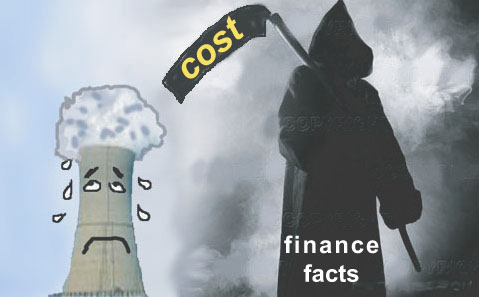
The 2025 cost of electricity for the new Vogtle nuclear reactors is $199 (169 to 228) per megawatt-hour. This compares with $61.5 (thirty-seven to eighty-six) for onshore wind and $58 (thirty-eight to seventy-eight) for utility-scale solar PV. Thus, new nuclear costs three (two to 6.2) times as much as new solar and wind. But nuclear’s cost does not include the cost to clean up the three Fukushima Dai-ichi reactor meltdowns, estimated at $460 to $640 billion, or ten to 18.5 percent of the capital cost of every reactor worldwide. Also, the cost of storing nuclear waste for 200,000 years is ignored. About $500 million is spent yearly in the United States to safeguard waste.
Air Pollution and Global Warming From Nuclear
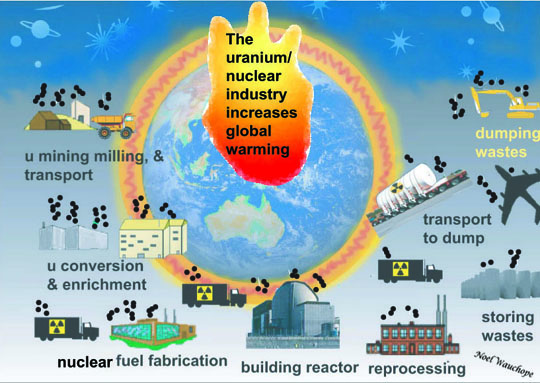
There is no such thing as a close-to-zero-emission nuclear power plant. Carbon-equivalent emissions per unit of electricity from new nuclear power plants are nine to thirty-seven times those of onshore wind. Higher nuclear emissions are due to emissions from the background electric grid during the long PTO time of nuclear as compared with that of wind, emissions from mining and refining uranium, emissions from constructing and decommissioning a reactor, and heat and water-vapor emissions during reactor operations.
Weapons Proliferation Risk
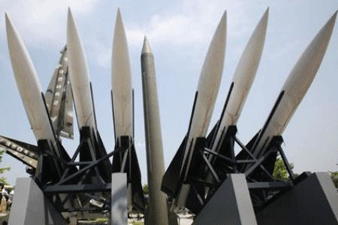
The growth of nuclear electricity has historically increased the ability of several nations, most recently Iran, to enrich uranium or harvest plutonium to build or attempt to build nuclear weapons. The Intergovernmental Panel on Climate Change (IPCC) states, with “robust evidence and high agreement,” that “barriers to and risks associated with an increasing use of nuclear energy include…nuclear weapons proliferation concerns…” Building a reactor allows a country to import and secretly enrich uranium and harvest plutonium from uranium fuel rods to help develop nuclear weapons. This does not mean every country will, but some have. Small modular reactors (SMRs) increase this risk, because SMRs can be sold more readily to and transported to countries without nuclear power.
Meltdown Risk
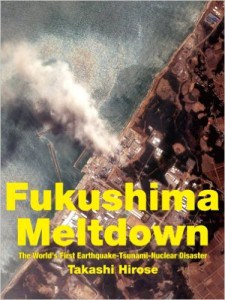
To date, 1.5 percent of all nuclear power plants built have melted down to some degree. Meltdowns have been either catastrophic (Chernobyl, Ukraine, in 1986; three reactors at Fukushima Dai-ichi, Japan, in 2011) or damaging (Three Mile Island, Pennsylvania, in 1979; Saint-Laurent, France, in 1980). The nuclear industry claims that new reactor designs are safe. But new designs are generally untested, and there is no guarantee that a new reactor will survive a disaster.
Waste Risk

Consumed fuel rods from nuclear reactors are radioactive waste. Most rods are stored near the reactor that used them. This has given rise to hundreds of radioactive waste sites that must be maintained for at least 200,000 years. The more nuclear waste that accumulates, the greater the risk of a leak that damages water supply, crops, animals, and/or humans.
Miining Lung Cancer Risk

Underground uranium mining, which is about half of all uranium mining, causes lung cancer in miners because uranium mines contain radon gas, some of whose decay products are carcinogenic. Wind and solar do not have this risk because they do not require continuous fuel mining, only one-time mining to produce the infrastructure, and such mining does not involve radon.
In sum, new nuclear takes seven to twenty-one years longer, costs two to 6.2 times as much, and emits nine to thirty-seven times the pollution per unit of electricity as new wind or solar. Beyond simply not being “green,” nuclear energy also has weapons proliferation risks, meltdown risks, waste risks, and mining lung cancer risks, which clean renewables avoid. SMRs will continue most of these problems and increase the risk of proliferation. In 2024, China added 378 gigawatts of wind, solar, and hydropower, ninety-five times the nuclear power it finished. Thus, even where nuclear is growing fastest, renewables are beating it by two orders of magnitude.
Finally, many existing reactors are so costly, their owners are demanding subsidies to stay open. But subsidizing existing nuclear may increase carbon emissions and costs versus replacing the plants with wind or solar.
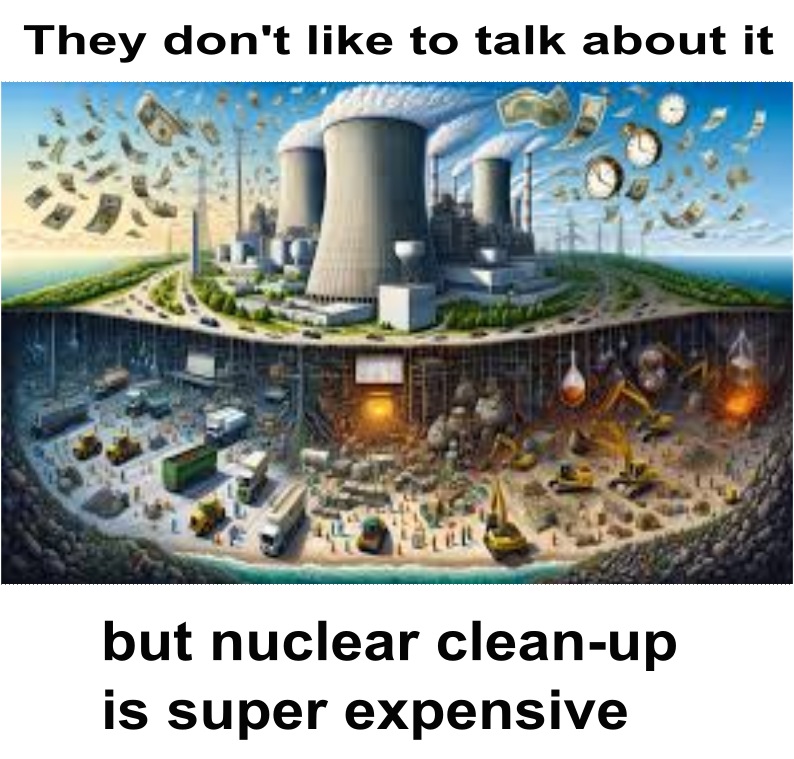
Ukraine Drone Strikes Hit Russia’s Nuclear Plant & Fuel Terminal | War Escalates
India Times 24 Aug 25
Ukraine has carried out a powerful drone strike on Russia, crippling the Kursk nuclear power plant and setting the Ust-Luga fuel export terminal ablaze. On Ukraine’s Independence Day (August 24), Russia reported intercepting 95 drones across more than a dozen regions.
At Kursk, a drone explosion damaged a transformer, forcing reactor No. 3 to reduce capacity by 50%. Meanwhile, in Ust-Luga, a drone slammed into a Novatek fuel tank, triggering a massive fire and black smoke visible for miles. The terminal is one of Russia’s most important energy hubs, exporting jet fuel and fuel oil to China, Singapore, and Turkey.
Earlier this month, Ukraine also struck the Rosneft refinery in Syzran, intensifying pressure on Russia’s military-industrial infrastructure. Despite Putin’s downplaying of casualties and radiation risk, Ukraine insists these strikes are retaliation for Russia’s relentless missile and drone attacks. This video covers the full story, analysis, and global implications.
Famine Officially Declared in Gaza After 2 Years of Near-Total Israeli Blockade.
“Worst fears being realised”: aid workers in Gaza react to famine declaration | The World | ABC NEWS
“As this Famine is entirely man-made, it can be halted and reversed. The time for debate and hesitation has passed, starvation is present and is rapidly spreading. There should be no doubt in anyone’s mind that an immediate, at-scale response is needed,”
Starvation is a critical part of Israel’s goal of inflicting conditions designed to bring about Palestinians’ physical destruction, as Amnesty International wrote earlier this month — and a key element of Israel’s genocide.
Since its establishment in 2004, the UN-backed IPC has only officially declared five famines.
By Sharon Zhang , Truthout, August 22, 2025, https://truthout.org/articles/famine-officially-declared-in-gaza-after-2-years-of-near-total-israeli-blockade/
The world’s leading food insecurity authority has officially declared famine in Gaza, after officials finally determined that Israel’s almost two year long, near-total blockade on the 2 million Palestinians in the Strip has created conditions so horrific they surpass those needed for a famine declaration.
The UN-backed Integrated Food Security Phase Classification (IPC) confirmed that famine is occurring in Gaza in a report on Friday.
“As of 15 August 2025, Famine (IPC Phase 5) — with reasonable evidence – is confirmed in Gaza Governorate,” the group said, referring to the region of Gaza encompassing Gaza City and surrounding areas. The experts said famine conditions are expected to spread to the areas of Deir al-Balah and Khan Younis by the end of September, barring a complete cessation of Israel and the U.S.’s starvation campaign.
The group said that over half a million Palestinians are facing Phase 5 food insecurity, which is the group’s most dire classification, of “catastrophe” or “famine.” About 1.1 million Palestinians, roughly half the population, are experiencing Phase 4 “emergency” levels of hunger, while the remaining population of roughly 200,000 are experiencing a food “crisis,” of Phase 3.
Israel’s famine “is a man-made disaster, a moral indictment — and a failure of humanity itself,” said UN Secretary-General António Guterres. “Famine is not about food; it is the deliberate collapse of the systems needed for human survival.”
Experts have long pointed out that conditions must be extremely dire for the IPC to classify a famine, as the group can only do so in response to escalated mortality and starvation rates. For months, Palestinians have pleaded for the entry of food, and humanitarian groups have warned of famine. But instead of allowing more aid, Israel and the U.S. came up with the Gaza Humanitarian Foundation (GHF) scheme that made getting food a death trap.
An official famine declaration is distinct from a Phase 5 classification. In order for the IPC to declare a famine, three criteria must be met. A fifth of the households in the area must be facing an “extreme lack of food”; 30 percent of children must be suffering from acute malnutrition; and the mortality rate for non-trauma deaths must be two adults per 10,000, or four children per 10,000 daily. The child malnutrition condition may also be met when 15 percent of children suffer from acute malnutrition as measured by the circumference of their arms.
The IPC has only declared a famine five times since it was established in 2004; once in Somalia, twice in South Sudan, and once in Sudan last year. The declaration in Gaza marks the first time it has ever been declared outside of the continent of Africa.
IPC noted that many of the elements of the famine in Gaza are unprecedented.
“Never before has the [Famine Review Committee] had to return so many times to the same crisis; a stark reflection of how suffering has not only persisted but intensified and spread until famine has begun to emerge,” the group wrote in its report.
“As this Famine is entirely man-made, it can be halted and reversed. The time for debate and hesitation has passed, starvation is present and is rapidly spreading. There should be no doubt in anyone’s mind that an immediate, at-scale response is needed,” it went on.
Israel has escalated its starvation campaign in recent months, implementing a total aid blockade for nearly three months starting in March, then pivoting to the GHF scheme where Israel rounds up Palestinians into distribution sites just to massacre them on a near-daily basis.
Gaza health officials have recorded nearly 300 deaths, including over 100 children, to starvation amid the genocide, most of them in recent weeks; the health ministry reported that two people had died in the past 24 hours in Gaza on Friday. IPC’s report notes that these deaths are likely underreported due to Israel’s destruction of monitoring and health systems.
Israeli officials and their propaganda network have denied that there is starvation in Gaza at all. These claims have been thoroughly debunked not just by humanitarian experts, but also, perhaps more importantly, by Palestinians in Gaza who say that famine and starvation is all around them, stalking everyone, adult or child.
Starvation is a critical part of Israel’s goal of inflicting conditions designed to bring about Palestinians’ physical destruction, as Amnesty International wrote earlier this month — and a key element of Israel’s genocide.
“In Gaza, survival has been redefined. It is no longer just about fleeing bombs — it is about keeping ourselves from dying of hunger. The echoing question — ‘Where do we go?’ — has now been compounded by another, more desperate one: ‘What can we eat so we don’t collapse?’” wrote Palestinian Hend Salama Abo Helow this month.
As the occupying power exercising total control of everything that enters and exits Gaza, Israel has long deprived Palestinians of food and other basic needs in the Strip. For decades, humanitarian groups have warned of widespread food insecurity in Gaza, as well as shortages of water and other human needs as a result of Israel’s blockades.
More than 2,000 nuclear weapons have been detonated in the past 80 years. Their effects still linger around the world.

Although these nuclear weapons were detonated decades ago now, “many people are still paying the price,”
a sort of ‘who knows, we don’t know, it’ll probably be fine,’……...Years of secrecy surrounding the test site have given way to years of taboo
CNN, By Issy Ronald, 24 Aug 25
Growing up in Salt Lake City, Utah, in the 1950s and 60s, Mary Dickson was among the millions of American schoolchildren taught to “duck and cover” in the event of a nuclear war.
“I just remember thinking, ‘That’s not going to save us from a bomb,’” she told CNN. At that time, Dickson didn’t know that nuclear weapons were being detonated in the neighboring state of Nevada as the US tested its new stockpile. She lived downwind, in the direction much of the radioactive fallout from atmospheric tests traveled.
She says she has suffered from thyroid cancer; her older sister passed away from lupus in her 40s; her younger sister was recently told that her intestinal cancer has spread to other parts of her body; and her nieces have health issues too.
Dickson says she once counted 54 people from her five-block childhood neighborhood who had suffered from cancer, autoimmune diseases, birth defects or miscarriages.
It’s unclear what caused their cancer, since it is difficult to ascribe direct responsibility, but it is generally accepted in the medical community that radiation exposure increases heightens the risk of cancer, depending on the level of exposure.
“Radiation exposure increases the chance of getting cancer, and the risk increases as the dose increases: the higher the dose, the greater the risk,” says the US Environmental Protection Agency, citing studies that follow groups of people exposed to radiation.
Collectively, those who lived and were exposed in the states surrounding the Nevada testing site, including Arizona, Nevada, Utah, Oregon, Washington State and Idaho, became known as “downwinders.”
“It’s devastating,” said Dickson, a playwright and advocate for survivors of nuclear weapons testing in the US. “I can’t tell you how many friends I’ve had, and their cancers have come back… The psychological damage does not go away. You spend the rest of your life worrying that each lump, each pain (means) it’s back.”
“The Cold War for us never ended,” she added. “We’re still living with its effects.”
The nuclear age began 80 years ago when the US dropped two atomic bombs on the Japanese cities of Hiroshima and Nagasaki near the end of World War II. The bombs killed about 110,000 people instantly and helped set in motion the Cold War-era arms race in which the US and the Soviet Union, as well as Britain, France and China, all scrambled to develop ever more powerful nuclear weapons.
They conducted more than 2,000 tests between 1945 and 1996, each establishing their own nuclear deterrent which, depending on your point of view, either underpins or undermines the world’s security to this day.
And as in Japan, where hundreds of thousands of people died from injuries and radiation-related illnesses in the years after 1945, these nuclear tests damaged the lives, health and land of people living nearby.
Later, India, Pakistan and North Korea carried out their own tests, too, before a series of international treaties almost completely curbed the practice. Only North Korea has tested nuclear weapons in the 21st century – most recently in 2017 – and no atmospheric tests have taken place since 1980.
Still, “it’s not a problem of the past,” said Togzhan Kassenova, a non-resident fellow at the Carnegie Endowment for International Peace who studies nuclear policy.
Although these nuclear weapons were detonated decades ago now, “many people are still paying the price,” she told CNN.
‘We share the same stories’
The earlier nuclear powers tested their bombs in places they deemed remote and sparsely populated, often in territory they had colonized, far away from their own major population hubs.
“Their priorities (were) such that they believed testing was absolutely necessary for national security reasons and if you take that as an absolute truth and everything else is a sort of ‘who knows, we don’t know, it’ll probably be fine,’ it’s very easy to get into a situation where your default response is to do it,” Alex Wellerstein, an associate professor at the Stevens Institute of Technology in New Jersey, told CNN.
The US conducted its nuclear testing mostly in Nevada and the Marshall Islands, in the central Pacific Ocean; the Soviet Union in Kazakhstan and in the Arctic Ocean archipelago of Novaya Zemlya; the United Kingdom in Australia and the Pacific atoll of Kiritimati, formerly known as Christmas Island; France in Algeria and French Polynesia; and China in Lop Nur, a remote desert site in western Xinjiang province.
The Soviet Union tested more than 450 bombs at its Semipalatinsk test site in Kazakhstan from 1949 to 1989, in top secret towns, built for nuclear testing. The residents nearby “didn’t really know the whole extent of it,” Aigerim Seitenova, a nuclear justice and gender equality expert who co-founded the Qazaq Nuclear Frontline Coalition, told CNN.
“So many of my relatives, they were passing away so early when I was a child and I didn’t understand why they were passing away in their 40s and 50s,” she said, adding that she and many members of her family suffer from chronic health issues. “At the time, I thought they were old.”
Years of secrecy surrounding the test site have given way to years of taboo, Seitenova said, adding that making a documentary about the intergenerational impact of Kazakhstan’s nuclear legacy on women was a “process of healing” for her, as she sought to restore their agency.
And Seitenova adds that when the film was translated into Japanese and shown in Hiroshima, it underscored for her that the “experiences of the Kazakh people are not unique.”
“We share the same stories from the Pacific French Polynesia, Marshall Islands, Australia,” she said.
“We are the main experts in the humanitarian impact of nuclear weapons,” she added, lamenting that while scientists from the West consider themselves experts, “those with actually lived experiences are not always taken seriously.”
Understanding the full impact of nuclear testing is difficult – it is both contested and hard to quantify, given the difficulty in ascribing health issues to any one cause, and in assessing the wider social consequences for communities. Various studies have tried to measure these effects, often producing results which contain large uncertainties…………………………………
Studies conducted in the region surrounding the Semipalatinsk test site found that cancer mortality rates and infant mortality rates during the most intensive period of nuclear testing, from 1949 to 1962, were higher than elsewhere in Kazakhstan. Kassenova said that when she returns to the region, she meets children who are fourth- or fifth-generation descendants of those who lived through that period and have health issues they attribute to nuclear contamination………………………………..
Equivalent to 7,232 Hiroshima bombs
As well as impacting people’s health, these tests have had significant environmental consequences. Between 1946 and 1958, the US conducted 67 known nuclear tests in the Marshall Islands, which had a total explosive yield equivalent to 7,232 Hiroshima bombs………………………………………………………………………………………………………………………………………..
France and the UK, meanwhile, have long minimized the impact of their nuclear testing programs. Only in 2010 did France acknowledge a connection between its tests and the ill-health of Algerians and French Polynesians exposed to radiation, and it wasn’t until 2021 that about half of these claimants received compensation……………………………….
Eighty years on from the devastating use of nuclear weapons in Japan, and decades on from the most intensive period of above-ground testing, the world’s nuclear reckoning is far from over. https://edition.cnn.com/2025/08/24/world/nuclear-weapons-tests-effects-intl-scli
Drone Technology and the Future of Nuclear Weapons

strategic and ethical challenges specific to the nuclear domain……………………….. Rapid, opaque AI-based decision-making might undermine essential human oversight and judgment in nuclear operations……………………….. blurring distinctions between conventional military threats and genuine nuclear escalations.
TODA PEACE INSTIUTE 25 Aug 25, https://toda.org/global-outlook/2025/drone-technology-and-the-future-of-nuclear-weapons.html
Esra Serim argues that rapid advances in artificial intelligence-enabled drone technology significantly enhance nuclear weapon delivery, precision targeting, and deterrence capabilities. However, the proliferation of autonomous drone systems also introduces critical strategic and ethical challenges. To ensure global stability, we must create robust international frameworks
Impact of Ukraine war on emerging technologies
Since Russia’s full-scale invasion of Ukraine in February 2022, competition among major global powers over emerging technologies has intensified significantly. In particular, the conflict has accelerated investment in drone technologies. The United States, China, Russia, and various European countries have all identified such technologies as strategically vital.
Advanced technologies, notably artificial intelligence (AI), are becoming increasingly important to national defence strategies. This heightened reliance has amplified concerns over an accelerated arms race in weaponised drones. AI integration has substantially enhanced drone capabilities, enabling greater autonomy, precise mission execution, and sophisticated operational tasks.
In military contexts, AI-driven drones mark a substantial technological shift. They open new strategic possibilities for improved logistics and advanced reconnaissance, and could even deliver nuclear payloads. Consequently, states are increasingly committed to developing and acquiring advanced drone capabilities, seeking to enhance national security, deter adversaries, and expand geopolitical influence.
The pursuit of advanced military technologies
Four interconnected factors explain states’ pursuit of advanced military technologies: pragmatism, perceptions of security threats, the strategic role of the arms industry, and the transformative influence of AI on global power dynamics.
From a pragmatic perspective, foreign policy is flexible, adaptive, and responsive to changing international and domestic circumstances. Pragmatism aligns closely with realist thinking, prioritising tangible outcomes and practical solutions. Accordingly, states develop their arms industries not only to maintain peace and deterrence but also to ensure they are prepared defensively if conflict arises.
Secondly, states’ perceptions of security threats profoundly influence international relations. Nations build economic and military power primarily for self-defence; however, such actions can appear aggressive to others, fuelling mutual suspicion and competitive arms buildups. Consequently, maintaining a robust arms industry becomes essential for states to protect sovereignty, sustain national security, and deter potential threats.
Thirdly, powerful states consistently seek opportunities to enhance their influence, especially during periods of conflict. Wars present strategic openings in which advanced military technologies can decisively increase a state’s relative power. This can confer tactical advantages or new leverage in geopolitical competition.
Finally, the rapid rise of AI technology has introduced a new strategic frontier. AI makes sophisticated military capabilities more affordable and accessible, significantly increasing states’ military effectiveness and economic influence. As AI becomes integral to military operations, it reshapes national security strategies and accelerates decision-making processes in peace and wartime. This integration compels states to swiftly harness AI-driven advancements, redefining contemporary power competition.
Enhancing nuclear delivery and targeting
AI-powered drones have become essential tools for modern warfare, as recent events in the Ukraine war vividly demonstrate. Equipped to carry out advanced intelligence, surveillance, and reconnaissance missions, these drones also hold potential for nuclear payload delivery. Their increasing integration into military operations boosts nuclear weapons’ capability for precise, targeted, and effective delivery.
Drones with advanced AI capabilities significantly enhance nuclear delivery by effectively countering enemy missile and air defence systems. Even without nuclear warheads, such drones can assist nuclear strike missions by deceiving, disrupting, or neutralising adversary defensive networks. Harnessing AI to exploit vulnerabilities in enemy defences, drones enable nuclear forces to penetrate hostile environments reliably and efficiently.
AI-enhanced drones also improve nuclear targeting by providing precise, real-time intelligence and detailed assessments of enemy weaknesses. Instead of relying on indiscriminate attacks, states can use drones to precisely identify strategic military targets. By so doing, they improve operational effectiveness and minimise collateral damage. Enhanced targeting accuracy allows states to deploy fewer warheads and delivery systems, thereby simplifying operations and, potentially, reducing maintenance costs.
Moreover, AI-driven drone technologies significantly strengthen nuclear deterrence by improving the survivability and resilience of nuclear arsenals. Persistent drone surveillance and rapid-response capabilities increase states’ capacity for early detection and swift reaction to incoming threats. This reinforces deterrence by guaranteeing credible second-strike capabilities, stabilising strategic relationships among nuclear-armed states.
Strategic risks in the drone-warfare era
The proliferation of autonomous, AI-driven drones and unmanned aerial vehicles is likely to significantly affect nuclear targeting, and deterrence. The integration of these technologies into nuclear command-and-control infrastructures could enhance states’ nuclear response capabilities through improved surveillance, early warning, and precise counterforce targeting. Consequently, nuclear-armed states will need to carefully reassess their strategic doctrines, command protocols, and crisis management practices to accommodate these technological shifts and maintain nuclear stability.
However, alongside these advances emerge strategic and ethical challenges specific to the nuclear domain. Increased autonomy in drone systems could inadvertently escalate nuclear tensions if AI-driven threat assessments misinterpret signals or inaccurately identify hostile intentions during crises. Rapid, opaque AI-based decision-making might undermine essential human oversight and judgment in nuclear operations, potentially disrupting adversaries’ perceptions of nuclear stability and deterrence credibility. Moreover, integrating autonomous drones into nuclear arsenals risks lowering the threshold for nuclear engagement by blurring distinctions between conventional military threats and genuine nuclear escalations.
Operational uncertainty
The operational reliability of AI-enabled drones in nuclear environments remains uncertain. Autonomous drone systems are susceptible to electronic warfare, cyberattacks against nuclear command-and-control networks, and unintended technical failures, especially under conditions of strategic tension. Dependence on AI-generated intelligence for nuclear decision-making raises the potential for escalation as a result of flawed data, biased algorithms, or erroneous rapid-response judgments.
The proliferation of sophisticated drone technology may also prompt adversaries to pursue advanced countermeasures and increasingly complex nuclear capabilities. Rather than reinforcing stable deterrence, this would instead foster destabilising arms competitions. Rigorous testing, strengthened human oversight measures, and robust international regulations must guide the integration of AI-driven drones to mitigate these operational vulnerabilities, and maintain global nuclear stability.
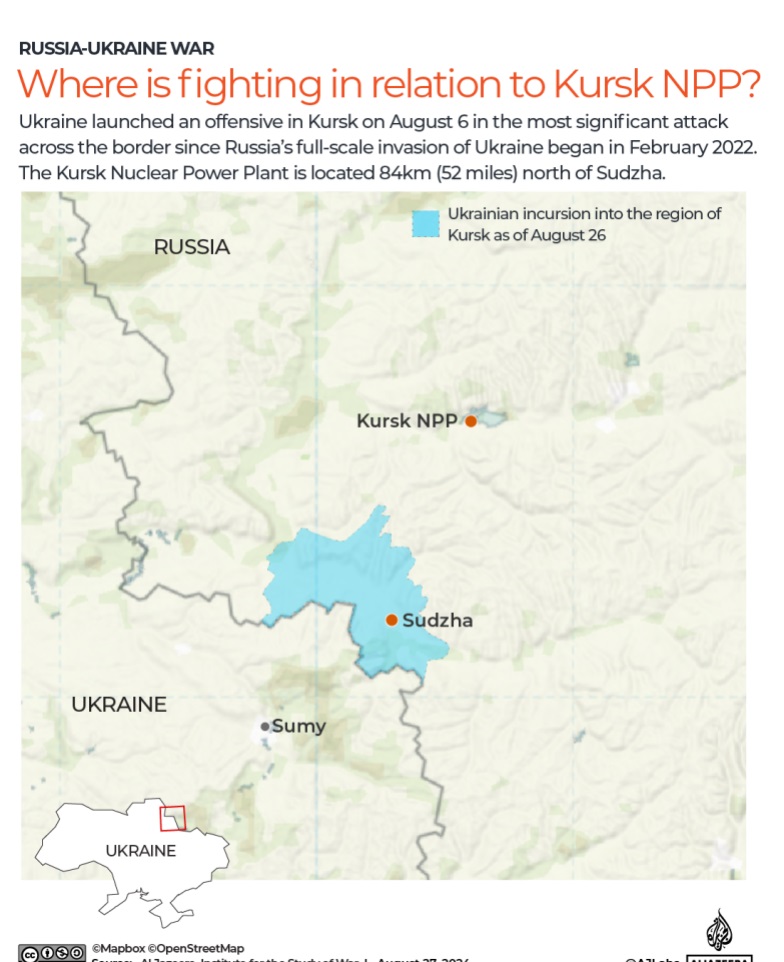
Downed Ukrainian Drone Causes Fire At Kursk Nuclear Power Plant
23 Aug 25, https://www.rferl.org/a/kursk-nuclear-power-plant-fire-ukraine-drone/33511527.html
A fire broke out at the Kursk Nuclear Power Plant in Russia after Russian military forces shot down a Ukrainian drone flying near the plant, the press service of the plant said.
The drone — one of several reported on August 23 by Russian authorities — fell on an auxiliary transformer, sparking the fire, which has been extinguished. There were no injuries, according to the press service’s statement.
“A combat unmanned aerial vehicle (UAV) belonging to the Armed Forces of Ukraine was shot down by air defense systems near the Kursk Nuclear Power Plant,” the press service said in a statement on Telegram.
“Upon impact, the drone detonated, resulting in damage to an auxiliary transformer,” the statement said.
As a result of the explosion, unit three of the plant was reduced to 50 percent capacity, the press service said.
Radiation levels at the site and in the surrounding area have not exceeded normal limits, it added.
There was no immediate comment from Ukraine. Kyiv has increased its drones strikes inside Russia over the past several months in response to Russia’s continued attacks on Ukraine. It says the attacks are aimed at destroying infrastructure that is crucial to Moscow’s military efforts.
The story was first reported by Russia’s federal television network REN TV. It reported that the transformer is not a part of the nuclear section of the plant, citing the plant’s press service. It was not immediately clear in which part of the plant the fire occurred.
Kursk NPP is 40 kilometers west of Kursk city, the regional capital, on the bank of Seim River. The first unit was launched in 1976. Other units were added in 1979, 1983, and 1985, according to the press service.
The International Atomic Energy Agency (IAEA) has repeatedly warned of the dangers of fighting around nuclear plants since Russia launched its full-scale invasion of Ukraine in February 2022.
Earlier on August 23, St. Petersburg and the Leningrad region were attacked by drones, regional authorities said, adding that six drones were shot down over the Leningrad region and two were shot down over St. Petersburg.
St. Petersburg authorities said windows were shattered in a residential building in the Krasnoselsky district when the drone was “neutralized.” There were no reports of injuries or deaths.
The drone attacks led to flight delays and cancellations at St. Petersburg’s Pulkovo Airport. More than 30 flights were diverted to alternate airports during the day, and more than 50 flights were delayed. The airport resumed operations by in the evening.
Moscow Mayor Sergei Sobyanin reported that a drone flying toward Moscow had been shot down.
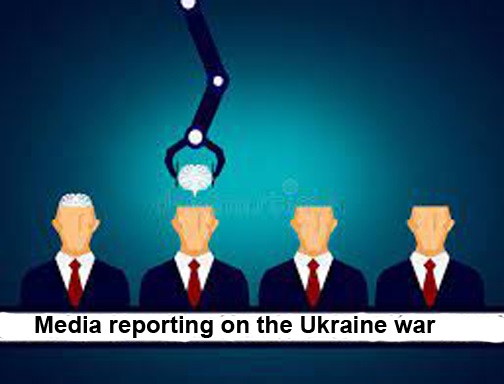
Chicago Tribune letters again avoid reality of Ukraine’s impending battlefield defeat
Walt Zlotow, West Suburban Peace Coalition, Glen Ellyn IL 25 Aug 25
It’s understandable the Trib would publish letters promoting further aid in weapons, severe economic sanctions, even NATO troops to enable Ukraine to prevail in their war with Russia. But it is not understandable that all 7 August 25th letters advocating that policy are disconnected from the battlefield reality.
Virtually all historians, political scientists and military realists concur that Ukraine’s military is within months, if not weeks of collapse. They also agree there is no way outside of all out war, likely to go nuclear, to reverse that collapse They understand any peace settlement must include Russia’s 3 security objectives including no NATO for Ukraine, neutrality for Ukraine going forward, and no return of the Ukraine oblasts containing Russian leaning Ukrainians seeking peace and separation from the Kyiv government bent on their destruction.
This alternative, reality based assessment of the war, deserves to be provided to the Trib’s readership. But only publishing readers promoting endless war which simply ensures Ukraine’s battlefield defeat, is not responsible journalism. Trib readers deserve a full range of views; indeed ones more connected to reality.
Radiocarbon Dispersion around Canadian Nuclear Facilities
Published online by Cambridge University Press: 18 July 2016, https://www.cambridge.org/core/journals/radiocarbon/article/radiocarbon-dispersion-around-canadian-nuclear-facilities/3BEF0553EC67E4951B9D5EF132D7EDCA
G. M. Milton, S. J. Kramer, R. M. Brown, C. J. W. Repta, K. J. King and R. R. Rao
Abstract
Canadian deuterium uranium (CANDU) pressurized heavy-water reactors produce 14C by neutron activation of trace quantities of nitrogen in annular gas and reactor components (14N(n,p)14C), and from 17O in the heavy water moderator by (17O(n,α)14C). The radiocarbon produced in the moderator is removed on ion exchange resins incorporated in the water purification systems; however, a much smaller gaseous portion is vented from reactor stacks at activity levels considerably below 1% of permissible derived emission limits.
Early measurements of the carbon speciation indicated that >90% of the 14C emitted was in the form of CO2. We conducted surveys of the atmospheric dispersion of 14CO2 at the Chalk River Laboratories and at the Pickering Nuclear Generating Station. We analyzed air, vegetation, soils and tree rings to add to the historical record of 14C emissions at these sites, and to gain an understanding of the relative importance of the various carbon pools that act as sources/sinks within the total 14C budget. Better model parameters than those currently available for calculating the dose to the critical group can be obtained in this manner. Global dose estimates may require the development of techniques for estimating emissions occurring outside the growing season.
Information
TypeIV. 14C as a Tracer of the Dynamic Carbon Cycle in the Current EnvironmentInformation
Radiocarbon , Volume 37 , Issue 2 , 1995 , pp. 485 – 496
DOI: https://doi.org/10.1017/S0033822200030964
References…………………………………………………………………….
German experience shows transition to renewables possible for Taiwan and the world.
https://tcan2050.org.tw/en/nonuke-2/ 2025-08-19, Dr. Ortwin Renn |Professor emeritus of Environmental Sociology and Technology Assessment, Stuttgart University; Scientific Director emeritus, Research Institute for Sustainability at GFZ, Potsdam , Germany (RIFS)
I am writing to express my full support for your initiative to keep Taiwan’s nuclear power reactors permanently shut down and to accelerate the transition toward renewable energy. This position is not only grounded in scientific evidence but also in practical experience from countries such as my home country Germany that have successfully advanced toward a sustainable energy future.
In 2011, I served as a member of the German Federal Government’s Ethics Committee on a Safe Energy Supply, established after the Fukushima disaster. Our task was to assess the future role of nuclear energy in Germany. After extensive consultations with leading scientists, economic stakeholders, and civil society organizations, the Committee reached a consensual recommendation: to phase out nuclear energy within ten years while investing heavily in renewable energy sources. This decision was not only an ethical imperative but also based on sound economic and technological reasoning.
The results speak for themselves. Between 2011 and 2025, Germany’s share of renewable energy in electricity generation rose from 23% to over 54%—an increase of 230%. Nuclear power, which contributed less than 18% in 2011, was more than compensated for by renewables. In addition, the expansion of renewables significantly reduced reliance on fossil fuels, thereby contributing to climate protection and energy sovereignty.
Today, renewable energy is not only clean but also cost-competitive. The production of electricity from wind and solar power is now cheaper than generating electricity from coal or gas and even cheaper than nuclear power when comparing the costs of building new facilities. It is true that the transition requires substantial upfront investment in grid upgrades, storage systems, and backup solutions. However, once this infrastructure is in place, the long-term costs of renewable energy generation are lower than those of fossil or nuclear alternatives.
Germany’s relatively high electricity prices are not a consequence of renewables, but largely due to global gas price spikes and the cost of imported electricity. The long-term trend is clear: renewable energy is becoming the most economical, environmentally sound, and politically stable source of power.
The lessons for Taiwan are evident. A transition to renewable energy is possible, economically viable, and ultimately beneficial for society. It contributes to climate protection, environmental quality, and public health. It reduces dependence on imported fuels and avoids the long-term risks and costs associated with nuclear energy, including waste management and potential catastrophic accidents. Most importantly, it enables a decentralized and resilient energy system that benefits local communities.
Achieving this transformation requires significant investment and strong political will, but the German experience demonstrates that it is both feasible and advantageous. I strongly encourage Taiwan to seize this opportunity and prioritize a renewable-based energy future over a return to nuclear power.
https://tcan2050.org.tw/en/nonuke-2/
Older reactors more susceptible to accidents; Nuclear is not a viable climate solution.

TCAN 19th Aug 2025, Statements of support from international energy scholars for Taiwan’s nuclear phase-out, Dr. M.V. Ramana | Professor; Simons Chair in Disarmament, Global and Human Security, School of Public Policy and Global Affairs (SPPGA), University of British Columbia
There is a debate in Taiwan about possibly extending operations of its nuclear reactors that have been shut down. Doing so poses risks and will not help with mitigating climate change.
Risks Associated with Nuclear Power Plant Extensions
As they age, nuclear plants become more susceptible to accidents. The likelihood of failures at reactors is often described by something called the bathtub curve. The failure rate is initially high due to manufacturing problems and operator errors associated with new technology. Then curving like a tub, the failure rate declines with experience. But then eventually it starts rising again as aging related wear and tear starts increasing. So, after some point in time, the dangers of continuing operations at nuclear reactors start increasing. As the examples of Chernobyl, Ukraine in 1986 and Fukushima, Japan in 2011 show, the consequences of a nuclear accident can be catastrophic with long-lasting and financially expensive impacts.
Nuclear Power is not a Solution to Climate Change
Nuclear energy is one of the most expensive ways to generate electricity. This is the reason the share of the world’s electricity produced by nuclear power plants has been declining consistently since the mid 1990s. If one were to think about nuclear power as a solution to climate change, that share should be increasing while the share of fossil fuels must be decreasing. That is simply not happening. Investing in cheaper low-carbon sources of energy will provide more emission reductions per dollar. Second, it takes about a decade to build a nuclear plant. If you add the time needed for all the necessary preparatory steps—obtaining environmental and safety clearances, getting consent from a community that has to live near a hazardous facility for decades, and raising the huge amounts of funding necessary—you’re looking at 15-20 years. This timeline is incompatible with the urgent demands of climate science. Thus, nuclear power fails on two key metrics for evaluating any technology claiming to deal with climate change.
https://tcan2050.org.tw/en/nonuke-2/
The Challenge for Atlantic Salmon -the Epic Journey Begins
Phew its taken a bit of work from Lakes Against Nuclear Dump and lots of
brilliant work from lawyers Leigh Day but the papers have been filed for
application for a Judicial Review of the Environment Agency’s decision to
rubber stamp Sellafield’s abstraction of groundwater and dumping of that
polluted water into the rivers Calder and Ehen (with no Environmental
Impact Assessment or Hydrological Assessment!)
Radiation Free Lakeland 23rd Aug 2025, https://mariannewildart.wordpress.com/2025/08/23/the-challenge-for-atlantic-salmon-the-epic-journey-begins/
1 This Month

of the week – Shut Down Drone Warfare!


Tell the Ukrainian Government to Drop Prosecution of Peace Activist Yurii Sheliazhenko

Petition to revoke the licensing of the Near Surface Nuclear Disposal Facility (NSDF) at Chalk River. https://www.ourcommons.ca/petitions/en/Petition/Details?Petition=e-7247
To see nuclear-related stories in greater depth and intensity – go to https://nuclearinformation.wordpress.com
-
Archives
- April 2026 (91)
- March 2026 (251)
- February 2026 (268)
- January 2026 (308)
- December 2025 (358)
- November 2025 (359)
- October 2025 (376)
- September 2025 (257)
- August 2025 (319)
- July 2025 (230)
- June 2025 (348)
- May 2025 (261)
-
Categories
- 1
- 1 NUCLEAR ISSUES
- business and costs
- climate change
- culture and arts
- ENERGY
- environment
- health
- history
- indigenous issues
- Legal
- marketing of nuclear
- media
- opposition to nuclear
- PERSONAL STORIES
- politics
- politics international
- Religion and ethics
- safety
- secrets,lies and civil liberties
- spinbuster
- technology
- Uranium
- wastes
- weapons and war
- Women
- 2 WORLD
- ACTION
- AFRICA
- Atrocities
- AUSTRALIA
- Christina's notes
- Christina's themes
- culture and arts
- Events
- Fuk 2022
- Fuk 2023
- Fukushima 2017
- Fukushima 2018
- fukushima 2019
- Fukushima 2020
- Fukushima 2021
- general
- global warming
- Humour (God we need it)
- Nuclear
- RARE EARTHS
- Reference
- resources – print
- Resources -audiovicual
- Weekly Newsletter
- World
- World Nuclear
- YouTube
-
RSS
Entries RSS
Comments RSS
 nuclear-news