Peace River nuclear power project: The hidden cost
Alberta is already building faster, cheaper alternatives. Between 2019 and 2022, the province added over 1,400 megawatts of wind and solar, with another 2,500 MW in development, according to the Alberta Electric System Operator.”
Patrick Jean, Jul 15, 2025 , https://www.dailyheraldtribune.com/opinion/more-expensive-than-you-think-the-hidden-cost-of-nuclear-energy
As someone born in Peace River and raised in the Falher–Donnelly area, I care deeply about the land, water, and communities that would be affected by the proposed nuclear facility in northwestern Alberta. Although I live in Edmonton now, I work as a Municipal Energy Manager for a small rural municipality in the province, and my family still lives across the region — from McLennan to Marie-Reine.
Though I’m relatively new to public service, I bring over 20 years of experience in project management, systems analysis, and strategic planning across various sectors, including energy, agriculture, and technology. I’ve worked with municipalities, nonprofits, and institutions across Alberta on energy efficiency, infrastructure modernization, and rural economic development. I hold an Honours degree in Sustainability Management from MacEwan University, and continue to deepen my training in energy policy and climate adaptation as I prepare to do my Master of Sustainable Energy Development at the University of Calgary. I’ve also published and presented research on how geothermal energy can support rural economies—work that reflects my broader commitment to clean, decentralized solutions that benefit communities like the one I come from.
In contrast, Alberta is already building faster, cheaper alternatives. Between 2019 and 2022, the province added over 1,400 megawatts of wind and solar, with another 2,500 MW in development, according to the Alberta Electric System Operator (AESO). Most renewable projects are completed in under five years, with many rooftop and community systems operational in less than one. In 2022, solar became the world’s fastest-growing source of new electricity capacity.
They’re also far more cost-effective. Lazard’s 2025 Levelized Cost of Energy+ estimates nuclear at $141–$251 per megawatt-hour, compared to just $37–$81 for wind and $38–$66 for solar. Nuclear is up to six times more expensive than renewables, and that doesn’t include long-term waste management, decommissioning, or liability coverage—costs that often fall to the public. Clean energy isn’t just cheaper—it’s better for jobs. A dollar invested in solar or wind creates 2.8 to 5.7 times more employment than the same dollar spent on nuclear, according to peer-reviewed research in energy policy. These are jobs in construction, maintenance, engineering, and operations, many of which can be located in rural and underserved communities.
Even if built, nuclear doesn’t align with the needs of modern energy systems. Grids today depend on flexibility, not constant output “baseload” plants like nuclear reactors that can’t adjust quickly to changing demand. When renewable energy production is high, inflexible nuclear can force the grid to waste clean power. In contrast, renewables combined with battery storage, smart grid controls, and demand-side response offer more adaptable, resilient energy systems. Research in Joule and PNAS shows that 100 per cent renewable grids with storage are not only viable, they’re more stable than those relying on nuclear.
In the time it would take to bring Peace River’s reactors online, Alberta could:
• Deploy 10 to 15 GW of solar and wind,
• Install 1–2 GW of grid-scale storage,
• Retrofit public buildings and homes for energy efficiency,
• Launch locally led clean energy partnerships, and
• Create tens of thousands of well-paying jobs.
The local risks are just as serious. A nuclear facility would withdraw millions of litres of water per day from the Peace River for cooling, potentially harming aquatic ecosystems and fish spawning habitats. A 2021 study in Environmental Monitoring and Assessment found that thermal pollution and water drawdown from nuclear plants disrupt river ecosystems.
Public submissions and academic research have also raised critical concerns about the cultural and social impact of this project. The proposed site lies within Treaty 8 territory—an area with deep spiritual, cultural, and subsistence significance. According to The Canadian Journal of Native Studies (2022), long-term nuclear waste storage near such lands threatens intergenerational safety and undermines the cultural integrity of surrounding communities. The Land Use Policy journal emphasizes the importance of free, prior, and informed consent under Canada’s obligations to UNDRIP—yet many affected communities report they have not been meaningfully engaged. The Impact Assessment Agency of Canada (IAAC) has already documented frustration with inaccessible technical documents and limited public engagement in its summary of issues.
We don’t need to go down this road. Alberta already has the tools to reduce emissions, create good jobs, and support rural communities—without waiting decades or spending billions on a legacy system that doesn’t serve our needs.
The Peace River nuclear proposal would delay real climate action, raise electricity costs, and place long-term environmental and financial burdens on the very communities it claims to help. We already have faster, cleaner, and smarter options. We should be investing in them now.
Patrick Jean is a holistic sustainability consultant, policy analyst, and municipal energy manager based in Edmonton. He holds an honours degree in sustainability management, has over 20 years of experience in systems analysis and project management, and has published research on rural energy innovation. He was born in Peace River, raised in the Falher–Donnelly area, and maintains strong family and community ties across the region. His comprehensive comments are available on the Government of Canada’s Impact Assessment Agency.
No comments yet.
1 This Month
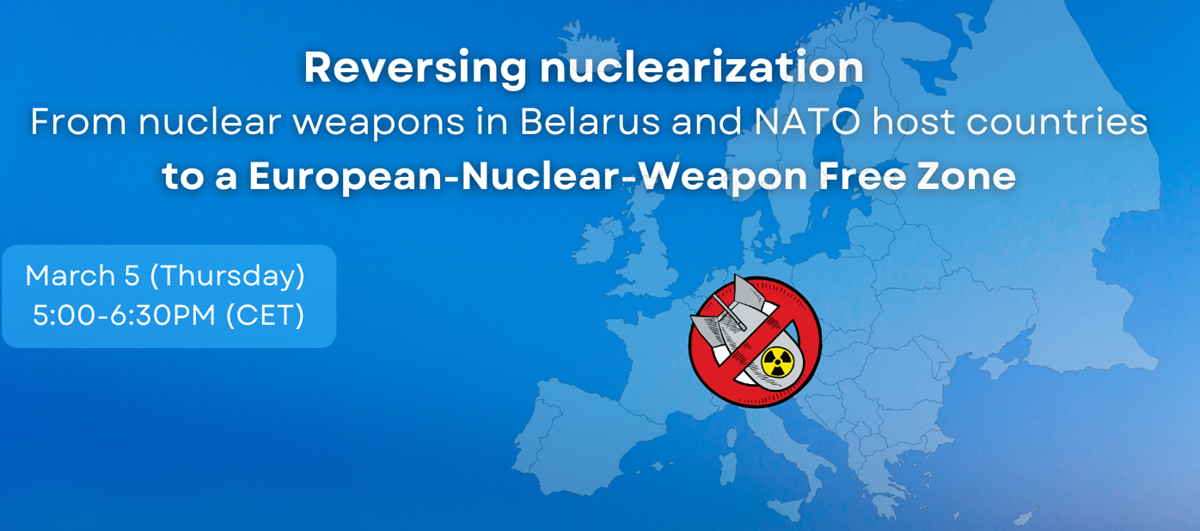
5 March -Online – Reversing nuclearization:
From nuclear weapons in Belarus and NATO host countries to a European-Nuclear-Weapon Free Zone
11am-12:30pm Eastern Time USA / 5pm-6:30pm CET

of the week – Advocating for a
nuclear free beach – https://www.samuellawrencefoundation.org/
The Samuel Lawrence Foundation advocates for a Nuclear Waste Free Beach at San Onofre, join us and take action!
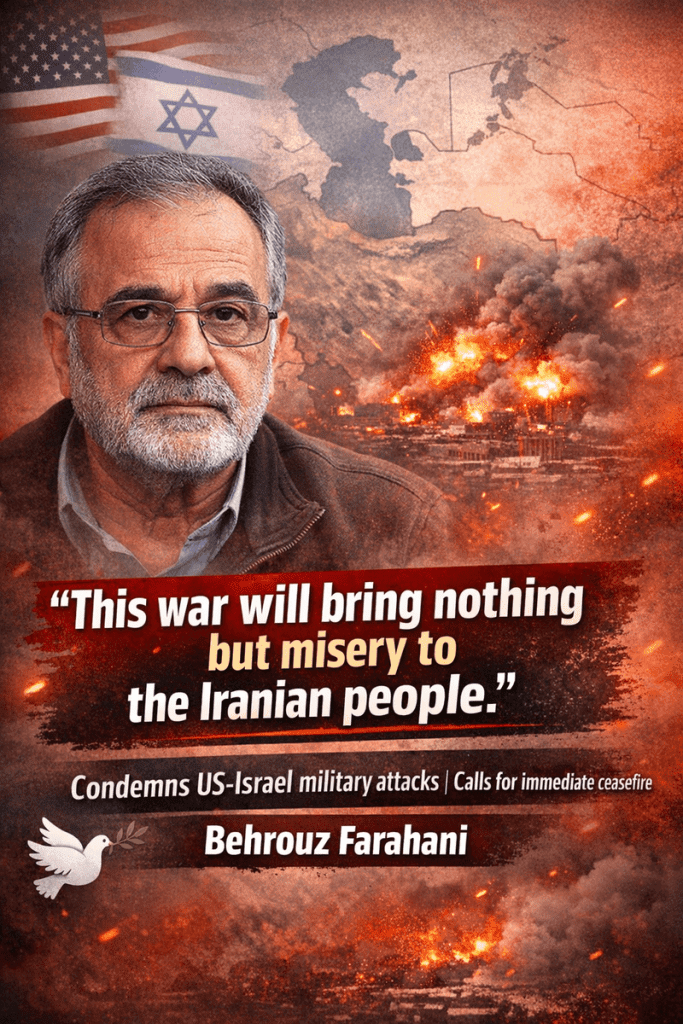
10 March A LIVE WEBINAR THE REAL EFFECTS OF NUCLEAR POWER
What the Industry Isn’t Telling Us
1:00 PM Mountain, 2 pm Central, 3 pm Eastern. Live on the Keepers of the Water Facebook page

18 March Webinar @ 1 PM EST: An Assessment of SMR Projects: The Case of Canada
register for the zoom:
https://us02web.zoom.us/webinar/register/WN_o8BIIOUvQ2ONJR1nta65DQ#/registration

of the week – STOP SMALL MODULAR REACTORS IN CANADA
To see nuclear-related stories in greater depth and intensity – go to https://nuclearinformation.wordpress.com
-
Archives
- March 2026 (51)
- February 2026 (268)
- January 2026 (308)
- December 2025 (358)
- November 2025 (359)
- October 2025 (376)
- September 2025 (258)
- August 2025 (319)
- July 2025 (230)
- June 2025 (348)
- May 2025 (261)
- April 2025 (305)
-
Categories
- 1
- 1 NUCLEAR ISSUES
- business and costs
- climate change
- culture and arts
- ENERGY
- environment
- health
- history
- indigenous issues
- Legal
- marketing of nuclear
- media
- opposition to nuclear
- PERSONAL STORIES
- politics
- politics international
- Religion and ethics
- safety
- secrets,lies and civil liberties
- spinbuster
- technology
- Uranium
- wastes
- weapons and war
- Women
- 2 WORLD
- ACTION
- AFRICA
- Atrocities
- AUSTRALIA
- Christina's notes
- Christina's themes
- culture and arts
- Events
- Fuk 2022
- Fuk 2023
- Fukushima 2017
- Fukushima 2018
- fukushima 2019
- Fukushima 2020
- Fukushima 2021
- general
- global warming
- Humour (God we need it)
- Nuclear
- RARE EARTHS
- Reference
- resources – print
- Resources -audiovicual
- Weekly Newsletter
- World
- World Nuclear
- YouTube
-
RSS
Entries RSS
Comments RSS
 nuclear-news
Leave a comment