Is giving old reactors new life the future of nuclear energy?
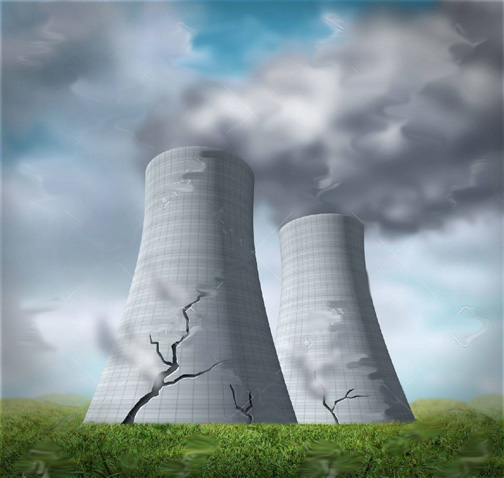
Countries want to squeeze more electricity from ageing power plants to help meet
global demand, but the strategy has its own challenges. The Torness nuclear
power station on Scotland’s south-east coast is showing its age. Over the
past few years, cracks have started to appear in the graphite bricks
encasing the uranium-filled fuel rods.
The bricks are too difficult to replace, so engineers routinely lower microscopic cameras into the reactor to monitor the wear and tear caused by radiation. If the cracks start to
jeopardise the reactor’s ability to safely shut down during an extreme
earthquake or other disaster, it cannot stay open.
So far, so good. And the
plant’s owner EDF, the French energy group, intends to keep the station
running until at least 2030, 42 years after it opened in 1988. Station
director Paul Forrest is confident. “But if the graphite inspection
starts surprising us, we will change course,” he says.
His efforts are part of an urgent, global quest to squeeze more years of electricity out of
existing nuclear power plants to meet rising demand for low carbon power as
countries try to move away from fossil fuels. Most of the world’s
operating nuclear power plants, around 400, were built in the 1970s to
1990s and are now coming to the end of their projected lives or original
licence periods.
FT 3rd March 2025 https://www.ft.com/content/91784663-eba2-48e6-a0a3-47e04774c5c0
No comments yet.
-
Archives
- February 2026 (250)
- January 2026 (308)
- December 2025 (358)
- November 2025 (359)
- October 2025 (376)
- September 2025 (258)
- August 2025 (319)
- July 2025 (230)
- June 2025 (348)
- May 2025 (261)
- April 2025 (305)
- March 2025 (319)
-
Categories
- 1
- 1 NUCLEAR ISSUES
- business and costs
- climate change
- culture and arts
- ENERGY
- environment
- health
- history
- indigenous issues
- Legal
- marketing of nuclear
- media
- opposition to nuclear
- PERSONAL STORIES
- politics
- politics international
- Religion and ethics
- safety
- secrets,lies and civil liberties
- spinbuster
- technology
- Uranium
- wastes
- weapons and war
- Women
- 2 WORLD
- ACTION
- AFRICA
- Atrocities
- AUSTRALIA
- Christina's notes
- Christina's themes
- culture and arts
- Events
- Fuk 2022
- Fuk 2023
- Fukushima 2017
- Fukushima 2018
- fukushima 2019
- Fukushima 2020
- Fukushima 2021
- general
- global warming
- Humour (God we need it)
- Nuclear
- RARE EARTHS
- Reference
- resources – print
- Resources -audiovicual
- Weekly Newsletter
- World
- World Nuclear
- YouTube
-
RSS
Entries RSS
Comments RSS
 nuclear-news
Leave a comment