Indigenous views on nuclear energy and radioactive waste
https://cedar-project.org/indigenous/ 25 Nov 24
The Point Lepreau nuclear reactor is the only power reactor in Atlantic Canada. The nuclear plant, in New Brunswick on the Bay of Fundy, opened in 1983. The plant’s owner, the public utility NB Power, is also proposing to build two smaller, experimental, reactors on the nuclear site.
The affected Indigenous nations did not consent to the existing reactor, or the proposed new reactors, or the storage of radioactive waste on their homelands.
Since the Point Lepreau reactor started up 40 years ago, it has produced hundreds of tons of intensely radioactive high-level nuclear waste (used nuclear fuel) that NB Power is storing at the site in aging concrete silos less than a kilometre from the Bay of Fundy.
The CEDAR project’s Indigenous partners – Chief Hugh Akagi of the Passamaquoddy Recognition Group (PRGI) and Chief Ron Tremblay of the Wolastoq Grand Council– are concerned about the existing radioactive waste, that the reactor is continuing to produce more of it, and that the proposed experimental reactors, if built, will produce new forms of radioactive waste at the site.
Radioactivity cannot be turned off – that’s what makes it so dangerous. The radioactivity from high-level waste can take millennia to decay. If exposed, radioactivity can damage living tissue in a range of ways and can alter gene structure. For this reason, high-level waste must be kept isolated from living things for millennia.
The plan to manage the the new forms of waste from the proposed experimental reactors is unknown. NB Power plans to transport the high-level radioactive waste from the existing reactor by public roads through New Brunswick, Quebec and Ontario to a proposed nuclear waste dump, a deep geological repository. Our project focused on the perspectives of Indigenous nations and communities in these three provinces on nuclear energy and radioactive waste.
In collaboration with CEDAR, the Passamaquoddy Recognition Group (PRGI) organized a meeting in Ottawa at the end of April 2024, inviting Indigenous leaders from communities in New Brunswick, Ontario and Quebec and representatives from NGOs across Canada involved in nuclear issues.
The purpose of the meeting was to share information and common concerns about: uranium mining and processing; nuclear energy and radioactive waste; the nuclear industry’s plans to transport radioactive waste through Indigenous homelands; industry proposals to develop radioactive waste dumps on Indigenous territories; plans to develop more nuclear reactors on Indigenous homelands that would produce even more, and new forms, of nuclear waste; and concerns about the close ties between the nuclear industry and the regulator, the Canadian Nuclear Safety Commission.
A press conference was held at the National Press Theatre in Ottawa. Participants were Chief Hugh Akagi and Kim Reeder of PRGI, Chief Ron Tremblay of the Wolastoq Grand Council, Councillor Peyton Pitawanakwat of Missisauga First Nation, and Elizabeth May, leader of the Green Party of Canada. To watch the video of the press conference, click HERE. To read the media release, click HERE.
A team from Eleven North Visuals filmed interviews in Ottawa with Chief Akagi, Chief Tremblay and Councillor Pitawanakwat. Later they produced the video, Askomiw Ksanaqak (Forever Dangerous) – Indigenous Nations Resist Nuclear Colonialism, available for viewing on this page.
Following the Ottawa events, in the summer of 2024, a PRGI-CEDAR team in New Brunswick–including research assistants Abby Bartlett with the CEDAR project and Robbie Atwin with PRGI, supervised by CEDAR primary investigator Susan O’Donnell – worked on a report, Indigenous Views on Nuclear Energy and Radioactive Waste, available for download from this page. A French version is currently in development.
For the report, we analyzed 30 public statements about nuclear energy and radioactive waste by Indigenous communities in New Brunswick, Quebec and Ontario. We also gathered more than 125 documents submitted to the Canadian Nuclear Safety Commission (CNSC) by Indigenous organizations in these three provinces.
The report – featuring photos of the Bay of Fundy by William (Eric) Altvater, a member of Passamaquoddy Nation in Maine – was co-published in November 2024 by PRGI and the CEDAR project. We are currently organizing an event at St. Thomas University to launch the report and the video.
The CEDAR-PRGI team and collaborators across Canada are now discussing the next steps for this work.
For more information, feedback on the report or the video, or to get in touch for any reason, contact the CEDAR team.
The CEDAR project is supported by the Social Sciences and Humanities Research Council Canada (SSHRC).
No comments yet.
1 This Month
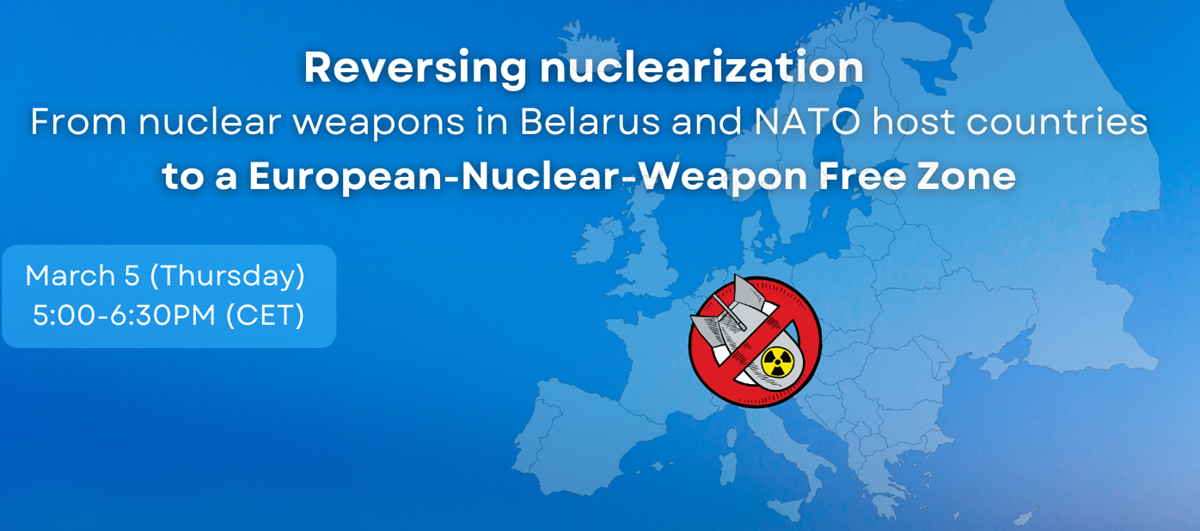
5 March -Online – Reversing nuclearization:
From nuclear weapons in Belarus and NATO host countries to a European-Nuclear-Weapon Free Zone
11am-12:30pm Eastern Time USA / 5pm-6:30pm CET

of the week – Advocating for a
nuclear free beach – https://www.samuellawrencefoundation.org/
The Samuel Lawrence Foundation advocates for a Nuclear Waste Free Beach at San Onofre, join us and take action!

10 March A LIVE WEBINAR THE REAL EFFECTS OF NUCLEAR POWER
What the Industry Isn’t Telling Us
1:00 PM Mountain, 2 pm Central, 3 pm Eastern. Live on the Keepers of the Water Facebook page

18 March Webinar @ 1 PM EST: An Assessment of SMR Projects: The Case of Canada
register for the zoom:
https://us02web.zoom.us/webinar/register/WN_o8BIIOUvQ2ONJR1nta65DQ#/registration

of the week – STOP SMALL MODULAR REACTORS IN CANADA
To see nuclear-related stories in greater depth and intensity – go to https://nuclearinformation.wordpress.com
-
Archives
- March 2026 (51)
- February 2026 (268)
- January 2026 (308)
- December 2025 (358)
- November 2025 (359)
- October 2025 (376)
- September 2025 (258)
- August 2025 (319)
- July 2025 (230)
- June 2025 (348)
- May 2025 (261)
- April 2025 (305)
-
Categories
- 1
- 1 NUCLEAR ISSUES
- business and costs
- climate change
- culture and arts
- ENERGY
- environment
- health
- history
- indigenous issues
- Legal
- marketing of nuclear
- media
- opposition to nuclear
- PERSONAL STORIES
- politics
- politics international
- Religion and ethics
- safety
- secrets,lies and civil liberties
- spinbuster
- technology
- Uranium
- wastes
- weapons and war
- Women
- 2 WORLD
- ACTION
- AFRICA
- Atrocities
- AUSTRALIA
- Christina's notes
- Christina's themes
- culture and arts
- Events
- Fuk 2022
- Fuk 2023
- Fukushima 2017
- Fukushima 2018
- fukushima 2019
- Fukushima 2020
- Fukushima 2021
- general
- global warming
- Humour (God we need it)
- Nuclear
- RARE EARTHS
- Reference
- resources – print
- Resources -audiovicual
- Weekly Newsletter
- World
- World Nuclear
- YouTube
-
RSS
Entries RSS
Comments RSS
 nuclear-news
Leave a comment