United Nations to study impact of nuclear war for first time since 1989 amid ‘elevated risk’
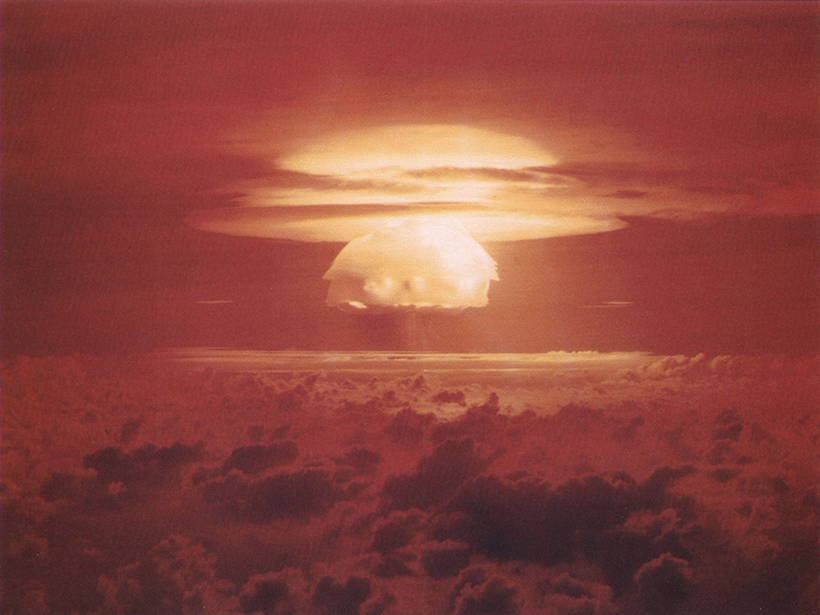
ABC By Lachlan Bennett, 7 Nov 24
In short:
The United Nations will set up an expert panel to investigate how nuclear war would impact all facets of society.
It’s the first study of its kind since 1989 and has been prompted by concerns about geopolitical tensions.
What’s next?
The panel will deliver its final report in 2027 and make recommendations for future research.
You don’t need to watch too many apocalyptic blockbusters to realise that nuclear war would be devastating.
But when it comes to understanding the impact of a modern nuclear exchange, our data is nearly as old as The Terminator.
The last comprehensive United Nations study into nuclear war was published in 1989, back before the Soviet Union collapsed and before the first internet browser was released.
In the decades since, new nuclear powers have emerged and weapons technology has advanced.
The lack of holistic research into the consequences of nuclear conflict has the scientific community worried.
An atomic fact-finding mission
In light of these concerns, the UN First Committee last week voted to establish a panel of 21 international experts to assess how nuclear war would impact all facets of life, from public health and population to economics and agriculture.
The panel will harness the expertise of UN agencies, such as the International Atomic Energy Agency, while also soliciting data from governments and organisations like the Red Cross.
It will explore the role of new technology, such as artificial intelligence, and new risks, such as cyber-attacks.
And after consulting with “the widest range of scientists and experts”, a final report will be delivered in 2027.
Australia was one of 144 voters to support the move, while 30 abstained and three nuclear-armed nations opposed: the UK, France and Russia.
New Zealand and Ireland introduced the resolution.
“At a time of elevated risk of nuclear conflict, there is a clear need to publicly establish an accurate and up-to-date understanding of the impacts of a nuclear war,” they said.
Is nuclear war more likely today?
Nuclear war may seem a fading relic of the Cold War era, with global stockpiles declining from around 70,000 weapons in the 1980s to just over 12,000 today.
But many disarmament treaties are no longer in force, and new nuclear powers are expanding their arsenals.
Historic rivals India and Pakistan had only just established their nuclear programs when the last UN report was released.
They now have more 300 weapons between them.
……………………………………………………..Nuclear powers ‘don’t want the world to know’ the real risks
Nuclear disarmament advocates have welcomed Australia’s support for the UN study, especially given the opposition of its ally, the UK.
The UK Foreign Office told The Guardian the world did not need an independent scientific panel to know that “nuclear war would have devastating consequences”.
But Dr Hanson said the nuclear powers “don’t want the world to know just how devastating a nuclear war will be”.
“Or indeed the fact that we’ve had numerous close calls,” she said.
One of the most famous close calls occurred in 1983, when a Soviet early-warning system falsely reported missiles flying towards Russia from the US.
Despite Soviet protocol, the officer on duty did not report the false alarm to his superiors, preventing a potential retaliation.
According to the memoirs of former US Secretary of State Mike Pompeo, there was a more recent close call in 2019 when India launched strikes against militants in Pakistan following an attack in Kashmir.
Dr Hanson said the world had been “extremely lucky” to avoid a nuclear conflict.
“Our luck is not going to hold out forever,” she said.
Why do we need another study?
Various governments and institutions have studied aspects of nuclear weapons in recent decades.
But a lot of research has focused on areas of “military relevance”, according to International Campaign to Abolish Nuclear Weapons founding member Tilman Ruff.
“We really understand very little about the psychological, climatic, economic, social, political and infrastructure implications of nuclear weapons in the modern era,” he said.
Dr Ruff said the UN panel would provide authoritative and transparent research, without the “bias or needs of any particular country”.
“It gives it much more credibility and currency. Nations can’t say, ‘Oh, this doesn’t apply to us’,” he said…………………………………more https://www.abc.net.au/news/2024-11-07/un-votes-for-nuclear-weapons-scientific-panel/104564126
No comments yet.
1 This Month
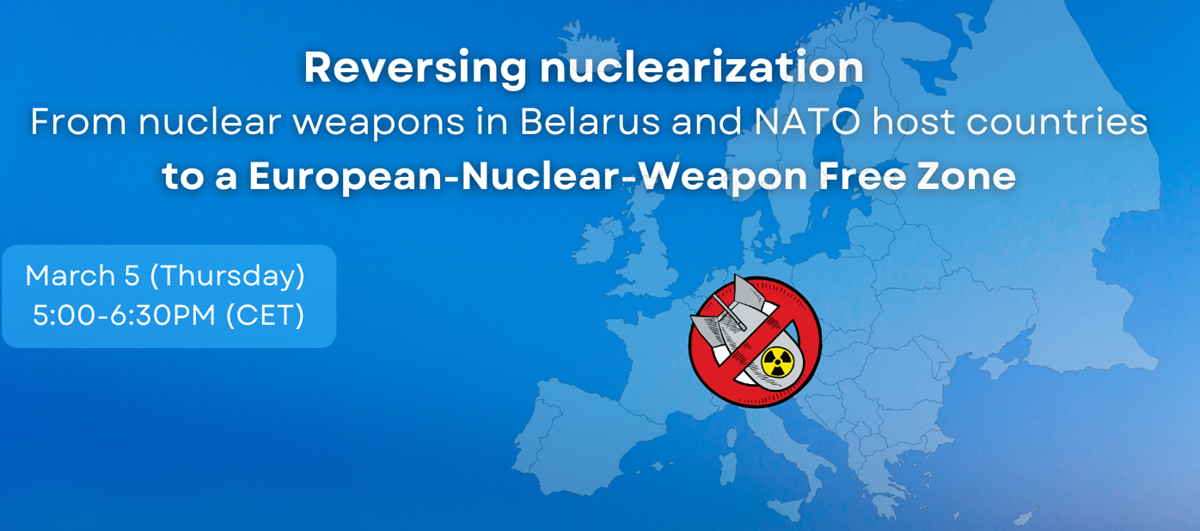
5 March -Online – Reversing nuclearization:
From nuclear weapons in Belarus and NATO host countries to a European-Nuclear-Weapon Free Zone
11am-12:30pm Eastern Time USA / 5pm-6:30pm CET

of the week – Advocating for a
nuclear free beach – https://www.samuellawrencefoundation.org/
The Samuel Lawrence Foundation advocates for a Nuclear Waste Free Beach at San Onofre, join us and take action!
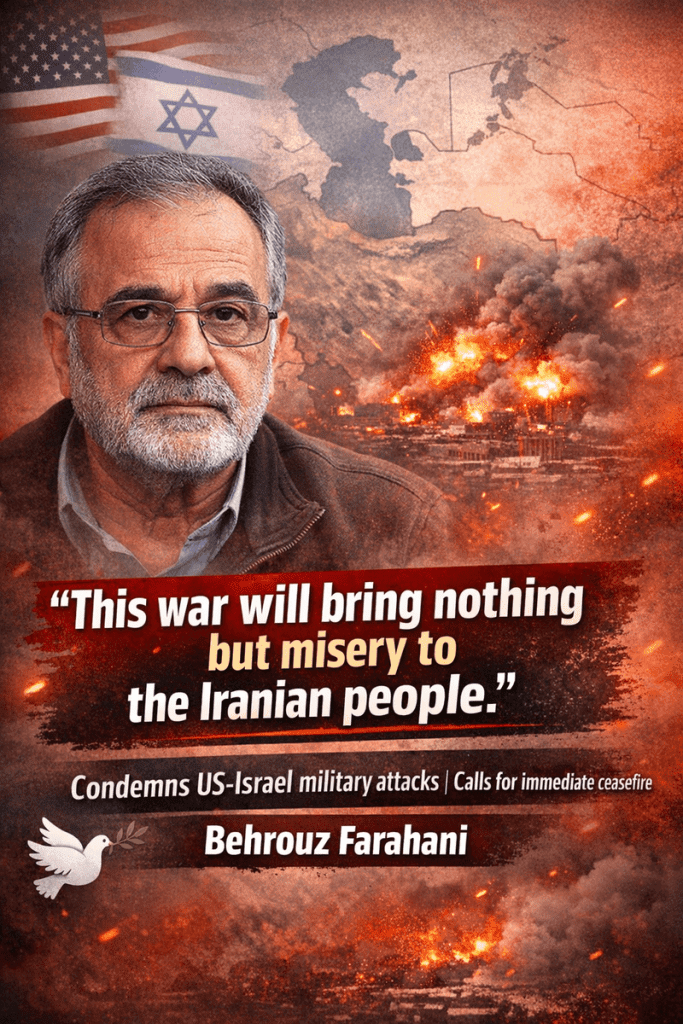
10 March A LIVE WEBINAR THE REAL EFFECTS OF NUCLEAR POWER
What the Industry Isn’t Telling Us
1:00 PM Mountain, 2 pm Central, 3 pm Eastern. Live on the Keepers of the Water Facebook page

18 March Webinar @ 1 PM EST: An Assessment of SMR Projects: The Case of Canada
register for the zoom:
https://us02web.zoom.us/webinar/register/WN_o8BIIOUvQ2ONJR1nta65DQ#/registration

of the week – STOP SMALL MODULAR REACTORS IN CANADA
To see nuclear-related stories in greater depth and intensity – go to https://nuclearinformation.wordpress.com
-
Archives
- March 2026 (27)
- February 2026 (268)
- January 2026 (308)
- December 2025 (358)
- November 2025 (359)
- October 2025 (376)
- September 2025 (258)
- August 2025 (319)
- July 2025 (230)
- June 2025 (348)
- May 2025 (261)
- April 2025 (305)
-
Categories
- 1
- 1 NUCLEAR ISSUES
- business and costs
- climate change
- culture and arts
- ENERGY
- environment
- health
- history
- indigenous issues
- Legal
- marketing of nuclear
- media
- opposition to nuclear
- PERSONAL STORIES
- politics
- politics international
- Religion and ethics
- safety
- secrets,lies and civil liberties
- spinbuster
- technology
- Uranium
- wastes
- weapons and war
- Women
- 2 WORLD
- ACTION
- AFRICA
- Atrocities
- AUSTRALIA
- Christina's notes
- Christina's themes
- culture and arts
- Events
- Fuk 2022
- Fuk 2023
- Fukushima 2017
- Fukushima 2018
- fukushima 2019
- Fukushima 2020
- Fukushima 2021
- general
- global warming
- Humour (God we need it)
- Nuclear
- RARE EARTHS
- Reference
- resources – print
- Resources -audiovicual
- Weekly Newsletter
- World
- World Nuclear
- YouTube
-
RSS
Entries RSS
Comments RSS
 nuclear-news
Leave a comment