Starmer permanently ties UK nuclear arsenal to Washington

: Britain’s nuclear weapons are now forever reliant on US military scientists after a transatlantic treaty was quietly rewritten.
RICHARD NORTON-TAYLOR, 3 September 2024,
https://www.declassifieduk.org/starmer-permanently-ties-uk-nuclear-arsenal-to-washington/
Labour has reinforced the “special relationship” with Washington by agreeing to make Britain’s nuclear arsenal permanently dependent on the US.
In one of its first, but little-noticed foreign policy moves, Labour has amended the Eisenhower-era 1958 Mutual Defence Agreement (MDA) that is crucial to Britain’s Trident nuclear missile system.
Officials deleted a long-standing sunset clause that required it be renewed every ten years.
All references to an “expiry date” have been removed “to make the entirety of the MDA enduring, securing continuing cooperation with the US”, according to a memorandum signed by defence secretary John Healey.
Kate Hudson from the Campaign for Nuclear Disarmament (CND) told Declassified: “This spells farewell to even the smallest notion of parliamentary responsibility for Britain’s foreign and defence policies.”
She added that at least nominally parliament has had the opportunity, once a decade, to debate and reconsider America’s role in Britain’s nuclear programme.
“This amendment, introduced in the most undemocratic fashion by the government – at a time when it will be lost in the recess and party conference season – will eradicate those opportunities. This must not go unchallenged.”
The change was agreed by senior British and US officials on 25 July, three weeks after Keir Starmer became UK prime minister.
It comes as Starmer described Britain’s nuclear weapons as the “bedrock” of the country’s defence and amid concern about possible threats to the future of the MDA if Donald Trump wins back the White House.
During a visit to Washington shortly before the general election, David Lammy, now foreign secretary, told a centre-right think tank that Labour: “will always work with the United States, whatever the weather…”
The MDA enables the US to provide Britain with nuclear weapons materials and know-how without which Trident would not be able to function.
It gives the lie to persistent claims by the Ministry of Defence that Britain’s submarine-launched nuclear arsenal is “operationally independent”.
American client
Trident missiles themselves are obtained from America and a cross-party report concluded that the life expectancy of Britain’s nuclear capability without US support could be measured in months.
US presidents have also alluded to this dependency, with George W. Bush saying in 2005 that the US helped Britain maintain a “credible nuclear force”.
Barack Obama declared it was in America’s interest to continue to help Britain “in maintaining a credible nuclear deterrent” when the MDA was renewed ten years ago.
As Declassified recently reported, British military aircraft regularly cross the Atlantic with highly radioactive ingredients supplied by the US. These ingredients are absolutely vital to the Trident missile system.
The memorandum signed by Healey states: “The MDA provides the necessary requirements for the control and transmission of submarine nuclear propulsion technology, atomic information and material between the UK and US, and the transfer of non-nuclear components to the UK.”
It continues: “The MDA underpins the defence nuclear relationship between the UK and US.”
Above democracy
The memo further states that the amendment does not require any change in the law. Although the MDA is incorporated in US law, it has no statutory basis in the UK.
Astonishingly, despite its huge significance, it has never been the subject of a substantial debate in Parliament.
The government describes the MDA as covering the exchange of information on “sensitive nuclear technology” for developing “defence plans” and “military applications of atomic energy”.
Other aspects involve evaluating “the capabilities of potential enemies in the employment of atomic weapons”.
It also concerns the sale of “naval nuclear propulsion plants” and the transfer of materials like U-235 enriched uranium.
However, governments have long refused to provide information about how much nuclear material for British warheads the US has provided to the Atomic Weapons Establishment at Aldermaston and the nearby Burghfield warhead factor, and at what cost.
The quantity is likely to be significant. Nearly 1,000 non-nuclear components for atomic weapons systems were exchanged between the US and UK in 2020-23 under the MDA, according to new research by the Nuclear Information Service.
A Ministry of Defence spokesperson said the removal of the 10-year renewal provision was decided “given the longstanding nature of this agreement”. She added that making the entirety of the MDA “enduring” was “the case with other international agreements.”
Peter Burt of Nukewatch UK which monitors the UK’s nuclear weapons programme commented: “Every UK Prime Minister since the Second World War has been petrified about losing influence with the US, and in a large part this hinges around access to nuclear weapons technology and military intelligence.
“This is the main reason the UK government always aligns itself with US foreign policy and allows itself to be drawn into US military adventurism, even when it is clearly not in the interests of this country to follow America.”
Small Modular Nuclear Reactors (SMRs) in Canada

While civil society opposition to SMRs is broad and substantial in Canada, ultimately the exorbitant cost of SMRs will be their undoing. Conclusive analysis shows that SMRs cannot compete economically with wind, solar and storage systems.
SMRs will last as long as governments are willing to pour public funds into them, and SMRs will start to disappear after the money tap is turned off. Already the nuclear hype in Canada is turning back to big reactors.
WISE/NIRS Nuclear Monitor, August 29, 2024 | Issue #918, By Brennain Lloyd and Susan O’Donnell
Introduction: CANDUs versus SMRs
Canada developed the CANDU reactor, fueled with natural uranium mined in Canada and cooled and moderated with heavy water. All 19 operating power reactors in Canada – 18 in Ontario on the Great Lakes and one in New Brunswick on the Bay of Fundy – are CANDU designs with outputs ranging from about 500 to 900 MWe.
It’s been more than 30 years since the last CANDU was completed and connected to the grid in Canada. Attempts to build new ones were halted over high projected costs, and CANDU exports have dried up. To keep itself alive, in 2018 the nuclear industry launched a “roadmap” to develop smaller reactors and kick-start new nuclear export opportunities.
From 2020 to 2023, the Canadian government funded six so-called “Small Modular Nuclear Reactor” (SMR) designs. Only one – Terrestrial Energy’s Integral Molten Salt Reactor (IMSR) design – is Canadian.
The six designs are not only unlike the CANDU but also different from each other. The fuels range from low-enriched uranium, TRISO particles and HALEU (High-Assay, Low-Enriched Uranium) to plutonium-based fuel, and the different cooling systems include high-temperature gas, molten salt, liquid sodium metal and heat pipes. One design – Moltex – requires a separate reprocessing unit to extract plutonium from used CANDU fuel to make fuel for its proposed SMR.
Only one of the grid-scale SMR designs seems plausible to be built – the GE Hitachi 300 MWe boiling water reactor (BWRX-300) being developed at the Darlington nuclear site on Lake Ontario. This design uses low-enriched uranium fuel and is cooled by ordinary water. The Darlington site owner, the public utility Ontario Power Generation (OPG), is planning to build four of them.
Canada gave OPG a $970 million “low-interest” loan to help develop the BWRX-300 design. The other five SMR designs received considerably less federal funding, from $7 million to $50.5 million each, and most SMR proponents have been struggling to source matching funds. One design, Westinghouse’s off-grid eVinci micro-reactor, had early development costs funded by the U.S. military and now seems to have independent funding.
The Canadian Nuclear Laboratories (CNL) at Chalk River received more than $1.2 billion in 2023. CNL is operated by a private-sector consortium with two U.S. companies involved in the nuclear weapons industry and the Canadian firm Atkins-Réalis (formerly SNC Lavalin) which is also involved in almost every SMR project in Canada. CNL and Atomic Energy of Canada Limited are building an “Advanced Nuclear Materials Research Centre” at Chalk River, one of the largest nuclear facilities ever built in Canada, that will conduct research on SMRs.
Canada recently released a report suggesting that SMRs will be in almost all provinces by 2035, although most provincial electrical utilities have expressed no interest, and only Ontario, New Brunswick, Saskatchewan and Alberta are promoting SMRs. Alberta says it wants SMRs to reduce the GHG emissions generated in tar sands extraction.
SMR “project creep”
Proponents of most of the SMR designs keep changing the description of their projects. This is not unique to Canada, but is certainly apparent in Canada, and the regulator, the Canadian Nuclear Safety Commission (CNSC), aids and abets that practise for those SMRs in the review stream.
In the case of the BWRX-300 proposed for the Darlington site, the CNSC not only accepted a 2009 environmental assessment for very different reactors as a stand-in for the BWRX-300 but also is carrying out the current review as if for a single reactor. The nuclear regulator made this decision despite Ontario Power Generation very publicly stating its intent to construct four reactors in rapid succession at the Darlington site.
The proposed “Micro Modular Reactor” (MMR) for the Chalk River site in Ontario is another example of “project creep” and demonstrates just how flexible “scope of project” is in the domain of the CNSC.
Earlier this year, CNSC staff released a document outlining communications from the MMR proponent, Global First Power, describing significant project changes. The proponent wants to triple power output, and to operate with fuel enrichment levels from 9.75% (LEU+) up to 19.75%.
Global First Power also wants a shift from no need to refuel in a 20-year operating life to provision for on-site refueling and defueling with periods varying from three to 13.5 years. They also want to double their facility design life from 20 years to 40 years.
Despite all these significant changes to key elements of the design, the CNSC staff concluded that the Global First Power MMR project remained within scope of its initial (very different) description.
Another example of SMR project creep is in New Brunswick. In June 2023, the provincial utility NB Power applied to the CNSC for a licence to clear a site for the ARC-100 design at the Point Lepreau nuclear site on the Bay of Fundy. The design for the sodium-cooled reactor requires HALEU fuel, which is scarce because of sanctions imposed on Russia, the sole supplier.
News reports have suggested the ARC-100 design might need to change because changing the fuel means changing the design. Meanwhile the ARC company CEO left suddenly, and staff received layoff notices. Despite these obvious problems, the application under CNSC review and a provincial environmental assessment underway with the CNSC are continuing with the original design.
SMRs complicate radioactive waste management

One of the (many) false promises floated about SMRs is that they will alleviate the significant challenges of managing radioactive wastes. This is patently false. Some of this misleading rhetoric stems from the notion of “recycling” and claims by some SMR promoters that their particular design of reactor will use high-level radioactive wastes as “fuel” for their reactor.
But the reality is that the introduction of so-called “next generation” designs of reactors in Canada will only complicate the already complex set of problems related to the caretaking of these extremely hazardous materials.
……………………………………………..The shift from natural uranium to enriched uranium in commercial power reactors in Canada will fundamentally change the nature and characteristics of the spent fuel waste and will take away one of the nuclear industry’s favourite pitch points for the CANDU design: that there is no potential for criticality after the fuel is removed from the reactor.
The new potential for the irradiated enriched fuel wastes to “go critical” is only one of the many problems being overlooked by both government and industry.
Another very obvious shift is in the dimensions of the fuel, from the relatively uniform dimensions of CANDU fuel to the widely divergent shapes and sizes of fuel being depicted for the various small modular reactor designs.
The CANDU fuel bundles are approximately 50 cm long and 10 cm in diameter. In contrast, the fuel waste dimensions are significantly different for SMRs. For example, the BWRX-300 fuel bundles are much larger, the casks much heavier, and the reactor will generate higher level activity wastes. These differences will require different approaches and designs for interim and long-term dry storage of used fuel.
SMR wastes not considered in Canada’s repository design
As a fleet, small modular reactors will generate more waste per energy unit than the larger conventional reactors that preceded them. But in Canada they will also require redesign of the “concept” plan currently being promoted for the long-term dispositioning of the used fuel to a deep geological repository (DGR).
Since 2002 an association of the nuclear power companies, operating as the Nuclear Waste Management Organization (NWMO), have been pursuing a single site to bury and then abandon all of Canada’s high-level nuclear waste.
Their siting process, launched in 2010, caught the interest of 22 municipalities that allowed themselves to be studied for the “$16-24 billion national infrastructure project.” Hundreds of millions of dollars later – with tens of millions going directly into the coffers of the participating municipalities – the NWMO is now down to two candidate sites in Ontario.
The NWMO say they will make their final selection by the end of 2024. But even at this late date they have produced only “conceptual” descriptions of their repository project, including for key components such as the packaging plant where the fuel waste would be transferred into that final container, and the DGR itself. But all of the conceptual work is premised on the characteristics and dimensions of the CANDU fuel bundle.
The process lines of the used fuel packaging plant, the final container, and the spacing requirements for the repository will all need to be redone for different SMR wastes with their very different dimensions and characteristics.
While it could be said that the NWMO design progress has been surprisingly slow given their target of selecting a site this year and beginning the regulatory and licensing process next year, it will be back to square one if their proposed DGR is to accommodate SMR wastes.
There is, however, a strong possibility that the regulator, the CNSC, will allow the NWMO to skate through at least the first license phase with large information gaps, as the CNSC is doing with the plan to construct four BWRX-300s at the Darlington site.
As mentioned in the example of “project creep,” earlier this year the CNSC announced it would accept an environmental assessment approval of a generic 2009 reactor proposal instead of requiring that the BWRX-300 be subject to an impact assessment. This was despite the marked differences between the technologies assessed in 2009 and the BWRX-300 technology.
These differences will impact the management of the project’s radioactive waste. For example, the BWRX-300 public dose rates are estimated to be 10 x higher for one accident scenario (pool fire) and 54% higher in a dry storage container accident, the waste contains different proportions of radionuclides than the waste that was assessed in 2009, radio-iodine and carbon-14 emissions will be higher, alpha and beta-gamma activity per cubic metre of waste will be higher and the BWRX-300 will generate higher activity spent fuel.
Despite the NWMO having successfully wooed two small municipalities, there is broad opposition to the transportation, burial and abandonment of all of Canada’s high-level radioactive wastes in a single location, either in the headwaters of two major watersheds in northern Ontario or the rich farm lands of southwestern Ontario.
This opposition is amplified by concerns about SMR wastes and the NWMO’s open ticket to add other operations to their DGR site. Of particular concern are the potential for the NWMO to add an SMR to power their repository site or even to add a reprocessing plant at the site to extract plutonium from the used fuel. The Canadian government’s refusal to include an explicit ban on commercial reprocessing in the 2022 review of the national radioactive waste policy heightened the latter concern.
Who/what is behind the SMR push in Canada?
Although proponents claim that SMRs will contribute to climate action, critics are sceptical. It is doubtful that any SMR will be built in time to contribute to Canada’s target to decarbonize the electricity grid by 2035, and independent research found that SMRs will cost substantially more than alternative sources of grid energy.
The high cost and lengthy development timelines of SMRs, the questionable claims of climate action, as well as the significant challenges related to SMR wastes, raises an obvious question: who is pushing SMRs and why?
A central reason is a political imperative to keep the Canadian nuclear industry alive. The industry is small in Canada, but nuclear power looms large in the political imagination. Canada sees itself as a global leader in the peaceful use of nuclear energy.
Without a nuclear weapons industry, Canada needs nuclear exports to keep its domestic industry alive and ensure Canada’s membership in the international nuclear club. Earlier this year, Canada released an action plan to get nuclear projects built faster and ensure that “’nuclear energy remains a strategic asset to Canada now and into the future.”
Since the start of the nuclear age, Canada has spent a disproportionate amount of research funding on nuclear reactor development. Politicians see the CANDU design as a success, despite its costly legacy and lackluster exports. The CANDU reactors in Canada have all required significant public subsidies, and the CANDUs sold for export have been heavily subsidized by Canada as well.
Selling more CANDUs outside Canada is unlikely in the foreseeable future. But Canada wants a nuclear industry, and that requires choosing and aggressively marketing at least one nuclear reactor design. Despite being a U.S. design, the G.E. Hitachi BWRX-300 is the chosen favourite in Canada. The reactor, in early development at the Darlington site, is being promoted globally by Ontario Power Generation as part of an international collaboration with GE Hitachi Nuclear Energy, the Tennessee Valley Authority, and Synthos Green Energy.
What’s the future for SMRs in Canada?
Since the nuclear industry and its government partner Natural Resources Canada (NRCan) launched their SMR roadmap in 2018, the political and business hype for SMRs has been intense. The SMR buzz is meant to attract private sector investment, but so far that strategy is failing.
Almost everyone understands now that SMRs, like the CANDUs, are expensive projects that will need continuous massive public subsidies. To date, taxpayers have provided just over $1.2 billion in direct subsidies to SMR proponents in Canada, not nearly as much as the industry will need to develop an SMR fleet in the country.
A broad coalition of groups – from climate activists to Indigenous organizations and other groups protecting lands and waters from radioactive waste – have been pushing back against public funding for SMRs. A 2020 statement signed by 130 groups called SMRs “dirty, dangerous distractions” from real climate action. In March this year, 130 groups in Canada also signed the international declaration against new nuclear energy development launched in Brussels at the Nuclear Summit organized by the International Atomic Energy Agency.
While civil society opposition to SMRs is broad and substantial in Canada, ultimately the exorbitant cost of SMRs will be their undoing. Conclusive analysis shows that SMRs cannot compete economically with wind, solar and storage systems.
SMRs will last as long as governments are willing to pour public funds into them, and SMRs will start to disappear after the money tap is turned off. Already the nuclear hype in Canada is turning back to big reactors.
The Bruce Nuclear Generating Station on Lake Huron in Ontario, with eight CANDU reactors, is already the largest operating nuclear plant in the world. Bruce Power recently began the formal process to develop four new big reactors at the site, to generate another 4,800 megawatts of electricity. It remains to be seen if the sticker shock for the proposed big nuclear reactors will, like it has for SMRs, scare off investors.
Although more than six years of SMR promotion in Canada has produced almost no private investor interest, the SMR buzz remains strong. The SMR star may be fading but the SMR story is far from over.
Brennain Lloyd is the coordinator of Northwatch in Ontario. Susan O’Donnell is the lead researcher for the CEDAR project at St. Thomas University in New Brunswick and a spokesperson for CRED-NB. https://crednb.ca/small-modular-nuclear-reactors-smrs-in-canada/
Leukaemia, lymphoma, and multiple myeloma mortality after low-level exposure to ionising radiation in nuclear workers (INWORKS): updated findings from an international cohort study

Klervi Leuraud, PhDa klervi.leuraud@irsn.fr ∙ Dominique Laurier, PhDa ∙ Michael Gillies, MScb ∙ Richard Haylock, PhDb ∙ Kaitlin Kelly-Reif, PhDc ∙ Stephen Bertke, PhDc∙ et al. August 30, 2024 Link: https://www.thelancet.com/journals/lanhae/article/PIIS2352-3026(24)00240-0/abstract
Summary
Background
A major update to the International Nuclear Workers Study (INWORKS) was undertaken to strengthen understanding of associations between low-dose exposure to penetrating forms of ionising radiation and mortality. Here, we report on associations between radiation dose and mortality due to haematological malignancies.
Methods
We assembled a cohort of 309 932 radiation-monitored workers (269 487 [87%] males and 40 445 [13%] females) employed for at least 1 year by a nuclear facility in France (60 697 workers), the UK (147 872 workers), and the USA (101 363 workers). Workers were individually monitored for external radiation exposure and followed-up from Jan 1, 1944, to Dec 31, 2016, accruing 10·72 million person-years of follow-up. Radiation-mortality associations were quantified in terms of the excess relative rate (ERR) per Gy of radiation dose to red bone marrow for leukaemia excluding chronic lymphocytic leukaemia (CLL), as well as subtypes of leukaemia, myelodysplastic syndromes, non-Hodgkin and Hodgkin lymphomas, and multiple myeloma. Estimates of association were obtained using Poisson regression methods.
Findings
The association between cumulative dose to red bone marrow, lagged 2 years, and leukaemia (excluding CLL) mortality was well described by a linear model (ERR per Gy 2·68, 90% CI 1·13 to 4·55, n=771) and was not modified by neutron exposure, internal contamination monitoring status, or period of hire. Positive associations were also observed for chronic myeloid leukaemia (9·57, 4·00 to 17·91, n=122) and myelodysplastic syndromes alone (3·19, 0·35 to 7·33, n=163) or combined with acute myeloid leukaemia (1·55, 0·05 to 3·42, n=598). No significant association was observed for acute lymphoblastic leukaemia (4·25, –4·19 to 19·32, n=49) or CLL (0·20, –1·81 to 2·21, n=242). A positive association was observed between radiation dose and multiple myeloma (1·62, 0·06 to 3·64, n=527) whereas minimal evidence of association was observed between radiation dose and non-Hodgkin lymphoma (0·27, –0·61 to 1·39, n=1146) or Hodgkin lymphoma (0·60, –3·64 to 4·83, n=122) mortality.
Interpretation
This study reports a positive association between protracted low dose exposure to ionising radiation and mortality due to some haematological malignancies. Given the relatively low doses typically accrued by workers in this study (16 mGy average cumulative red bone marrow dose) the radiation attributable absolute risk of leukaemia mortality in this population is low (one excess death in 10 000 workers over a 35-year period). These results can inform radiation protection standards and will provide input for discussions on the radiation protection system.
Funding
National Cancer Institute, Centers for Disease Control and Prevention, National Institute for Occupational Safety and Health, Institut de Radioprotection et de Sûreté Nucléaire, Orano, Electricité de France, UK Health Security Agency.
Translation
For the French translation of the abstract see Supplementary Materials section.
References – (many)
Ukrainian Tipping Points: UPDATE
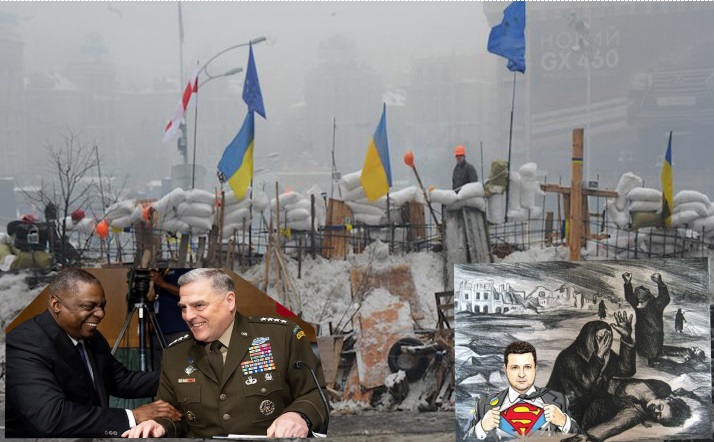
by Gordonhahn September 3, 2024 https://gordonhahn.com/2024/09/03/ukrainian-tipping-points-update/
Rueters reports US is just about se to send long-range missiles to Ukraine for attacks deep inside Russia:
US close to agreeing on long-range missiles for Ukraine; delivery to take months
Summary
-Stealthy JASSM weapons have range to hit targets inside Russia
-Decision expected in autumn, U.S. officials say
-Pentagon trying to integrate JASSMs on Soviet-era Ukrainian jets
WASHINGTON, Sept 3 (Reuters) – The U.S. is close to an agreement to give Ukraine long-range cruise missiles that could reach deep into Russia, but Kyiv would need to wait several months as the U.S. works through technical issues ahead of any shipment, U.S. officials said. The inclusion of Joint Air-to-Surface Standoff Missiles (JASSM) in a weapons package is expected to be announced this autumn, three sources said, though a final decision has not been made (https://www.reuters.com/world/us-close-agreeing-long-range-missiles-ukraine-delivery-take-months-2024-09-03/).
#NoWar2024 Conference To Address USA’s Military Base Empire

2 20 -22 September #NoWar2024 Conference: Resisting the USA’s Military Empire
A global hybrid conference from September 20-22 will bring together activists from dozens of countries worldwide to examine the impacts of the USA’s network of foreign military bases, which provoke war, pollute communities, and steal land from Indigenous peoples.
WHEN: Friday, September 20 – Sunday, September 22, 2024, in honor of the International Day of Peace (September 21)
WHERE: Online on Zoom and live in 4 locations: Sydney, Australia; Wanfried, Germany; Bogotá, Colombia; and Washington, DC, USA
This September 20-22, in honor of the International Day of Peace, World BEYOND War is organizing its annual global #NoWar2024 Conference focused on the theme of the U.S. military base empire — its impacts and the solutions.
The United States of America, unlike any other nation, maintains a massive network of foreign military bases around the world, over 900 bases in 90 countries. These bases perpetuate war-making, pollute waterways, and cost U.S. taxpayers an estimated $80 billion a year.
The permanent stationing of more than 220,000 U.S. troops, weapons arsenals, and thousands of aircraft, tanks, and ships in every corner of the globe makes the logistics for U.S. aggression, and that of its allies, quicker and more efficient. Bases also facilitate the proliferation of nuclear weapons, with the United States keeping nuclear bombs in five NATO member countries, and nuclear-capable planes, ships, and missile launchers in many others.
Furthermore, the U.S.’s network of foreign military bases perpetuates empire — an ongoing form of colonialism that robs Indigenous people of their lands. From Guam to Puerto Rico to Okinawa to dozens of other locations across the world, the military has taken valuable land from local populations, often pushing out Indigenous people in the process, without their consent and without reparations.
Each base has its own story of injustice and destruction, impacting the local economy, community, and environment. The U.S. military has a notorious legacy of sexual violence, including kidnapping, rape, and murders of women and girls. Yet U.S. troops abroad are often afforded impunity for their crimes due to Status of Forces Agreements (SOFAs) with the so-called “host” country.
Status of Forces Agreements (SOFAs) also often exempt U.S. foreign military bases from adhering to local environmental regulations. The construction of bases has caused irreparable ecological damage, such as the destruction of coral reefs and the environment for endangered species in Henoko, Okinawa. Furthermore, it is well documented at hundreds of sites around the world that military bases leach toxic so-called “forever chemicals” into local water supplies, which has had devastating health consequences for nearby communities.
Over 40 speakers from around the world will address the social, ecological, economic, and geopolitical impacts of U.S. military bases in their regions, plus the powerful stories of nonviolent resistance to prevent, close, and convert bases to peacetime uses.
The #NoWar2024 Conference is being organized by World BEYOND War and has been sponsored or endorsed by over 60 organizations. More information at https://worldbeyondwar.org/nowar2024/. A conference promotional video is available on Twitter (X),
Facebook, Instagram, LinkedIn, YouTube, and Tiktok.
Physicist MV Ramana on the problem with nuclear power

Lenore Taylor Editor, Guardian Australia, 5 Sept 24
Nuclear is costly, risky and slow, Ramana says. Why then, he asks in his new book, do governments still champion it?
You would be forgiven for thinking that the debate on nuclear power is pretty much settled. Sure, there are still some naysayers, but most reasonable people have come to realise that in an age of climate crisis, we need low-carbon nuclear energy – alongside wind and solar power – to help us transition away from fossil fuels. In 2016, 400 reactors were operating across 31 countries, with one estimate suggesting roughly the same number in operation in mid-2023, accounting for 9.2% of global commercial gross electricity generation. But what if this optimism were in fact wrong, and nuclear power can never live up to its promise? That is the argument the physicist MV Ramana makes in his new book. He says nuclear is costly, dangerous and takes too long to scale up. Nuclear, the work’s title reads, is not the solution.
This wasn’t the book Ramana, a professor at the University of British Columbia, planned to write. The problems with nuclear are so “obvious”, he wagered, they do not need to be spelled out. But with the guidance of his editor, he realised his mistake. Even in the contemporary environmental movement, which emerged alongside the anti-war and anti-nuclear movements, there are converts. Prominent environmentalists, understandably desperate about the climate crisis, believe it is rational and reasonable to support nuclear power as part of our energy mix.
But with a PhD in physics, and a previous book examining why India’s nuclear programme had not worked and would not work, Ramana is well versed in not just the moral but the technical and practical arguments against nuclear. He lays these out in his new work and then looks at what he originally set out to explore: why, despite the overwhelming evidence against nuclear, governments and corporations continue to invest in it.
When we speak online, he obligingly takes me through the problems in detail. It is gone 11pm in Canada, but Ramana, who is enthusiastic and affable, patiently and carefully explains why he thinks each justification I put to him is wrong.
Perhaps most urgently, the risks of nuclear are too great, he says. …………………………………………………………….
Though major malfunctions are rare, the likelihood of them happening is exacerbated by “extreme weather patterns due to climate change”, says Ramana, and cost-cutting measures made by companies that care primarily about the bottom line.
………………………“There’s a definite relationship between your exposure to radiation and cancer,” he says, adding that there is “no evidence” showing “that below a certain threshold, there is no risk of cancer”. “The absence of evidence,” he says, “is not evidence of absence.”
This is not how nuclear is sold to communities where plants are located, he says. What do government and industry tell a community, such as Wylfa on Anglesey (Ynys Môn), where there had been talk of building another nuclear plant? That there is a small chance – small but not zero – that there might be an accident that will mean you have to leave your home and potentially never come back? Or that it is completely safe? It is almost always the latter and that is simply not honest, he says. The safest assumption is that radiation, even at the lowest levels, is dangerous. This is true for waste, too, which remains radioactive for hundreds of thousands of years and cannot currently be safely managed in the longer term, meaning it could contaminate the biosphere at some point.
What about the argument that the industry provides jobs to people who need them, and could supply energy to so many around the world who currently go without? Who are we in the developed world to stand in the way of this? Nuclear creates fewer jobs than renewables per unit of energy generated, he says in the book, and when it comes to the latter, jobs are more geographically distributed. As for supplying vast amounts of energy globally, he sayd nuclear cannot be scaled up fast enough to “match the rate at which the world needs to lower carbon emissions” or to quickly provide to those without. It takes at least 15 to 20 years to plan for and build a nuclear plant and this would probably be much more difficult in the many countries that presently do not have the infrastructure for it.
Finally, Ramana is keen to point out that the nuclear energy industry only survives because of government support. ……………………………………….
A key reason governments sink so much money into nuclear is because of how tightly bound up it is with nuclear weapons, which ostensibly guarantee a country’s security and strength,……………………
But where nuclear is not up to the task, renewables are, says Ramana, pointing to the statistics. The share of global energy produced by nuclear reactors is down from an estimated 16.7% in 1997 to 9.2% in 2022, largely owing to cost and the slow rate of deployment. Meanwhile, in the first half of 2024, wind and solar generated 30% of all of the EU’s electricity, narrowing the role of fossil fuels. The International Energy Agency suggests that by 2028, renewable energy sources will account for over 42% of global electricity generation. more https://www.theguardian.com/environment/article/2024/sep/04/mv-ramana-why-nuclear-power-not-solution-energy-needs
Israeli Official: Without US Aid, Israel Couldn’t Sustain Gaza Operations for More Than a Few Months

The US has sent over 50,000 tons of weapons to Israel since the genocidal war began and increased shipments over the past month
by Dave DeCamp September 3, 2024 , https://news.antiwar.com/2024/09/03/israeli-official-without-us-aid-israel-couldnt-sustain-gaza-operations-for-more-than-a-few-months/
A senior Israeli Air Force official has told Haaretz that without US military aid, Israel would not have been able to sustain military operations in Gaza for more than a few months, demonstrating how crucial US support is for the genocidal slaughter of Palestinians.
The support is especially crucial for the Israeli Air Force. The report said the US provides the IAF with “all of its fighter planes and some of its bombs, missiles and intelligence equipment.” The US also helps Israel develop “joint weapons systems for all three layers of air defense.”
Since October 7, the US has shipped Israel over 50,000 tons of weapons and other military equipment. Weapons shipments have increased over the past month, with flight tracking data showing that August was the busiest month for US deliveries since October 2023.
President Biden also signed a bill into law that included $17 billion in additional military aid for Israel on top of the $3.8 billion it receives in annual military assistance. The administration recently approved $20 billion in new arms deals for Israel, which includes a new fleet of F-15 fighter jets.
The official speaking to Haaretz said the IAF is crafting a recommendation to increase the domestic production of bombs, missiles, and other ammunition to reduce reliance on the US. But any changes would take years to implement, meaning Israel will continue to be almost entirely reliant on US support.
Israel’s reliance on the US gives the Biden administration enormous leverage over the Israeli government. The administration has refused to use that power to force a ceasefire despite claims that US officials are working for one.
Declassified files reveal plans for nuclear power plant in Tyrone, northern Ireland
WeAreTyrone, By Callum McGuigan, 3 September 2024
DECLASSIFIED Government documents have revealed high-level discussions over a proposal to build a nuclear power plant near Coalisland during the 1950s.
Papers recently opened at the Public Records Office in Belfast under the 20-year rule outline how close Tyrone and the North was to achieving atomic power decades ago.
The two sites envisioned for the dawn of a nuclear age in the North were earmarked as Washing Bay and Derrywarragh Island, both just miles from Coalisland.
Secret talks were held between Stormont and Westminister with the strictest confidence, not just because of Cold War paranoia, but also in fear of recent IRA skirmishes at the border…………………………………………………………………………………
Disaster
The nuclear planning preparations were shortlived, as in October of 1957 the worst nuclear disaster in the UK would halt the progress of developments in the North.
The Windscale nuclear site in England caught fire and radiation spread across the UK and Europe.
The disaster was ranked five out of seven on the International Nuclear Disaster Scale, just two rankings below Chernobyl.
Ultimately, the plans never went ahead.
Reacting to the proposals contained in the recently-declassified files, Coalisland independent councillor, Dan Kerr, said that the ‘risks would have outweighed the positives’.
“When you think of nuclear plants you think of big industrial cities and urban areas, but you also can’t help but remember the Chernobyl disaster in 1986.
“It would have been a huge employment opportunity in Coalisland, but at the same time, the risks to locals and the environment would have far outweighed the positives.
“Looking at Lough Neagh now, you could imagine if a disaster like Chernobyl were to have happened here, the whole area and maybe even large parts of the North, could have been turned into a complete wasteland………………………………… https://wearetyrone.com/news/declassified-files-reveal-plans-for-nuclear-power-plant-in-tyrone/
TODAY. The Anglophone nations ganging up to dominate the rest of the world, mindlessly obeying the USA

What is it with this sychophantic obedience and grovelling to the USA? Does it come from memories of World War 2, or more likely, memories of how Hollywood portrayed World War 2? Many a Hollywood film, over the decades, told the glorious story of how America won the war, and saved the rest of us. In reality, that just was not true at all, for Britain, but partially true for Australia.
Then there was The Bomb – hastily dropped on Japanese civilians – despite Japan about to surrender anyway. But that wasn’t to save us, to end the war. It was done to intimidate the Russians.
Anyway, 79 years later, the danger is not the evil foreigners who don’t speak English. The danger is above all, the existence of nuclear weaponry itself. And this danger is now being landed especially on the Anglophone nations.

In the UK , only 3 weeks after Keir Starmer and the Labour Party took over, Labour amended the Eisenhower-era 1958 Mutual Defence Agreement (MDA) that is crucial to Britain’s Trident nuclear missile system. Officials deleted a long-standing sunset clause that required it be renewed every ten years. All references to an “expiry date” have been removed “to make the entirety of the MDA enduring, securing continuing cooperation with the US”
This change, quietly made, with no discussion in Parliament, let alone any public information, ensures that Britain will continue to host American nuclear weapons technology , and as always, slavishly follow the USA into its next military adventure, whatever that may be.
The UK’s most dangerous sites would include Lakenheath , the UK’s largest American air force base , and the Clyde Trident nuclear base. What enticing targets for America’s enemies in time of war!
If the USA is using Britain (and Europe) to position these dangerous nuclear targets, its moves into the whole continent of Australia are even more breath-takingly bold. There’s always been the secret 5 Eye base at Pine Gap – but now – increasing military bases in Northern and Western Australia, and the nuclear submarine sage unfolds -with its potential to turn Australia into a USA/UK nuclear military waste dump.

What these Anglophone peoples don’t seem to “get” – is that nuclear military technology – if it ever was for “defence” has now become the biggest threat to our safety.
A crisis at Kursk?

IAEA chief, Rafael Grossi, duly went off to visit the Kursk site, to remind whoever is listening from either side that having a war around nuclear power plants is frightfully inconvenient when your agency is busy telling the world how safe the technology is and how badly we need more of it.
Linda Pentz Gunter, 2024 https://beyondnuclearinternational.org/2024/09/01/a-crisis-at-kursk/
The Russian war against Ukraine now threatens to envelop one of its own nuclear power plants, writes Linda Pentz Gunter
IAEA chief, Rafael Grossi, visited the threatened Kursk nuclear power plant in Russia last week, but continues to promote nuclear power expansion.
The trouble with nuclear technology, of any kind really, is that it depends on sensible and even intelligent decisions being made by supremely fallible human beings. The consequences of even a simple mistake are, as we have already seen with Chornobyl, catastrophic.
To add to the danger, nuclear technology also relies on other seemingly elusive human traits, beginning with sanity but also something that ought to be — but all too often isn’t —fundamentally human: empathy. That means not wanting to do anything to other people you wouldn’t want to endure yourself. But of course we see humans doing these things every day, whether at the macro individual level or on a geopolitical scale. We just have to look at events in Congo, Gaza, Haiti, Sudan; the list goes on.
And of course we cannot ignore what is playing out in Ukraine and now Russia. Because of the war there, dragging on since Russia’s February 24, 2022 invasion of Ukraine, we remain in a perpetual state of looming nuclear disaster.
Currently, the prospects of such a disaster are focused on Russia, where that country’s massive Kursk nuclear power plant is the latest such facility to find itself literally in the line of fire as Ukrainian troops make their incursion there in response to Russia’s ongoing war in their country.

But we cannot forget the six-reactor site at Zaporizhzhia in Ukraine either, embroiled in some of the worst fighting in that country, the plant occupied by Russian troops for more than two years and also perpetually one errant missile away from catastrophe.

Ukraine relies heavily on nuclear power for its electricity supply, with 15 reactors in all at four nuclear power plants, when all are fully operational. In 2023, even as the war raged around the nuclear sites, Ukraine was still providing a little over half of the country’s electricity from nuclear power.
Russia is far more dependent on natural gas, a product it also exports, and only draws just over 18 percent of its electricity needs from its estimated 37 reactors, situated at 11 nuclear sites.
There are also some fundamental technological differences between the Zaporizhzhia and Kursk nuclear power plants themselves. Kursk, like Zaporizhzhia, is also a six-reactor site, one of the three largest nuclear power plants in Russia. (Zaporizhzhia is not only the biggest nuclear power plant in Ukraine but also Europe’s largest.)
But while Zaporizhzhia is made up of six Russian VVER reactors, more akin to the pressurized water reactors used in the United States and much of Europe, the Kursk reactors are of the old Soviet RBMK design.
This is the same model as the Chornobyl unit that exploded in 1986, irradiating land across Ukraine, Russia, Belarus and much of Europe, contamination that persists in many areas today.
Alarmingly, because the Kursk RBMK reactors lack a secondary containment dome, they are even more vulnerable to war damage than Zaporizhzhia’s.
Furthermore, unlike Zaporizhzhia, where all six reactors are fully shut down — making a meltdown less likely but not impossible — two of Kursk’s reactors are still running. And the Russians have already told the International Atomic Energy Agency (IAEA) that they found the remains of a drone just over 300 feet away from the Kursk nuclear plant. Ukraine has of course denied responsibility for any attempted assault on the plant just as Russia has disavowed accusations it tried to attack the Zaporizhzhia nuclear site.
IAEA chief, Rafael Grossi, duly went off to visit the Kursk site, to remind whoever is listening from either side that having a war around nuclear power plants is frightfully inconvenient when your agency is busy telling the world how safe the technology is and how badly we need more of it.
However, like a helpless pre-school teacher with naughty toddlers, Grossi’s only recourse appears to be to tell both the Russians and Ukrainians repeatedly to stop. And since he can’t exactly take away their candy, and in fact has no “or else” to implement, they simply ignore him.
Most of us do still feel empathy for those whose lives we watch extinguished each night as ever more horrific news reports pour in from the countries where war and strife have become a seemingly endless and unstoppable ordeal.
Most of us don’t want another Chornobyl, either, for Ukrainians, for Russians or for anyone. And since we can’t rely on human beings to use nuclear power responsibly, this is one “toy” we have to take away.
Linda Pentz Gunter is the international specialist at Beyond Nuclear and writes for and edits Beyond Nuclear International. Her forthcoming book, Hot Stories. Reflections from a Radioactive World, will be published in autumn 2024.
US arms advantage over Russia and China threatens stability, experts warn

Academics say vulnerability of the two countries’ nuclear launch sites makes dangerous mistakes more likely
Dan Sabbagh Defence and security editor, https://www.theguardian.com/world/article/2024/sep/05/us-arms-advantage-over-russia-and-china-threatens-stability-experts-warn
The US and its allies are capable of threatening and destroying all of Russia and China’s nuclear launch sites with conventional weapons, creating what two experts describe as a potentially unstable geopolitical situation.
Prof Dan Plesch and Manuel Galileo, from Soas University of London, describe a “quiet revolution in military affairs” reflecting increased US military power relative to Moscow and Beijing, particularly in missile technology.
They argue that this could create the conditions for a fresh arms race as China and Russia try to respond – and even create a risk of miscalculation in a major crisis as either country could resort to launching nuclear weapons to get ahead of the US.
In a paper published on Thursday, Plesch and Galileo write that the US has “a plausible present day capacity with non-nuclear forces to pre-empt Russian and Chinese nuclear forces” – giving it a military edge over the two countries.
There are, the authors estimate, 150 Russian remote nuclear launch sites and 70 in China, approximately 2,500km (1,550 miles) from the nearest border, all of which could be reached by US air-launched JASSM and Tomahawk cruise missiles in a little more than two hours in an initial attack designed to prevent nuclear weapons being launched.
“The US and its allies can threaten even the most buried and mobile strategic forces of Russia and China,” the authors write, with an estimated 3,500 of the JASSM and 4,000 Tomahawks available to the US and its allies.
New developments also mean that JASSMs (joint air-to-surface standoff missiles) can be launched on pallets, using the Rapid Dragon system, from unmodified standard military transport aircraft, such as the C-17 Globemaster or C-130 Hercules.
“Our analysis predicts that only Russian mobile and Chinese deeply buried strategic systems may be considered at all survivable in the face of conventional missile attacks and are far more vulnerable than usually considered,” they add.
Plesch and Galileo argue there is insufficient public discussion about the strategic capabilities of the US if there were to be a major confrontation, arguing that debates about a conflict involving Russia and China tend to be focused on regional dynamics, such as the war in Ukraine or a possible invasion of Taiwan.
“US global conventional firepower is underestimated, which threatens both the realities and the perceptions of strategic stability,” they write, adding that any hybrid use of nuclear weapons alongside conventional missiles would complicate an already fraught picture.
Though few believe a major confrontation between the US and either Russia or China is possible, the invasion of Ukraine has dramatically increased global uncertainty. The Russian president, Vladimir Putin, warned in March that Moscow would be willing to use nuclear weapons if its sovereignty or independence was threatened.
The two authors argue that a strategic concern is whether Russia or China fear the US’s military capabilities to the point where they justify a new arms race. “The US 2024 Threat Assessment itself highlighted Chinese fear of a US first strike as motive for Chinese nuclear arms buildup,” they said.
The strength of the US conventional missile capabilities is such that it “pressures Russia and China to put their missiles on hair trigger”, ready to be launched immediately, the authors write. “The US would be on the receiving end for any mistaken launch one of them makes,” they add.
Last year, China began deploying a small number of nuclear weapons – a total of 24 – with their launchers, according to research from the Stockholm International Peace Research Institute – and the US warned it may have to increase the size of its deployed warheads in response.
Plesch and Galileo warn that the changes in military power come at a time when arms control is declining. In 2019, the Intermediate-Range Nuclear Forces arms control treaty, which had prohibited the US and Russia from having ground-launched missiles with ranges of 500 to 5,500km, was allowed to lapse – leaving both sides to redeploy them.
They argue the emerging situation justifies a renewed focus on arms control, as suggested by the UN secretary general, António Guterres, in July 2023, when he called for a special session of the UN general assembly to be held on disarmament.
Inside UK Labour’s plans for a new nuclear age

Before the end of the year, Ed Miliband is expected to announce the next
phase of Britain’s nuclear power revival. The energy secretary has
inherited decisions on two major programmes that could help bring forward a
new nuclear age in the UK — Sizewell C in Suffolk and a fleet of mini
nuclear plants around Britain.
In its election manifesto, Labour lent its
support to nuclear as playing an important role in the shift towards clean [?]
power and improving energy security.
Sceptics of ambitions to build out
Britain’s nuclear industry point towards the delays and budgeting
difficulties that have beset Hinkley Point C as a bad omen for expanding
the UK industry.
The developers have called out the 7,000 design changes it
was forced to make to its reactors by the Office for Nuclear Regulation to
adapt the reactors to UK safety standards, increasing the amount of
concrete and steel needed and pushing up costs.
The project has also been
caught up in wrangling with the Environment Agency and it is still in
dispute over how to best deter fish from swimming near the site and getting
sucked up into its cooling systems.
There is believed to be a £5 billion
funding gap, but CGN’s liability for the project is capped at £6
billion, which leaves the French state on the hook. A fixed, albeit
inflation-linked, subsidy of £92.50 per megawatt-hour (in 2012 prices) was
agreed when Hinkley was signed off, so any increase in costs falls on
shareholders, rather than directly on bill payers.
A final investment decision on [Sizewell C] had been expected by the summer. The hope now is that the project might get the green light before the end of the year, but
there is speculation that it may slip into next year. The government is
expected to launch a new generation of mini nuclear power plants across the
country.
The selection process is being run by Great British Nuclear, an
arm’s-length body set up under the previous government to drive nuclear
deployment. Five ventures, including Rolls-Royce and GE-Hitachi, a joint
venture between GE Vernova, the American energy equipment manufacturer, and
Hitachi, the Japanese conglomerate, have submitted bids for £20 billion in
taxpayer funding.
The plan is to whittle down the list to three or four
designs by the end of this month, with the winning bids chosen before the
end of the year. It is hoped that the chosen technology providers will take
a final investment decision by 2029.
The first small modular reactor is not
expected to be generating electricity before 2035, not in time to
contribute towards Labour’s 2030 net zero goals. Miliband has said the
new government will “strive” to keep to the timetable previously set
out.
When the winning mini nuclear plant designs are chosen, they will be
assigned an operating site by Great British Nuclear. There are eight sites
currently approved for nuclear development in the UK, including Wylfa in
Anglesey, the Sellafield site in Cumbria and Heysham in Lancashire. A deal
in March with Hitachi brought two sites — Wylfa and Oldbury-on-Severn in
Gloucestershire — back under government ownership.
Moorside, which is adjacent to the Sellafield facility is also state-owned, which makes all
three likely potential sites for the first small modular reactors (SMRs).
Rolls-Royce, which is considered a frontrunner in the selection process,
has previously said it has identified four potential parcels of land,
including Oldbury and Moorside, as its preferred locations. However, it is
envisioned that for small modular reactors to fully realise the benefits of
scale, development on more new sites will be needed.
Looser planning rules
are expected to allow these reactors almost anywhere outside built-up
areas.
Times 4th Sept 2024
African nations are losing up to 5% of their GDP per year with climate change, a new report says

By MONIKA PRONCZUK, September 3, 2024, https://apnews.com/article/africa-climate-change-flooding-droughts-af5beebf70f414098ad2a4a73a19b76c
DAKAR, Senegal (AP) — African nations are losing up to 5% of their GDP every year as they bear a heavier burden than the rest of the world from climate change, a new report said Monday after one of the continent’s hottest years on record.
The World Meteorological Organization said many African nations are spending up to 9% of their budgets for climate adaptation policies.
“Over the past 60 years, Africa has observed a warming trend that has become more rapid than the global average,” said WMO Secretary-General Celeste Saulo, warning that it is affecting everything from food security to public health to peace.
Africa is responsible for less than 10% of global greenhouse gas emissions. But it is the most vulnerable region to extreme weather events including droughts, floods and heatwaves, the WMO said.
The new report focuses on 2023, one of Africa’s three hottest years on record. It urged African governments to invest in early warning systems as well as meteorological services. If adequate measures are not put in place, up to 118 million Africans will be exposed to droughts, floods and extreme heat by 2030, the report warned.
In sub-Saharan Africa, the costs of adapting to extreme weather could be $30-50 billion per year over the next decade, the report estimated.
The effects of climate change have been harrowing. Between September and October 2023, approximately 300,000 people across West Africa were affected by floods, the report said. Zambia experienced the worst drought in 40 years, affecting nearly 6 million people.
The pattern of extreme weather events in Africa continues in 2024, experts said.
In the Sahel region south of the Sahara, flooding has affected over 716,000 people this year, according to the United Nations. In Mali, authorities last week declared a national disaster over floods which have affected 47,000 people since the beginning of the rainy season.
West Africa experienced an unprecedented heat wave earlier this year that led to a surge in deaths.
Iran desperately needs a nuclear deal to save its battered economy

The Islamic Republic has few good options – a nuclear accord 2.0 may be its best hope
By Michael Day, iNews 4th Sept 2024
Iran appears increasingly willing to scale back its nuclear weapons programme in return for sanctions relief to rescue its stricken economy. This might explain Tehran’s reluctance to retaliate hard against Israel’s alleged assassination of a senior Hamas figure.
The delay in Iran’s threatened retribution for the provocative killing of Hamas’s political leader Ismail Haniyeh in Tehran on 31 July has been explained in part by Tehran’s willingness to allow negotiators to pursue peace talks between Hamas and Israel.
America’s increased naval presence in the region with aircraft carriers and a guided missile-capable submarine might also have made the regime in Tehran think long and hard about how it should respond to Haniyeh’s killing……………………
Iran’s supreme leader, Ayatollah Ali Khamenei, allowed the election of a moderate president, Masoud Pezeshkian, in July, after deciding that a degree of rapprochement and thereby sanctions relief with the West was badly needed to tackled Iran’s dire economic situation and the social unrest that it – along with the regime’s brutality – has created.
………………………now Azizi thinks: “Iran is seriously interested in pursuing agreements with the West that could help it lift sanctions and this is indeed a priority for it. The return of the JCPOA [2015 nuclear deal] triumvirate (Iran’s nuclear negotiators Mohammad Javad Zarif, Abbas Araghchi, Majid Takht-Ravanchi) indeed speaks to that”.
The nuclear deal was concluded with world powers in 2015 under Iran’s former president Hassan Rouhani – an accord ripped up by the Trump administration in 2018.
Underlining the regime’s desire to use a freeze in its nuclear programme as a bargaining chip, Pezeshkian is, according to reports in state media, about to appoint the nuclear negotiations specialist Takht-Ravanchi to a senior role in the foreign affairs department.
The news comes a week after Iran’s supreme leader suggested that his country might resume nuclear negotiations with the US.
…………………………………………………………………………………………….there is of course the seismic matter of the US election result, which is likely to have a huge bearing on America’s willingness to deal with Tehran. Nothing concrete will be agreed on before then. https://inews.co.uk/news/world/iran-nuclear-deal-sanctions-relief-economy-3258961
Developing a plan B for nuclear power in Washington, to cope with global heating
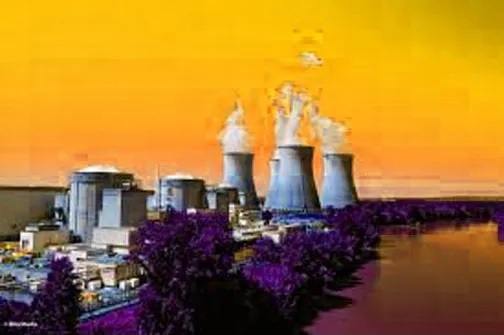
Modern Power Systems Tracey Honney September 3, 2024
elieving that waterways used as cooling sources for nuclear power plants could get warmer due to climate change, climate scientists and nuclear engineering specialists at the US Department of Energy’s Argonne National Laboratory are joining forces to develop a plan B for nuclear power in Richland, Washington.
The plan is to use Gateway for Accelerated Innovation in Nuclear (GAIN) funding from DOE to work with Energy Northwest to inform the design and selection of future nuclear reactor cooling systems and assess their impacts on electricity cost………………………………….
Vilim notes that the most economic and best source of cooling is a local, flowing waterway, such as a lake or a river, used to provide “wet” cooling. That’s the approach employed at Washington’s nuclear power plant, the Columbia generating station in Richland. The Columbia generating station provides roughly 8% of the state’s electricity. It relies on a steady, cool flow of water from the Columbia River.
However, when considering construction of future nuclear power plants, Energy Northwest thought it prudent to develop a contingency plan if the river conditions change. Despite the relatively wet climate of its most populous city, Seattle, Washington state is quite temperate and arid east of the Cascade mountain range. There, Washington state is characterised by hot summers and cool winters. If changing climate models indicate that hotter, drier days lie ahead, more aridity will affect the volume, flow and temperature of the Columbia River.
………………………………….“One of the biggest changes in the USA is going to be how precipitation like rain, snow and other precipitation events happen,” Kotamarthi said. “We may have really intense events with large amounts of rainfall in a very short time, followed by periods of no rain. These flash floods and flash droughts will make managing water a completely different task.” https://www.modernpowersystems.com/analysis/developing-a-plan-b-for-nuclear-power-in-washington/
1 This Month.
5 January -Webinar-What is Trump’s Golden Dome?
REGISTER AT Massachusetts Peace Action Education


New book – https://www.amazon.com/dp/1923372157?utm_source=substack&utm_medium=email
Now until to February 10, 2026 Radioactive waste storage in France: the debate is finally open! How to participate?
-
Archives
- December 2025 (301)
- November 2025 (359)
- October 2025 (377)
- September 2025 (258)
- August 2025 (319)
- July 2025 (230)
- June 2025 (348)
- May 2025 (261)
- April 2025 (305)
- March 2025 (319)
- February 2025 (234)
- January 2025 (250)
-
Categories
- 1
- 1 NUCLEAR ISSUES
- business and costs
- climate change
- culture and arts
- ENERGY
- environment
- health
- history
- indigenous issues
- Legal
- marketing of nuclear
- media
- opposition to nuclear
- PERSONAL STORIES
- politics
- politics international
- Religion and ethics
- safety
- secrets,lies and civil liberties
- spinbuster
- technology
- Uranium
- wastes
- weapons and war
- Women
- 2 WORLD
- ACTION
- AFRICA
- Atrocities
- AUSTRALIA
- Christina's notes
- Christina's themes
- culture and arts
- Events
- Fuk 2022
- Fuk 2023
- Fukushima 2017
- Fukushima 2018
- fukushima 2019
- Fukushima 2020
- Fukushima 2021
- general
- global warming
- Humour (God we need it)
- Nuclear
- RARE EARTHS
- Reference
- resources – print
- Resources -audiovicual
- Weekly Newsletter
- World
- World Nuclear
- YouTube
-
RSS
Entries RSS
Comments RSS
 nuclear-news