International Physicians for the Prevention of Nuclear War (IPPNW). Co-President Carlos Umaña Explores Making Nuclear Weapons Taboo

August 30th, 2024 https://nuclearactive.org/ippnw-co-president-carlos-umana-explores-making-nuclear-weapons-taboo/
“When the Cold War ended in 1991 and the Doomsday Clock was at its furthest from midnight, the world sighed in relief… . It was a moment of hope where many believed this low tension between the military and economic powers of the world would lead to peace talks and nuclear disarmament.. . . So, why didn’t nuclear disarmament happen when
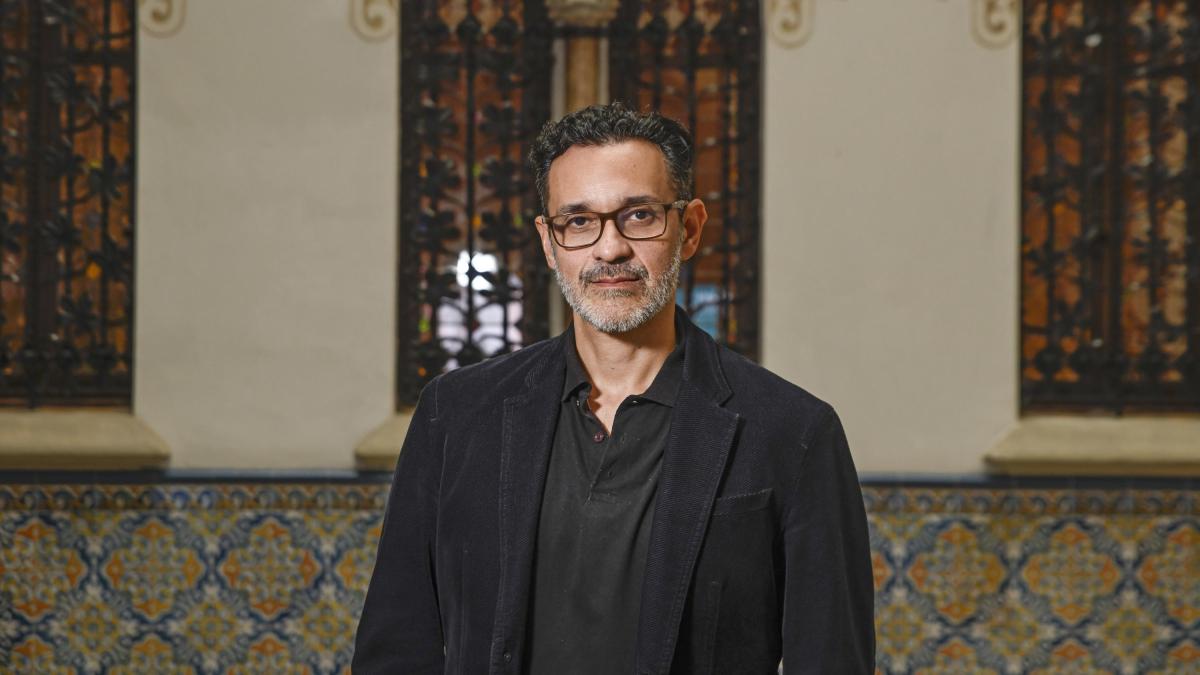
the iron curtain fell?. . .” This question is at the center of “Making Nuclear Weapons Taboo,” an August 2024 address by Dr. Carlos Umaña, Co-President of International Physicians for the Prevention of Nuclear War (IPPNW).
Dr. Umaña answers the question by saying, “Simply put, nuclear weapons had become a status symbol. . . . Nukes had become the currency of power, and this did not change when the so-called superpowers lost their main reason to threaten each other.” Dr. Umaña proposes that possession of nuclear weapons has a social value that society can alter. He uses the example of a bag of gold coins found in a forest to show that society bestows arbitrary value or “currency” on things. He says,
“. . .we hold on to them [the coins] because we have learned that they have value, and once we find our way to civilization, they will allow us to do a great deal of things. . .Their inherent value, what they can do for us by themselves, isn’t great, but their given value, what we have decided they can do for us, is very high.”
Dr. Umaña goes on to say that the belief that nuclear weapons are advantageous is international. The way to abolish weapons is to stigmatize them, make them taboo. This method has changed other human behavior, like slavery, and also some weapons of mass destruction such as chemical and biological weapons. He says, “[W]e will be able to get rid of nuclear weapons when they are universally condemned, when the nuclear status is not a subject of praise, but of scorn.”
To discuss how values can be changed in practice, Dr. Umaña adopts the image of concentric circles that he attributes to Professor Treasa Duckworth, Associate Professor in the Faculty of Law of the University of Auckland, in conversation with Tim Wright of the International Campaign to Abolish Nuclear Weapons (ICAN): progress against nuclear weapons being held in esteem can occur first in the outer ring of weapon-free countries, then in countries under the “nuclear umbrella,” and finally in the center ring, the U.S. and Russia.
Dr. Umaña concludes, “The international community will be able to get rid of nuclear weapons when the world finally agrees to see nuclear weapon states not as nuclear powers, but as nuclear liabilities.”
IPPNW Co-President Carlos Umaña is a general practitioner, former local health director, and epidemiological surveillance officer with the Costa Rican Ministry of Health. Dr. Umaña is on the ICAN International Steering Group and is president of IPPNW Costa Rica.
To read Dr. Umaña’s full speech, go to: https://peaceandhealthblog.com/2024/08/26/making-nuclear-weapons-taboo/
No comments yet.
1 This Month

18 March Webinar @ 1 PM EST: An Assessment of SMR Projects: The Case of Canada
register for the zoom:
https://us02web.zoom.us/webinar/register/WN_o8BIIOUvQ2ONJR1nta65DQ#/registration

of the week – STOP SMALL MODULAR REACTORS IN CANADA
To see nuclear-related stories in greater depth and intensity – go to https://nuclearinformation.wordpress.com
-
Archives
- February 2026 (256)
- January 2026 (308)
- December 2025 (358)
- November 2025 (359)
- October 2025 (376)
- September 2025 (258)
- August 2025 (319)
- July 2025 (230)
- June 2025 (348)
- May 2025 (261)
- April 2025 (305)
- March 2025 (319)
-
Categories
- 1
- 1 NUCLEAR ISSUES
- business and costs
- climate change
- culture and arts
- ENERGY
- environment
- health
- history
- indigenous issues
- Legal
- marketing of nuclear
- media
- opposition to nuclear
- PERSONAL STORIES
- politics
- politics international
- Religion and ethics
- safety
- secrets,lies and civil liberties
- spinbuster
- technology
- Uranium
- wastes
- weapons and war
- Women
- 2 WORLD
- ACTION
- AFRICA
- Atrocities
- AUSTRALIA
- Christina's notes
- Christina's themes
- culture and arts
- Events
- Fuk 2022
- Fuk 2023
- Fukushima 2017
- Fukushima 2018
- fukushima 2019
- Fukushima 2020
- Fukushima 2021
- general
- global warming
- Humour (God we need it)
- Nuclear
- RARE EARTHS
- Reference
- resources – print
- Resources -audiovicual
- Weekly Newsletter
- World
- World Nuclear
- YouTube
-
RSS
Entries RSS
Comments RSS
 nuclear-news
Leave a comment