Pacific leaders, Japan, agree on Fukushima nuclear wastewater discharge (not everyone is happy)
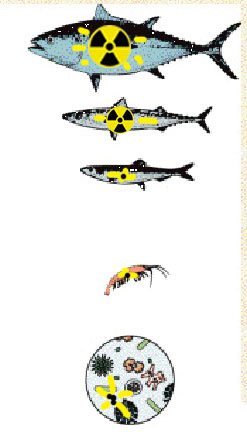
“The discharge, planned to continue for decades, is irreversible. Radionuclides bioaccumulate in marine organisms and can be passed up the food web, affecting marine life and humans who consume affected seafood,”
“The discharge, planned to continue for decades, is irreversible. Radionuclides bioaccumulate in marine organisms and can be passed up the food web, affecting marine life and humans who consume affected seafood,”
RNZ 19 July 2024 , By Pita Ligaiula in Tokyo
Consensus has been reached by Pacific leaders with Japan to address the controversial release of treated nuclear wastewater from the Fukushima nuclear power plant into the Pacific Ocean.
In August last year, Japan began discharging waste from about 1000 storage tanks holding 1.34 million metric tons of contaminated water collected after an earthquake and tsunami in 2011 that caused the meltdown of the Fukushima nuclear plant.
The agreement came at the Japanese hosted 10th Pacific Island Leaders Meeting (PALM10) on Thursday in the capital Tokyo attended by most of the Pacific Islands Forum (PIF) country leaders…………………………..
Pacific leaders emphasised the importance of a shared commitment to safeguarding the health, environment, and marine resources of the Pacific region and a need for transparency from Japan………………………………………….
TEPCO uses a process known as Advanced Liquid Processing System involving special filters which remove from the contaminated water most of the 62 types of radioactive materials, radionuclides such as cesium, strontium, iodine and cobalt but not tritium.
The leaders agreed to keep the ALPS treated water issue as a standing agenda item for future PALM meetings with Japan, supported by an ongoing review process. Their decision reflects concerns about addressing the long-term implications and ensuring continuous monitoring and evaluation.
While consensus was reached at the summit, the wastewater release continues to be questioned by some scientists.
Director of the Kewalo Marine Laboratory at the University of Hawaii, Research Professor Robert Richmond, said concerns remain regarding the efficacy of the ALPS treatment and the contents of the thousands of storage tanks of radioactive wastewater.
“The long-term effects of this discharge on Pacific marine ecosystems and those who depend on them are still unknown. Even small doses of radiation can cause cancer or genetic damage,” Richmond said in a statement to BenarNews after the agreement.
He criticised the current monitoring program as inadequate and poorly designed, failing to protect ocean and human health.
“The discharge, planned to continue for decades, is irreversible. Radionuclides bioaccumulate in marine organisms and can be passed up the food web, affecting marine life and humans who consume affected seafood,” Richmond said……………………………………………… https://www.rnz.co.nz/international/pacific-news/522582/pacific-leaders-japan-agree-on-fukushima-nuclear-wastewater-discharge—
No comments yet.
1 This Month


Tell the Ukrainian Government to Drop Prosecution of Peace Activist Yurii Sheliazhenko

Petition to revoke the licensing of the Near Surface Nuclear Disposal Facility (NSDF) at Chalk River. https://www.ourcommons.ca/petitions/en/Petition/Details?Petition=e-7247


of the week – STOP SMALL MODULAR REACTORS IN CANADA
To see nuclear-related stories in greater depth and intensity – go to https://nuclearinformation.wordpress.com
-
Archives
- March 2026 (204)
- February 2026 (268)
- January 2026 (308)
- December 2025 (358)
- November 2025 (359)
- October 2025 (376)
- September 2025 (258)
- August 2025 (319)
- July 2025 (230)
- June 2025 (348)
- May 2025 (261)
- April 2025 (305)
-
Categories
- 1
- 1 NUCLEAR ISSUES
- business and costs
- climate change
- culture and arts
- ENERGY
- environment
- health
- history
- indigenous issues
- Legal
- marketing of nuclear
- media
- opposition to nuclear
- PERSONAL STORIES
- politics
- politics international
- Religion and ethics
- safety
- secrets,lies and civil liberties
- spinbuster
- technology
- Uranium
- wastes
- weapons and war
- Women
- 2 WORLD
- ACTION
- AFRICA
- Atrocities
- AUSTRALIA
- Christina's notes
- Christina's themes
- culture and arts
- Events
- Fuk 2022
- Fuk 2023
- Fukushima 2017
- Fukushima 2018
- fukushima 2019
- Fukushima 2020
- Fukushima 2021
- general
- global warming
- Humour (God we need it)
- Nuclear
- RARE EARTHS
- Reference
- resources – print
- Resources -audiovicual
- Weekly Newsletter
- World
- World Nuclear
- YouTube
-
RSS
Entries RSS
Comments RSS
 nuclear-news
Leave a comment