Taxpayer contribution to Sizewell C nuclear plant could double
24 May, 2022 By Rob Hakimian https://www.newcivilengineer.com/latest/taxpayer-contribution-to-sizewell-c-nuclear-plant-could-double-24-05-2022/
Construction of the Sizewell C nuclear plant in Suffolk could cost taxpayers more than double what the government has suggested, according to new research
Construction of Sizewell C has not yet been confirmed, with the planning decision having recently been pushed back to July.
However, with the UK set to lose all of its functional advanced gas-cooling reactor (AGR) nuclear plants by 2028, the government is keen to push through plans for new plants as it has made nuclear energy a crux point of its net zero strategy and energy security strategy. It has already committed £100M to Sizewell C and, crucially, agreed to use the regulated asset base (RAB) funding model to pay for it.
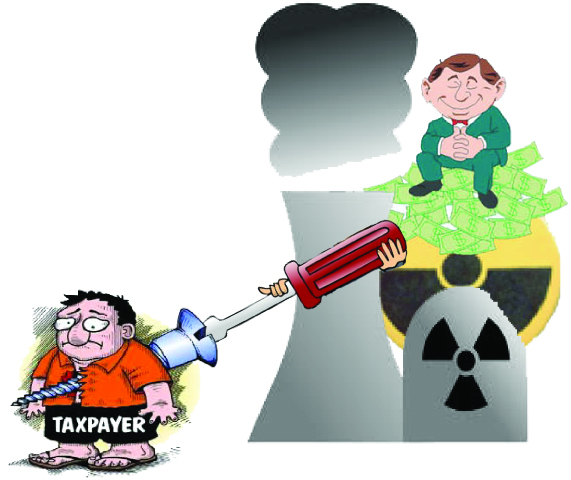
The RAB model, which has previously been used to fund Tideway and Heathrow Terminal 5, allows investors to recoup some of their money during the construction phase of the project through taxation. The taxpayer pays for the plant through monthly surcharge on their taxes before they reap the rewards. The government says that, while the taxpayer will have to pay the surcharge during construction, they will save £10 a month through this method once the plant is operational.
However, if a project suffers delays and cost increases, this means the risk falls on the shoulders of the taxpayer. As seen by continual delays and cost hikes on Hinkley Point C, nuclear plants are particularly susceptible.
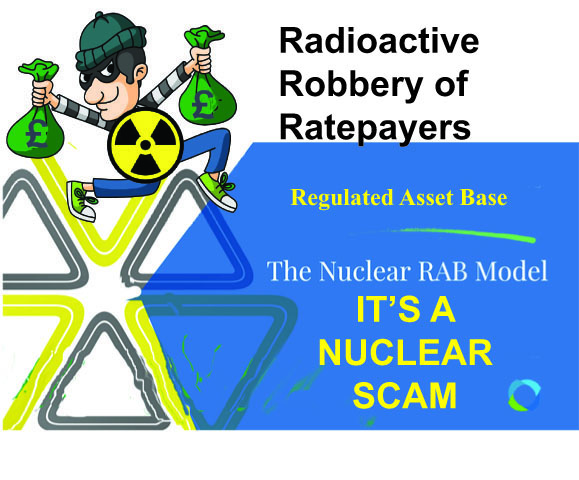
In its own analysis of using the RAB model to fund Sizewell C, the government has said that over the course of the plant’s 13-17 years construction it will add an average surcharge of £1 per month to household bills. However, the University of Greenwich School of Business says that the government’s calculations are based on 2021 prices and do not account for inflation over the course of the next two decades as the plant is built.
Taking into account inflation, based on the Treasury’s target level of 2%, Greenwich Business School has determined that the cost could be up to £2.12 per month on average over the course of the construction time. However, this is a relatively conservative estimate, as inflation could be much greater than 2% over the course of the next 20 years.
The government’s calculation is based on the median expectations for the construction of Sizewell C, i.e. that it will take 15 years (midway between the projected 13-17 years) and cost £35bn (midway between the estimated £26.3bn and £43.8bn).
Greenwich Business School has also looked at the best and worse case scenarios, adding 2% inflation. If the construction were to only last 13 years and cost £26.3bn, the taxpayer would fork out an additional £148.20 over the course (an average of 95p per month). If it is to last 17 years and cost £43.8bn, the taxpayer will pay an additional £431.90 over the duration (an average of £2.12 per month).
This figure could be even higher if the project runs beyond 17 years, costs over £43.8bn and/or inflation rises by more than 2%, all of which are distinct possibilities.
The RAB model, which has previously been used to fund Tideway and Heathrow Terminal 5, allows investors to recoup some of their money during the construction phase of the project through taxation. The taxpayer pays for the plant through monthly surcharge on their taxes before they reap the rewards. The government says that, while the taxpayer will have to pay the surcharge during construction, they will save £10 a month through this method once the plant is operational.
This figure could be even higher if the project runs beyond 17 years, costs over £43.8bn and/or inflation rises by more than 2%, all of which are distinct possibilities.
Both the government’s and Greenwhich Business School’s calculations are based on illustrative figures. More accurate figures will be known once planning has been granted and investment partners found.
This presents another issue, as there are no clear investors champing at the bit. While the government is bullish about nuclear’s potential green benefits, many potential investors are uncertain of its environmental, social and governance (ESG) credentials. Aviva Investors has even called out the government for not providing enough detail for a proper assessment on nuclear’s ESG potential.
University of Greenwich emeritus professor of energy policy Stephen Thomas told NCE: “There are differences between Tideway and Sizewell C. One is scale: Tideway is said to be a huge project, but the cost is not much more than a 10th of what Sizewell C will be, so it will be a big strain on that market.
- You are here: Latest
Taxpayer contribution to Sizewell C nuclear plant could double
24 May, 2022 By Rob Hakimian
Construction of the Sizewell C nuclear plant in Suffolk could cost taxpayers more than double what the government has suggested, according to new research.
Construction of Sizewell C has not yet been confirmed, with the planning decision having recently been pushed back to July.
However, with the UK set to lose all of its functional advanced gas-cooling reactor (AGR) nuclear plants by 2028, the government is keen to push through plans for new plants as it has made nuclear energy a crux point of its net zero strategy and energy security strategy. It has already committed £100M to Sizewell C and, crucially, agreed to use the regulated asset base (RAB) funding model to pay for it.
The RAB model, which has previously been used to fund Tideway and Heathrow Terminal 5, allows investors to recoup some of their money during the construction phase of the project through taxation. The taxpayer pays for the plant through monthly surcharge on their taxes before they reap the rewards. The government says that, while the taxpayer will have to pay the surcharge during construction, they will save £10 a month through this method once the plant is operational.
However, if a project suffers delays and cost increases, this means the risk falls on the shoulders of the taxpayer. As seen by continual delays and cost hikes on Hinkley Point C, nuclear plants are particularly susceptible.
In its own analysis of using the RAB model to fund Sizewell C, the government has said that over the course of the plant’s 13-17 years construction it will add an average surcharge of £1 per month to household bills. However, the University of Greenwich School of Business says that the government’s calculations are based on 2021 prices and do not account for inflation over the course of the next two decades as the plant is built.
Taking into account inflation, based on the Treasury’s target level of 2%, Greenwich Business School has determined that the cost could be up to £2.12 per month on average over the course of the construction time. However, this is a relatively conservative estimate, as inflation could be much greater than 2% over the course of the next 20 years.
The government’s calculation is based on the median expectations for the construction of Sizewell C, i.e. that it will take 15 years (midway between the projected 13-17 years) and cost £35bn (midway between the estimated £26.3bn and £43.8bn).
Greenwich Business School has also looked at the best and worse case scenarios, adding 2% inflation. If the construction were to only last 13 years and cost £26.3bn, the taxpayer would fork out an additional £148.20 over the course (an average of 95p per month). If it is to last 17 years and cost £43.8bn, the taxpayer will pay an additional £431.90 over the duration (an average of £2.12 per month).
This figure could be even higher if the project runs beyond 17 years, costs over £43.8bn and/or inflation rises by more than 2%, all of which are distinct possibilities.
Both the government’s and Greenwhich Business School’s calculations are based on illustrative figures. More accurate figures will be known once planning has been granted and investment partners found.
This presents another issue, as there are no clear investors champing at the bit. While the government is bullish about nuclear’s potential green benefits, many potential investors are uncertain of its environmental, social and governance (ESG) credentials. Aviva Investors has even called out the government for not providing enough detail for a proper assessment on nuclear’s ESG potential.
University of Greenwich emeritus professor of energy policy Stephen Thomas told NCE: “There are differences between Tideway and Sizewell C. One is scale: Tideway is said to be a huge project, but the cost is not much more than a 10th of what Sizewell C will be, so it will be a big strain on that market.
“The second difference is that there is output to sell from Sizewell C. Thames Tideway gets its money by being there and providing a service; if it’s there and it’s not utterly failed then that’s it. Sizewell C has kilowatt hours to sell, and there are risks in that because you don’t know how reliable the plant is going to be, you don’t know what the running costs are going to be, you don’t know what the fuel costs are going to be. So there are risks involved in that.
“The RAB is a bit of an illusion, because the kilowatt hour costs that they will quote are based on whatever it costs to ensure investors make their agreed return, no matter how high the price. It will ignore the surcharge paid during the construction phase, which is a huge subsidy by consumers. It is a blank cheque signed by consumers. It’s a dreadful model.”
A Sizewell C spokesperson said: “The RAB model is a proven financing arrangement which has already been used to raise funds for more than £160bn of infrastructure. Applied to Sizewell C, it will bring the cost of finance down and deliver significant savings to consumers.”
A government spokesperson said: “We firmly stand by our assessment that a large-scale project funded under our Nuclear Act would add at most a few pounds a year to typical household energy bills during the early stages of construction, and on average about £1 a month during the full construction phase of the project.”
No comments yet.
1 This Month
Chernobyl: The Lost Tapes – A good documentary on Chernobyl on SBS available On Demand for the next 3 weeks– https://www.sbs.com.au/ondemand/tv-program/chernobyl-the-lost-tapes/2352741955560

of the week–London Campaign for Nuclear Disarmament

Tell the Ukrainian Government to Drop Prosecution of Peace Activist Yurii Sheliazhenko
To see nuclear-related stories in greater depth and intensity – go to https://nuclearinformation.wordpress.com
-
Archives
- April 2026 (152)
- March 2026 (251)
- February 2026 (268)
- January 2026 (308)
- December 2025 (358)
- November 2025 (359)
- October 2025 (376)
- September 2025 (257)
- August 2025 (319)
- July 2025 (230)
- June 2025 (348)
- May 2025 (261)
-
Categories
- 1
- 1 NUCLEAR ISSUES
- business and costs
- climate change
- culture and arts
- ENERGY
- environment
- health
- history
- indigenous issues
- Legal
- marketing of nuclear
- media
- opposition to nuclear
- PERSONAL STORIES
- politics
- politics international
- Religion and ethics
- safety
- secrets,lies and civil liberties
- spinbuster
- technology
- Uranium
- wastes
- weapons and war
- Women
- 2 WORLD
- ACTION
- AFRICA
- Atrocities
- AUSTRALIA
- Christina's notes
- Christina's themes
- culture and arts
- Events
- Fuk 2022
- Fuk 2023
- Fukushima 2017
- Fukushima 2018
- fukushima 2019
- Fukushima 2020
- Fukushima 2021
- general
- global warming
- Humour (God we need it)
- Nuclear
- RARE EARTHS
- Reference
- resources – print
- Resources -audiovicual
- Weekly Newsletter
- World
- World Nuclear
- YouTube
-
RSS
Entries RSS
Comments RSS
 nuclear-news
Leave a comment