15 minutes to save the world’: a terrifying Virtual Reality journey into the nuclear bunker
15 minutes to save the world’: a terrifying VR journey into the nuclear bunker, Guardian Julian Borger in WashingtonTue 14 Dec 2021 Nuclear Biscuit, a simulated experience, allows US officials to wargame a missile attack and see the devastating consequences of their choices…………
I was experiencing what a US president would have to do in the event of a nuclear crisis: make a decision that would end many millions of lives – and quite possibly life on the planet – with incomplete information and in less than 15 minutes……………
The VR simulation has been developed by a team from Princeton, American and Hamburg universities, based on extensive research, including interviews with former officials, into what would happen if the US was – or believed itself to be – under nuclear attack. They have called their project the Nuclear Biscuit, after the small card bearing the president’s launch authorization codes.
……………………….. In 1979, the world came within minutes of nuclear war because someone had left a training tape simulating a Russian attack in the early warning system monitors. In September 1983, Russian computers erroneously showed incoming US missiles. Armageddon was only averted because the duty officer, Lieutenant Colonel Stanislav Petrov, went against protocols and decided not to act on the alert because his gut told him it was a glitch……….
…………… The pressure to take one of the options presented by the Pentagon felt almost overwhelming. At one point an aide asked how I would be able to face my country if I failed to respond. The simulation raises the question of who chooses those options in the first place. In the 15 minutes available, it would be impossible to put all feasible alternatives in front of a president, so whoever whittles them down holds a huge amount of power. All we know is that it is someone from the US military. Diplomats, politicians or ethicists are not part of the process.
…………… Shockingly, the researchers found no evidence that any US president except Jimmy Carter, had taken part in realistic drills to practise potentially world-ending decisions. Other presidents occasionally participated in table-top exercises with aides to discuss options but more often sent surrogates in their place.
In January, the research team will take their experiment to Capitol Hill, with the aim of provoking some contemplation about the realities underlying US nuclear planning.
“Hopefully members of Congress will come to experience this and at least see the consequences of the choices they’ve made about nuclear weapons issues,” Weiner said. “They will see everybody in that virtual room is trying to do their job, but it’s an impossible job.” https://www.theguardian.com/technology/2021/dec/14/vr-game-simulating-nuclear-attack-tests-decision-making-skills
No comments yet.
1 This Month
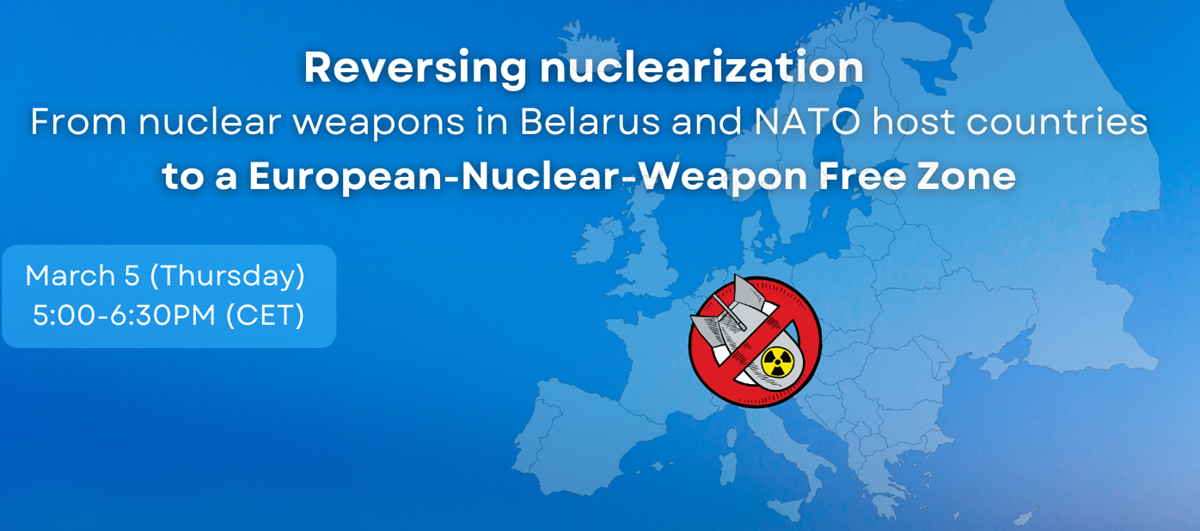
5 March -Online – Reversing nuclearization:
From nuclear weapons in Belarus and NATO host countries to a European-Nuclear-Weapon Free Zone
11am-12:30pm Eastern Time USA / 5pm-6:30pm CET

of the week – Advocating for a
nuclear free beach – https://www.samuellawrencefoundation.org/
The Samuel Lawrence Foundation advocates for a Nuclear Waste Free Beach at San Onofre, join us and take action!
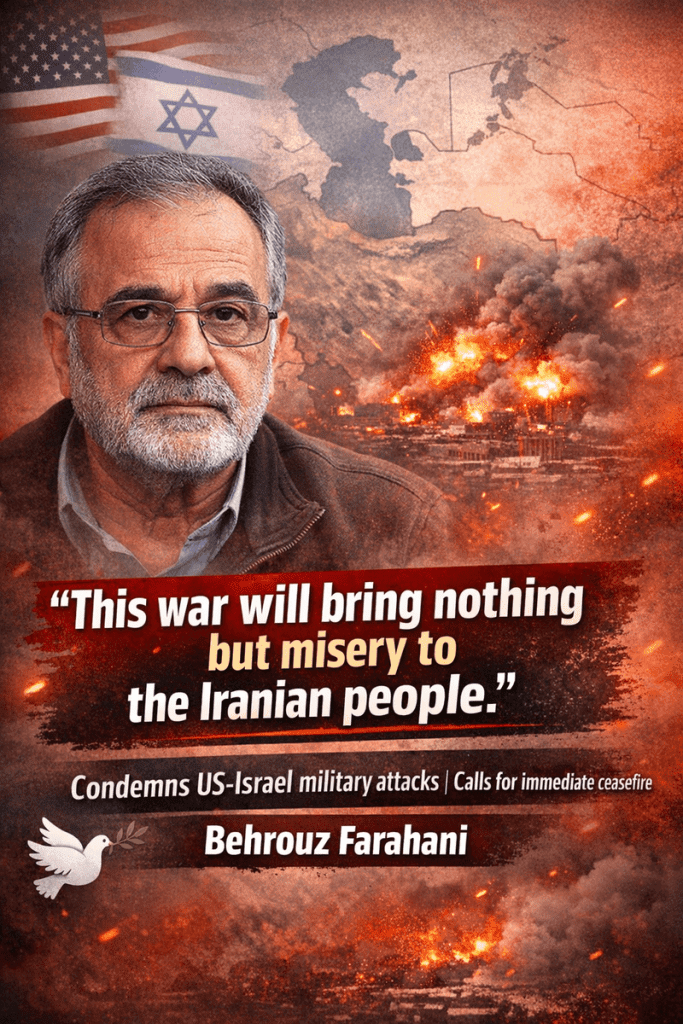
10 March A LIVE WEBINAR THE REAL EFFECTS OF NUCLEAR POWER
What the Industry Isn’t Telling Us
1:00 PM Mountain, 2 pm Central, 3 pm Eastern. Live on the Keepers of the Water Facebook page

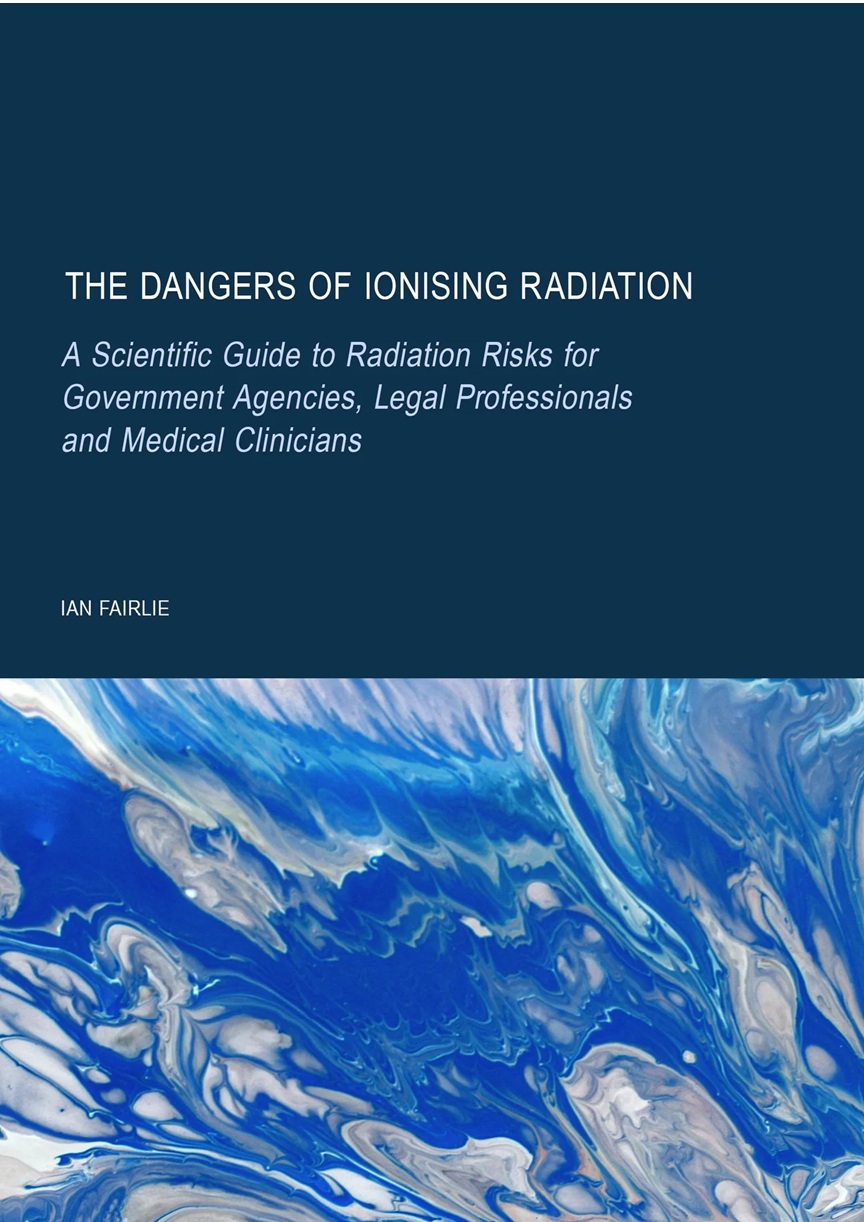
18 March Webinar @ 1 PM EST: An Assessment of SMR Projects: The Case of Canada
register for the zoom:
https://us02web.zoom.us/webinar/register/WN_o8BIIOUvQ2ONJR1nta65DQ#/registration

of the week – STOP SMALL MODULAR REACTORS IN CANADA
To see nuclear-related stories in greater depth and intensity – go to https://nuclearinformation.wordpress.com
-
Archives
- March 2026 (38)
- February 2026 (268)
- January 2026 (308)
- December 2025 (358)
- November 2025 (359)
- October 2025 (376)
- September 2025 (258)
- August 2025 (319)
- July 2025 (230)
- June 2025 (348)
- May 2025 (261)
- April 2025 (305)
-
Categories
- 1
- 1 NUCLEAR ISSUES
- business and costs
- climate change
- culture and arts
- ENERGY
- environment
- health
- history
- indigenous issues
- Legal
- marketing of nuclear
- media
- opposition to nuclear
- PERSONAL STORIES
- politics
- politics international
- Religion and ethics
- safety
- secrets,lies and civil liberties
- spinbuster
- technology
- Uranium
- wastes
- weapons and war
- Women
- 2 WORLD
- ACTION
- AFRICA
- Atrocities
- AUSTRALIA
- Christina's notes
- Christina's themes
- culture and arts
- Events
- Fuk 2022
- Fuk 2023
- Fukushima 2017
- Fukushima 2018
- fukushima 2019
- Fukushima 2020
- Fukushima 2021
- general
- global warming
- Humour (God we need it)
- Nuclear
- RARE EARTHS
- Reference
- resources – print
- Resources -audiovicual
- Weekly Newsletter
- World
- World Nuclear
- YouTube
-
RSS
Entries RSS
Comments RSS
 nuclear-news
Leave a comment