What effect will pandemic have on tensions with North Korea?
Breakthrough or Crisis? How Will Coronavirus Impact Tensions with North Korea?
Is a breakthrough possible?: “As it continues to call on Pyongyang to resume negotiations, Washington could consider gathering support for an interim agreement from Seoul, Tokyo, Beijing, and Moscow. If successful, perhaps North Korea will feel pressured to return to dialogue or risk being blamed for breaking the diplomatic process. If a deal cannot be reached before November, the elements of such an interim agreement could be the starting point of discussions with the US administration after the elections.” National Interest, by Duyeon Kim, 22 Mar 20 The novel coronavirus pandemic has accelerated geopolitical tensions first in Northeast Asia, with the original outbreak in China, and now around the world as the United States, Europe and many others battle their own epidemics and global markets spiral downward. Leaders among the big powers—particularly the US, China, and Russia—already trying to exploit this global crisis to gain advantage and exert power instead of coming together to fight a common threat. This climate adds another layer of uncertainty over the Korean Peninsula where an authoritarian leader is trying to exert his power at a time when every world leader is preoccupied with the viral disease that is simultaneously testing their leadership and competence.
Bulgaria delays deadline for Belene nuclear project bids
French energy company EDF’s Framatome and U.S. group General Electric, which had both offered to provide equipment for the 2,000 megawatt project and arrange financing, will also be part of the process.
“At the moment we cannot provide access to the data room for the project. So we would have to extend the deadline for filing bids until we can grant such access,” Energy Minister Temenuzhka Petkova said. “It would mean a delay of a month, month and a half.”
She added that all shortlisted bidders remain interested.
Sofia has revived the Belene project to make use of two nuclear reactors it bought for more than 620 million euros from Rosatom in compensation for scrapping the original project in 2012. It plans to have the project operational in 10 years. ($1 = 0.9351 euros) (Reporting by Tsvetelia Tsolova Editing by David Goodman)
Coronavirus threatens nuclear power plants with staff shortages, possible shutdowns

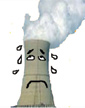 Covid-19 could cause staff shortages in the nuclear power industry https://bellona.org/news/nuclear-issues/2020-03-covid-19-could-cause-staff-shortages-in-the-nuclear-power-industry
As the Covid-19 virus grinds world economies to a halt, several national nuclear operators are weighing how to keep sensitive and vulnerable infrastructure chugging along in the face of staff shortages due to the illness. March 20, 2020 by Charles Digges
As the Covid-19 virus grinds world economies to a halt, several national nuclear operators are weighing how to keep sensitive and vulnerable infrastructure chugging along in the face of staff shortages due to the illness.
A number of national contingency plans, if enacted, could mark an unprecedented step by nuclear power providers to keep their highly-skilled workers healthy as governments scramble to minimize the impact of the global pandemic that has infected more than 240,000 people worldwide.
Officials in the United States, for instance, have suggested they might isolate critical technicians at the country’s nuclear power plants and ask them to live onsite to avoid exposure to the virus. Many operators say they have been stockpiling beds, blankets and food to support staff for that purpose.
Should that fail to stem the pandemic’s effect on the nuclear work force, the US Nuclear Regulatory Commission said it would shut down any of America’s 60 nuclear plants if they can’t be appropriately staffed.
Other operators, however, are already seeing the spread of the infection slow things down. In Great Britain, authorities announced they are shutting down a nuclear fuel reprocessing site at Sellafield after 8 percent of its 11,500-strong staff were forced to self-isolate to avoid infection. The move came after an employee tested positive for the coronavirus last week, and will lead to a gradual shutdown of the site’s Magnox facility, which is slated to close permanently later this year.
Sellafield told employees that it would work to “make best use of available people”.
France, the world’s most nuclear dependent nation, announced staff reductions at its Flameville plant in the country’s north. The EDF, France’s national nuclear operator, said that, due to high regional infection rates, it was reducing the staff at the plant from 800 to 100. As early as March 10, EDF reported that three workers at nuclear power plants had tested positive for the virus.
A spokesman for the Flameville plant told Reuters that “we have decided to only keep those in charge of safety and security” working while the coronavirus crisis runs its course.
French grid operator RTE expects nuclear availability to stay 3.6GW below the 2015 to 2019 average and likewise predicts a national drop in nuclear demand.
Taken together, the emergency responses of national nuclear operators are symptoms of a big problem that Covid-19 posed to the nuclear sector, Mycle Schneider and independent energy and nuclear policy analyst told Power Technology Magazine.
“Covid-19 constitutes an unprecedented threat on sensitive strategic infrastructure, above all the power sector,” he said.
“The French case sheds light on a fundamental societal safety and security issue that got little attention in the current Covid-19 crisis. Operation and maintenance of nuclear power plants draw on a small group of highly specialized technicians and engineers.”
Because of that very level of specialization, some in the US nuclear industry are considering simply isolating nuclear plant technicians onsite in a sort of preventative quarantine.
Maria Korsnick, head of the Washington-based Nuclear Energy Institute told the New York Times that plants are “considering measures to isolate a core group to run the plant, stockpiling ready-to-eat meals and disposable tableware, laundry supplies and personal care items.”
The US Department of Homeland Security is responsible for working with nuclear power plant operators to maintain their operations during a national emergency. On Thursday, the department issued guidelines that echoed the ones suggested by Korsnick.
When continuous remote work is not possible, businesses should enlist strategies to reduce the likelihood of spreading the disease,” the DHS said in a memo, according to Power Magazine. “This includes, but is not necessarily limited to, separating staff by off-setting shift hours or days and/or social distancing.”
Roy Palk, president and CEO of New Horizons Consulting, which advises energy companies in the US, told the magazine that, “There are a lot of unanswered questions because this is not a model everyone is used to working with.”
To keep the lights on, he said, utilities and power plant operators might have to consider keeping staff onsite for the long term.
“These operators have a license to operate, they’re highly skilled, highly trained. They have to be certified.” he told the magazine. “These individuals need to be on the job, they need to be healthy. They have a big obligation to the public.”
Reuters contacted a dozen other power providers, all of whom said they were implementing plans to moderate risks to their employees and to ensure continuity of service, but who declined to comment on whether sequestering staff was a possibility.
In New York, Consolidated Edison Inc, which provides power to around 3.3 million customers and gas to about 1.1 million customers in New York City and Westchester County – both of which are under virus lockdowns – said it was taking steps to keep critical employees healthy, including separating some control center personnel to other locations where they can perform their work.
Duke Energy Corp, which provides power to 7.7 million customers in six states and gas to 1.6 million customers in five states, said it instituted additional worker screening measures, such as temperature checks, at generating and other critical facilities.
Puget Sound Energy, which serves more than 1.5 million customers in the Seattle, Washington area – a region hard hit by coronavirus – said all non-essential workers are working remotely, and the utility has limited access to facilities that provide critical operations.
Could Donald Trump cancel the November 2020 election? Don’t let it happen


PETITION TO: Donald Trump
DONALD TRUMP: Please Guarantee the November, 2020 Election Will Proceed
Japanese govt moving to transfer renewable energy funds to Fukushima nuclear clean-up.
 State funds to be juggled to cover cleanup costs from Fukushima http://www.asahi.com/ajw/articles/13225190, THE ASAHI SHIMBUN, March 18, 2020 The government has moved to revise a law to allow for the diversion of budgetary funds set aside for the promotion of renewable energy to help cover ballooning costs related to the storage of radioactive waste produced during cleanup work after the Fukushima nuclear disaster.
Tax revenues appropriated for renewable-related projects are not permitted to be used for nuclear power programs under the special account law, which governs budgets allocated for specific purposes.
Earlier this month, however, the government submitted a bill to the Diet to revise the law to make the diversion of funds legal. It plans to enact the legislation during the current Diet session and put the revised law into force in April 2021.
This would be the first time for a revenue source earmarked for a specific expenditure to be diverted to a different purpose.
But the revision bill is likely to draw criticism from the public as it concerns the divisive issue of nuclear power and raises further questions about the government’ longstanding insistence that nuclear power is an inexpensive energy source.
Energy-related expenditures are booked under the government’s special account, separately from the general account.
These expenditures are grouped into more categories, such as one for nuclear energy and another for renewable energy sources.
About 300 billion yen ($2.78 billion) a year is allocated for programs associated with nuclear energy, including grants to local governments hosting nuclear power plants, while 800 billion yen or so is set aside to promote renewable energy, energy saving efforts and ensuring a stable energy supply.
Revenues for nuclear energy-related programs are collected under the promotion of power resources development tax, which are levied on electricity rates. Those for renewables are collected from businesses importing petroleum and coal under the petroleum and coal tax.
They are project-specific tax revenues, meaning they cannot be used for other purposes. The amount of those budgets remains at similar levels each year.
The government’s move was prompted by runaway costs to process a vast volume of contaminated waste due to the 2011 disaster at the Fukushima No. 1 nuclear plant and maintain them in interim storage facilities in Fukushima Prefecture.
The government decided to shoulder some of the costs to help Tokyo Electric Power Co, operator of the stricken plant, and gained Cabinet approval to do so in December 2013.
Since fiscal 2014, it has set aside about 35 billion yen annually for the interim storage facilities. The funds come from revenues earmarked for nuclear energy-related projects in the special account.
But expenditures concerning the storage facilities are running a lot higher than initially envisaged.
An estimate released in late 2016 by the Ministry of Trade, Economy and Industry showed that the project will eventually cost 1.6 trillion yen, compared with an initial projection of 1.1 trillion yen.
The government has allocated an additional 12 billion yen annually for the storage facility project since fiscal 2017.
Government officials say the price tag could further increase in coming years, likely leaving the government with scant financial resources to cover the project.
The revision bill has a clause stipulating that funds diverted to nuclear energy-related programs must eventually be returned to renewable energy project-specific tax revenues.
But it remains unclear if the clause will ease objections from opponents of nuclear energy, even if the fund diversion is a temporary measure.
Yoshikazu Miki, former president of Aoyama Gakuin University and a specialist of the tax system in Japan, called on the government to justify its proposed fund diversion by providing a full explanation of the issue.
“A special account budget has rarely been scrutinized during Diet debate, unlike the general account,” Miki said. “The revision bill requires special attention as it is related to a nuclear power plant. Some members of the public may raise objections to the revision. The government needs to explain the matter to taxpayers to defend its need to act in this way.”
(This article was written by Tsuneo Sasaki and Hiroki Ito.)
Britain’s Trident nuclear submarine base is in the grip of a Coronavirus scare
Coronavirus crisis at UK’s nuclear submarine base as twenty staff show COVID-19 symptoms and are forced into isolation Daily Mail,
By JAKE WALLIS SIMONS ASSOCIATE GLOBAL EDITOR FOR MAILONLINE 20 March 2020 Britain’s Trident nuclear submarine base is in the grip of a Coronavirus scare, MailOnline can reveal. Her Majesty’s Naval Base Clyde, the home of the UK nuclear deterrent in Scotland, has nearly 20 possible cases of infection so far. Servicemen and women reporting Covid-19 symptoms have been isolated in sealed rooms with ‘no entry’ signs taped to the doors. The number of possible victims is currently in the ‘low teens’, a source said, and preparations are underway for a major outbreak. The top floor of the Linton Block, one of 17 accommodation buildings at the facility, has been converted into a makeshift quarantine unit and sealed off. A medical team equipped with masks and yellow biohazard bags was seen at work on the base last week. A Ministry of Defence source insisted that Britain’s nuclear deterrent remains fully operational and that there is no possibility of a national security emergency. So far nobody has tested positive on the base, he added, though he acknowledged that testing has not been carried out in every case, in line with Government guidelines. Staff have complained at being ‘left in the dark’, saying they have not been informed about the virus risk at the facility. ‘Nobody knows what is going on and it’s making people frightened,’ one told MailOnline on condition of anonymity. ‘We have not had a single communication to tell us what is happening, and every day more rooms are sealed off. ‘Everyone here is expected to put our lives on the line for the Navy. We just want the Navy to level with us and tell us what the risk is.’ A Ministry of Defence source said that the jigsaw of different private firms and Navy units that operate the base has made it difficult to communicate news about the virus effectively to all staff. The source said: ‘The base is endeavouring to ensure all personnel are aware of the situation and the measures being taken to safeguard personnel.’ HMNB Clyde, commonly known throughout the Navy as ‘Faslane’, is home to 3,000 service personnel, 800 of their families and 4,000 civilian workers, mainly from the engineering firm Babcock International. The Linton Block, where the quarantine facility is being set up, is opposite the ‘Supermess’, one of the base’s major leisure hubs. In addition to separate bars for officers and sailors, there are restaurants, cafes and shops, with a bowling alley, ski slope, swimming pool and gym nearby. All of these are now seen as a ‘petri dish for the virus’, according to personnel serving at the site, and most are being closed down as the top brass prepares for the worst. The sports schedules, which include circuit training and team events such as football, rugby and boxing, have been cancelled, and the swimming pool has been shut in an effort to combat the spread of the disease………https://www.dailymail.co.uk/news/article-8131755/Coronavirus-crisis-UKs-nuclear-submarine-base.html |
|
French nuclear workers in fear of coronavirus infection
French nuclear plants tighten hygiene procedures over coronavirus worries Benjamin Mallet, PARIS (Reuters) 21 Mar 20, – French utility EDF is introducing stricter hygiene procedures at its nuclear plants after walk-outs by a small number of workers who feared getting infected with coronavirus during radiation screening, union and industrial sources said on Friday.Under French labor laws, staff have the right to walk off the job if they consider there is a clear and imminent threat to their health or safety.
After working in the radioactive areas of nuclear plants, staff have to step through narrow shower-style portals in their underwear to be checked for possible radiation exposure. Workers feared the surface areas of these portals could become a source of spreading the virus.
EDF (EDF.PA) has now agreed to clean the portals twice per eight-hour shift, to increase security distances between workers and provide gloves and hand sanitizer, according to new internal rules announced on Tuesday.
“The problem has been solved or will be soon, provided that guidelines are respected,” CGT union member Thierry Raymond told Reuters.
CGT nuclear specialist Thomas Plancot said more than a dozen workers – mostly contractors – had walked out over the issue in the nuclear plants of Fessenheim, Civaux and Chooz, including a sixty-year-old who considered himself especially at risk because of his age. …….https://www.reuters.com/article/us-health-coronavirus-france-nuclear/french-nuclear-plants-tighten-hygiene-procedures-over-coronavirus-worries-idUSKBN2172J1
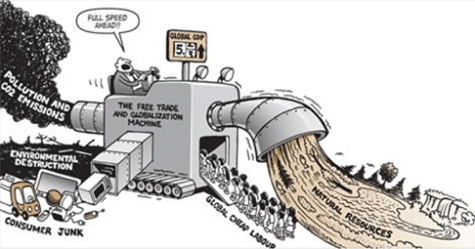
Coronavirus and the growthmania that drives environmental destruction.
Paul R. Ehrlich: A pandemic, planetary reckoning, and a path  forward, Environmental Health News, Mar 20, 2020 Bolster basic medical care
“………..It is convenient for progressives to blame the COVID-19 disaster in the United States on the spectacular incompetence and corruption of the current Republican national leadership. Yes, it has turned away from science, and worked hard to speed the demise of civilization.
One of the Republicans’ many steps in that direction was to destroy the global health security and biodefense directorate that the Obama Administration created to help prepare for emergent diseases. Americans are now likely paying with their lives for Trump’s move there.
But the basic problem dates much further back and is bipartisan. After all both parties have been supportive and remain supportive of the growthmania that has been the basic driver of environmental destruction.
Rather than dwell on the past, however, let’s look at what the U.S. should be doing about the epidemiological environment starting right now. The U.S. has long stood alone in failing to supply all its citizens with health care, an error COVID-19 has highlighted. Changing that, however it is done, should be top priority.
Besides the obvious ethics and justice reasons, people without basic medical care exacerbate public health problems, especially pandemics, in ways that threaten even senators and presidents.
A comprehensive national health program should also remove incentives for infected people to go to work sick and for keeping businesses and other entities that provide essential services functioning.
Plans and equipment should be put in place to greatly increase the capacity of the medical system to deal with large surges of victims of epidemics.
Programs are needed to keep both the plans and essential supplies up to date. A provision for quickly establishing unified leadership in disasters is essential.
Climate change and biodiversity
U.S. security in a globalized world demands leadership in dealing with all aspects of the world’s epidemiological environment.
In addition to rejoining the Paris agreement, America should demand greatly increased ambition in replacing fossil fuels in energy systems so it will have a better chance of ameliorating the building climatic catastrophe and reduce the likely huge refugee flows that will transform the entire global epidemiological environment.
The U.S. should aid China to reduce that nation’s huge pig-duck-pond-wildlife market, which is a lethal virus manufacturing machine. Putting pigs and ducks together with ponds is bad in itself, but adding wildlife markets to the mix makes it worse – and it’s an important factor in the global epidemiological environment.
America and China could lead a civilization-wide program to halt the destruction of biodiversity – another factor which negatively impacts that environment.
What I’m basically saying is that the U.S. should fix the epidemiological environment by taking the obvious steps to solve the human predicament – to avoid the collapse of civilization now entrained…….. https://www.ehn.org/pandemic-population-covid-19-2645518249.html
Coronavirus Halts Street Protests, but Climate Activists Have a Plan
 Coronavirus Halts Street Protests, but Climate Activists Have a Plan, NYT, 20 Mar 20, Greta Thunberg, protesting in Brussels this month, is now calling for digital strikes. The coronavirus outbreak has prompted climate activists to abandon public demonstrations, one of their most powerful tools for raising public awareness, and shift to online protests.
This week, for example, organizers of the Fridays for Future protests are advising people to stay off the streets and post photos and messages on social media in a wave of digital strikes.
“We are people who listen to the scientists and it would be hypocritical of us to not treat this as a crisis,” said Saoi O’Connor, a 17-year-old Fridays for Future organizer from Cork, Ireland.
Greta Thunberg, the 17-year-old Swedish activist who inspired the Friday youth protest group, last week stayed at home and tweeted a photo of herself and her two dogs, with a message calling on protesters to “take it online.”
Similarly, a coalition of climate movements had planned huge protests around commemorations for the 50th annual Earth Day in April. Those have now been canceled or moved online. One group, Earth Initiative and March for Science New York City, plans to live-stream speakers and performers at an online event.
Dominique Palmer, 20, a Fridays for Future organizer in Britain, acknowledged the challenges of protesting online. Hashtags and snappy videos are good, she said, but really making an impact will require more work. Twitter protests in which activists send out messages aimed directly at selected officials, and phone-banking, in which they telephone them en masse, are two of the ideas under consideration.
The new strategy marks a sharp turnaround for climate activists. A year ago this month, more than a million youth activists took to the streets worldwide in a global day of climate action.
It also comes at a crucial time. With a presidential election in the United States this year, activists had hoped to raise the profile of climate change on the public agenda. And, just days after the election, world leaders are scheduled to gather in Glasgow for United Nations-led climate talks where presidents and prime ministers will face pressure to get more ambitious about reining in greenhouse gas emissions. ….. https://www.nytimes.com/2020/03/19/climate/coronavirus-online-climate-protests.html
1,000 staff at Sellafield nuclear facility self-isolating amid pandemic
 Coronavirus: 1,000 Sellafield staff self-isolating amid pandemic https://www.bbc.com/news/uk-england-cumbria-51951984 Coronavirus: 1,000 Sellafield staff self-isolating amid pandemic https://www.bbc.com/news/uk-england-cumbria-51951984
18 March 2020
About 1,000 employees at the Sellafield nuclear site in Cumbria are self-isolating amid the coronavirus outbreak. The firm earlier said it was carrying out a controlled shutdown of the Magnox plant, ahead of any absences. The plant in Seascale reprocesses spent fuel and Sellafield Ltd said it was scaling back operations so staff could concentrate on critical processes. The thousand staff represents about 8% of the whole workforce. They are either showing symptoms, have close family who have symptoms, or are having to distance themselves because they have an underlying health condition. On closing the reprocessing site, Sellafield said: “As a proactive measure, to retain the reprocessing stream in a sustainable state for the future, we are moving to a controlled shutdown of the Magnox reprocessing plant over the next few days. “This approach will enable the best opportunity for an effective restart when circumstances permit. With safety in mind, similar measures may be necessary elsewhere across the business.” |
|
The Virus Is Teaching Everyone What Runaway Growth Really Means
The Virus Is Teaching Everyone What Runaway Growth Really Means
To make sense of the spread of Covid-19, economics—particularly black swan events and compound growth—can provide guidance. Bloomberg, By Gernot Wagner, March 20, 2020, Compound growth is relentless. Investors know that all too well: Start saving early, and even low annual growth rates will eventually yield big results.
Black swan events, too, are relentless. The existence of low-probability, high-impact events, in fact, is a powerful explanation for the long-standing “equity premium puzzle,” why equities on average return so much more than bonds and make compound growth all the more powerful.
Climate change is beset with both. I’ve spent a decade trying to explain that to anyone who’ll listen. It’s not levels; it’s growth rates. It’s not what we know— though that’s bad enough—it’s largely about the unknowns and perhaps unknowables.
Black swans need no explanation in the context of the coronavirus pandemic. Compound growth, alas, still does—or at least it did for much too long into the current crisis.
Witnessing the rapid changes in attitudes has been more than educational, to put it mildly. Watching the Trump administration—and, by extension, Fox News—turn 180 degrees almost overnight might be particularly jarring. But this time, even oft-rational leaders were caught off guard. French President Emmanuel Macron went to the theater on Friday, March 6, demonstrating normalcy. The following Tuesday, his culture minister tested positive for the virus. A week later, Macron ordered a complete shutdown of the country. ……
The first question one must ask when looking at any benefit-cost analysis is where it might be so wrong as to overturn the original results. For climate, it’s clear that standard benefit-cost calculations lead to an underestimate of the true cost of each ton of carbon dioxide emitted. Benefits of mitigation are typically higher than calculated, while cost estimates often turn out to be lower than assumed.
For Covid-19, the uncertainties also seem to point in one and only one direction: toward shutting down sooner rather than later. Given that the benefits of shutting down today include include avoiding a later shutdown, it’s hard to see how any of the many other uncertainties could dwarf the relentless compound growth of infections of roughly 33% per day.
It’s exactly this insight that reportedly convinced British Prime Minister Boris Johnson—belatedly—to pursue strong mitigation measures as well. The original U.K. strategy of “herd immunity,” after all, would have implied a significant culling of the herd.
All that points to another significant lesson that applies to the virus as much as to climate and to decision-making more broadly: Your actions inadvertently causing a death (an “error of commission”) might feel worse than the lack of one’s actions leading to that same death (an “error of omission”) but the end result is the same. Error is error, dead is dead.
With Covid-19, the bias goes toward leaders wanting to avoid doing too much at first, lest they are seen to be causing undue economic pain. Omitting early action, meanwhile, has already proved to cause even more pain later on.
Economist Milton Friedman famously argued how actions taken in a crisis “depend on the ideas that are lying around.” In this crisis, it behooves us not to ignore one of the most powerful of economic ideas: how compound growth, in the end, dwarfs all. https://www.bloomberg.com/news/articles/2020-03-20/the-virus-is-teaching-everyone-what-runaway-growth-really-means
Ozone-depleting chemicals appearing again in the atmosphere
 The Global Victory Over Ozone-Killing Chemicals Is Coming Undone https://www.bloomberg.com/news/articles/2020-03-20/the-virus-is-teaching-everyone-what-runaway-growth-really-means The Global Victory Over Ozone-Killing Chemicals Is Coming Undone https://www.bloomberg.com/news/articles/2020-03-20/the-virus-is-teaching-everyone-what-runaway-growth-really-means
Mysterious emissions have been slowing the atmosphere’s healing. Scientists think they’ve finally discovered the source. By Eric Roston, March 18, 2020, Ozone-destroying chemicals once thought to be successfully banished are now making their way into the air again, slowing down our atmosphere’s recovery after those same chemicals effectively ripped a hole in it in the mid-20th century. Slowing things down still further: scientists haven’t been able to figure out where the chemicals are coming from.Before the rapidly changing global climate seized our collective attention, destruction of the Earth’s protective ozone shield became an environmental cause célèbre. Chemists in the 1970s predicted the damage to the atmosphere that could be done by chlorofluorocarbons, which were common in everything from aerosol hairspray to refrigerators. (They won the Nobel Prize in 1995.) The 1987 Montreal Protocol phasing out CFCs was eventually signed by 197 countries—every country in the United Nations, plus entities like the European Union and the Holy See—making it one of the pinnacles of global environmental diplomacy.
Then something funny started to happen. In 2012, two years after the treaty mandated all CFC production should cease, unexpected blips in atmospheric levels of a key chemical, CFC-11, started to appear. They’ve been attributed in part to unauthorized production of the chemicals in China—but that still wasn’t enough to make sense of the concentrations scientists were seeing. Now a team led by scientists at the Massachusetts Institute of Technology have a possible answer. Their research, published Tuesday in the journal Nature Communications, shows that equipment and materials manufactured legally before the phase-out still hold enormous volumes of CFCs. As these products decay, the chemicals leak out. . Emissions from these previously underestimated “banks” of CFC chemicals are enough to slow ozone recovery by about six years if they’re not disposed of, according to the researchers.
CFCs—and their eventual replacements, hydrofluorocarbons—also trap heat. While there’s far less of them in the atmosphere than there is of carbon dioxide, they’re much more potent. The chemicals being released have the warming potential of 9 billion metric tons CO₂, or roughly 30% more than the European Union has pledged to eliminate by 2030.
Given how prevalent CFCs once were, properly disposing of them would be a huge, disruptive challenge. It would mean dismantling buildings with CFC-based foam insulation, replacing old refrigerators and air conditioners, and either destroying or burying the whole lot to lock the CFCs out of the atmosphere. “While 100% destruction of the banks is unrealistic,” the authors write, “certainly some material can be recovered and destroyed.”
|
|
Paul Ehrlich on the pandemic and the challenge to civilisation
Paul R. Ehrlich: A pandemic, planetary reckoning, and a path forward, Environmental Health News, Mar 20, 2020
The COVID-19 pandemic is bringing environmental destruction and the deterioration of social and cultural systems into sharp focus. But we can learn from this.
For more than half a century, scientists have been expressing concern over the deterioration of what I like to call the “epidemiological environment.” That environment consists of the constellation of circumstances that influence patterns of disease and factors related to health.
It includes such things as population sizes and densities, diets, speed and type of transportation systems, toxics, climate disruption, frequency of human-animal contacts, availability of medical isolation facilities, stockpiles of medicines, vaccines, and medical equipment.
The epidemiological environment also includes cultural norms: levels of education, equity in societies, competence of leadership. Few aspects of the human predicament do not impinge on our epidemiological environment.
My own interest in one part of that environment, transmissible diseases, started as a grad student working on the evolution of DDT resistance in fruit flies. The results of that research had obvious implications for the evolution of antibiotic resistance, a key element in the epidemiological environment.
It clearly influenced my wife Anne and my scenarios in our 1968 book, The Population Bomb and a section on the epidemiological environment in The Population Explosion, the 1990 sequel book. We were responding not just to our own fears, but the fears of colleagues much more knowledgeable in areas like virology and epidemiology.
Of course, the utter failure of global society to deal appropriately with high probability threats to civilization warned of by the scientific community is hardly limited to pandemics.
Climate disruption is the best recognized of contemporary health threats, but the decay of biodiversity, and “updating” the American nuclear triad as part of the Russian-United States’ “mutually assured imbecility” are among the most critical.
Those, at least, are not obvious to the average citizen or decision-maker, but what about others such as increased flows of plastics and toxics (especially synthetic hormone mimicking compounds) into the global environment?
Everyone knows about volumes of plastics in waste streams and oceans and has personal experience with the thermal paper receipts coated with bisphenol-A (BPA), yet little to no remedies have been undertaken.
Indeed, why are there so few effective responses to the epidemics and the maladies of industrial civilization?……….
Teaching planetary literacyThis seems wildly optimistic in a world that has not even recognized its problems of overpopulation and overconsumption or the impacts on health and well-being of socio-cultural regression: rising xenophobia, racism, religious prejudice, sexism, and, especially, economic inequity. What explains this? There are the causes usually noted, such as the power of money, not just in politics but in global culture as a whole. But a major element is widespread ignorance, partly due to broken educational systems – allowing, for example, mobs of innumerate economists, politicians, and decision-makers in general to believe in perpetual growth in population and consumption. The widespread inability of “educated” people to think is frequently underlined by statements on how “we don’t have a population problem, just a problem of too much consumption.” Can’t they grasp the not-so-difficult idea that a billion people are likely to consume more than a hundred? Case in point on the ignorant “educated”: Donald Trump got a B.S. in economics from the Wharton School of my alma mater, the University of Pennsylvania. To overwhelm this vast ignorance demands resuscitation of our higher education system. Universities and colleges remain stalled in a 19th century Aristotelian state. They have given up any goal except turning out people who will be financially successful in a deteriorating culture — oiling parts of the engine with never a thought for where the train is heading. And that “education” clearly doesn’t even give its products a grasp of such concepts as exponential growth, as the response of Trump and many others to the COVID-19 epidemic have shown. Educational systems have given up any pretense of supplying leadership to society or informing people about what is coming down the track. Faculty members discuss “sustainability” in major universities that will not even divest from fossil fuel stocks. Can the absence of a draft alone explain the difference between the ferment in universities during the Vietnam War and the quiet today with the situation a million times worse? Once again, population size and growth are major factors in this human dilemma – maybe Homo sapiens shouldn’t have tried to organize itself into groups exceeding the Dunbar number, which anthropologist Robin Dunbar showed was about 150 people, the size of hunter-gatherer groups. He also showed that’s roughly the size of groups in which human beings are comfortable today. Rethinking resourcesWhere could all the money come from to make the changes to preserve civilization? That’s one of the challenges for the economists who today are operating in a perpetual-growth fairyland. Much depends on the course of events and whether the debt pyramid collapses. One obvious step, however, is repurposing the military. When Anne and I were working with them on nuclear winter issues, we were greatly impressed by the intelligence and ethics of some of the field-grade officers with whom we were involved. The military is already way ahead of the present civilian government in addressing existential threats like climate disruption. Various military units have already been deployed to deal with emergencies ranging from pandemics to hurricanes, and there is no reason why they cannot be used to help in tasks ranging from building medical isolation facilities to small-scale affordable housing for the homeless. Allocation of resources is part of the epidemiological environment. The gigantic amounts of money wasted on such nearly useless toys as nuclear weapons, aircraft carriers, main battle tanks, and air superiority jet fighters could be redirected toward rebuilding infrastructure such as sewage systems, modernized electric grids and water-handling networks, and on and on. The same can be said for the other funds and activities used for decades to support (often clandestinely) U.S. state terrorism that has cumulatively killed millions since the second World War. Is all this impractical, pie-in-the-sky, never-happen stuff? Sure. But nothing is more impractical than civilization trying to continue business as usual as it circles the drain. The current pandemic disaster may end up damping down consumerism and improving the environment – there are reports of the lethal smog usually blanketing some Chinese cities clearing during pandemic lockdowns. Maybe there’s some chance that people are learning lessons. We can always hope. Paul Ehrlich is the Bing Professor of Population Studies, Emeritus and President of the Center for Conservation Biology at Stanford. https://www.ehn.org/pandemic-population-covid-19-2645518249.html |
|
Terrorism fears for Japan’s nuclear reactors – safety measures still not implemented
|
The threats to nuclear power plants are not restricted to earthquakes and tsunamis. The United States’ Nuclear Regulatory Commission compiled anti-terrorism measures in the wake of the 9/11 terrorist attacks. Japan similarly compiled new safety standards that went into effect in 2013. The new standards in Japan envisage such threats as an airliner crashing into a nuclear reactor building. They require plants to have an emergency control room at least 100 meters away from the nuclear reactor building, along with cooling pumps, so that the operator can continue to cool the nuclear reactor even if the adjacent control room is damaged…….. Terrorist acts that could result in major nuclear disasters are risks that must be taken into consideration at nuclear plants. Under ordinary circumstances, response facilities should be ready to operate at the time the nuclear reactor is restarted. Originally the deadline for completing the construction of response facilities was “within five years of the enforcement of new regulatory standards.” However, this deadline was extended due to delays in the screening of nuclear reactors that was required before they could be restarted. The revised deadline was within five years of the authorization of construction plans, including safety and other measures, after each nuclear power plant was judged to comply with new safety standards introduced after the Fukushima nuclear disaster. The first reactor to be restarted after the Fukushima nuclear disaster was the No. 1 reactor at the Sendai plant, and now it has reached that five-year deadline. Yet in spite of being granted a five-year period of grace, it failed to meet the requirements. It can’t be helped if the operator is seen as having made light of safety. So far nine nuclear reactors operated by the Kansai, Shikoku and Kyushu power companies have been restarted — and all of them are facing delays in the construction of response facilities. Kansai Electric Power Co. is due to halt the No. 3 and No. 4 reactors at its Takahama nuclear power plant this year. Power companies will not be able to avoid a loss of revenue from taking their reactors offline, and if they have to supplement power shortages with thermal power generation, then it will incur additional fuel costs. Furthermore, the costs for safety measures besides those to counter terrorism are only increasing. The former catchphrase that “nuclear energy is a cheap and stable source of power” is no longer applicable. There is no “finish line” when it comes to safety. The latest nuclear reactor suspension is surely the result of officials making light of this fundamental principle. https://mainichi.jp/english/articles/20200319/p2a/00m/0na/009000c |
|

Politicians exploit false conspiracy theory that the coronavirus is a bioweapon
Why do politicians keep breathing life into the false conspiracy theory that the coronavirus is a bioweapon? https://thebulletin.org/2020/03/why-do-politicians-keep-breathing-life-into-the-false-conspiracy-theory-that-the-coronavirus-is-a-bioweapon/?utm_source=Newsletter&utm_medium=Email&utm_campaign=Newsletter03192020&utm_content=DisruptiveTech_PoliticiansConpiracyCoronavirus_03132020#
By Matt Field, John Krzyzaniak, March 19, 2020 Editor’s note: Don’t miss our special report, produced in collaboration with The New Yorker magazine, on the questionable safety of biological laboratories, “Hot Zone in the heartland?”
You’ve probably heard the rumor: The new coronavirus is a bioweapon. Some malicious country—perhaps the United States, maybe China, depending on who’s talking or tweeting—purposefully unleashed the virus that causes Covid-19 on the world. You might have also heard that the idea was widely dismissed by disease and defense experts. A good bioweapon, some note, wouldn’t spread as easily and indiscriminately as the new coronavirus does. But for political opportunists and conspiracy theorists, the rising number of Covid-19 infections, the growing ranks of the dead, and the mass disruptions to the daily rhythms of life have created fertile conspiratorial ground.
The Covid-19 bioweapon conspiracy theory has not only failed to be debunked; it even seems to be getting a second wind, and prominent politicians from countries around the world are embracing it. “For a while, it seemed the pushback on the bioweapons narrative from the Washington Post and Foreign Policy was effective,” biodefense researcher Filippa Lentzos said. “But in recent days, the narrative seems to be coming back with a vengeance.” Current and former government officials, including former Iranian president Mahmoud Ahmadinejad, Chinese Foreign Ministry spokesman Lijian Zhao, and US Sen. Tom Cotton of Arkansas have given credence to some version of the theory in the last month.
In the United States, Cotton isn’t fully letting up on his suggestion last month that the virus was a Chinese military creation. In a Fox News interview in February, he appeared to suggest just that, before walking back the idea, sort of. (In a series of tweets, he said the bioweapon theory was just one of several hypotheses.) Bioweapon or not, Cotton still believes someone is responsible for the pandemic, someone Chinese. In a statement Thursday announcing that he’d be temporarily closing his Senate office, he called the virus the “Wuhan coronavirus” five times, vowing, “We will hold accountable those who inflicted it on the world.” In a later clarifying tweet, he said that, yes, he meant China.
A March 12 article in Britain’s Express tabloid added fuel to fire, reporting that University of Illinois law professor Francis Boyle, who helped draft the legislation that implemented the Biological Weapons Convention in the United States, had identified a “smoking gun” that showed the coronavirus was a bioweapon leaked from a Chinese research lab near Wuhan, the city where the outbreak originated. Boyle reportedly based his theory on a paper on ScienceDirect that noted a “gain-of-function” in the virus that makes it better than other coronaviruses at spreading among humans. But as the Express itself notes in a correction, the research paper Boyle cited does not speculate on what caused the gain-of-function in the virus. “It was therefore incorrect when our article claimed ‘the paper suggested Covid-19 has been tampered with,’” the correction notes.
That didn’t stop Manish Tewari, a prominent Indian parliamentarian and spokesperson for the Indian National Congress, the country’s leading opposition party, from re-tweeting the Express article to his more than 380,000 followers, adding his own highly charged twist: the disease outbreak is a terrorist act.
“CoronaVirus is a bioweapon that went [rogue] or that was made to go [rogue]. It is an act of terror,” Tewari tweeted on March 12. “International investigation conducted either under auspices of ICJ or ICC is necessary to unearth the truth & bring focus back on eradicating Biological Weapons.”
Lentzos worries that the parade of prominent figures promoting the bioweapons conspiracy theory could weaken the global taboo against possessing bioweapons—making biological weapon research appear to be widespread. “It’s being pushed at senior political levels, most prominently from Iran, but also from Russia and to some extents China,” she said. “It’s important we call this out. We can’t afford to have it seem like states have bioweapons and are getting away with it, or even that states would want to pursue these sorts of weapons. It significantly degrades the taboo against biological weapons.”
In early March, Iran had over 3,500 confirmed cases spanning all 31 of its provinces, and Iranian officials began jumping on the bioweapons conspiracy bandwagon. Hossein Salami, the commander of Iran’s Revolutionary Guard said that the Covid-19 outbreak was “perhaps a bioterror attack” carried out by the United States. The following day, a conservative Iranian lawmaker repeated the claim, telling an Iranian state-run news outlet that the virus had been intentionally spread throughout Iran and China and proposing an independent bioterror defense organization.
Mahmoud Ahmadinejad, the former Iranian president who seems unable to resist a good opportunity to propagate falsehoods (even Al-Qaida once asked him to stop making things up), also got in on the coronavirus conspiracy action. In an open letter to the UN secretary-general, he wrote that it was clear that the virus was “produced in laboratories … by the warfare stock houses of biologic war belonging to world hegemonic powers.”
Naturally, it didn’t take long for these conspiracies to percolate to the top. On March 12, Iran’s supreme leader issued an edict endorsing the idea that “this incident might be a biological attack” and creating a “health and treatment headquarters” within the armed forces to help control the spread of the virus.
The Chinese government, meanwhile, the bogymen in Cotton’s telling, has at least one prominent conspiracy-monger in its ranks. On March 12, Zhao, China’s foreign ministry spokesperson, demanded answers from the US government by tweeting, “It might be US army who brought the epidemic to Wuhan.”
The new coronavirus is thought to have jumped from animals to people, but researchers still haven’t pinned down which species to blame. The pangolin, an ant-eating animal prized for its meat and scales in China, is one candidate, according to an article in Nature. But scientists haven’t found a close-enough genetic match between viruses found in pangolins and those found in humans to reach a definitive conclusion
And so the source of Covid-19 remains ambiguous, and, like a certain US senator from Arkansas, conspiracy theories thrive on ambiguity.
“We ought to be transparent with the American people about all this,” Cotton said last month to defend his controversial musings. “Maybe some of these so-called experts think they know better. I don’t. And they really don’t either.”
1 This Month
23 April – WEBINAR – Why new nuclear reactors are the wrong tools for decarbonization Thursday, April 23 • 1 AM – 2 AM AEST

Pine Ridge Uranium is the real threat, not Tehran- Tell Burgum: Stop the Extraction.
Chernobyl: The Lost Tapes – A good documentary on Chernobyl on SBS available On Demand for the next 3 weeks– https://www.sbs.com.au/ondemand/tv-program/chernobyl-the-lost-tapes/2352741955560
To see nuclear-related stories in greater depth and intensity – go to https://nuclearinformation.wordpress.com
-
Archives
- April 2026 (275)
- March 2026 (251)
- February 2026 (268)
- January 2026 (308)
- December 2025 (358)
- November 2025 (359)
- October 2025 (376)
- September 2025 (257)
- August 2025 (319)
- July 2025 (230)
- June 2025 (348)
- May 2025 (261)
-
Categories
- 1
- 1 NUCLEAR ISSUES
- business and costs
- climate change
- culture and arts
- ENERGY
- environment
- health
- history
- indigenous issues
- Legal
- marketing of nuclear
- media
- opposition to nuclear
- PERSONAL STORIES
- politics
- politics international
- Religion and ethics
- safety
- secrets,lies and civil liberties
- spinbuster
- technology
- Uranium
- wastes
- weapons and war
- Women
- 2 WORLD
- ACTION
- AFRICA
- Atrocities
- AUSTRALIA
- Christina's notes
- Christina's themes
- culture and arts
- Events
- Fuk 2022
- Fuk 2023
- Fukushima 2017
- Fukushima 2018
- fukushima 2019
- Fukushima 2020
- Fukushima 2021
- general
- global warming
- Humour (God we need it)
- Nuclear
- RARE EARTHS
- Reference
- resources – print
- Resources -audiovicual
- Weekly Newsletter
- World
- World Nuclear
- YouTube
-
RSS
Entries RSS
Comments RSS
 nuclear-news