No. 2 reactor at Tohoku Electric Power Co’s Onagawa nuclear power plant for restart, despite problems
 As nuclear worries linger, Tohoku plant heads for landmark restart, BY ERIC JOHN, 18, Nov, 20 OSAKA – On Nov. 11, Miyagi Gov. Yoshihiro Murai gave the green light to restarting the No. 2 reactor at Tohoku Electric Power Co’s Onagawa nuclear power plant. While the reactor is not expected to begin generating power until construction to improve the plant’s safety is completed, the governor’s approval paves the way for the first reactor damaged by the Great East Japan Earthquake to resume operation.
The restart, the first in northeastern Japan, comes amidst controversial restarts in the country’s west following the quake and at a time when the energy source’s future economic and political feasibility is being debated after the government announced a target of Japan being carbon neutral by 2050.
What is the Onagawa nuclear plant and what happened to it after the earthquake and tsunami?
The Onagawa nuclear power plant sits on a peninsula in Miyagi Prefecture about 130 kilometers from the epicenter of the March 11, 2011 quake and tsunami. It has three reactors, one of which is being decommissioned.
………..The government’s current long-term energy strategy calls for nuclear power to provide between 20% and 22% of the nation’s electric power supply by fiscal 2030. The Agency for Natural Resources has said to meet that goal, the restart of 30 reactors is necessary.
There are a number of issues that could make that goal difficult. These include the cost of meeting the new NRA safety standards that went into place after 3/11 and the time needed to upgrade facilities. For the operator, those costs raise questions of whether it is worth investing and whether nuclear power-generated electricity will remain competitive with renewable energy in the coming years.
Other issues could also drive up the costs of restarting more reactors, beginning with subsidies to local governments. With no financial incentive, village heads, city mayors and prefectural governors could delay or refuse permission to restart. Even if permission is granted, operators may face lawsuits from residents opposed to restarts, a process that could delay or even halt the process if a judge rules in their favor, which would mean further costs for the operator.
The government’s current long-term energy strategy calls for nuclear power to provide between 20% and 22% of the nation’s electric power supply by fiscal 2030. The Agency for Natural Resources has said to meet that goal, the restart of 30 reactors is necessary.
There are a number of issues that could make that goal difficult. These include the cost of meeting the new NRA safety standards that went into place after 3/11 and the time needed to upgrade facilities. For the operator, those costs raise questions of whether it is worth investing and whether nuclear power-generated electricity will remain competitive with renewable energy in the coming years.
Other issues could also drive up the costs of restarting more reactors, beginning with subsidies to local governments. With no financial incentive, village heads, city mayors and prefectural governors could delay or refuse permission to restart. Even if permission is granted, operators may face lawsuits from residents opposed to restarts, a process that could delay or even halt the process if a judge rules in their favor, which would mean further costs for the operator.
No comments yet.
1 This Month


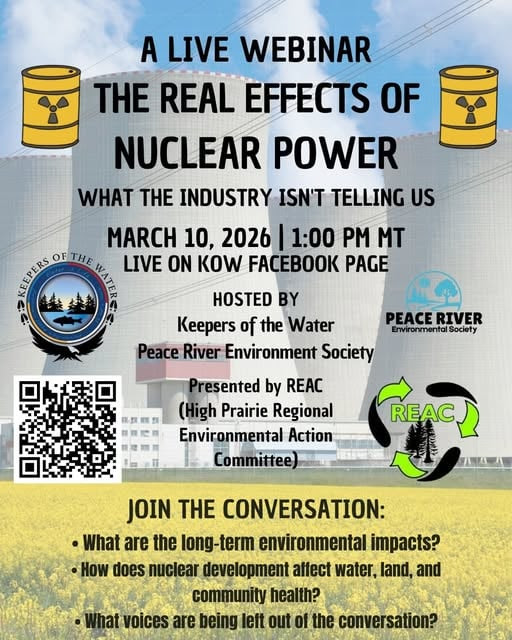
10 March A LIVE WEBINAR THE REAL EFFECTS OF NUCLEAR POWER
What the Industry Isn’t Telling Us
1:00 PM Mountain, 2 pm Central, 3 pm Eastern. Live on the Keepers of the Water Facebook page

18 March Webinar @ 1 PM EST: An Assessment of SMR Projects: The Case of Canada
register for the zoom:
https://us02web.zoom.us/webinar/register/WN_o8BIIOUvQ2ONJR1nta65DQ#/registration


of the week – STOP SMALL MODULAR REACTORS IN CANADA
To see nuclear-related stories in greater depth and intensity – go to https://nuclearinformation.wordpress.com
-
Archives
- March 2026 (76)
- February 2026 (268)
- January 2026 (308)
- December 2025 (358)
- November 2025 (359)
- October 2025 (376)
- September 2025 (258)
- August 2025 (319)
- July 2025 (230)
- June 2025 (348)
- May 2025 (261)
- April 2025 (305)
-
Categories
- 1
- 1 NUCLEAR ISSUES
- business and costs
- climate change
- culture and arts
- ENERGY
- environment
- health
- history
- indigenous issues
- Legal
- marketing of nuclear
- media
- opposition to nuclear
- PERSONAL STORIES
- politics
- politics international
- Religion and ethics
- safety
- secrets,lies and civil liberties
- spinbuster
- technology
- Uranium
- wastes
- weapons and war
- Women
- 2 WORLD
- ACTION
- AFRICA
- Atrocities
- AUSTRALIA
- Christina's notes
- Christina's themes
- culture and arts
- Events
- Fuk 2022
- Fuk 2023
- Fukushima 2017
- Fukushima 2018
- fukushima 2019
- Fukushima 2020
- Fukushima 2021
- general
- global warming
- Humour (God we need it)
- Nuclear
- RARE EARTHS
- Reference
- resources – print
- Resources -audiovicual
- Weekly Newsletter
- World
- World Nuclear
- YouTube
-
RSS
Entries RSS
Comments RSS
 nuclear-news
Leave a comment