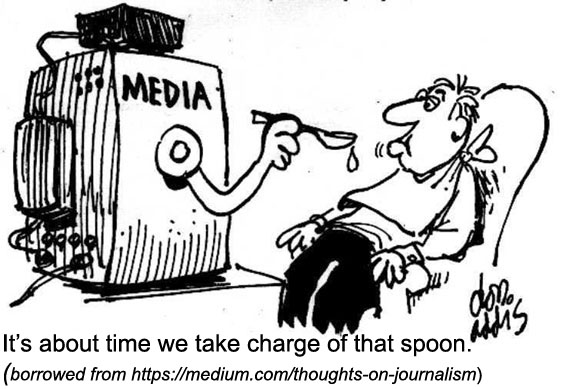
The U.S. media’s resposibility to question Trump and Biden on nuclear arms control and nonproliferation
|
Whether President Trump or one of his challengers is sworn in as president on January 20, 2021, he or she will have the complete and unchecked authority to order the use of the approximately 4,000 nuclear weapons in the active US stockpile. When running for the highest office in the land, each presidential candidate is asking the American public to trust him or her implicitly with this singular responsibility. Given that reality, it is actually quite strange that plans and policies for the management of the most destructive force ever created are rarely discussed on the campaign trail. ………..with the exception of the Nov. 20, 2020 Democratic debate, television network hosts have largely avoided foreign policy questions in multi-candidate forums. Political reporters inside the Beltway and in the field rarely ask candidates about nuclear policy issues, despite the multiple nuclear crises unfolding around us in real time. There does not seem to be any acknowledgement that nuclear issues are inextricably linked to so many of the other issues being discussed. Relations with Russia, currently at a post-Cold War low, could slide from terrible to disastrous in the absence of verifiable, bilateral controls over the US and Russian nuclear arsenals. It is hard to envision a successful economic pivot to Asia that doesn’t involve a long-term solution to the North Korean nuclear crisis and a better strategic stability relationship between the United States and China. Getting the military budget under control is impossible without taking a hard look at the nearly $1.7 trillion (at least) that the United States is planning to spend on modernizing US nuclear forces. There is no “peace in the Middle East” without constraints on weapons of mass destruction in the region. Long-term solutions to climate change are all for naught if we ignore the other existential threat to humanity: nuclear war. The list could go on, but the point is that we ignore nuclear issues at our own peril. The next president will have to deal with many pressing questions on day one (or day 1,461), but few are as consequential as this one: Do we want to live in a world in which the number of nuclear weapons is going up or going down?……….. Despite the stated commitment to arms control and non-proliferation policies in the 2018 Nuclear Posture Reviewi, the Trump administration has mostly dismantled and dismissed standing nuclear agreements…….. No matter who sits behind the Resolute Desk on Jan. 20, 2021, he or she will have to scramble to triage the challenges left to them on the arms control and nonproliferation front. The most pressing challenge will be the possible end of the New Strategic Arms Reduction Treaty (New START), which is set to expire on Feb. 5, 2021. ………. While most Democratic candidates have affirmedv that they would extend the treaty as long as Russia remains in compliance, they should be asked to outline their plans for extension and how they would handle the broader strategic stability dialogue with Russia. ……… Plans to deal with the North Korean nuclear program are inextricably linked to other strategic security issues in the region. ………. The other major nonproliferation challenge for the candidates in 2020 will be the future of the Iranian nuclear program. The Trump administration’s decision to withdraw from the Joint Comprehensive Plan of Action (JCPOA) with Iran will affect the foreign policy landscape in 2021 and beyond. ………. With any of these matters, candidates should not be allowed to speak in bromides about the value of diplomacy. As uninspiring and tedious as the press may find it to focus on technical details, they should not buy into the idea that a quick-fix grand bargain is possible with Russia, Iran, or North Korea. Presidential candidates are asking for the privilege and responsibility of running American foreign policy, so it is completely reasonable to expect them to describe the mechanics of their proposals, even as they acknowledge that those proposals may need to change over time ………. The future president will also need to manage the growing unease between nuclear weapons states and non-nuclear weapons states. In particular, the United States will need to assess how it has related and will relate to signatories of the Treaty on the Prohibition of Nuclear Weapons, often known as the ban treaty, since the treaty will likely enter into force in the coming years. ……… Even with enhanced interest in and knowledge of nuclear policy, it is unlikely that reporters covering the 2020 presidential election will spend a significant amount of time on arms control and nonproliferation agreements. There are simply too many challenges facing the American public to expect hyper focus on any one policy area. That said, it would be extremely unfortunate to see the press ignore the subject of how we reduce nuclear risks—while gladly covering the president’s latest nickname for a rival or his challenger’s most memorable Trump put-down. For the past half-century, American presidents and administrations of both political parties have painstakingly built an intricate collection of arms control and nonproliferation agreements. They have brought the overall number of nuclear weapons in the world from almost 70,000 to around 14,000. They have prevented the mass spread of nuclear weapons, containing nuclear weapons programs to just nine countries. They have kept fear, mistrust, and the impulsive tendencies of fallible humans in check. As we approach the 75th year of the nuclear age, these hard-won agreements are disappearing. Americans will enter the voting booth on November 3, 2020 to select a leader who will either reverse that unfortunate trend or doom us to repeat the folly of the Cold War arms race. Let’s hope those voters they have all the information they need to make the right choice. https://thebulletin.org/premium/2020-01/what-the-presidential-candidates-should-be-asked-about-arms-control-and-nonproliferation/?utm_source=Announcement&utm_medium=Email&utm_campaign=Announcement09232020&utm_content=NuclearRisk_AskCandidates_01132020 |
|

No comments yet.
1 This Month
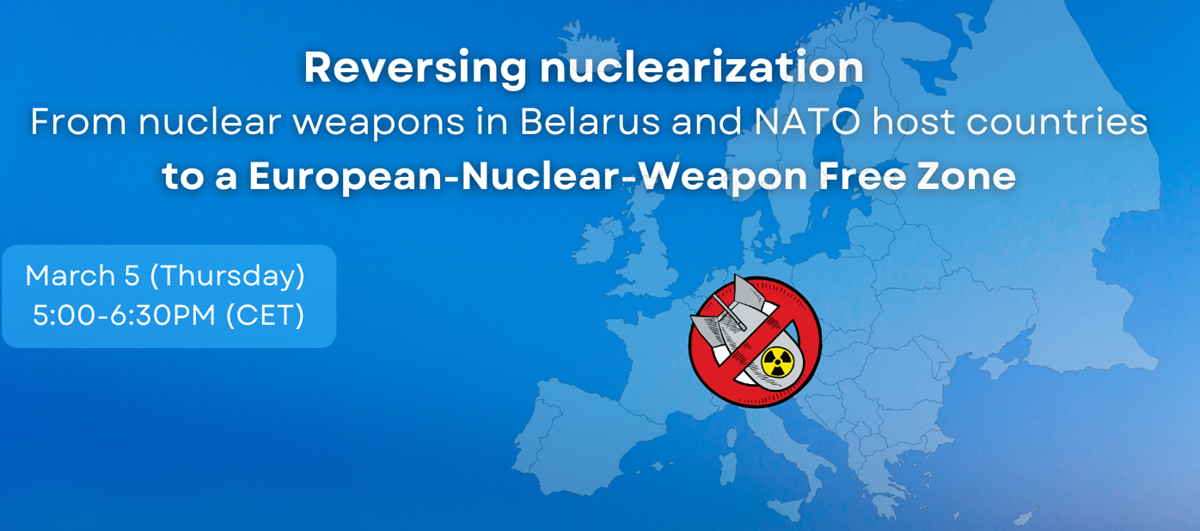
5 March -Online – Reversing nuclearization:
From nuclear weapons in Belarus and NATO host countries to a European-Nuclear-Weapon Free Zone
11am-12:30pm Eastern Time USA / 5pm-6:30pm CET

of the week – Advocating for a
nuclear free beach – https://www.samuellawrencefoundation.org/
The Samuel Lawrence Foundation advocates for a Nuclear Waste Free Beach at San Onofre, join us and take action!
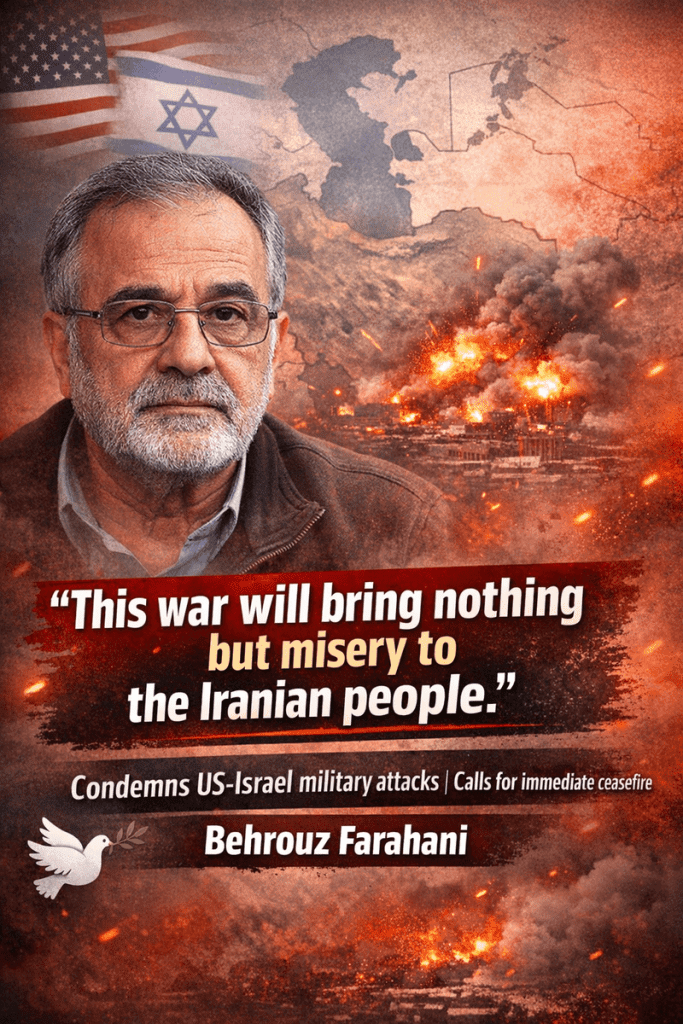
10 March A LIVE WEBINAR THE REAL EFFECTS OF NUCLEAR POWER
What the Industry Isn’t Telling Us
1:00 PM Mountain, 2 pm Central, 3 pm Eastern. Live on the Keepers of the Water Facebook page

18 March Webinar @ 1 PM EST: An Assessment of SMR Projects: The Case of Canada
register for the zoom:
https://us02web.zoom.us/webinar/register/WN_o8BIIOUvQ2ONJR1nta65DQ#/registration

of the week – STOP SMALL MODULAR REACTORS IN CANADA
To see nuclear-related stories in greater depth and intensity – go to https://nuclearinformation.wordpress.com
-
Archives
- March 2026 (51)
- February 2026 (268)
- January 2026 (308)
- December 2025 (358)
- November 2025 (359)
- October 2025 (376)
- September 2025 (258)
- August 2025 (319)
- July 2025 (230)
- June 2025 (348)
- May 2025 (261)
- April 2025 (305)
-
Categories
- 1
- 1 NUCLEAR ISSUES
- business and costs
- climate change
- culture and arts
- ENERGY
- environment
- health
- history
- indigenous issues
- Legal
- marketing of nuclear
- media
- opposition to nuclear
- PERSONAL STORIES
- politics
- politics international
- Religion and ethics
- safety
- secrets,lies and civil liberties
- spinbuster
- technology
- Uranium
- wastes
- weapons and war
- Women
- 2 WORLD
- ACTION
- AFRICA
- Atrocities
- AUSTRALIA
- Christina's notes
- Christina's themes
- culture and arts
- Events
- Fuk 2022
- Fuk 2023
- Fukushima 2017
- Fukushima 2018
- fukushima 2019
- Fukushima 2020
- Fukushima 2021
- general
- global warming
- Humour (God we need it)
- Nuclear
- RARE EARTHS
- Reference
- resources – print
- Resources -audiovicual
- Weekly Newsletter
- World
- World Nuclear
- YouTube
-
RSS
Entries RSS
Comments RSS
 nuclear-news
Leave a comment