The world is sleepwalking toward a period free of nuclear arms control
 Nuclear arms control: What happens when US and Russia let it lapse? WHY WE WROTE THIS
In less than a year, the world could enter a period free of nuclear arms control treaties for the first time in more than a half-century. Is such a state of affairs sustainable? Christian Science Monitor By Fred Weir Correspondent, 2 June 20, MOSCOW
The world is sleepwalking toward a period free of nuclear arms control, as New START, the last remaining nuclear weapons treaty, is set to expire next February.
Arms control waning
Several U.S. presidents added their own contributions to the network of accords. As recently as a decade ago Barack Obama inked New START, the deal that made the deepest-ever reductions to strategic nuclear arsenals, with his Russian counterpart Dmitry Medvedev.
Things have been shaky ever since, though arms control experts on both sides have insisted until recently that the system might be revived if leaders wanted it. But the Trump administration, which seems averse to any limitations on U.S. power, has buried the whole idea by tearing up quite a few international treaties. Specifically, it recently pulled out of the 1987 Intermediate Nuclear Forces treaty, which had banned an entire class of nuclear missiles and was dubbed “the treaty that ended the Cold War.”
No choice but to come back to the table
Andrei Kortunov, head of the Russian International Affairs Council, which is affiliated with the Foreign Ministry, says new forms of arms control will undoubtedly be needed in the future. The most dangerous thing about the present moment is that the old tried-and-true framework is being destroyed before any new controls have been even envisioned. The dangers of miscalculation or misunderstanding will multiply amid that vacuum, he says.
If that common culture, all the mechanisms of dialogue, trust-building, and verification are lost, Russia will probably not try to match the U.S. missile for missile as the USSR did in the past, he adds.
“In the absence of any arms control, it will become almost impossible for the U.S. to know what we really have or what we may be able to do. Russia is likely to follow a policy of ‘strategic ambiguity,’ to keep them guessing as a means of deterrence. That would be a very dangerous state of affairs, one that nobody would wish for,” Mr. Kortunov says……..https://www.csmonitor.com/World/Europe/2020/0601/Nuclear-arms-control-What-happens-when-US-and-Russia-let-it-lapse
No comments yet.
1 This Month
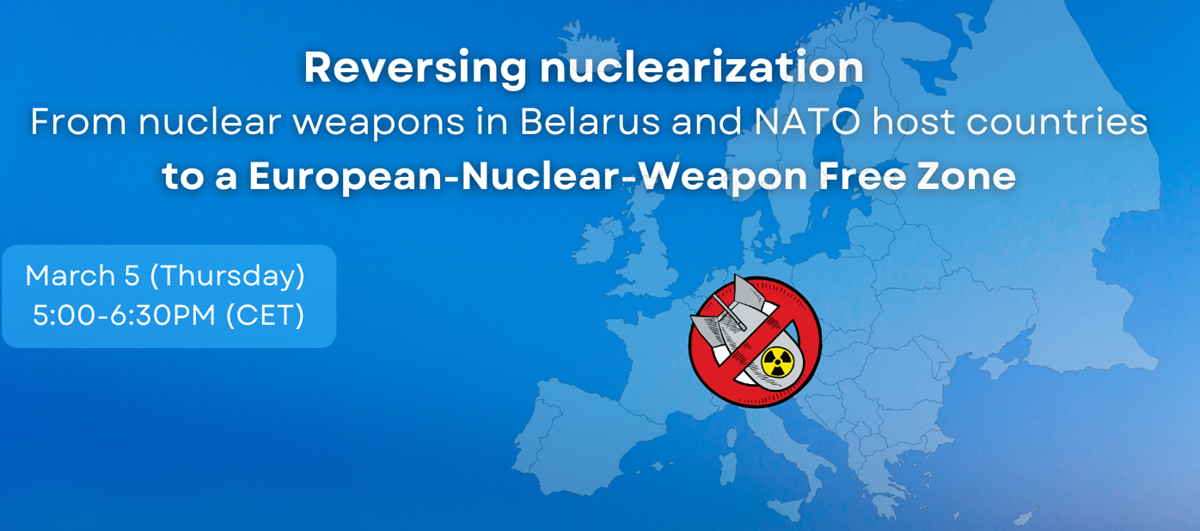
5 March -Online – Reversing nuclearization:
From nuclear weapons in Belarus and NATO host countries to a European-Nuclear-Weapon Free Zone
11am-12:30pm Eastern Time USA / 5pm-6:30pm CET

of the week – Advocating for a
nuclear free beach – https://www.samuellawrencefoundation.org/
The Samuel Lawrence Foundation advocates for a Nuclear Waste Free Beach at San Onofre, join us and take action!
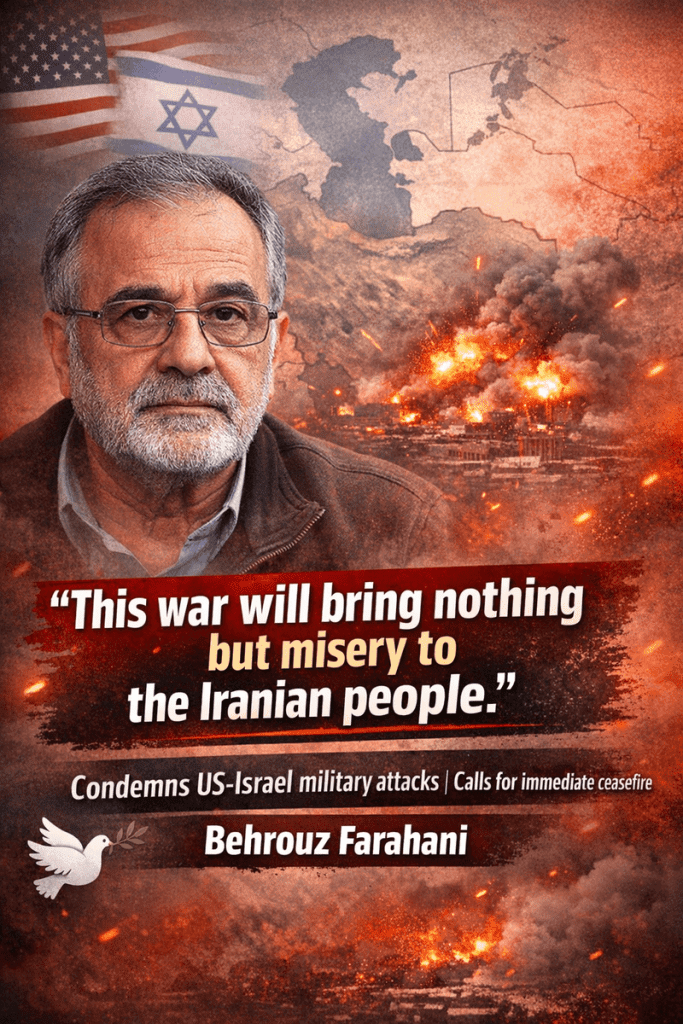
10 March A LIVE WEBINAR THE REAL EFFECTS OF NUCLEAR POWER
What the Industry Isn’t Telling Us
1:00 PM Mountain, 2 pm Central, 3 pm Eastern. Live on the Keepers of the Water Facebook page

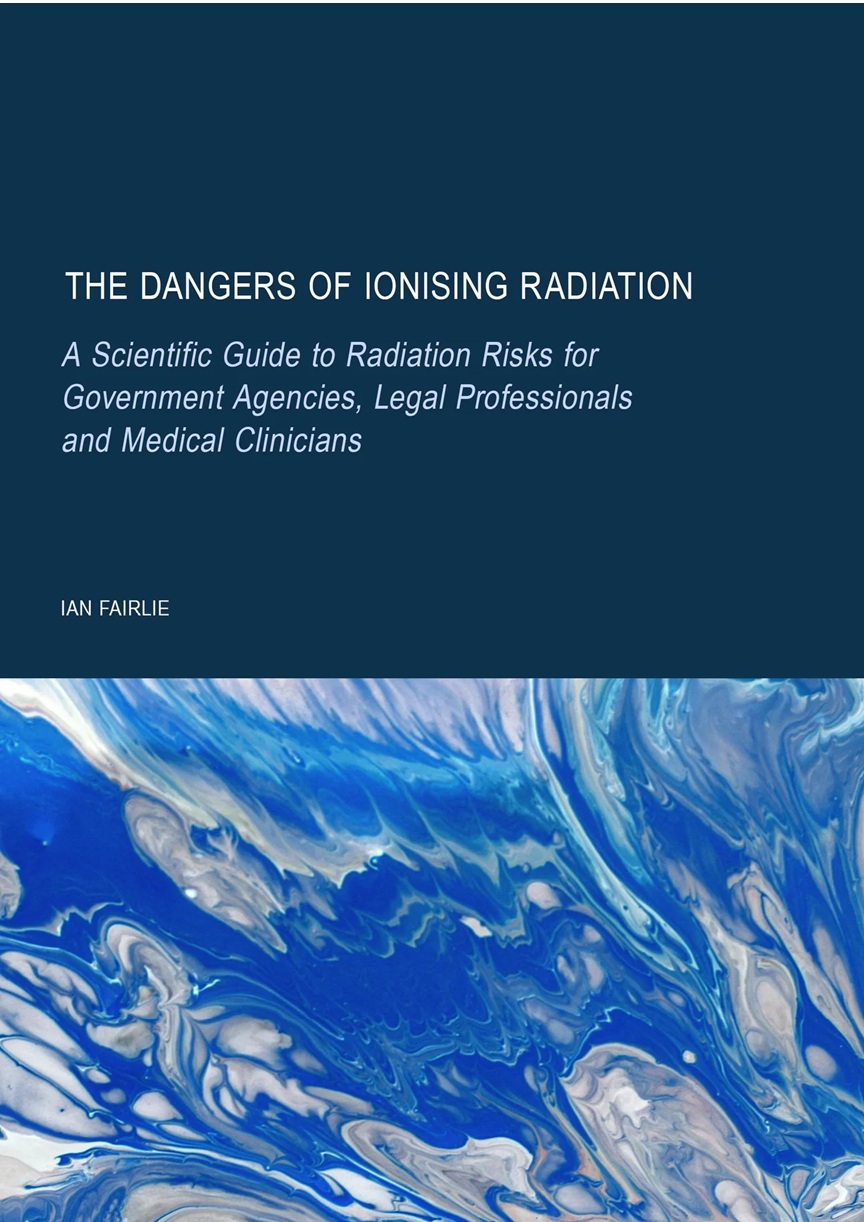
18 March Webinar @ 1 PM EST: An Assessment of SMR Projects: The Case of Canada
register for the zoom:
https://us02web.zoom.us/webinar/register/WN_o8BIIOUvQ2ONJR1nta65DQ#/registration

of the week – STOP SMALL MODULAR REACTORS IN CANADA
To see nuclear-related stories in greater depth and intensity – go to https://nuclearinformation.wordpress.com
-
Archives
- March 2026 (37)
- February 2026 (268)
- January 2026 (308)
- December 2025 (358)
- November 2025 (359)
- October 2025 (376)
- September 2025 (258)
- August 2025 (319)
- July 2025 (230)
- June 2025 (348)
- May 2025 (261)
- April 2025 (305)
-
Categories
- 1
- 1 NUCLEAR ISSUES
- business and costs
- climate change
- culture and arts
- ENERGY
- environment
- health
- history
- indigenous issues
- Legal
- marketing of nuclear
- media
- opposition to nuclear
- PERSONAL STORIES
- politics
- politics international
- Religion and ethics
- safety
- secrets,lies and civil liberties
- spinbuster
- technology
- Uranium
- wastes
- weapons and war
- Women
- 2 WORLD
- ACTION
- AFRICA
- Atrocities
- AUSTRALIA
- Christina's notes
- Christina's themes
- culture and arts
- Events
- Fuk 2022
- Fuk 2023
- Fukushima 2017
- Fukushima 2018
- fukushima 2019
- Fukushima 2020
- Fukushima 2021
- general
- global warming
- Humour (God we need it)
- Nuclear
- RARE EARTHS
- Reference
- resources – print
- Resources -audiovicual
- Weekly Newsletter
- World
- World Nuclear
- YouTube
-
RSS
Entries RSS
Comments RSS
 nuclear-news
Leave a comment