USA Defense Dept knew that radiation causes birth defects. Now nuclear test veterans worry
 Atomic veteran wonders at radiation’s effects, PostStar, Will Doolittle will@poststar.comMay 2, 2019, GLENS FALLS — Bill Jones went to paradise for 13 months in the mid-1950s, and it wasn’t until many years later, when he and others were finally released from their vows of secrecy, that he found out what a hell it really had been……. Atomic veteran wonders at radiation’s effects, PostStar, Will Doolittle will@poststar.comMay 2, 2019, GLENS FALLS — Bill Jones went to paradise for 13 months in the mid-1950s, and it wasn’t until many years later, when he and others were finally released from their vows of secrecy, that he found out what a hell it really had been…….
But he doesn’t know for sure, and the government isn’t telling, which is what really bothers him. He has scars on his scalp from having growths removed, but at 84 considers himself fortunate. Benefits are available for atomic veterans, and Jones called the Department of Justice about qualifying for them.
He was told, “As soon as I get a terminal illness, call back.” “There’s not an awful lot of these atomic veterans left. There’s a lot that don’t know about the program, so they waste away, shall we say,” he said. Fred Schafer, an officer with the National Association of Atomic and Nuclear Veterans, says the soldiers were guinea pigs. “They wanted to see what happened,” he said, referring to the U.S. military establishment, which was monitoring the soldiers’ reactions to nuclear radiation. “They wanted to see how fast they could get in after using these bombs.”
Jones wasn’t allowed to tell Charlotte what he was doing on Enewetak. He couldn’t take photos, he could make only one phone call every two or three months, and his letters were reviewed. Anything he sent home, like a sea shell scooped up from the sand, had to be checked with a Geiger counter first. |
|
|
No comments yet.
1 This Month
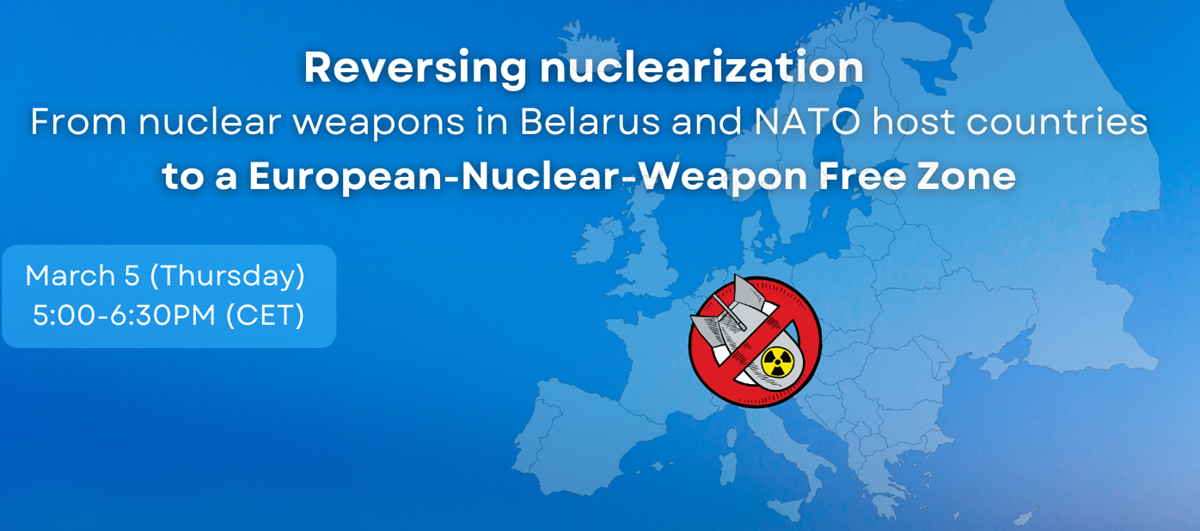
5 March -Online – Reversing nuclearization:
From nuclear weapons in Belarus and NATO host countries to a European-Nuclear-Weapon Free Zone
11am-12:30pm Eastern Time USA / 5pm-6:30pm CET

of the week – Advocating for a
nuclear free beach – https://www.samuellawrencefoundation.org/
The Samuel Lawrence Foundation advocates for a Nuclear Waste Free Beach at San Onofre, join us and take action!

10 March A LIVE WEBINAR THE REAL EFFECTS OF NUCLEAR POWER
What the Industry Isn’t Telling Us
1:00 PM Mountain, 2 pm Central, 3 pm Eastern. Live on the Keepers of the Water Facebook page

18 March Webinar @ 1 PM EST: An Assessment of SMR Projects: The Case of Canada
register for the zoom:
https://us02web.zoom.us/webinar/register/WN_o8BIIOUvQ2ONJR1nta65DQ#/registration

of the week – STOP SMALL MODULAR REACTORS IN CANADA
To see nuclear-related stories in greater depth and intensity – go to https://nuclearinformation.wordpress.com
-
Archives
- March 2026 (51)
- February 2026 (268)
- January 2026 (308)
- December 2025 (358)
- November 2025 (359)
- October 2025 (376)
- September 2025 (258)
- August 2025 (319)
- July 2025 (230)
- June 2025 (348)
- May 2025 (261)
- April 2025 (305)
-
Categories
- 1
- 1 NUCLEAR ISSUES
- business and costs
- climate change
- culture and arts
- ENERGY
- environment
- health
- history
- indigenous issues
- Legal
- marketing of nuclear
- media
- opposition to nuclear
- PERSONAL STORIES
- politics
- politics international
- Religion and ethics
- safety
- secrets,lies and civil liberties
- spinbuster
- technology
- Uranium
- wastes
- weapons and war
- Women
- 2 WORLD
- ACTION
- AFRICA
- Atrocities
- AUSTRALIA
- Christina's notes
- Christina's themes
- culture and arts
- Events
- Fuk 2022
- Fuk 2023
- Fukushima 2017
- Fukushima 2018
- fukushima 2019
- Fukushima 2020
- Fukushima 2021
- general
- global warming
- Humour (God we need it)
- Nuclear
- RARE EARTHS
- Reference
- resources – print
- Resources -audiovicual
- Weekly Newsletter
- World
- World Nuclear
- YouTube
-
RSS
Entries RSS
Comments RSS
 nuclear-news
Leave a comment