nuclear-news

The News That Matters about the Nuclear Industry Fukushima Chernobyl Mayak Three Mile Island Atomic Testing Radiation Isotope

  • Home
  • 1 This Month.
  • ACTION !
  • Disclaimer
  • Links
  • PAGES on NUCLEAR ISSUES

UK is stuck with 20 dead nuclear submarines – what to do with them?
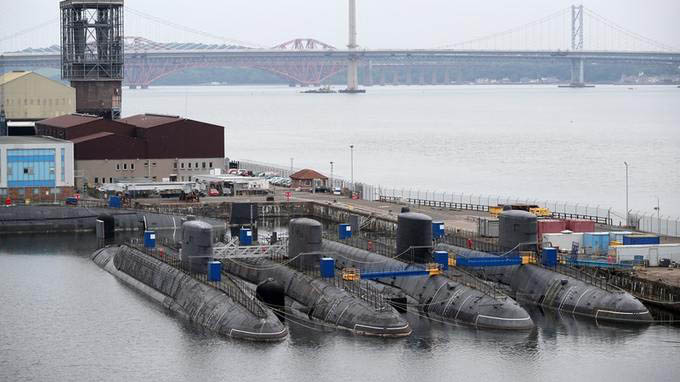
How do you scrap a nuclear submarine?   https://www.chemistryworld.com/news/how-do-you-scrap-a-nuclear-submarine/3010405.article, BY MATTHEW GUNTHERThe UK is facing a £7.5 billion bill to dismantle its 20 defunct vessels

The UK defence department has not scrapped any of its 20 defunct nuclear submarines in more than three decades, according to a recent public spending report. Storing the vessels has already cost the government around £500 million. But why has the UK left these submarines in dockyards for so long – and how difficult is it to dismantle them? 22 APRIL 2019

What is a nuclear submarine?

A ‘nuclear’ submarine can refer to a submarine that carries nuclear warheads, one that is powered using nuclear energy, or both. In the UK, the Vanguard, Astute and Trafalgar class submarines are all powered using a nuclear reactor, but only the four Vanguard class submarines carry nuclear warheads – Astute and Trafalgar submarines are ‘hunter-killers’ designed to sink other ships.

The UK’s current fleet relies on a reactor typically seen in power stations across the world – the pressurised water reactor (PWR). These compact power plants produce vast amounts of heat through the splitting of uranium-235 (235U). This fissile isotope exists in very small quantities (less than 1%) in natural uranium, which mainly consists of uranium-238 (238U).

To use it as fuel, the 235U is increased relative to the 238U in a process known as enrichment. In the PWR, waste fission products are made, such as caesium, xenon and krypton, as neutrons split the 235U fuel, with 238U also absorbing neutrons to form plutonium. These fission products can damage the ceramic fuel and reduce the reactor’s efficiency. The vessel that contains this whole process is also bombarded with high levels of radiation over its operational life.

What happens to a nuclear submarine once it is removed from service?

Once a nuclear-powered submarine is decommissioned, it is placed into long-term storage. Only after monitoring the vessel will engineers begin to defuel and dismantle it. However, over the past four decades, this second part hasn’t happened in the UK.
Since 1980, the UK Ministry of Defence has taken 20 nuclear-powered submarines out of service. Of these 20 subs, the UK has not fully disposed any of them and nine still contain highly radioactive nuclear fuel. The vessels have languished at dockyards in Plymouth and Rosyth.

This is not a sustainable solution, but it is in stark contrast with other countries’ past policies. During the Cold War, the Soviet Union dumped 19 ships containing nuclear waste in the Kara Sea, as well as 14 reactors and the K-27 nuclear submarine. With such vessels continuing to rust on the seabed, there are concerns these sites could harbour a potential environmental crisis.

However, the subs stored in the UK are constantly monitored in a controlled environment. Although a far cry from the Arctic submarine graveyards, the UK fleet still lies exposed to salty water, with the vessels rusting in the dockyards.

Why are the submarines still in storage?

It is an incredibly complex situation, but the government stopped defueling its disbanded fleet back in 2004. The UK’s nuclear regulator deemed that the facilities were not up to standards, and the UK has been working to improve them ever since. Mired in delays and inflating budgets, the defueling may not restart until 2023 – the original start date was 2012. Even when the subs are ready for their next voyage through the disposal process, it is a journey fraught with complexity.

What is the plan for the nuclear waste?

Once defueling starts, the sub will be moved to a ‘reactor access house’ on rails. In this facility, engineers will remove the spent nuclear fuel from the sub, which contains various actinides and radionuclides. The fuel is highly radioactive and generates heat, so needs to be cooled in water before any further work can begin.

To cool the fuel rods, the waste is sent to a specialised plant at Sellafield, where it is stored in vast water ponds. The water acts as both an efficient coolant and radiation barrier. Historically, this spent fuel would have then been recycled to form new nuclear fuel.

During reprocessing, the fissile uranium and plutonium is separated through solvent extraction, before converting the remaining liquid waste into a glass for long-term storage. However, it is now unclear whether this will still happen. It is more likely that the spent nuclear fuel will be stored indefinitely after cooling.

The current UK strategy is to bury this waste in a highly-engineered geological disposal facility, which would see more than 650,000m3 of waste stored in an underground cavern, according to recent government estimates. But plans are still ongoing and a facility is yet to be built.

What happens to the submarine after defueling?

After defueling, the sub will return to the ‘wet’ dock for another period of storage and monitoring. Following this, the submarine is dismantled. Components such as pipes and pumps exposed to radiation are taken away and the reactor vessel removed.

However, engineers do not simply remove the reactor. In many countries, the reactor is lifted out with the two empty compartments either side of it and then sealed off to minimise the risk of exposure. After removing this ‘three-compartment unit’, the submarine is cast off for its final voyage to a commercial shipyard for recycling.

But it will be a costly endeavour. The UK may face costs of up to £7.5bn if it wants to take the entire fleet through this voyage of defueling and disposal. It remains unclear whether the plans will stay on course, but the defence department has committed to dismantling the fleet ‘as soon as reasonably practicable’. 

Share this:

  • Click to share on X (Opens in new window) X
  • Click to share on Facebook (Opens in new window) Facebook
Like Loading...

April 23, 2019 - Posted by Christina Macpherson | UK, wastes, weapons and war

No comments yet.

Leave a comment Cancel reply

This site uses Akismet to reduce spam. Learn how your comment data is processed.

« Previous | Next »

1 This Month.

5 January -Webinar-What is Trump’s Golden Dome?

New book – https://www.amazon.com/dp/1923372157?utm_source=substack&utm_medium=email

Now until to February 10, 2026 Radioactive waste storage in France: the debate is finally open! How to participate?

  • Categories

    • 1
      • Arclight's Vision
    • 1 NUCLEAR ISSUES
      • business and costs
        • employment
        • marketing
      • climate change
      • culture and arts
      • ENERGY
        • renewable
          • decentralised
          • energy storage
      • environment
        • oceans
        • water
      • health
        • children
        • psychology – mental health
        • radiation
        • social effects
        • women
      • history
      • indigenous issues
      • Legal
        • deaths by radiation
        • legal
      • marketing of nuclear
      • media
        • investigative journalism
        • Wikileaks
      • opposition to nuclear
      • PERSONAL STORIES
      • politics
        • psychology and culture
          • Trump – personality
        • public opinion
        • USA election 2024
        • USA elections 2016
      • politics international
      • Religion and ethics
      • safety
        • incidents
      • secrets,lies and civil liberties
        • civil liberties
      • spinbuster
        • Education
      • technology
        • reprocessing
        • Small Modular Nuclear Reactors
        • space travel
      • Uranium
      • wastes
        • – plutonium
        • decommission reactor
      • weapons and war
        • Atrocities
        • depleted uranium
      • Women
    • 2 WORLD
      • ANTARCTICA
      • ARCTIC
      • ASIA
        • Burma
        • China
        • India
        • Indonesia
        • Japan
          • – Fukushima 2011
          • Fukushima 2012
          • Fukushima 2013
          • Fukushima 2014
          • Fukushima 2015
          • Fukushima 2016
          • Fukushima continuing
        • Malaysia
        • Mongolia
        • North Korea
        • Pakistan
        • South Korea
        • Taiwan
        • Turkey
        • Vietnam
      • EUROPE
        • Belarus
        • Bulgaria
        • Denmark
        • Finland
        • France
        • Germany
        • Greece
        • Ireland
        • Italy
        • Kazakhstan
        • Kyrgyzstan
        • Russia
        • Spain
        • Sweden
        • Switzerland
        • UK
        • Ukraine
      • MIDDLE EAST
        • Afghanistan
        • Egypt
        • Gaza
        • Iran
        • Iraq
        • Israel
        • Jordan
        • Libya
        • Saudi Arabia
        • Syria
        • Turkey
        • United Arab Emirates
      • NORTH AMERICA
        • Canada
        • USA
          • election USA 2020
      • OCEANIA
        • New Zealand
        • Philippines
      • SOUTH AMERICA
        • Brazil
    • ACTION
    • AFRICA
      • Kenya
      • Malawi
      • Mali
      • Namibia
      • Niger
      • Nigeria
      • Somalia
      • South Africa
    • Atrocities
    • AUSTRALIA
    • Christina's notes
    • Christina's themes
    • culture and arts
    • Events
    • Fuk 2022
    • Fuk 2023
    • Fukushima 2017
    • Fukushima 2018
    • fukushima 2019
    • Fukushima 2020
    • Fukushima 2021
    • general
    • global warming
    • Humour (God we need it)
    • Nuclear
    • RARE EARTHS
      • thorium
    • Reference
      • Reference archives
    • resources – print
    • Resources -audiovicual
    • Weekly Newsletter
    • World
    • World Nuclear
    • YouTube
  • Pages

    • 1 This Month.
    • ACTION !
    • Disclaimer
    • Links
    • PAGES on NUCLEAR ISSUES
      • audio-visual news
      • Anti Nuclear, Clean Energy Movement
        • Anti Nuclear movement – a success story
          • – 2013 – the struggle for a nuclear-free, liveable world
          • – 2013: the battle to expose nuclear lies about ionising radiation
            • Speakers at Fukushima Symposium March 2013
            • Symposium 2013 Ian Fairlie
      • Civil Liberties
        • – Civil liberties – China and USA
      • Climate change
      • Climate Change
      • Economics
        • – Employment
        • – Marketing nuclear power
        • – Marketing Nuclear Power Internationally
        • nuclear ‘renaissance’?
        • Nuclear energy – the sick man of the corporate world
      • Energy
        • – Solar energy
      • Environment
        • – Nuclear Power and the Tragedy of the Commons
        • – Water
      • Health
        • Birth Defects in the Chernobyl Radiation Affected Region.
      • History
        • Nuclear History – the forgotten disasters
      • Indigenous issues
      • Ionising radiation
        • – Ionising radiation – medical
        • Fukushima FACT SHEET
      • Media
        • Nuclear Power and Media 2012
      • Nuclear Power and the Consumer Society – theme for December 2012
      • Peace and nuclear disarmament
        • Peace on a Nuclear Free Earth
      • Politics
        • – Politics USA
      • Public opinion
      • Religion and ethics
        • -Ethics of nuclear power
      • Resources – print
      • Safety
      • Secrets and lies
        • – NUCLEAR LIES – theme for January 2012
        • – Nuclear Secrets and Lies
      • Spinbuster
        • 2013 nuclear spin – all about FEAR -theme for June
        • Spinbuster 1
      • Technology
        • TECHNOLOGY Challenges
      • Wastes
        • NUCLEAR WASTES – theme for October 2012
        • – Plutonium
      • Weapons and war
      • Women
  • Archives

    • December 2025 (223)
    • November 2025 (359)
    • October 2025 (377)
    • September 2025 (258)
    • August 2025 (319)
    • July 2025 (230)
    • June 2025 (348)
    • May 2025 (261)
    • April 2025 (305)
    • March 2025 (319)
    • February 2025 (234)
    • January 2025 (250)
  • Categories

    • 1
      • Arclight's Vision
    • 1 NUCLEAR ISSUES
      • business and costs
        • employment
        • marketing
      • climate change
      • culture and arts
      • ENERGY
        • renewable
          • decentralised
          • energy storage
      • environment
        • oceans
        • water
      • health
        • children
        • psychology – mental health
        • radiation
        • social effects
        • women
      • history
      • indigenous issues
      • Legal
        • deaths by radiation
        • legal
      • marketing of nuclear
      • media
        • investigative journalism
        • Wikileaks
      • opposition to nuclear
      • PERSONAL STORIES
      • politics
        • psychology and culture
          • Trump – personality
        • public opinion
        • USA election 2024
        • USA elections 2016
      • politics international
      • Religion and ethics
      • safety
        • incidents
      • secrets,lies and civil liberties
        • civil liberties
      • spinbuster
        • Education
      • technology
        • reprocessing
        • Small Modular Nuclear Reactors
        • space travel
      • Uranium
      • wastes
        • – plutonium
        • decommission reactor
      • weapons and war
        • Atrocities
        • depleted uranium
      • Women
    • 2 WORLD
      • ANTARCTICA
      • ARCTIC
      • ASIA
        • Burma
        • China
        • India
        • Indonesia
        • Japan
          • – Fukushima 2011
          • Fukushima 2012
          • Fukushima 2013
          • Fukushima 2014
          • Fukushima 2015
          • Fukushima 2016
          • Fukushima continuing
        • Malaysia
        • Mongolia
        • North Korea
        • Pakistan
        • South Korea
        • Taiwan
        • Turkey
        • Vietnam
      • EUROPE
        • Belarus
        • Bulgaria
        • Denmark
        • Finland
        • France
        • Germany
        • Greece
        • Ireland
        • Italy
        • Kazakhstan
        • Kyrgyzstan
        • Russia
        • Spain
        • Sweden
        • Switzerland
        • UK
        • Ukraine
      • MIDDLE EAST
        • Afghanistan
        • Egypt
        • Gaza
        • Iran
        • Iraq
        • Israel
        • Jordan
        • Libya
        • Saudi Arabia
        • Syria
        • Turkey
        • United Arab Emirates
      • NORTH AMERICA
        • Canada
        • USA
          • election USA 2020
      • OCEANIA
        • New Zealand
        • Philippines
      • SOUTH AMERICA
        • Brazil
    • ACTION
    • AFRICA
      • Kenya
      • Malawi
      • Mali
      • Namibia
      • Niger
      • Nigeria
      • Somalia
      • South Africa
    • Atrocities
    • AUSTRALIA
    • Christina's notes
    • Christina's themes
    • culture and arts
    • Events
    • Fuk 2022
    • Fuk 2023
    • Fukushima 2017
    • Fukushima 2018
    • fukushima 2019
    • Fukushima 2020
    • Fukushima 2021
    • general
    • global warming
    • Humour (God we need it)
    • Nuclear
    • RARE EARTHS
      • thorium
    • Reference
      • Reference archives
    • resources – print
    • Resources -audiovicual
    • Weekly Newsletter
    • World
    • World Nuclear
    • YouTube
  • RSS

    Entries RSS
    Comments RSS

Site info

nuclear-news
Create a free website or blog at WordPress.com.
Privacy & Cookies: This site uses cookies. By continuing to use this website, you agree to their use.
To find out more, including how to control cookies, see here: Cookie Policy
  • Comment
  • Reblog
  • Subscribe Subscribed
    • nuclear-news
    • Join 2,081 other subscribers
    • Already have a WordPress.com account? Log in now.
    • nuclear-news
    • Subscribe Subscribed
    • Sign up
    • Log in
    • Copy shortlink
    • Report this content
    • View post in Reader
    • Manage subscriptions
    • Collapse this bar
 

Loading Comments...
 

    %d



