Japan-led Turkish nuclear plant project mired in cost overruns.
Nikkei Asian Review 18th March 2018 Another
setback looms for Tokyo’s infrastructure export drive. A Japan-led nuclear
power plant project in Turkey looks to cost more than twice as much as
initially projected, highlighting challenges for Tokyo’s push to export
Japanese infrastructure.
The Japanese and Turkish governments agreed on the
public-private project in 2013. The estimated total cost, pegged at around
2 trillion yen ($18.8 billion at current rates) at the time, has since
ballooned to more than 5 trillion yen, according to sources close to the
matter, due largely to the need to meet tougher safety standards
implemented after the March 2011 meltdowns at Tokyo Electric Power Co.
Holdings’ Fukushima Daiichi plant.
The plan is to build four reactors with
a total output of 4,500 megawatts in the Black Sea coastal city of Sinop,
using Atmea1 reactors Japan’s Mitsubishi Heavy Industries is developing
with France’s Areva.
Though the goal is to put the first reactor into
service in 2023, in time for Turkey’s centennial, the cost problem could
cause that date to slip.
Japan views nuclear power as an integral part of
efforts to export infrastructure around the world. As Mitsubishi Heavy and
the others hash out the Turkish project, a group led by Hitachi is putting
the finishing touches on plans to build two nuclear reactors in the U.K.,
on the Welsh coast.
Yet the Fukushima accident still casts long shadows
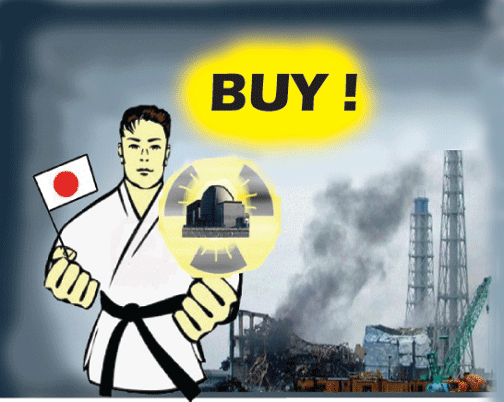 over the nuclear industry, and hurdles are growing higher. Vietnam has
cancelled orders for Japanese nuclear facilities amid financial concerns
and local opposition. Partly because of the rising cost of safety measures,
the financial risks of building nuclear plants abroad have grown too large
for companies alone to bear.
So Japan’s government has stepped in with
public financing and other aid, eager to support infrastructure exports,
which it considers a key economic growth strategy. Pursuing projects abroad
is in effect the only way for such companies as Mitsubishi Heavy and
Hitachi to maintain and profit from their nuclear technologies.
All nuclear power plants in Japan halted operations in the years after the Fukushima
disaster, and only a few have been approved to restart. Expanding plants or
building new ones is likewise difficult.
https://asia.nikkei.com/Politics-Economy/Economy/Japan-led-Turkish-nuclear-plant-project-mired-in-cost-overruns
No comments yet.
1 This Month
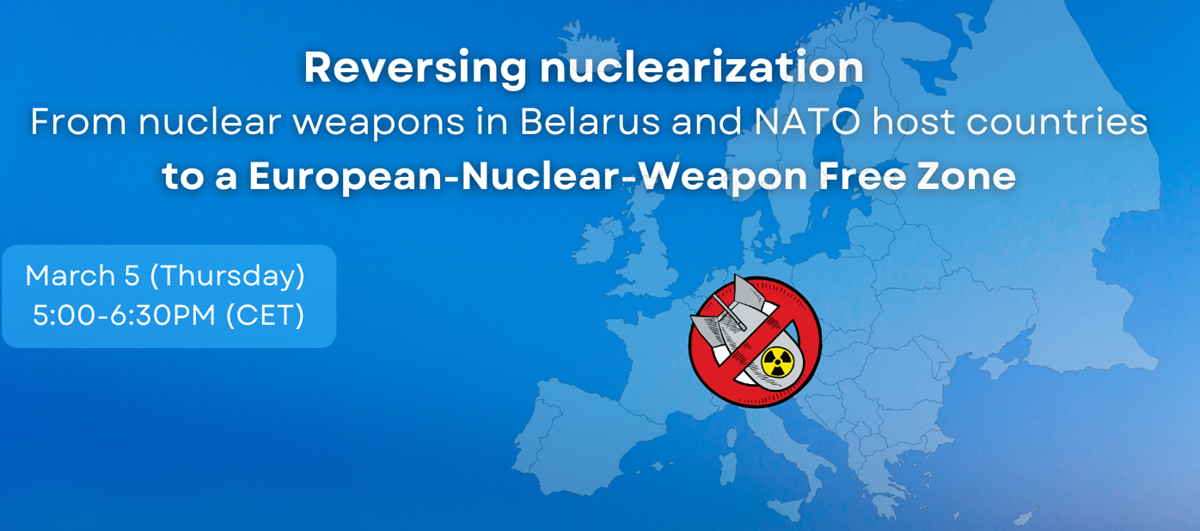
5 March -Online – Reversing nuclearization:
From nuclear weapons in Belarus and NATO host countries to a European-Nuclear-Weapon Free Zone
11am-12:30pm Eastern Time USA / 5pm-6:30pm CET

of the week – Advocating for a
nuclear free beach – https://www.samuellawrencefoundation.org/
The Samuel Lawrence Foundation advocates for a Nuclear Waste Free Beach at San Onofre, join us and take action!

10 March A LIVE WEBINAR THE REAL EFFECTS OF NUCLEAR POWER
What the Industry Isn’t Telling Us
1:00 PM Mountain, 2 pm Central, 3 pm Eastern. Live on the Keepers of the Water Facebook page

18 March Webinar @ 1 PM EST: An Assessment of SMR Projects: The Case of Canada
register for the zoom:
https://us02web.zoom.us/webinar/register/WN_o8BIIOUvQ2ONJR1nta65DQ#/registration

of the week – STOP SMALL MODULAR REACTORS IN CANADA
To see nuclear-related stories in greater depth and intensity – go to https://nuclearinformation.wordpress.com
-
Archives
- March 2026 (51)
- February 2026 (268)
- January 2026 (308)
- December 2025 (358)
- November 2025 (359)
- October 2025 (376)
- September 2025 (258)
- August 2025 (319)
- July 2025 (230)
- June 2025 (348)
- May 2025 (261)
- April 2025 (305)
-
Categories
- 1
- 1 NUCLEAR ISSUES
- business and costs
- climate change
- culture and arts
- ENERGY
- environment
- health
- history
- indigenous issues
- Legal
- marketing of nuclear
- media
- opposition to nuclear
- PERSONAL STORIES
- politics
- politics international
- Religion and ethics
- safety
- secrets,lies and civil liberties
- spinbuster
- technology
- Uranium
- wastes
- weapons and war
- Women
- 2 WORLD
- ACTION
- AFRICA
- Atrocities
- AUSTRALIA
- Christina's notes
- Christina's themes
- culture and arts
- Events
- Fuk 2022
- Fuk 2023
- Fukushima 2017
- Fukushima 2018
- fukushima 2019
- Fukushima 2020
- Fukushima 2021
- general
- global warming
- Humour (God we need it)
- Nuclear
- RARE EARTHS
- Reference
- resources – print
- Resources -audiovicual
- Weekly Newsletter
- World
- World Nuclear
- YouTube
-
RSS
Entries RSS
Comments RSS
 nuclear-news
Leave a comment