No to Nuclear Energy in Nigeria
Nigeria: Say No to Nuclear Energy in Nigeria AllAfrica, 1 May 16“…..Nigeria’s history of disaster management or maintenance culture in the past and the present has much to be desired of, so how can it want to project into a future of nuclear energy with all the attendant risk.
It does not take an expert in Nuclear energy to be able to state basic obvious facts that are glaring. Any major mishap involving radiation leaks from nuclear energy can lead to a disaster of catastrophic proportion that could lead to thousands of death, long term health problems, spikes in cancer incidents and birth defects. The devastation of a nuclear disaster in a highly populated country like Nigeria would send shock waves around the world. A breach in the nuclear containers of a nuclear reactor or a nuclear meltdown would release nuclear materials into the atmosphere and ground and could literally obliterate parts of the country and turn them into waste lands and “ghost lands”.
No matter how prepared even the extremely prepared and efficient countries are, in a case of a nuclear disaster they can only try to mitigate the damage, so what chance would Nigeria have if a nuclear melt down were to occur in the country. Even if the argument is that the likelihood of a nuclear disaster is minuscule, should Nigeria of today, the way it is, subject its people to that risk? The risk out weighs the benefit.
 Was it not in Koko, Delta State, that someone shipped in containers of nuclear waste?
Countries try to get rid of their radio-active waste, yet a Nigerian shipped it into his country and dumped it amongst his people. The community, struggling under their daily routine for survival did not sense the eminent danger and instead opened up the containers, used them to collect water and for other domestic use. By the time the government brought it to public knowledge, the people in the affected area of Koko had been exposed to radiation. When scientist came with Geiger counters to measure the amount of radiation in the area and also on the people, a lot of them did not understand what was going on and had little understanding of the dangers of nuclear radiation. Have the people of Koko been followed? Have longitudinal studies been done on their health status? Were children born in that area since the episode monitored? Is the soil in that area still being tested regularly or have the people of Koko been forgotten? These are but a few of the questions…….
Nigeria is blessed with sunshine; it can invest in solar energy. It has vast areas of empty flat land so it can invest in wind energy by using turbines……..http://allafrica.com/stories/201605010001.html
No comments yet.
1 This Month
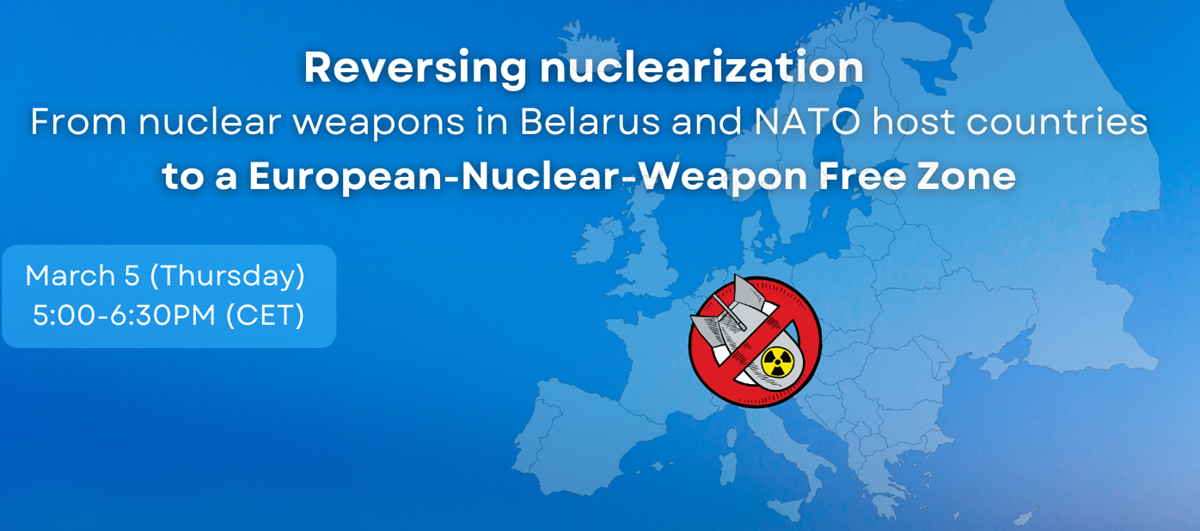
5 March -Online – Reversing nuclearization:
From nuclear weapons in Belarus and NATO host countries to a European-Nuclear-Weapon Free Zone
11am-12:30pm Eastern Time USA / 5pm-6:30pm CET

of the week – Advocating for a
nuclear free beach – https://www.samuellawrencefoundation.org/
The Samuel Lawrence Foundation advocates for a Nuclear Waste Free Beach at San Onofre, join us and take action!
10 March A LIVE WEBINAR THE REAL EFFECTS OF NUCLEAR POWER
What the Industry Isn’t Telling Us
1:00 PM Mountain, 2 pm Central, 3 pm Eastern. Live on the Keepers of the Water Facebook page

18 March Webinar @ 1 PM EST: An Assessment of SMR Projects: The Case of Canada
register for the zoom:
https://us02web.zoom.us/webinar/register/WN_o8BIIOUvQ2ONJR1nta65DQ#/registration

of the week – STOP SMALL MODULAR REACTORS IN CANADA
To see nuclear-related stories in greater depth and intensity – go to https://nuclearinformation.wordpress.com
-
Archives
- March 2026 (38)
- February 2026 (268)
- January 2026 (308)
- December 2025 (358)
- November 2025 (359)
- October 2025 (376)
- September 2025 (258)
- August 2025 (319)
- July 2025 (230)
- June 2025 (348)
- May 2025 (261)
- April 2025 (305)
-
Categories
- 1
- 1 NUCLEAR ISSUES
- business and costs
- climate change
- culture and arts
- ENERGY
- environment
- health
- history
- indigenous issues
- Legal
- marketing of nuclear
- media
- opposition to nuclear
- PERSONAL STORIES
- politics
- politics international
- Religion and ethics
- safety
- secrets,lies and civil liberties
- spinbuster
- technology
- Uranium
- wastes
- weapons and war
- Women
- 2 WORLD
- ACTION
- AFRICA
- Atrocities
- AUSTRALIA
- Christina's notes
- Christina's themes
- culture and arts
- Events
- Fuk 2022
- Fuk 2023
- Fukushima 2017
- Fukushima 2018
- fukushima 2019
- Fukushima 2020
- Fukushima 2021
- general
- global warming
- Humour (God we need it)
- Nuclear
- RARE EARTHS
- Reference
- resources – print
- Resources -audiovicual
- Weekly Newsletter
- World
- World Nuclear
- YouTube
-
RSS
Entries RSS
Comments RSS
 nuclear-news
Leave a comment