Japan Ignores Its Duty to Protect People and the Environment – Kansai Nuclear Restart

A Japanese court ruled on Thursday, 24 December 2015, that Kansai Electric Power Co could restart four nuclear reactors, two at Takahama, and two at Ohi: “rejecting legal claims against Japan’s second-biggest utility to keep the reactors idled over safety concerns.” [1]
From Greenpeace.org:
“Japan nuclear regulator ignores its duty to protect the people
Blogpost by Justin McKeating – 17 December, 2014
With today’s draft decision to approve the safety measures of two currently closed nuclear reactors, Japan’s Nuclear Regulation Authority (NRA) is ignoring public concerns and the major nuclear risks in the Kansai region.
The decision to give backing to two reactors at the Takahama nuclear power plant puts millions of people at risk. Any severe accident at Takahama would be devastating for Kansai’s people and economy – there are no effective emergency plans existing that could protect the people in the region from radiation exposure.
View original post 596 more words
Christmas joy for the weapons makers, especially in USA
 US foreign arms deals up by nearly $13 billion December 27, 2015 Nicholas Fandos The United States controls just over 50 per cent of the world’s weapons markets, Read more: http://www.theage.com.au/world/us-foreign-arms-deals-up-by-nearly-13-billion-20151226-glv3sx.html#ixzz3vU4qe9zF Nicholas Fandos, 27 Dedc 15 . Washington: Foreign arms sales by the United States jumped by almost $US10 billion ($13 billion) in 2014, about 35 per cent, even as the global weapons market remained flat and competition among suppliers increased, a new congressional study has found.
American weapons receipts rose to $US36.2 billion in 2014 from $US26.7 billion the year before, bolstered by multibillion-dollar agreements with Qatar, Saudi Arabia and South Korea. Those deals and others ensured that the United States remained the single largest provider of arms around the world last year, controlling just over 50 per cent of the market.
Russia followed the US as the top weapons supplier, completing $US10.2 billion in sales, compared with $US10.3 billion in 2013. Sweden was third, with roughly $US5.5 billion in sales, followed by France with $US4.4 billion and China with $US2.2 billion.
South Korea, a key US ally, was the world’s top weapons buyer in 2014, completing $US7.8 billion in contracts. It has faced continued tensions with neighbouring North Korea in recent years over the North’s nuclear weapons program and other provocations. The bulk of South Korea’s purchases were made with the United States, worth more than $US7 billion, and included transport helicopters and related support, as well as advanced unmanned aerial surveillance vehicles.
Brazil, another developing nation building its military force, was third with $US6.5 billion worth of purchase agreements, primarily for Swedish aircraft.
The report to Congress found that total global arms sales rose slightly in 2014 to $US71.8 billion, from $US70.1 billion in 2013. Despite that increase, the report concluded that “the international arms market is not likely growing over all” because of “the weakened state of the global economy”.
It was the second successive year that global sales remained steady, suggesting that the market has begun to level off after several years of extreme fluctuation.
Read more:
1 This Month
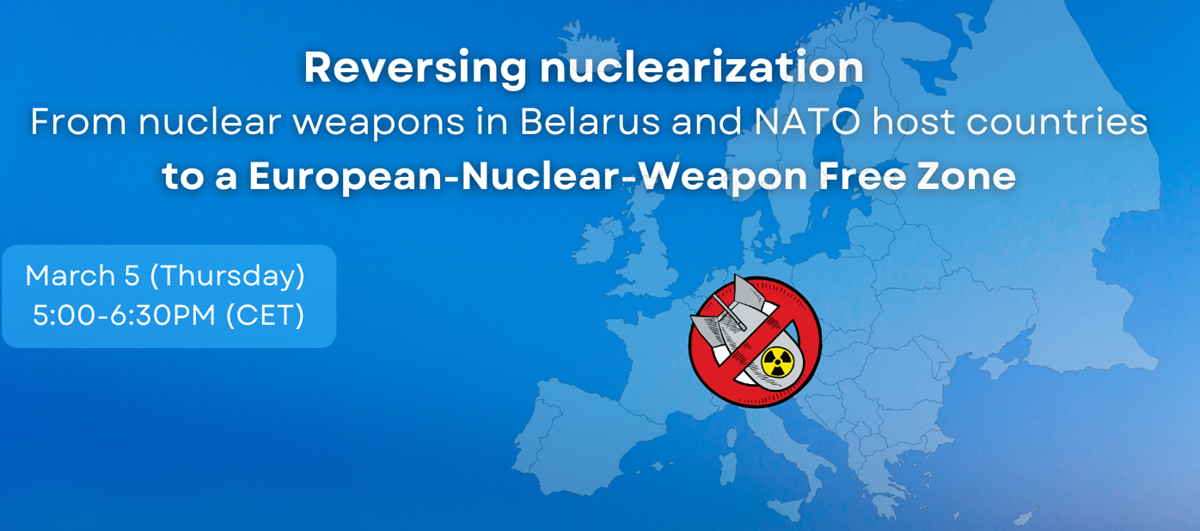
5 March -Online – Reversing nuclearization:
From nuclear weapons in Belarus and NATO host countries to a European-Nuclear-Weapon Free Zone
11am-12:30pm Eastern Time USA / 5pm-6:30pm CET

of the week – Advocating for a
nuclear free beach – https://www.samuellawrencefoundation.org/
The Samuel Lawrence Foundation advocates for a Nuclear Waste Free Beach at San Onofre, join us and take action!
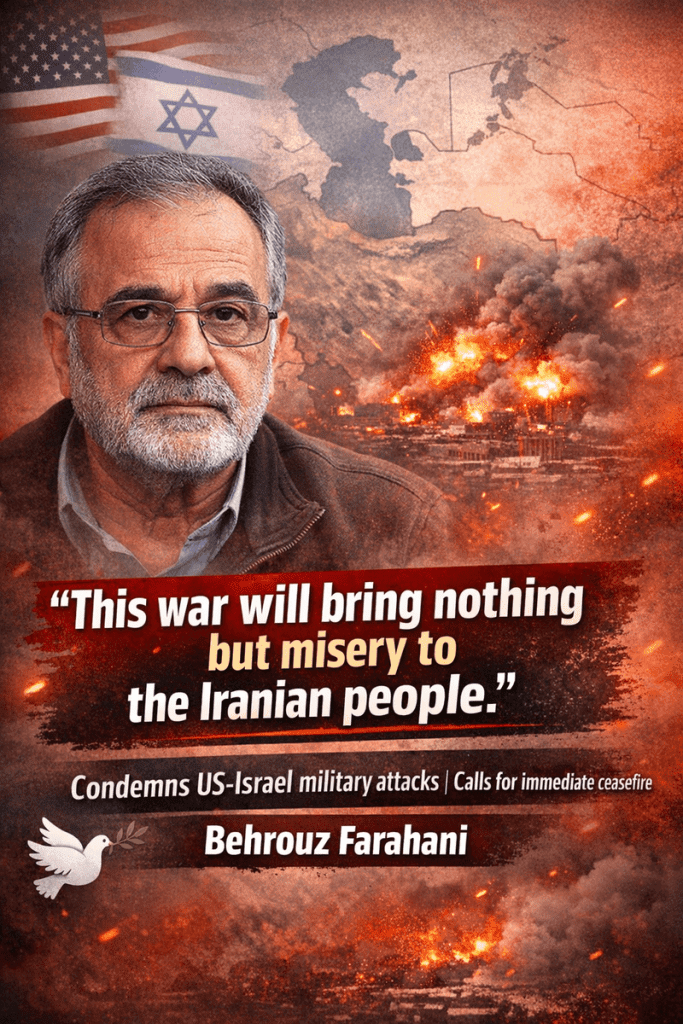
10 March A LIVE WEBINAR THE REAL EFFECTS OF NUCLEAR POWER
What the Industry Isn’t Telling Us
1:00 PM Mountain, 2 pm Central, 3 pm Eastern. Live on the Keepers of the Water Facebook page

18 March Webinar @ 1 PM EST: An Assessment of SMR Projects: The Case of Canada
register for the zoom:
https://us02web.zoom.us/webinar/register/WN_o8BIIOUvQ2ONJR1nta65DQ#/registration

of the week – STOP SMALL MODULAR REACTORS IN CANADA
To see nuclear-related stories in greater depth and intensity – go to https://nuclearinformation.wordpress.com
-
Archives
- March 2026 (51)
- February 2026 (268)
- January 2026 (308)
- December 2025 (358)
- November 2025 (359)
- October 2025 (376)
- September 2025 (258)
- August 2025 (319)
- July 2025 (230)
- June 2025 (348)
- May 2025 (261)
- April 2025 (305)
-
Categories
- 1
- 1 NUCLEAR ISSUES
- business and costs
- climate change
- culture and arts
- ENERGY
- environment
- health
- history
- indigenous issues
- Legal
- marketing of nuclear
- media
- opposition to nuclear
- PERSONAL STORIES
- politics
- politics international
- Religion and ethics
- safety
- secrets,lies and civil liberties
- spinbuster
- technology
- Uranium
- wastes
- weapons and war
- Women
- 2 WORLD
- ACTION
- AFRICA
- Atrocities
- AUSTRALIA
- Christina's notes
- Christina's themes
- culture and arts
- Events
- Fuk 2022
- Fuk 2023
- Fukushima 2017
- Fukushima 2018
- fukushima 2019
- Fukushima 2020
- Fukushima 2021
- general
- global warming
- Humour (God we need it)
- Nuclear
- RARE EARTHS
- Reference
- resources – print
- Resources -audiovicual
- Weekly Newsletter
- World
- World Nuclear
- YouTube
-
RSS
Entries RSS
Comments RSS
 nuclear-news