VOX charts the rise and fall of nuclear power
 The rise and fall of nuclear power, in 6 charts, Vox Brad Plumer on August 1, 2014, @bradplumer brad@vox.com Nuclear power is slowly going out of style. Back in 1996, atomic energy supplied 17.6 percent of the world’s electricity. Today that’s down to just 10.8 percent — and it could drop even further in the years ahead.
MANY REACTORS ARE CLOSING — AND NEW REACTORS HAVE BEEN BOGGED DOWN BY DELAYSThat’s according to the World Nuclear Industry Status Report 2014, which charts the rise and fall of nuclear power over time.
The upshot is that significantly fewer nuclear reactors are in operation today than was the case in 2010 — in large part due to the shutdown of 48 reactors in Japan after the Fukushima disaster. On the flip side, only China currently has plans to massively ramp up reactor construction. And new reactors in many countries, from Finland to Vietnam, are falling victim to delays and cost overruns.
That’s not encouraging news for efforts to tackle global warming. The proportion of energy that the world gets from carbon-free sources has stagnated since 1999 — in part because of the nuclear industry’s struggles. And the Intergovernmental Panel on Climate Change has warned that reducing emissions will be significantly more expensive if nuclear power’s not available.
Here are six key charts from the report:
1) Nuclear energy production has been falling since 2006……..
2) There are 388 nuclear reactors in operation — down from 438 a decade ago…….
4) There were 67 reactors “under construction” in 2014 — but delays are a problem……..
All told, the report notes that 49 of those reactors under construction have met with significant delays, ranging from several months to several years. Nuclear reactors are expensive and take a long time to build. They can face all sorts of obstacles in the meantime — from cost overruns to complex licensing processes to regulatory hurdles to popular opposition (the latter recently blocked construction of two reactors in Taiwan).
“Past experience shows that simply having an order for a reactor, or even having a nuclear plant at an advanced stage of construction, is no guarantee for grid connection and power production,” the report notes.
5) Just 14 countries have plans to build new nuclear reactors……..
6) Without further action, nuclear power could vanish in 50 years……..
No comments yet.
1 This Month
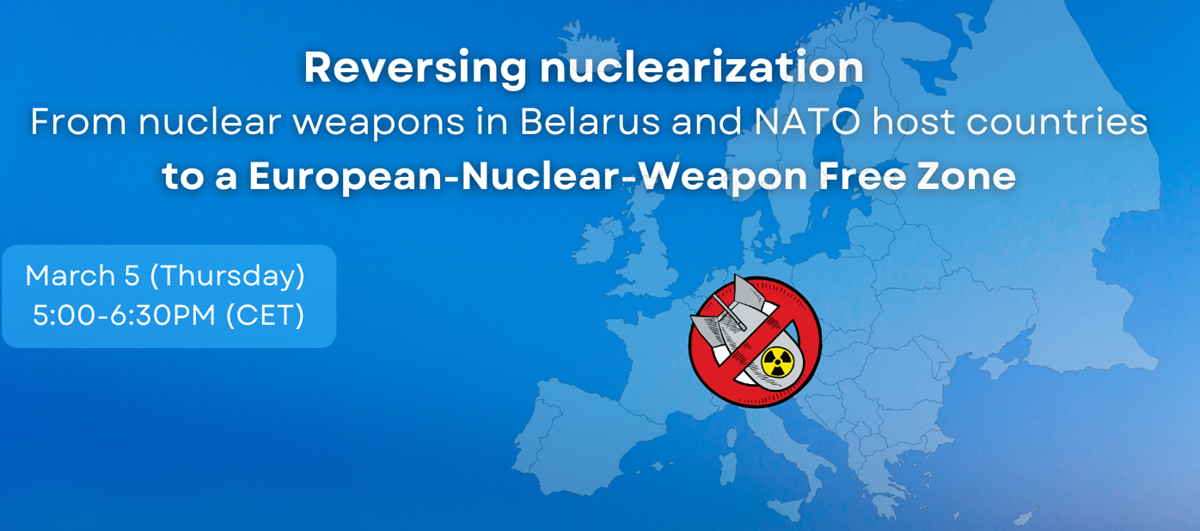
5 March -Online – Reversing nuclearization:
From nuclear weapons in Belarus and NATO host countries to a European-Nuclear-Weapon Free Zone
11am-12:30pm Eastern Time USA / 5pm-6:30pm CET

of the week – Advocating for a
nuclear free beach – https://www.samuellawrencefoundation.org/
The Samuel Lawrence Foundation advocates for a Nuclear Waste Free Beach at San Onofre, join us and take action!
10 March A LIVE WEBINAR THE REAL EFFECTS OF NUCLEAR POWER
What the Industry Isn’t Telling Us
1:00 PM Mountain, 2 pm Central, 3 pm Eastern. Live on the Keepers of the Water Facebook page

18 March Webinar @ 1 PM EST: An Assessment of SMR Projects: The Case of Canada
register for the zoom:
https://us02web.zoom.us/webinar/register/WN_o8BIIOUvQ2ONJR1nta65DQ#/registration

of the week – STOP SMALL MODULAR REACTORS IN CANADA
To see nuclear-related stories in greater depth and intensity – go to https://nuclearinformation.wordpress.com
-
Archives
- March 2026 (51)
- February 2026 (268)
- January 2026 (308)
- December 2025 (358)
- November 2025 (359)
- October 2025 (376)
- September 2025 (258)
- August 2025 (319)
- July 2025 (230)
- June 2025 (348)
- May 2025 (261)
- April 2025 (305)
-
Categories
- 1
- 1 NUCLEAR ISSUES
- business and costs
- climate change
- culture and arts
- ENERGY
- environment
- health
- history
- indigenous issues
- Legal
- marketing of nuclear
- media
- opposition to nuclear
- PERSONAL STORIES
- politics
- politics international
- Religion and ethics
- safety
- secrets,lies and civil liberties
- spinbuster
- technology
- Uranium
- wastes
- weapons and war
- Women
- 2 WORLD
- ACTION
- AFRICA
- Atrocities
- AUSTRALIA
- Christina's notes
- Christina's themes
- culture and arts
- Events
- Fuk 2022
- Fuk 2023
- Fukushima 2017
- Fukushima 2018
- fukushima 2019
- Fukushima 2020
- Fukushima 2021
- general
- global warming
- Humour (God we need it)
- Nuclear
- RARE EARTHS
- Reference
- resources – print
- Resources -audiovicual
- Weekly Newsletter
- World
- World Nuclear
- YouTube
-
RSS
Entries RSS
Comments RSS
 nuclear-news
Leave a comment