New nuclear power, especially Small Modular Reactors, are the most costly of the low carbon energy options
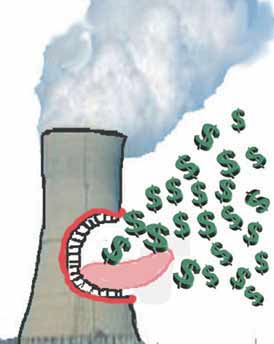 The EPA carbon plan: Coal loses, but nuclear doesn’t win , Bulletin of the Atomic Scientists Mark Cooper. 19 June 14 “………New nuclear capacity would be expensive. The day before the EPA carbon plan was proposed, efficiency was the least costly way to meet the need for electricity. Gas and onshore wind were next. The cost of solar was dropping like a rock, and load factors for wind and solar—the so-called intermittent resources—were rising dramatically, due to technological improvements, the rapidly falling cost of energy storage, and information and control technologies that make it possible to manage fluctuating energy sources on a minute-by-minute basis. The EPA plan does nothing to change the fundamental economics of low-carbon resources in the mid- and long term.
As a result of this economic reality, a boatload of independent analysts—including Lazard, Citi, Credit Suisse, McKinsey & Company, Sanford C. Bernstein, The Motley Fool, Morningstar, and Barclays—not only had concluded that efficiency, renewables, and natural gas would account for the vast majority of resources deployed to meet the need for electricity over the next decade, but also that the model of the electric utility that dominated the 20th century has become obsolete.
The adoption of the climate change rule is likely to reinforce the pressure to modernize the electricity system and, to the extent that it requires more low-carbon resources, it will accelerate this process. In the short term, this might have the effect of raising the cost of electricity slightly, because resources with slightly higher costs will be pulled into the market. On the other hand, because many of the alternative energy sources have not been dominant in the past, accelerating their adoption might actually lower electricity costs, because these energy sources are still at the stage of development where innovation, learning by doing, and increases in economies of scale are dramatically cutting the price.
As I have shown in a number of reports over the past five years, most recently a May 2014 report on small modular reactors, nuclear power in not one of the technologies that will benefit from the emergence of an integrated, two-way electricity system that accommodates decentralized energy production. It remains among the most costly of the low-carbon options and will become relatively more costly as the other technologies develop. The target reduction in carbon emissions under the EPA plan is well within the capacity of the lower-cost alternatives……http://thebulletin.org/epa-carbon-plan-coal-loses-nuclear-doesnt-win7253
No comments yet.
1 This Month


Tell the Ukrainian Government to Drop Prosecution of Peace Activist Yurii Sheliazhenko

Petition to revoke the licensing of the Near Surface Nuclear Disposal Facility (NSDF) at Chalk River. https://www.ourcommons.ca/petitions/en/Petition/Details?Petition=e-7247


of the week – STOP SMALL MODULAR REACTORS IN CANADA
To see nuclear-related stories in greater depth and intensity – go to https://nuclearinformation.wordpress.com
-
Archives
- March 2026 (204)
- February 2026 (268)
- January 2026 (308)
- December 2025 (358)
- November 2025 (359)
- October 2025 (376)
- September 2025 (258)
- August 2025 (319)
- July 2025 (230)
- June 2025 (348)
- May 2025 (261)
- April 2025 (305)
-
Categories
- 1
- 1 NUCLEAR ISSUES
- business and costs
- climate change
- culture and arts
- ENERGY
- environment
- health
- history
- indigenous issues
- Legal
- marketing of nuclear
- media
- opposition to nuclear
- PERSONAL STORIES
- politics
- politics international
- Religion and ethics
- safety
- secrets,lies and civil liberties
- spinbuster
- technology
- Uranium
- wastes
- weapons and war
- Women
- 2 WORLD
- ACTION
- AFRICA
- Atrocities
- AUSTRALIA
- Christina's notes
- Christina's themes
- culture and arts
- Events
- Fuk 2022
- Fuk 2023
- Fukushima 2017
- Fukushima 2018
- fukushima 2019
- Fukushima 2020
- Fukushima 2021
- general
- global warming
- Humour (God we need it)
- Nuclear
- RARE EARTHS
- Reference
- resources – print
- Resources -audiovicual
- Weekly Newsletter
- World
- World Nuclear
- YouTube
-
RSS
Entries RSS
Comments RSS
 nuclear-news
Leave a comment