Compensation program for those made sick by Nevada atomic testing radiation
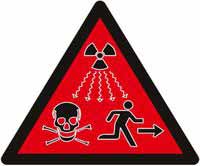 Compensation for radiation exposure discussed at event By SANDY LOPEZ, Las Vegas Review Journal, 4 June 14, View Staff Writer
More than 60 years after the testing of nuclear weapons at the former Nevada Test Site, the people who were affected are being compensated with the help of a school program.
The UNLV School of Medicine became the first institution to offer medical outreach and education to Nevada residents affected by nuclear weapons testing at the Nevada Test Site from 1951 to 1962. An outreach event took place May 16 at the Centennial Hills Active Adult Center, 6601 N. Buffalo Drive.
“We developed the Radiation Exposure Screening & Education Program to educate the public on the cancer risks that they may have been exposed to as a result of where they lived,” said Dr. Thomas Hunt, associate professor at the UNLV School of Medicine and principal investigator of the educational outreach. “We educate people, recommend screening tests based on age and gender and try to catch cancers early where people can still be cured.”
The school created the program nine years ago to offer free cancer screening clinics to Nevada residents exposed to radiation.
The program provides medical screening by appointment and diagnostic services to facilitate early detection and treatment of cancer and other health hazards associated with radiation.
Hunt estimates that between 300 and 400 Nevadans are screened annually through the program.
In addition, the program assists people through the Radiation Exposure Compensation Act, which provides payments to individuals diagnosed with certain illnesses as a result of the exposure to radiation released during atmospheric nuclear weapons testing or while working in the uranium mine industry.
Jenna Fox, program eligibility coordinator, estimates that as of February, people have been compensated almost $2 million and claims that more people have been approved than denied.
“We’ve had people who don’t have any insurance, but we can give them resources in the community that can help them,” Hunt said.
The most common cancers Hunt has seen due to radiation exposure are lung, breast and colon cancer. However, people can be compensated for 20 different cancers. hose eligible for compensation must have direct ties to above-ground nuclear testing or the uranium mining operation or they must have been physically present in a so-called downwind county.
Downwind counties include portions of Nevada, Utah and Arizona.
Nevada counties include Eureka, Lander, Lincoln, Nye, White Pine and the northeast area of Clark, which includes Moapa, Mesquite, Overton, Logandale and Riverside.
The act also includes survivor benefits, which are available to families of people affected by atmospheric nuclear testing or the uranium mining industry.
If the person who became ill with a compensable disease is deceased, the first person eligible to file a claim on his behalf is the spouse, followed by children, parents, grandchildren and grandparents.
Jeanette Shoemaker, a participant of the May 16 educational program, recalled living in North Las Vegas as a girl and witnessing effects of the mushroom cloud and the boom from the underground testing conducted at the former Nevada Test Site.
“I remember seeing debris from the test site on the cloth diapers that my mother used to hang outside,” Shoemaker said. “My father, grandfather and uncle all worked at the test site. I remember seeing my father come home with debris from his work, yet my mother never qualified for survivor’s benefits.”…….
Freley Hosannah, grant and project manager of the Radiation Exposure Screening & Education Program, said people should be proactive if they think they have been exposed to radiation.
“People can actually be diagnosed with cancer years later,” said Hosannah. “Two or even three generations can be affected by this. It’s important to catch cancers early before it gets to a late stage that isn’t treatable.”
For more information, call 702-992-6887 or visit medicine.nevada.edu/las-vegas/resep. Contact North View reporter Sandy Lopez at slopez@viewnews.com or
702-383-4686. Find her on Twitter: @JournalismSandy.
No comments yet.
1 This Month

of the week – Shut Down Drone Warfare!


Tell the Ukrainian Government to Drop Prosecution of Peace Activist Yurii Sheliazhenko

Petition to revoke the licensing of the Near Surface Nuclear Disposal Facility (NSDF) at Chalk River. https://www.ourcommons.ca/petitions/en/Petition/Details?Petition=e-7247
To see nuclear-related stories in greater depth and intensity – go to https://nuclearinformation.wordpress.com
-
Archives
- March 2026 (237)
- February 2026 (268)
- January 2026 (308)
- December 2025 (358)
- November 2025 (359)
- October 2025 (376)
- September 2025 (257)
- August 2025 (319)
- July 2025 (230)
- June 2025 (348)
- May 2025 (261)
- April 2025 (305)
-
Categories
- 1
- 1 NUCLEAR ISSUES
- business and costs
- climate change
- culture and arts
- ENERGY
- environment
- health
- history
- indigenous issues
- Legal
- marketing of nuclear
- media
- opposition to nuclear
- PERSONAL STORIES
- politics
- politics international
- Religion and ethics
- safety
- secrets,lies and civil liberties
- spinbuster
- technology
- Uranium
- wastes
- weapons and war
- Women
- 2 WORLD
- ACTION
- AFRICA
- Atrocities
- AUSTRALIA
- Christina's notes
- Christina's themes
- culture and arts
- Events
- Fuk 2022
- Fuk 2023
- Fukushima 2017
- Fukushima 2018
- fukushima 2019
- Fukushima 2020
- Fukushima 2021
- general
- global warming
- Humour (God we need it)
- Nuclear
- RARE EARTHS
- Reference
- resources – print
- Resources -audiovicual
- Weekly Newsletter
- World
- World Nuclear
- YouTube
-
RSS
Entries RSS
Comments RSS
 nuclear-news
Leave a comment