Record levels of strontium on basements of Fukushima nuclear reactors
Strontium reaches 500 Billion Bq/m³ in basements at Fukushima — Record levels reported at 5 locations near ocean — U.S. Senior Scientist: “We see strontium becoming more of concern… food chain will have to be studied more carefully” http://enenews.com/strontium-reaches-500-billion-bqm3-in-basements-at-fukushima-record-levels-reported-at-5-locations-near-ocean-u-s-expert-we-see-strontium-becoming-more-of-concern-food-chain-will-have-to?utm_source=feedburner&utm_medium=email&utm_campaign=Feed%3A+ENENews+%28Energy+News%29

JIJI PRESS,May 29, 2014: [TEPCO] said Thursday that it plans to improve a cesium adsorption system […] to enable it to remove strontium. The move is aimed at reducing risks when radioactive water leaks from storage tanks […] TEPCO plans to begin test operation of the improved SARRY system at the end of August. Highly radioactive water [is] accumulating in the basements of the No.1 to No. 4 reactor buildings [with] strontium levels standing at 40 million to 500 million becquerels per liter [500 billion becquerels per metric ton (Bq/m³)].
Results Published May 28, 2014 (Bq/liter):KUSP, May 30, 2014: [Ken Buesseler, Senior scientists at the Woods Hole Oceanographic Institution] doesn’t worry about cesium-containing fish swimming across the ocean and appearing in other fisheries. The situation is different for strontium-90 […] Strontium behaves like calcium, and it can replace calcium in your bones. “Instead of [cesium’s] 50 days, think of more like 500 days, a couple of years, before it would be released back through natural processes,” he says. […] In the ocean near the power plant, levels of strontium-90 have grown since the accident. But Buesseler says he hasn’t seen alarming numbers for strontium in fish yet. “Down the road, as we see strontium becoming more of concern, that isotope in the food chain will have to be studied more carefully,” he says. Buesseler hopes to monitor strontium levels in the ocean and seafloor near Japan in the future. Should that strontium move across the Pacific Ocean, it will take three years for it to reach the West Coast of the United States.
No comments yet.
1 This Month
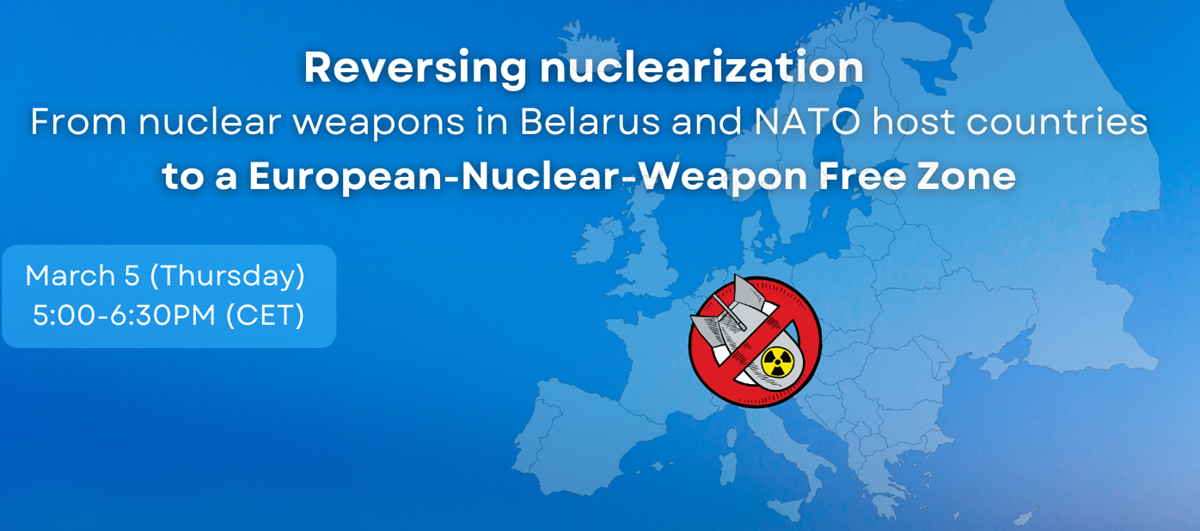
5 March -Online – Reversing nuclearization:
From nuclear weapons in Belarus and NATO host countries to a European-Nuclear-Weapon Free Zone
11am-12:30pm Eastern Time USA / 5pm-6:30pm CET

of the week – Advocating for a
nuclear free beach – https://www.samuellawrencefoundation.org/
The Samuel Lawrence Foundation advocates for a Nuclear Waste Free Beach at San Onofre, join us and take action!

10 March A LIVE WEBINAR THE REAL EFFECTS OF NUCLEAR POWER
What the Industry Isn’t Telling Us
1:00 PM Mountain, 2 pm Central, 3 pm Eastern. Live on the Keepers of the Water Facebook page

18 March Webinar @ 1 PM EST: An Assessment of SMR Projects: The Case of Canada
register for the zoom:
https://us02web.zoom.us/webinar/register/WN_o8BIIOUvQ2ONJR1nta65DQ#/registration

of the week – STOP SMALL MODULAR REACTORS IN CANADA
To see nuclear-related stories in greater depth and intensity – go to https://nuclearinformation.wordpress.com
-
Archives
- March 2026 (38)
- February 2026 (268)
- January 2026 (308)
- December 2025 (358)
- November 2025 (359)
- October 2025 (376)
- September 2025 (258)
- August 2025 (319)
- July 2025 (230)
- June 2025 (348)
- May 2025 (261)
- April 2025 (305)
-
Categories
- 1
- 1 NUCLEAR ISSUES
- business and costs
- climate change
- culture and arts
- ENERGY
- environment
- health
- history
- indigenous issues
- Legal
- marketing of nuclear
- media
- opposition to nuclear
- PERSONAL STORIES
- politics
- politics international
- Religion and ethics
- safety
- secrets,lies and civil liberties
- spinbuster
- technology
- Uranium
- wastes
- weapons and war
- Women
- 2 WORLD
- ACTION
- AFRICA
- Atrocities
- AUSTRALIA
- Christina's notes
- Christina's themes
- culture and arts
- Events
- Fuk 2022
- Fuk 2023
- Fukushima 2017
- Fukushima 2018
- fukushima 2019
- Fukushima 2020
- Fukushima 2021
- general
- global warming
- Humour (God we need it)
- Nuclear
- RARE EARTHS
- Reference
- resources – print
- Resources -audiovicual
- Weekly Newsletter
- World
- World Nuclear
- YouTube
-
RSS
Entries RSS
Comments RSS
 nuclear-news
Leave a comment