Fukushima disaster an ongoing health problem
Hiroshima seeks to distance itself from Fukushima despite parallels of radiation woes in Japan, WP26 Sept 13, “……The widespread sentiment in this southwestern city, he said, is that Hiroshima has endured something more terrible than the aftermath of a nuclear accident, and people resent getting lumped together. Matsui lost relatives in the attack, and his parents’ home was destroyed.
The bombing killed some 140,000 people — some instantly, others within months. Three days later, the U.S. dropped a second atomic bomb on Nagasaki, killing an estimated 70,000 people shortly before the end of World War II. Those categorized by the government as sick from the Hiroshima bombing’s radiation still number more than 200,000.
No one is known to have died from the Fukushima radiation, but the plant’s three nuclear meltdowns will take decades to clean up and it is impossible to know what the health toll will ultimately be. Only recently has the government acknowledged that much more radioactive water is leaking into the sea than it had previously believed.
The Japanese government has detected 44 confirmed and suspected cases of thyroid cancer among the 217,000 youngsters, 18 and under, checked in Fukushima. Thyroid cancer among children is generally rare, estimated at only one in a million. The link to radiation is still inconclusive, and extensive testing of Fukushima children could account for the higher numbers.
But according to the World Health Organization, thyroid cancer struck thousands of people after the only nuclear-plant disaster worse than Fukushima, the 1986 Chernobyl meltdown in what is now Ukraine. http://www.washingtonpost.com/world/asia_pacific/hiroshima-seeks-to-distance-itself-from-fukushima-despite-parallels-of-radiation-woes-in-japan/2013/09/26/420331b0-266e-11e3-9372-92606241ae9c_story.html
No comments yet.
1 This Month
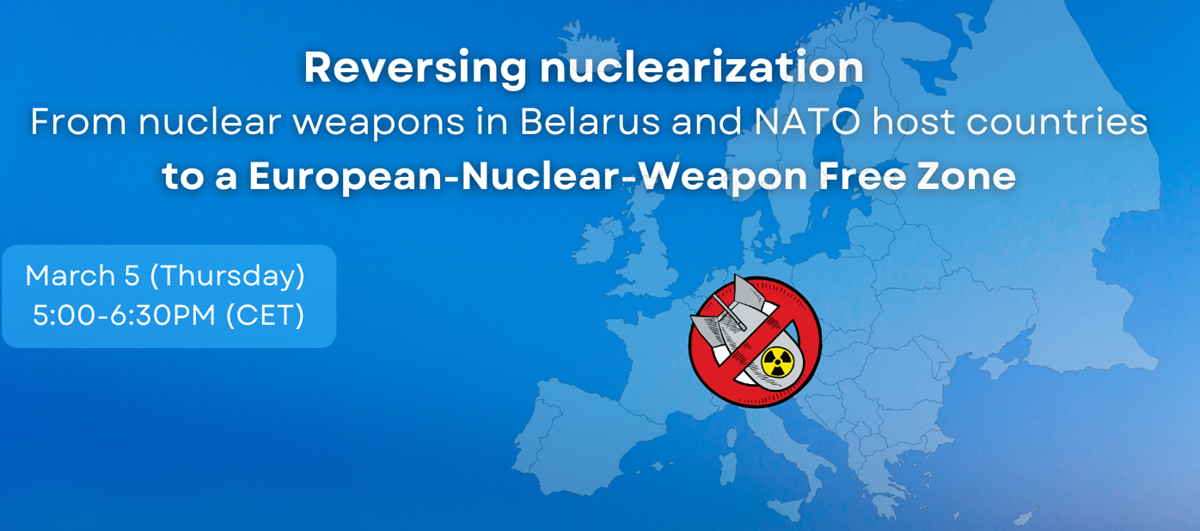
5 March -Online – Reversing nuclearization:
From nuclear weapons in Belarus and NATO host countries to a European-Nuclear-Weapon Free Zone
11am-12:30pm Eastern Time USA / 5pm-6:30pm CET

of the week – Advocating for a
nuclear free beach – https://www.samuellawrencefoundation.org/
The Samuel Lawrence Foundation advocates for a Nuclear Waste Free Beach at San Onofre, join us and take action!

10 March A LIVE WEBINAR THE REAL EFFECTS OF NUCLEAR POWER
What the Industry Isn’t Telling Us
1:00 PM Mountain, 2 pm Central, 3 pm Eastern. Live on the Keepers of the Water Facebook page

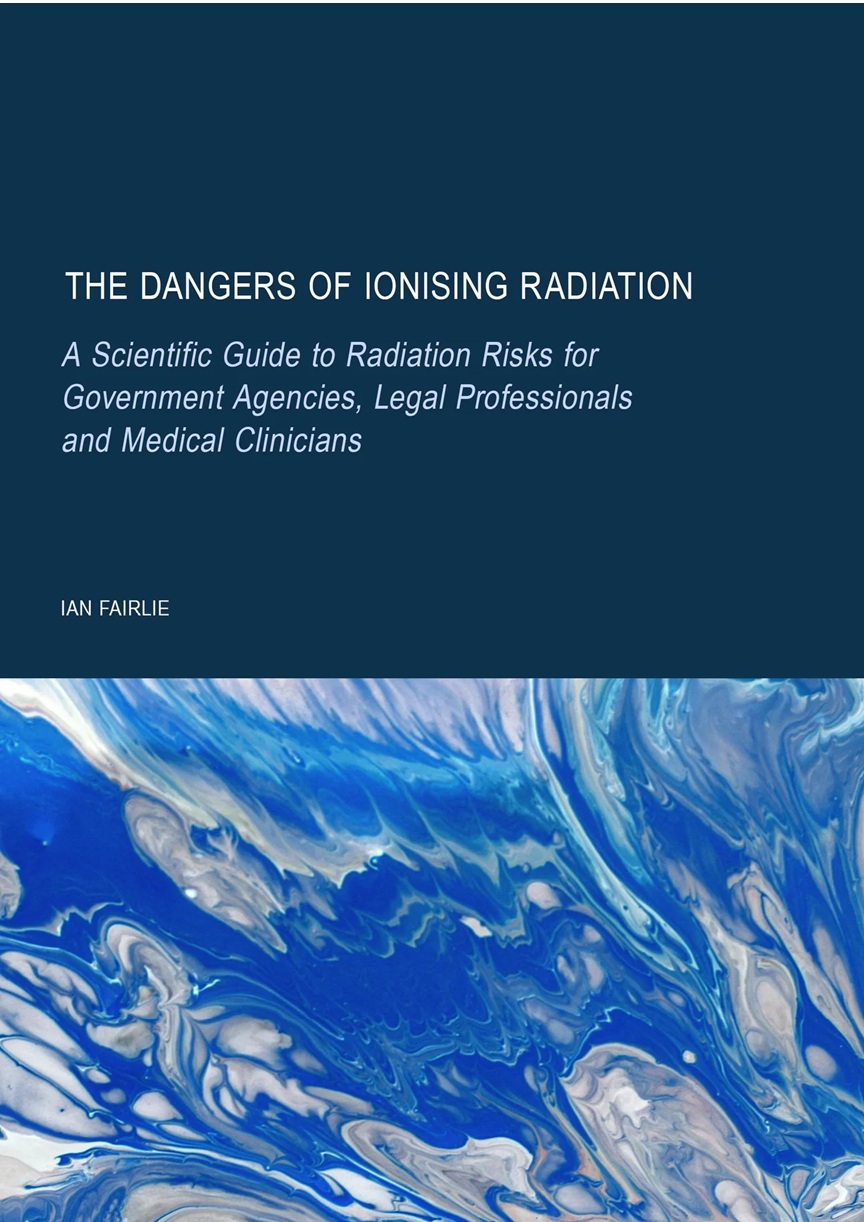
18 March Webinar @ 1 PM EST: An Assessment of SMR Projects: The Case of Canada
register for the zoom:
https://us02web.zoom.us/webinar/register/WN_o8BIIOUvQ2ONJR1nta65DQ#/registration

of the week – STOP SMALL MODULAR REACTORS IN CANADA
To see nuclear-related stories in greater depth and intensity – go to https://nuclearinformation.wordpress.com
-
Archives
- March 2026 (38)
- February 2026 (268)
- January 2026 (308)
- December 2025 (358)
- November 2025 (359)
- October 2025 (376)
- September 2025 (258)
- August 2025 (319)
- July 2025 (230)
- June 2025 (348)
- May 2025 (261)
- April 2025 (305)
-
Categories
- 1
- 1 NUCLEAR ISSUES
- business and costs
- climate change
- culture and arts
- ENERGY
- environment
- health
- history
- indigenous issues
- Legal
- marketing of nuclear
- media
- opposition to nuclear
- PERSONAL STORIES
- politics
- politics international
- Religion and ethics
- safety
- secrets,lies and civil liberties
- spinbuster
- technology
- Uranium
- wastes
- weapons and war
- Women
- 2 WORLD
- ACTION
- AFRICA
- Atrocities
- AUSTRALIA
- Christina's notes
- Christina's themes
- culture and arts
- Events
- Fuk 2022
- Fuk 2023
- Fukushima 2017
- Fukushima 2018
- fukushima 2019
- Fukushima 2020
- Fukushima 2021
- general
- global warming
- Humour (God we need it)
- Nuclear
- RARE EARTHS
- Reference
- resources – print
- Resources -audiovicual
- Weekly Newsletter
- World
- World Nuclear
- YouTube
-
RSS
Entries RSS
Comments RSS
 nuclear-news
Leave a comment