Japan’s economy can move forward without nuclear power
 Electricity in Japan Power struggle The Economist, Sep 21st 2013 | TOKYO “……….The LDP’s anti-nuclear coalition partner, New Komeito, also constrains the government somewhat. Meanwhile, rising business optimism appears to undermine the case that economic recovery depends on nuclear power. Probably no more than 12-15 reactors will be switched back on, says Kazuhiro Ueta, a renewable-energy specialist who sits on the government’s energy-advisory board. For the nuclear village, which once expected to supply at least half of Japan’s power, that would be a grave disappointment.
Instead, Japan is preparing for other long-term energy supplies. Since 2011 the number of independent power producers tapping renewable sources, such as solar power, has tripled, thanks in part to a new “feed-in” tariff system for renewables. Including hydro-electricity, renewables now represent 10% of the energy mix, leading to hopes that they might one day replace the share that nuclear power once claimed…………..
Long-overdue proposals to liberalise the electricity market may do much to diversify energy sources and lower electricity bills. The government’s plan, easier to push through now that TEPCO, the biggest utility, has been brought low by its handling of the Fukushima fiasco, is to split generation and transmission, with the residential electricity market open to new competition. If the reform succeeds, says Hiroshi Takahashi of the Fujitsu Research Institute in Tokyo, the share of nuclear power in the energy mix would fall as new, non-nuclear providers won customers. It would, at long last, give the public some say over Japan’s energy choices. http://www.economist.com/news/asia/21586570-shadow-fukushima-worlds-worst-nuclear-disaster-after-chernobyl-hangs-over-japans-energy
No comments yet.
1 This Month
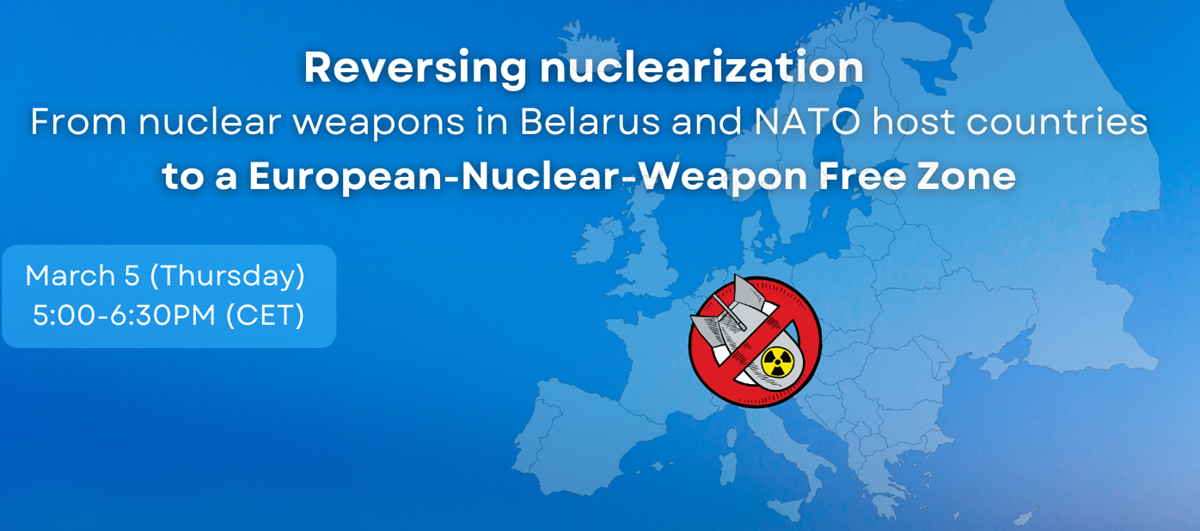
5 March -Online – Reversing nuclearization:
From nuclear weapons in Belarus and NATO host countries to a European-Nuclear-Weapon Free Zone
11am-12:30pm Eastern Time USA / 5pm-6:30pm CET

of the week – Advocating for a
nuclear free beach – https://www.samuellawrencefoundation.org/
The Samuel Lawrence Foundation advocates for a Nuclear Waste Free Beach at San Onofre, join us and take action!

10 March A LIVE WEBINAR THE REAL EFFECTS OF NUCLEAR POWER
What the Industry Isn’t Telling Us
1:00 PM Mountain, 2 pm Central, 3 pm Eastern. Live on the Keepers of the Water Facebook page

18 March Webinar @ 1 PM EST: An Assessment of SMR Projects: The Case of Canada
register for the zoom:
https://us02web.zoom.us/webinar/register/WN_o8BIIOUvQ2ONJR1nta65DQ#/registration

of the week – STOP SMALL MODULAR REACTORS IN CANADA
To see nuclear-related stories in greater depth and intensity – go to https://nuclearinformation.wordpress.com
-
Archives
- March 2026 (38)
- February 2026 (268)
- January 2026 (308)
- December 2025 (358)
- November 2025 (359)
- October 2025 (376)
- September 2025 (258)
- August 2025 (319)
- July 2025 (230)
- June 2025 (348)
- May 2025 (261)
- April 2025 (305)
-
Categories
- 1
- 1 NUCLEAR ISSUES
- business and costs
- climate change
- culture and arts
- ENERGY
- environment
- health
- history
- indigenous issues
- Legal
- marketing of nuclear
- media
- opposition to nuclear
- PERSONAL STORIES
- politics
- politics international
- Religion and ethics
- safety
- secrets,lies and civil liberties
- spinbuster
- technology
- Uranium
- wastes
- weapons and war
- Women
- 2 WORLD
- ACTION
- AFRICA
- Atrocities
- AUSTRALIA
- Christina's notes
- Christina's themes
- culture and arts
- Events
- Fuk 2022
- Fuk 2023
- Fukushima 2017
- Fukushima 2018
- fukushima 2019
- Fukushima 2020
- Fukushima 2021
- general
- global warming
- Humour (God we need it)
- Nuclear
- RARE EARTHS
- Reference
- resources – print
- Resources -audiovicual
- Weekly Newsletter
- World
- World Nuclear
- YouTube
-
RSS
Entries RSS
Comments RSS
 nuclear-news
Leave a comment