Medicine struggles to deal with nuclear radiation -caused illness
 Top Docs’ (Partial) Cure for Nuclear Radiation: Bone-Marrow Drugs http://www.wired.com/dangerroom/2013/04/health-department-nuclear/ BY ROBERT BECKHUSEN 04.04.13
Even if a nuclear bomb exploded far enough away for you to survive the blast, the radiation could still kill you. Now the U.S. government wants to find a cure for one the most vexing causes of radioactive death — starting with your bones.
According to a research solicitation released this week by the Department of Health and Human Services, the department is preparing to spend up to $8 million beginning in 2014 to research ways to treat severe thrombocytopenia — or the loss of cell platelets — caused by excessive radiation poisoning of vital blood-producing organs and tissues like bone marrow and the spleen. Once your organs get blasted with radiation from a catastrophic nuclear detonation, you will likely begin to suffer from internal bleeding and get really sick. Then you’ll die.
There’s little anyone can do about it in a timely way. “Currently, there is no approved therapeutic drug in the Strategic National Stockpile for this radiation-induced complication,” the solicitation notes. The only therapies available are injections of more platelets; or a blood transfusion. But the logistics of providing these therapies to thousands of potential nuclear radiation victims — in a mass-casualty attack or accident — is time-consuming and impractical.
The solution, the health department believes, are in “modified first generation thrombopoietin receptor agents,” or proteins that regulate and stimulate platelet growth in bone marrow. Find a way to administer these proteins, and they could lead to “accelerated platelet regeneration and increased survival.” To buy time, the department wants to include “novel cell therapy approaches that mitigate the depth or duration of thrombocytopenia and that would be amenable to the operational and logistical constraints of a mass casualty situation.”
In this case, the department defines “mass casualty situation” to be either a terrorist “incident” or nuclear power plant accident — like the 2011 Fukushima Daiichi meltdowns. That means the platelet-producing proteins have to be administered quickly.
Of particular interest are thrombopoietin drugs that could be injected, swallowed, inhaled or absorbed by the skin. Obviously, the drugs will also have to work safely with groups who face the greatest risks from radiation poisoning: children, pregnant women, the elderly and people with chronic illnesses.
There’s been been a flurry of activity around nuclear disaster research in recent months. In February, the Pentagon’s mad scientists at Darpa published a request for information regarding therapies that could mitigate long-term radiation exposure risks like cancer — and how radiation effects human DNA. The Defense Threat Reduction agency is meanwhile spending up to $6 million in 2013 researching new ways to detect nuclear weapons.
The Health and Human Services solicitation isn’t as far-reaching, not even close, but that’s not surprising. But if the research bears fruit, it could keep your bones strong. Oh, and save you from a very unpleasant death.
No comments yet.
1 This Month
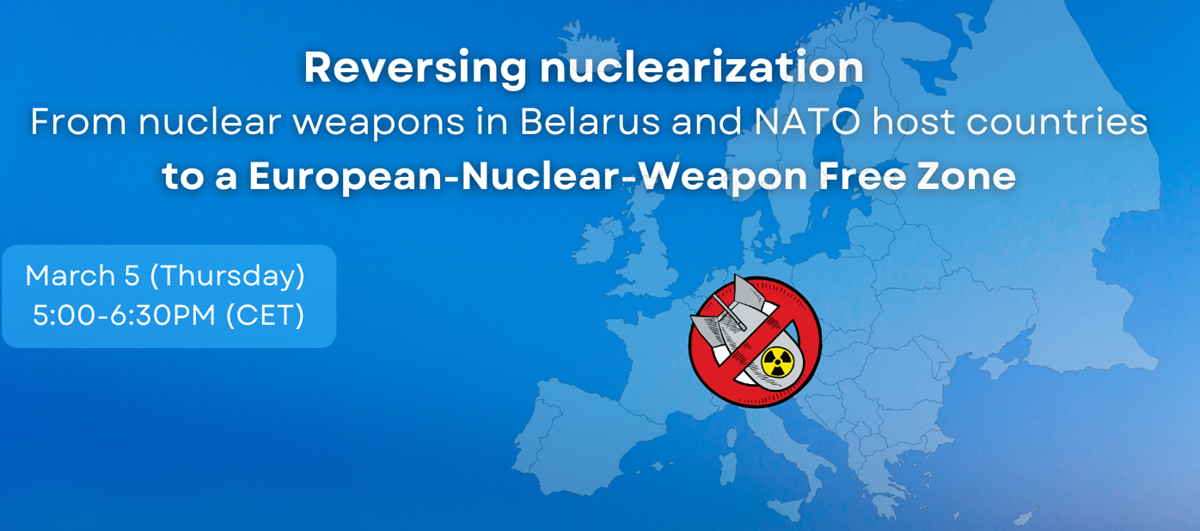
5 March -Online – Reversing nuclearization:
From nuclear weapons in Belarus and NATO host countries to a European-Nuclear-Weapon Free Zone
11am-12:30pm Eastern Time USA / 5pm-6:30pm CET

of the week – Advocating for a
nuclear free beach – https://www.samuellawrencefoundation.org/
The Samuel Lawrence Foundation advocates for a Nuclear Waste Free Beach at San Onofre, join us and take action!

10 March A LIVE WEBINAR THE REAL EFFECTS OF NUCLEAR POWER
What the Industry Isn’t Telling Us
1:00 PM Mountain, 2 pm Central, 3 pm Eastern. Live on the Keepers of the Water Facebook page

18 March Webinar @ 1 PM EST: An Assessment of SMR Projects: The Case of Canada
register for the zoom:
https://us02web.zoom.us/webinar/register/WN_o8BIIOUvQ2ONJR1nta65DQ#/registration

of the week – STOP SMALL MODULAR REACTORS IN CANADA
To see nuclear-related stories in greater depth and intensity – go to https://nuclearinformation.wordpress.com
-
Archives
- March 2026 (38)
- February 2026 (268)
- January 2026 (308)
- December 2025 (358)
- November 2025 (359)
- October 2025 (376)
- September 2025 (258)
- August 2025 (319)
- July 2025 (230)
- June 2025 (348)
- May 2025 (261)
- April 2025 (305)
-
Categories
- 1
- 1 NUCLEAR ISSUES
- business and costs
- climate change
- culture and arts
- ENERGY
- environment
- health
- history
- indigenous issues
- Legal
- marketing of nuclear
- media
- opposition to nuclear
- PERSONAL STORIES
- politics
- politics international
- Religion and ethics
- safety
- secrets,lies and civil liberties
- spinbuster
- technology
- Uranium
- wastes
- weapons and war
- Women
- 2 WORLD
- ACTION
- AFRICA
- Atrocities
- AUSTRALIA
- Christina's notes
- Christina's themes
- culture and arts
- Events
- Fuk 2022
- Fuk 2023
- Fukushima 2017
- Fukushima 2018
- fukushima 2019
- Fukushima 2020
- Fukushima 2021
- general
- global warming
- Humour (God we need it)
- Nuclear
- RARE EARTHS
- Reference
- resources – print
- Resources -audiovicual
- Weekly Newsletter
- World
- World Nuclear
- YouTube
-
RSS
Entries RSS
Comments RSS
 nuclear-news
Leave a comment