Running nuclear power plant – 45 times more costly than coal, and gas is even cheaper
while fuel costs [for nuclear power] are low, maintenance costs for enhanced
safeguards are rising.
UBS UBSN.VX -0.98% analyst Julien Dumoulin-Smith estimates fixed costs
per kilowatt of capacity at a nuclear plant are perhaps five times
those for a comparably sized coal plant.
Smaller nuclear plants, with less output over which to spread fixed
costs, suffer most.
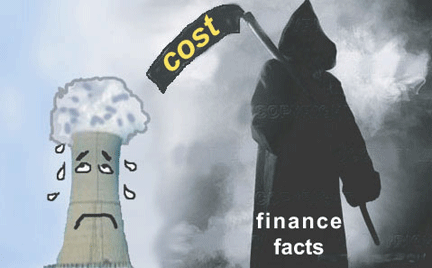
Gas Suffocates Nuclear Power
http://online.wsj.com/article/SB10001424127887323854904578263952157252768.html
Natural gas is poison for coal. But its toxicity also extends to
nuclear power. 25 Jan 13, Low gas prices have made it cheaper to run
gas-fired power plants more often and, because these plants often set
the wholesale electricity price, reduced power prices overall. Add on
tightening emissions standards, and coal plants have suffered, with
many expected to close.
But nuclear power stations haven’t escaped. Cheap electricity due to
weak gas prices hurts their profits, too. Against that, uranium is
cheap, so running costs are low. And with zero carbon emissions,
there’s no need to worry about any future greenhouse-gas caps.
But since Japan’s Fukushima disaster, regulators have become more
concerned with the other things nuclear plants can emit in an
emergency. So while fuel costs are low, maintenance costs for enhanced
safeguards are rising.
UBS UBSN.VX -0.98% analyst Julien Dumoulin-Smith estimates fixed costs
per kilowatt of capacity at a nuclear plant are perhaps five times
those for a comparably sized coal plant. As capital improvements will
mostly flow through cash flow with only a smaller portion hitting
profits, it can mean a nuclear plant that turns a nominal profit can
actually generate negative free cash flow.
Smaller nuclear plants, with less output over which to spread fixed
costs, suffer most.Dominion Resources D +0.17% already has announced
it will close its 556-megawatt Kewaunee unit in Wisconsin. The average
U.S. nuclear plant capacity is 971 megawatts. There are 20 out of 104
stations with capacity of less than 800 megawatts, according to
Department of Energy data.
The silver lining for larger nuclear plants is that if smaller
competitors close, alongside coal plants, this should tighten the
electricity market and support prices. Ultimately, though, being able
to afford the price of allaying public safety fears depends on that
ever-elusive gas-price rally.
No comments yet.
1 This Month
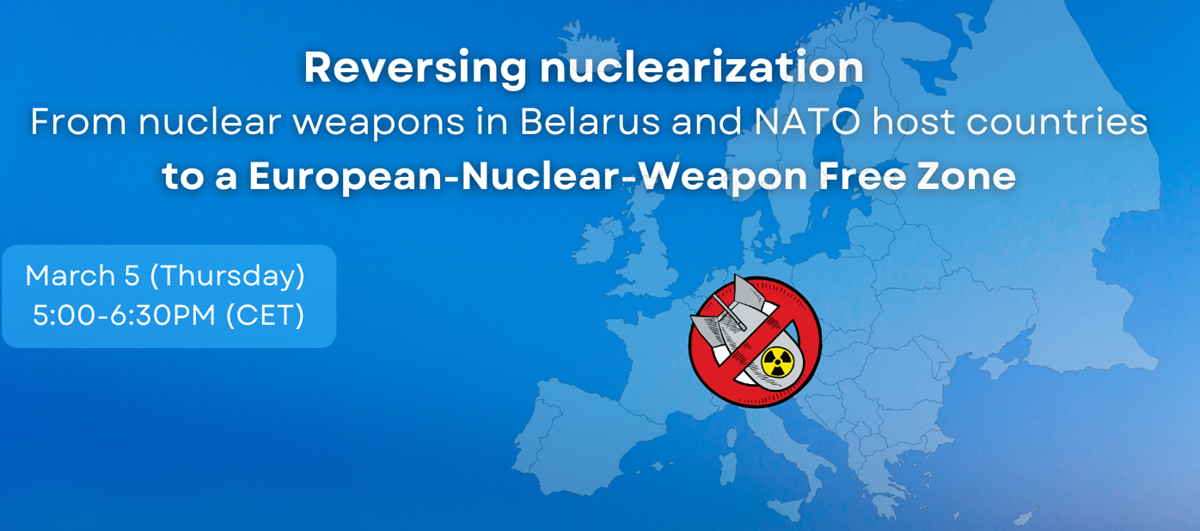
5 March -Online – Reversing nuclearization:
From nuclear weapons in Belarus and NATO host countries to a European-Nuclear-Weapon Free Zone
11am-12:30pm Eastern Time USA / 5pm-6:30pm CET

of the week – Advocating for a
nuclear free beach – https://www.samuellawrencefoundation.org/
The Samuel Lawrence Foundation advocates for a Nuclear Waste Free Beach at San Onofre, join us and take action!

10 March A LIVE WEBINAR THE REAL EFFECTS OF NUCLEAR POWER
What the Industry Isn’t Telling Us
1:00 PM Mountain, 2 pm Central, 3 pm Eastern. Live on the Keepers of the Water Facebook page

18 March Webinar @ 1 PM EST: An Assessment of SMR Projects: The Case of Canada
register for the zoom:
https://us02web.zoom.us/webinar/register/WN_o8BIIOUvQ2ONJR1nta65DQ#/registration

of the week – STOP SMALL MODULAR REACTORS IN CANADA
To see nuclear-related stories in greater depth and intensity – go to https://nuclearinformation.wordpress.com
-
Archives
- March 2026 (51)
- February 2026 (268)
- January 2026 (308)
- December 2025 (358)
- November 2025 (359)
- October 2025 (376)
- September 2025 (258)
- August 2025 (319)
- July 2025 (230)
- June 2025 (348)
- May 2025 (261)
- April 2025 (305)
-
Categories
- 1
- 1 NUCLEAR ISSUES
- business and costs
- climate change
- culture and arts
- ENERGY
- environment
- health
- history
- indigenous issues
- Legal
- marketing of nuclear
- media
- opposition to nuclear
- PERSONAL STORIES
- politics
- politics international
- Religion and ethics
- safety
- secrets,lies and civil liberties
- spinbuster
- technology
- Uranium
- wastes
- weapons and war
- Women
- 2 WORLD
- ACTION
- AFRICA
- Atrocities
- AUSTRALIA
- Christina's notes
- Christina's themes
- culture and arts
- Events
- Fuk 2022
- Fuk 2023
- Fukushima 2017
- Fukushima 2018
- fukushima 2019
- Fukushima 2020
- Fukushima 2021
- general
- global warming
- Humour (God we need it)
- Nuclear
- RARE EARTHS
- Reference
- resources – print
- Resources -audiovicual
- Weekly Newsletter
- World
- World Nuclear
- YouTube
-
RSS
Entries RSS
Comments RSS
 nuclear-news
Leave a comment