Contamination of seafoods, following nuclear and oil spill disasters
Frankenfish Surface in Japan and the Gulf of Mexico Years following some of the world’s worst environmental disasters, marine life remains contaminated, Energy Digital 25 Jan 13, Two years after the catastrophic Fukushima nuclear plant meltdown in Japan, fish with 2,500 times the legal limit for radiation in seafood are turning up near the plant.
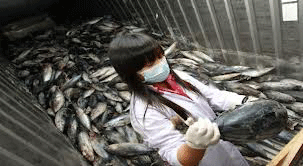 Since the incident, fishing around Fukushima has been banned, along with beef, milk, mushrooms and vegetables produced in surrounding areas. The sale of certain kinds of seafood and produce have resumed, while scientists continue to monitor the spread and impact of radiation from the disaster.
Marine chemist Ken Buesseler, leading the research from the US-based Woods Hole Institution, has warned that Fukushima fish “may be inedible for a decade,” according to the Guardian. They found “elevated levels” of radiation in the marine environment, and cited that 40 percent of the fish caught near the nuclear plant were contaminated with radioactive caesium above government safety limits.
Related Story: Radioactive Japanese Tuna Found off California Coast
Meanwhile, in the US, the debate continues over the safety of seafood from the Gulf of Mexico nearly three years after BP’s offshore rig exploded, dumping some 4.9 million barrels of oil into the ocean. Not to mention the two million gallons of dispersants used to clean up the spill that were up to 52-times more toxic than the oil itself. Read More in Energy Digital’s December/January Issue http://www.energydigital.com/oil_gas/frankenfish-surface-in-japan-and-the-gulf-of-mexico
No comments yet.
1 This Month

of the week – Shut Down Drone Warfare!


Tell the Ukrainian Government to Drop Prosecution of Peace Activist Yurii Sheliazhenko

Petition to revoke the licensing of the Near Surface Nuclear Disposal Facility (NSDF) at Chalk River. https://www.ourcommons.ca/petitions/en/Petition/Details?Petition=e-7247
To see nuclear-related stories in greater depth and intensity – go to https://nuclearinformation.wordpress.com
-
Archives
- March 2026 (237)
- February 2026 (268)
- January 2026 (308)
- December 2025 (358)
- November 2025 (359)
- October 2025 (376)
- September 2025 (257)
- August 2025 (319)
- July 2025 (230)
- June 2025 (348)
- May 2025 (261)
- April 2025 (305)
-
Categories
- 1
- 1 NUCLEAR ISSUES
- business and costs
- climate change
- culture and arts
- ENERGY
- environment
- health
- history
- indigenous issues
- Legal
- marketing of nuclear
- media
- opposition to nuclear
- PERSONAL STORIES
- politics
- politics international
- Religion and ethics
- safety
- secrets,lies and civil liberties
- spinbuster
- technology
- Uranium
- wastes
- weapons and war
- Women
- 2 WORLD
- ACTION
- AFRICA
- Atrocities
- AUSTRALIA
- Christina's notes
- Christina's themes
- culture and arts
- Events
- Fuk 2022
- Fuk 2023
- Fukushima 2017
- Fukushima 2018
- fukushima 2019
- Fukushima 2020
- Fukushima 2021
- general
- global warming
- Humour (God we need it)
- Nuclear
- RARE EARTHS
- Reference
- resources – print
- Resources -audiovicual
- Weekly Newsletter
- World
- World Nuclear
- YouTube
-
RSS
Entries RSS
Comments RSS
 nuclear-news
Leave a comment