Bahrain backs away from nuclear energy
“The price of nuclear energy is going up and at the same time the price of renewable energy is going down.”
“It makes more sense to move towards solar or wind energy,”
 Bahrain postpones nuclear energy plans http://www.tradearabia.com/news/OGN_224008.html Manama,18 Oct 12 Bahrain has postponed its plans to adopt nuclear energy as a source of power by 2017, according to sources familiar with the matter.
Former Electricity and Water Affairs Minister Fahmi Al Jowder had
earlier announced that experts were being brought in to study the move
and set up facilities in conjunction with other Gulf countries.
But speaking on the sidelines of the three-day Renewable Energy Forum
at the Regency InterContinental Bahrain yesterday, sources confirmed
the proposals had been sidelined.
“That project will not happen by 2017,” they said.
The news emerged as scientists, engineers and industry specialists
agreed Bahrain would be unable to host a nuclear power plant, during a
session entitled ‘Renewable or Nuclear Energy.’
Hundreds of scientists, high-ranking government officials and leading
businessmen and women from around the world have gathered to help
Bahrain draft a practical strategy for going green.
They will discuss the technical and legal aspects of renewable energy
and ways to develop a strategy for Bahrain, as the event concludes
today.
Keynote speaker German University of Flensburg director of energy and
environmental management in developing countries Dr August Schlapfer
was sceptical about whether Bahrain could adopt nuclear power.
“When people say nuclear power is clean, it is true – if you look at a
ready built and running plant. But when you look at a nuclear power
plant you have to know that the facility itself, and the mining that
happens to supply the radioactive material, have a huge footprint,” he
said.
“A more pressing issue is that Bahrain is a very small nation and
space for a nuclear power plant is doubtful. These facilities need to
be as far away from major populations as possible. So I don’t know if
the people of Bahrain would like to have a nuclear facility close to
where they stay.”
“Safety is always a concern. Although the risk of a catastrophic
failure is minimal, it has dire consequences – for example, look at
the Japanese power station.”
Dr Schlapfer said Bahrain’s lack of expertise in the field and
resources would hinder any plans to adopt nuclear energy. He also
questioned the cost-efficiency of the plan.
“The price of the facilities itself are not stable. For example, the
Okiluto facility was first priced at $4 billion but the actual cost
came out to be about $7 billion. So there is a huge cost associated
with the start-up, not to mention the fact that it takes around 15
years for a facility to be built,” he said.
“The price of nuclear energy is going up and at the same time the
price of renewable energy is going down.”
“It makes more sense to move towards solar or wind energy,” he added.
Many delegates also raised the issue of ethical obligation of nuclear
waste disposal. – TradeArabia News Service
No comments yet.
1 This Month
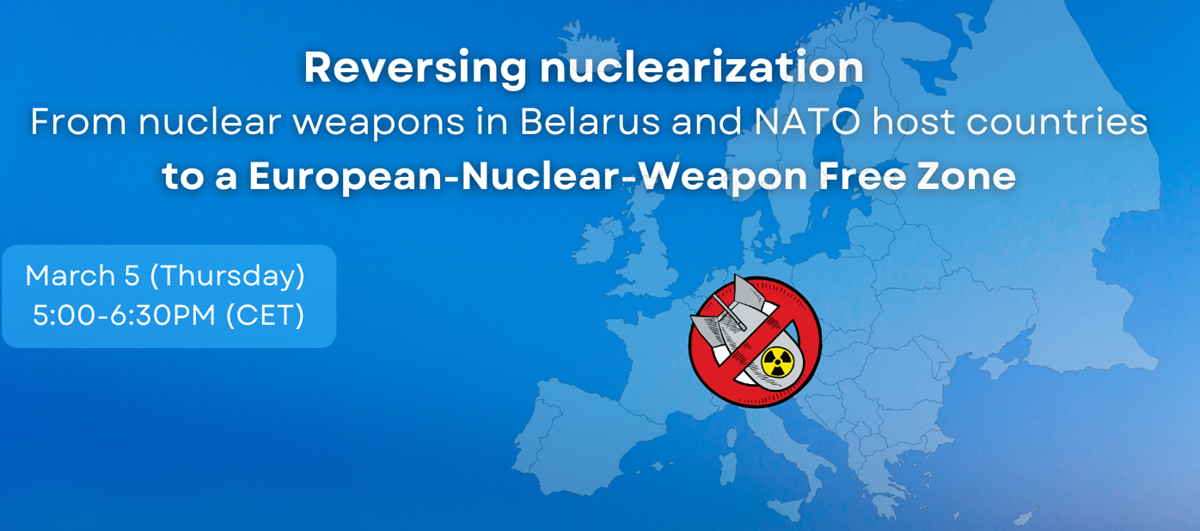
5 March -Online – Reversing nuclearization:
From nuclear weapons in Belarus and NATO host countries to a European-Nuclear-Weapon Free Zone
11am-12:30pm Eastern Time USA / 5pm-6:30pm CET

of the week – Advocating for a
nuclear free beach – https://www.samuellawrencefoundation.org/
The Samuel Lawrence Foundation advocates for a Nuclear Waste Free Beach at San Onofre, join us and take action!
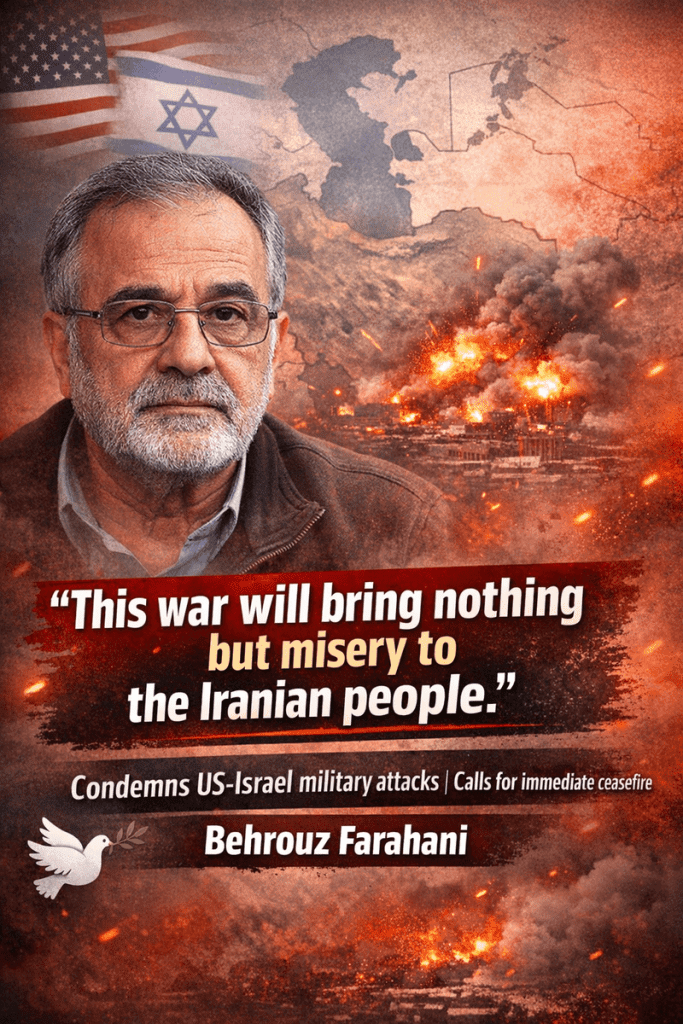
10 March A LIVE WEBINAR THE REAL EFFECTS OF NUCLEAR POWER
What the Industry Isn’t Telling Us
1:00 PM Mountain, 2 pm Central, 3 pm Eastern. Live on the Keepers of the Water Facebook page

18 March Webinar @ 1 PM EST: An Assessment of SMR Projects: The Case of Canada
register for the zoom:
https://us02web.zoom.us/webinar/register/WN_o8BIIOUvQ2ONJR1nta65DQ#/registration

of the week – STOP SMALL MODULAR REACTORS IN CANADA
To see nuclear-related stories in greater depth and intensity – go to https://nuclearinformation.wordpress.com
-
Archives
- March 2026 (51)
- February 2026 (268)
- January 2026 (308)
- December 2025 (358)
- November 2025 (359)
- October 2025 (376)
- September 2025 (258)
- August 2025 (319)
- July 2025 (230)
- June 2025 (348)
- May 2025 (261)
- April 2025 (305)
-
Categories
- 1
- 1 NUCLEAR ISSUES
- business and costs
- climate change
- culture and arts
- ENERGY
- environment
- health
- history
- indigenous issues
- Legal
- marketing of nuclear
- media
- opposition to nuclear
- PERSONAL STORIES
- politics
- politics international
- Religion and ethics
- safety
- secrets,lies and civil liberties
- spinbuster
- technology
- Uranium
- wastes
- weapons and war
- Women
- 2 WORLD
- ACTION
- AFRICA
- Atrocities
- AUSTRALIA
- Christina's notes
- Christina's themes
- culture and arts
- Events
- Fuk 2022
- Fuk 2023
- Fukushima 2017
- Fukushima 2018
- fukushima 2019
- Fukushima 2020
- Fukushima 2021
- general
- global warming
- Humour (God we need it)
- Nuclear
- RARE EARTHS
- Reference
- resources – print
- Resources -audiovicual
- Weekly Newsletter
- World
- World Nuclear
- YouTube
-
RSS
Entries RSS
Comments RSS
 nuclear-news
Leave a comment