Europe’s problems with differences in nuclear regulators
Nuclear Power Puts European Integration to the Test — Again Bloomberg By David Henry Oct 8, 2012 If European Union authorities in Brussels didn’t have enough to do trying to prop up a monetary system built on sand, now they are faced with another challenge to the integration process that may again reveal their weakness on issues that matter: nuclear power.
Last week, results of stress tests on the safety of 145 nuclear reactors in the EU found that as much as 25 billion euros ($32.4 billion) needs to be spent to retrofit and upgrade existing power plants to conform to international standards. But the security shortcomings identified by the report — which assessed scenarios such as earthquakes, flooding, terrorism and plane crashes around nuclear sites — were mostly already known to national regulators. More than anything, the report and its recommendations highlight the EU’s lack of authority over member states .
Fourteen of the EU’s 27 countries have nuclear reactors and all member states have their own regulators, which are responsible for implementing their own plans for nuclear safety. As Thomas Exner wrote in Germany ‘s Die Welt newspaper, “Brussels, which regulates the banalities of everyday life to a ridiculous degree, has no jurisdiction over the existential pan-European questions that are nuclear safety and the storage of nuclear waste.”
There is little agreement among members on nuclear issues. While the Finns and French are building new reactors, the Spanish have banned their construction, the Belgians are thinking about doing the same, the Italians have cancelled plans to revive nuclear power (which they haven’t had since 1990), and the British may have to scale back their plans after two companies pulled out of projects to build new plants and Scotland voted against hosting new nuclear facilities on its soil. The region’s two linchpins — France and Germany — have added nuclear power to their list of disagreements. The French rely on 58 nuclear reactors to produce more than three-fourths of their electricity, while the Germans plan to phase out nuclear power by 2022. Philippe Ricard of France’s Le Monde newspaper reported last week that “Paris is wary of any attempt by the European Union to centralize the regulation of the nuclear sector.”
No comments yet.
1 This Month
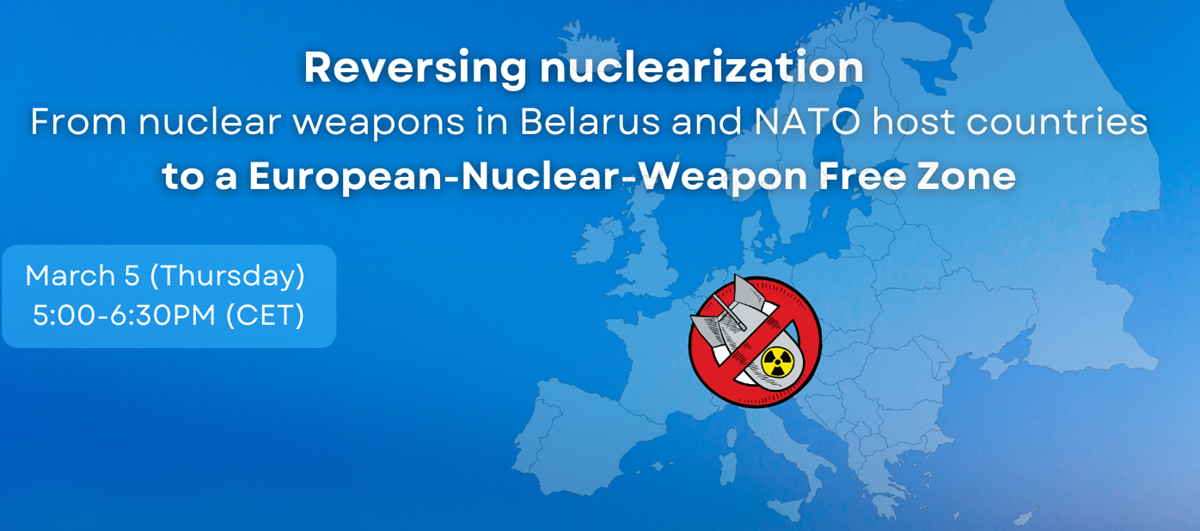
5 March -Online – Reversing nuclearization:
From nuclear weapons in Belarus and NATO host countries to a European-Nuclear-Weapon Free Zone
11am-12:30pm Eastern Time USA / 5pm-6:30pm CET

of the week – Advocating for a
nuclear free beach – https://www.samuellawrencefoundation.org/
The Samuel Lawrence Foundation advocates for a Nuclear Waste Free Beach at San Onofre, join us and take action!
10 March A LIVE WEBINAR THE REAL EFFECTS OF NUCLEAR POWER
What the Industry Isn’t Telling Us
1:00 PM Mountain, 2 pm Central, 3 pm Eastern. Live on the Keepers of the Water Facebook page

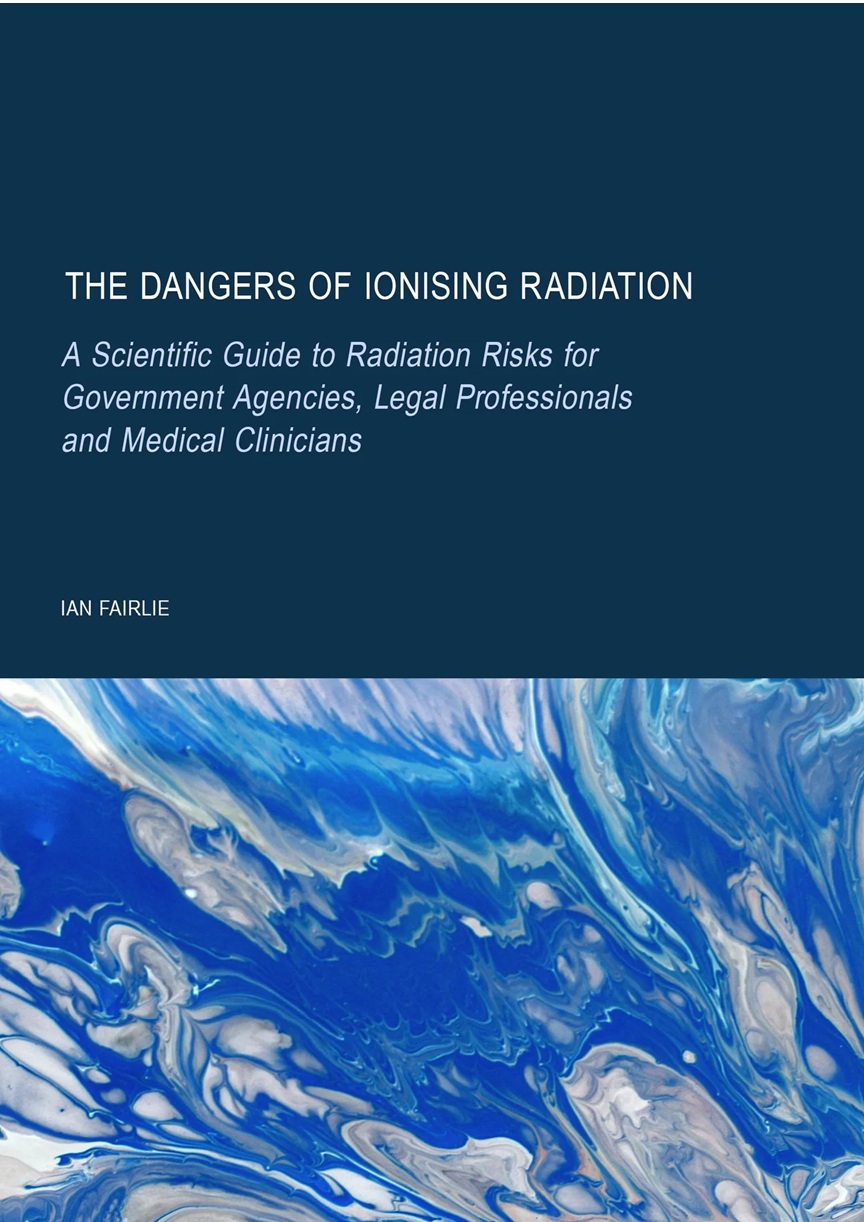
18 March Webinar @ 1 PM EST: An Assessment of SMR Projects: The Case of Canada
register for the zoom:
https://us02web.zoom.us/webinar/register/WN_o8BIIOUvQ2ONJR1nta65DQ#/registration

of the week – STOP SMALL MODULAR REACTORS IN CANADA
To see nuclear-related stories in greater depth and intensity – go to https://nuclearinformation.wordpress.com
-
Archives
- March 2026 (51)
- February 2026 (268)
- January 2026 (308)
- December 2025 (358)
- November 2025 (359)
- October 2025 (376)
- September 2025 (258)
- August 2025 (319)
- July 2025 (230)
- June 2025 (348)
- May 2025 (261)
- April 2025 (305)
-
Categories
- 1
- 1 NUCLEAR ISSUES
- business and costs
- climate change
- culture and arts
- ENERGY
- environment
- health
- history
- indigenous issues
- Legal
- marketing of nuclear
- media
- opposition to nuclear
- PERSONAL STORIES
- politics
- politics international
- Religion and ethics
- safety
- secrets,lies and civil liberties
- spinbuster
- technology
- Uranium
- wastes
- weapons and war
- Women
- 2 WORLD
- ACTION
- AFRICA
- Atrocities
- AUSTRALIA
- Christina's notes
- Christina's themes
- culture and arts
- Events
- Fuk 2022
- Fuk 2023
- Fukushima 2017
- Fukushima 2018
- fukushima 2019
- Fukushima 2020
- Fukushima 2021
- general
- global warming
- Humour (God we need it)
- Nuclear
- RARE EARTHS
- Reference
- resources – print
- Resources -audiovicual
- Weekly Newsletter
- World
- World Nuclear
- YouTube
-
RSS
Entries RSS
Comments RSS
 nuclear-news
Leave a comment