Uranium not a wise investment
 the message remains that Japan is moving away from nuclear power in a big way.
Japan’s decision can only be described as a huge one with major effects on commodities markets….. [Japan’s] loss will negatively affect demand for uranium
That may mean more years of grief for long-suffering Cameco shareholders.
investors would be smart to invest in the companies benefiting from the change, rather than hoping that somehow nuclear power makes a big comeback.
Japan Says Sayonara to Nuclear Power The Motley Fool, By Tony Daltorio – September 24, 2012 It is 18 months since the disaster at the Fukushima nuclear power plant, and finally, the Japanese government has made a decision about the future of nuclear power in the country. The government has stated that it will phase out nuclear power entirely by 2040. This would make Japan the second major country, after Germany, to announce such a withdrawal from nuclear power.
Prior to the Fukushina disaster, nuclear power supplied about 30% of
the country’s electricity needs, and the government’s previous plans
had called for nuclear power to supply as much as 50% of the country’s
needs by 2030.
There are still some doubts whether Japan will be 100% free of nuclear
power by 2040. After all, one of the reactors affected by the shutdown
will not even come online until the early 2020s. It is unlikely Japan
would close such an expensive and relatively new asset so soon.
Nevertheless, the message remains that Japan is moving away from
nuclear power in a big way.
Japan’s decision can only be described as a huge one with major
effects on commodities markets. Japan is the world’s third-largest
nuclear power generator, so its loss will negatively affect demand for
uranium while at the same time affecting demand for oil, thermal coal,
and especially liquefied natural gas (LNG) on the upside. Japan is
currently the world’s third-biggest importer of crude oil, tied with
China as the largest importer of thermal coal and, by far, is the
biggest importer of LNG.
apan’s decision is also not good news for companies involved in
building nuclear power plants and generators. This is especially true
for Japanese companies such as Toshiba, Mitsuibishi Heavy Industries,
and Hitachi (NASDAQOTH: HTHIY.PK ) which are among the world’s leading
builders of nuclear plants. Hitachi will be the least affected here,
however, and it may even benefit from the phaseout. About 60% of its
energy business comes from thermal power equipment, and another 20%
comes from transmission gear and renewables. Only 20% of its energy
business is nuclear-related. So Hitachi may be an interesting
investment play.
Uranium supplies may decline in years ahead as high-cost producers are
forced out. Some of these properties are being bought by firms like
Cameco which recently acquired the Yeelirrie uranium project in
western Australia. The decision by Germany and Japan does not bode
well for the industry as even energy-hungry emerging markets are
having second thoughts about moving into nuclear power in any major
way. That may mean more years of grief for long-suffering Cameco
shareholders.
It also is not good news for holders in two nuclear exchange-traded
funds (ETFs) – the Market Vectors Nuclear Energy ETF (NYSEMKT: NLR )
and the PowerShares Global Nuclear Energy Portfolio (NYSEMKT: PKN ).
Both ETFs have a good percentage of their portfolio in Japan: 28% and
20%, respectively. Additionally, both have a high percentage of basic
materials stocks (mainly uranium) in the portfolio, too – 28% and 18%,
respectively.
Other Japanese companies besides Hitachi that benefit from the
country’s move away from nuclear power include the big trading houses
– Sumitomo, Marubeni, Mitsui, and Mitsubishi Corporation (NASDAQOTH:
MSBHY.PK ). All of these firms have moved into energy in a big way,
including shale oil and natural gas in the United States and LNG from
around the world. At Mitsuibishi, for instance, net income from energy
accounted for more than of the total of $1.25 billion , from just over
a quarter of income a year ago.
With a bigger role for LNG and other power sources in the future of
Japan — at the expense of nuclear power — investors would be smart
to invest in the companies benefiting from the change, rather than
hoping that somehow nuclear power makes a big comeback.
http://beta.fool.com/tdalmoe/2012/09/24/japan-says-sayonara-nuclear-power/12651/
No comments yet.
1 This Month
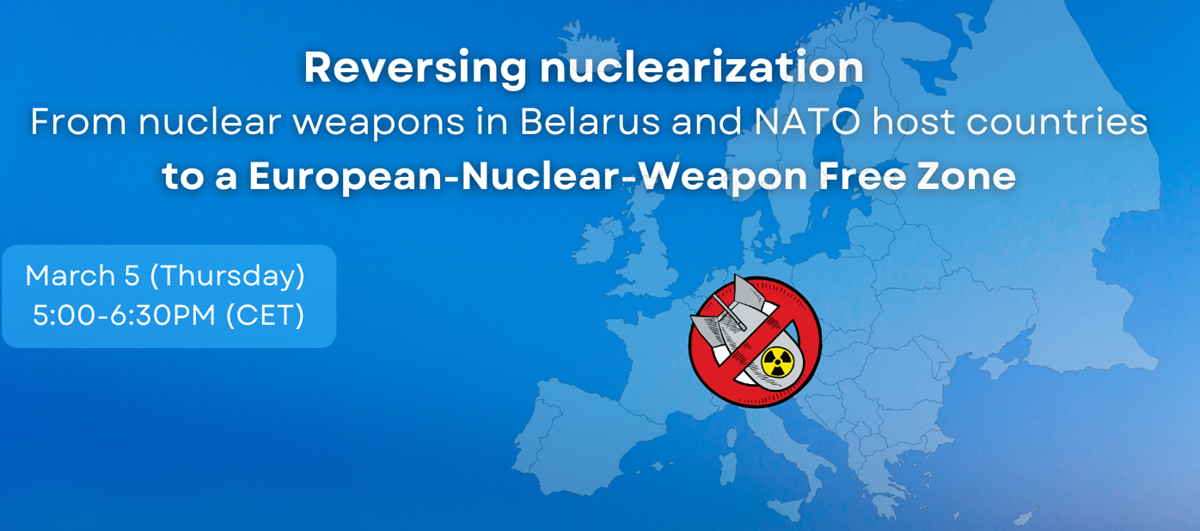
5 March -Online – Reversing nuclearization:
From nuclear weapons in Belarus and NATO host countries to a European-Nuclear-Weapon Free Zone
11am-12:30pm Eastern Time USA / 5pm-6:30pm CET

of the week – Advocating for a
nuclear free beach – https://www.samuellawrencefoundation.org/
The Samuel Lawrence Foundation advocates for a Nuclear Waste Free Beach at San Onofre, join us and take action!

10 March A LIVE WEBINAR THE REAL EFFECTS OF NUCLEAR POWER
What the Industry Isn’t Telling Us
1:00 PM Mountain, 2 pm Central, 3 pm Eastern. Live on the Keepers of the Water Facebook page

18 March Webinar @ 1 PM EST: An Assessment of SMR Projects: The Case of Canada
register for the zoom:
https://us02web.zoom.us/webinar/register/WN_o8BIIOUvQ2ONJR1nta65DQ#/registration

of the week – STOP SMALL MODULAR REACTORS IN CANADA
To see nuclear-related stories in greater depth and intensity – go to https://nuclearinformation.wordpress.com
-
Archives
- March 2026 (38)
- February 2026 (268)
- January 2026 (308)
- December 2025 (358)
- November 2025 (359)
- October 2025 (376)
- September 2025 (258)
- August 2025 (319)
- July 2025 (230)
- June 2025 (348)
- May 2025 (261)
- April 2025 (305)
-
Categories
- 1
- 1 NUCLEAR ISSUES
- business and costs
- climate change
- culture and arts
- ENERGY
- environment
- health
- history
- indigenous issues
- Legal
- marketing of nuclear
- media
- opposition to nuclear
- PERSONAL STORIES
- politics
- politics international
- Religion and ethics
- safety
- secrets,lies and civil liberties
- spinbuster
- technology
- Uranium
- wastes
- weapons and war
- Women
- 2 WORLD
- ACTION
- AFRICA
- Atrocities
- AUSTRALIA
- Christina's notes
- Christina's themes
- culture and arts
- Events
- Fuk 2022
- Fuk 2023
- Fukushima 2017
- Fukushima 2018
- fukushima 2019
- Fukushima 2020
- Fukushima 2021
- general
- global warming
- Humour (God we need it)
- Nuclear
- RARE EARTHS
- Reference
- resources – print
- Resources -audiovicual
- Weekly Newsletter
- World
- World Nuclear
- YouTube
-
RSS
Entries RSS
Comments RSS
 nuclear-news
Leave a comment