Nuclear power growing more unpopular – several global polls show
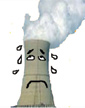
 Nuclear power ‘gets little public support worldwide’, By Richard Black, Environment correspondent, BBC News, 26 Nov 11 There is little public appetite across the world for building new nuclear reactors, a poll for the BBC indicates.
In countries with nuclear programmes, people are significantly more opposed than they were in 2005, with only the UK and US bucking the trend. Most believe that boosting efficiency and renewables can meet their needs.
Just 22% agreed that “nuclear power is relatively safe and an important source of electricity, and we should build more nuclear power plants”. In contrast, 71% thought their country “could almost entirely replace coal and nuclear energy within 20 years by becoming highly energy-efficient and focusing on generating energy from the Sun and wind”. Globally, 39% want to continue using existing reactors without building new ones, while 30% would like to shut everything down now.
The global research agency GlobeScan, commissioned by BBC News, polled 23,231 people in 23 countries from July to September this year, several months after an earthquake and giant tsunami devastated Japan’s Fukushima Daiichi power station.
Rising tide GlobeScan had previously polled eight countries with nuclear programmes, in 2005. In most of them, opposition to building new reactors has risen markedly since. In Germany it is up from 73% in 2005 to 90% now – which is reflected in the government’s recent decision to close its nuclear programme.
More intriguingly, it also rose in pro-nuclear France (66% to 83%) and Russia (61% to 83%)…..
The BBC/GlobeScan poll is broadly consistent with other global polls as well. In June, both Ipsos-Mori and the JapaneseAsahi Shimbun newspaper found drops in support for the technology in most countries, with support continuing in a number including the US. The Ipsos-Mori poll found that nuclear enjoyed the lowest support of any established technology for generating electricity, with 38%.
Coal fared not much better, at 48%, while solar, wind and hydro all found favour with more than 90% of those surveyed.
“That renewable energy combined with efficiency can replace coal and nuclear is not only a majority popular belief, but a fact supported by a growing number of authoritative reports,” commented Jan Beranek, who leads the energy team in Greenpeace International. “Nuclear power is a relatively tiny industry with huge economic, technical, safety, environmental, and political problems. “And the Fukushima accident reminded the world that all reactors have inherent risks.”…..http://www.bbc.co.uk/news/science-environment-15864806
No comments yet.
1 This Month


10 March A LIVE WEBINAR THE REAL EFFECTS OF NUCLEAR POWER
What the Industry Isn’t Telling Us
1:00 PM Mountain, 2 pm Central, 3 pm Eastern. Live on the Keepers of the Water Facebook page


18 March Webinar @ 1 PM EST: An Assessment of SMR Projects: The Case of Canada
register for the zoom:
https://us02web.zoom.us/webinar/register/WN_o8BIIOUvQ2ONJR1nta65DQ#/registration


of the week – STOP SMALL MODULAR REACTORS IN CANADA
To see nuclear-related stories in greater depth and intensity – go to https://nuclearinformation.wordpress.com
-
Archives
- March 2026 (76)
- February 2026 (268)
- January 2026 (308)
- December 2025 (358)
- November 2025 (359)
- October 2025 (376)
- September 2025 (258)
- August 2025 (319)
- July 2025 (230)
- June 2025 (348)
- May 2025 (261)
- April 2025 (305)
-
Categories
- 1
- 1 NUCLEAR ISSUES
- business and costs
- climate change
- culture and arts
- ENERGY
- environment
- health
- history
- indigenous issues
- Legal
- marketing of nuclear
- media
- opposition to nuclear
- PERSONAL STORIES
- politics
- politics international
- Religion and ethics
- safety
- secrets,lies and civil liberties
- spinbuster
- technology
- Uranium
- wastes
- weapons and war
- Women
- 2 WORLD
- ACTION
- AFRICA
- Atrocities
- AUSTRALIA
- Christina's notes
- Christina's themes
- culture and arts
- Events
- Fuk 2022
- Fuk 2023
- Fukushima 2017
- Fukushima 2018
- fukushima 2019
- Fukushima 2020
- Fukushima 2021
- general
- global warming
- Humour (God we need it)
- Nuclear
- RARE EARTHS
- Reference
- resources – print
- Resources -audiovicual
- Weekly Newsletter
- World
- World Nuclear
- YouTube
-
RSS
Entries RSS
Comments RSS
 nuclear-news
Leave a comment