Caution needed with dental x-raying
 there’s no such thing as a completely safe exposure, and radiation is cumulative over your lifetime. Children are particularly vulnerable,
Are dental X-rays dangerous?, CNN Health, By Elizabeth Cohen, Senior Medical Correspondent, September 15, 2011 “……..Worries about children, thyroid cancer Like many medical procedures, dental X-rays have an upside and a downside. The upside is that an X-ray allows your dentist to see bones, tissue, and hidden surfaces of your teeth that he or she can’t see with the naked eye.
The downside is that X-rays expose you to radiation. Four bitewing X-rays, which is what many people get in a routine exam, give about .005 millisieverts of radiation, according to the American College of Radiology. That’s about the same amount of radiation you get in a normal day from the sun and other sources. A panoramic dental X-ray, which goes around your head, has about twice that amount of radiation.
While those are small amounts of radiation, there’s no such thing as a completely safe exposure, and radiation is cumulative over your lifetime. Children are particularly vulnerable, since they’re small and their cells are dividing rapidly. The thyroid gland, which gets zapped in a dental X-ray unless it’s shielded, is also quite vulnerable to radiation.
“My brother-in-law is a radiologist, and he’s told me that radiation is radiation, and if it’s not necessary, don’t do it,” O’Brien says.
Many dentists not following guidelines, The question, of course, is what’s necessary? According toguidelines written by the American Dental Association and the Food and Drug Administration, dentists should evaluate each patient. Some people with a lot of problems or who are at high risk for cavities may need frequent X-rays.
But for patients who are not having problems, the need is less frequent. The guidelines say children who are not at a high risk for cavities should get X-rays once every one to two years; teens who are not at high risk should get them every year and a half to three years; and adults who aren’t at high risk should get them every two to three years….
http://www.cnn.com/2011/09/15/health/living-well/dental-x-rays/?hpt=he_c1
No comments yet.
1 This Month
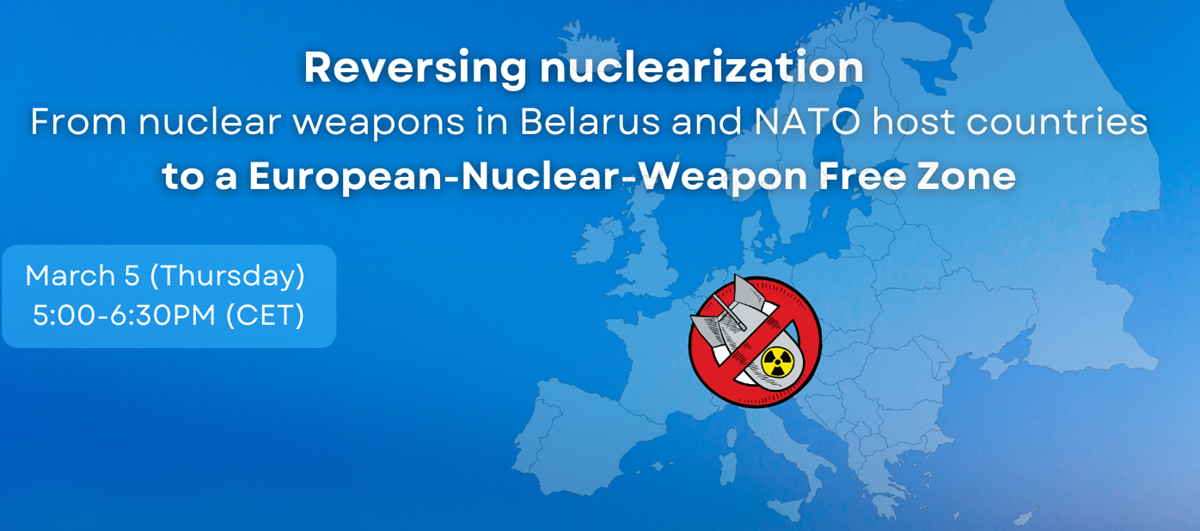
5 March -Online – Reversing nuclearization:
From nuclear weapons in Belarus and NATO host countries to a European-Nuclear-Weapon Free Zone
11am-12:30pm Eastern Time USA / 5pm-6:30pm CET

of the week – Advocating for a
nuclear free beach – https://www.samuellawrencefoundation.org/
The Samuel Lawrence Foundation advocates for a Nuclear Waste Free Beach at San Onofre, join us and take action!

10 March A LIVE WEBINAR THE REAL EFFECTS OF NUCLEAR POWER
What the Industry Isn’t Telling Us
1:00 PM Mountain, 2 pm Central, 3 pm Eastern. Live on the Keepers of the Water Facebook page

18 March Webinar @ 1 PM EST: An Assessment of SMR Projects: The Case of Canada
register for the zoom:
https://us02web.zoom.us/webinar/register/WN_o8BIIOUvQ2ONJR1nta65DQ#/registration

of the week – STOP SMALL MODULAR REACTORS IN CANADA
To see nuclear-related stories in greater depth and intensity – go to https://nuclearinformation.wordpress.com
-
Archives
- March 2026 (38)
- February 2026 (268)
- January 2026 (308)
- December 2025 (358)
- November 2025 (359)
- October 2025 (376)
- September 2025 (258)
- August 2025 (319)
- July 2025 (230)
- June 2025 (348)
- May 2025 (261)
- April 2025 (305)
-
Categories
- 1
- 1 NUCLEAR ISSUES
- business and costs
- climate change
- culture and arts
- ENERGY
- environment
- health
- history
- indigenous issues
- Legal
- marketing of nuclear
- media
- opposition to nuclear
- PERSONAL STORIES
- politics
- politics international
- Religion and ethics
- safety
- secrets,lies and civil liberties
- spinbuster
- technology
- Uranium
- wastes
- weapons and war
- Women
- 2 WORLD
- ACTION
- AFRICA
- Atrocities
- AUSTRALIA
- Christina's notes
- Christina's themes
- culture and arts
- Events
- Fuk 2022
- Fuk 2023
- Fukushima 2017
- Fukushima 2018
- fukushima 2019
- Fukushima 2020
- Fukushima 2021
- general
- global warming
- Humour (God we need it)
- Nuclear
- RARE EARTHS
- Reference
- resources – print
- Resources -audiovicual
- Weekly Newsletter
- World
- World Nuclear
- YouTube
-
RSS
Entries RSS
Comments RSS
 nuclear-news
Leave a comment