Nuclear lobby is NOT winning its global battle for hearts and minds
the glue that has so long bound the French population to its unwavering belief in the virtues of atomic energy has begun to come unstuck. Even the country’s nuclear security authorities concede that there is no way of ruling out a serious accident at home…..
New power plants are unprofitable Even if reactors were 100 percent safe, experts have long warned of the economic risks they pose.
Fukushima spoils world appetite for nuclear power, Deutsche Welle, : Gero Ruter, 15 Sept 2011, In the six months since the Fukushima disaster, a global survey has detected mounting opposition to nuclear energy, especially in Asia. Yet Germany remains the only country to abandon the technology to date.
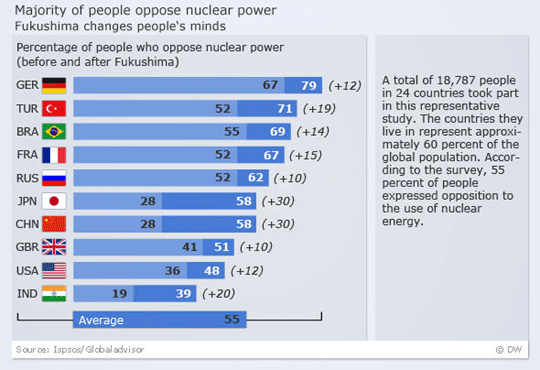
Several months after the nuclear disaster in Japan, market research company Ipsos asked citizens in 24 countries how they feel about atomic energy. Continue reading
France’s campaign to win public over to nuclear power
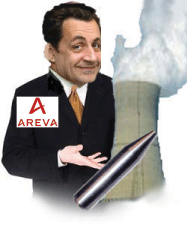 state-controlled Electricite de France SA, the world’s biggest reactor operator, is stepping up a campaign to make the French better appreciate nuclear power……..
“French public opinion after Fukushima has become increasingly anti-nuclear,” …EDF’s efforts to reassure the French public
Just last year, there were 1,107 incidents at French nuclear plants, with 143 requiring public notification,
France Opens Doors to Nuclear Sites to Woo Public Post-Fukushima, By Tara Patel, Sept. 16 (Bloomberg) Every year at a weekend-long “heritage” event, France throws open doors to centuries-old castles and monuments. This year, for the first time, the list will include an unusual entry: nuclear plants. Continue reading
“Industrial accident” is the new wobbly word for “nuclear accident”
 In a frantic attempt to decontaminate its reputation, EdF announced the explosion was ‘an industrial accident, not a nuclear accident’Does EdF, like us, think ‘nuclear’ is a dirty word? Edf’s distinction that doesn’t make sense when you consider the explosion occurred at a furnace used to burn low-level nuclear waste in a facility that also processes high-level nuclear waste. Could it be that EdF worries more about its reputation than the people it employs?
 Explosion at Marcoule: nuclear industry spin hits overdrive, Greenpeace, by Justin McKeating – September 14, 2011 The first and most important thing to remember about Monday’s explosion at the Marcoule nuclear facility in southern France is that one man was tragically killed and four others were injured. Our condolences and thoughts are with their family and friends.
With this mind, the haste with which the French nuclear companies EdF and AREVA rushed out their spin in the first hours after the accident appears all the more unseemly. Continue reading
Climate Change: US politicians bought by fossil fuel industries
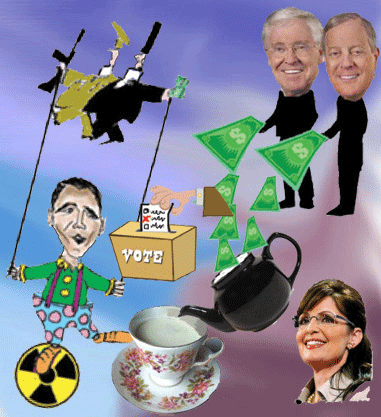 Al Gore: Climate Science “Reality”
 Versus Republicans, Planet Ark, 15-Sep-11 Deborah Zabarenko For Al Gore, the choice is obvious: Either accept scientific reality about climate change or believe what the fossil fuel industry is paying some Republican candidates to say.
“Anti-climate lobbyists … give massive campaign contributions and they’re not shy about making it clear to the candidates they support that there’s a quid pro quo. In return for getting their money, these candidates have to pretend that they really believe this nonsense,” the longtime climate change campaigner said on Wednesday in a telephone interview.
Asked whether Republican candidates who have accepted contributions from fossil fuel industries are compelled to toe the skeptical line on climate change, Gore replied: “That is absolutely the case.” Continue reading
Japan’s nuclear crisis making young Japanese more thoughtful
 young people in Japan have significantly shifted their focus from material gain to altruism….
Previously, the key purpose for finding a career had been to earn money …..respondents said that their views had also changed about nuclear power
Nuclear incidents cause shift in values among young Japanese, Inside Japan Tours, 15th September 2011 A new survey reveals that the earthquake and nuclear disaster that beset Japan earlier this year has led to a shift in attitudes among the country’s young citizens. Continue reading
Low demand for uranium: AREVA limits production
 Areva suspends some uranium production after Japan quake Google News, 16 Sept 11, PARIS — French nuclear giant Areva is suspending uranium production at two plants because of low demand from Japanese power stations in the wake of the Fukushima disaster, a spokeswoman said Thursday. Continue reading
 Big conference on financing renewable energy
 Leaders of Renewable Energy Sector Convene for Fourth Annual REFF-West Conference Event Features Google’s Rick Needham, Project Director of Green Business Operations & Strategy Finance, and Top Sources of Capital for Clean Energy Projects Market Watch, SAN FRANCISCO, September 14, 2011 /PRNewswire via COMTEX/ –– The top financiers of renewable energy in the U.S. will once again be gathering at the fourth annual Renewable Energy Finance Forum (REFF)-West, on Sept. 26-27, 2011 at The Four Seasons in San Francisco. Continue reading
Northeastern coast of Japan gets strong earthquake
6.2 earthquake strikes off Japan coast, NZ Herald, 16 Sept 11, A strong earthquake registering magnitude 6.2 has struck off Japan’s northeastern coast, but there was no risk of a tsunami. There were no immediate report of injuries or damage from the temblor.
Japan’s Meteorological Agency says the quake was centered off the coast of Ibaraki, about (220 kilometers east of Tokyo. It had a depth of 10 kilometers.The agency says there is no danger of a tsunami from the quake…….http://www.nzherald.co.nz/world/news/article.cfm?c_id=2&objectid=10752075
Caution needed with dental x-raying
 there’s no such thing as a completely safe exposure, and radiation is cumulative over your lifetime. Children are particularly vulnerable,
Are dental X-rays dangerous?, CNN Health, By Elizabeth Cohen, Senior Medical Correspondent, September 15, 2011 “……..Worries about children, thyroid cancer Like many medical procedures, dental X-rays have an upside and a downside. The upside is that an X-ray allows your dentist to see bones, tissue, and hidden surfaces of your teeth that he or she can’t see with the naked eye.
The downside is that X-rays expose you to radiation. Four bitewing X-rays, which is what many people get in a routine exam, give about .005 millisieverts of radiation, according to the American College of Radiology. That’s about the same amount of radiation you get in a normal day from the sun and other sources. A panoramic dental X-ray, which goes around your head, has about twice that amount of radiation. Continue reading
1 This Month
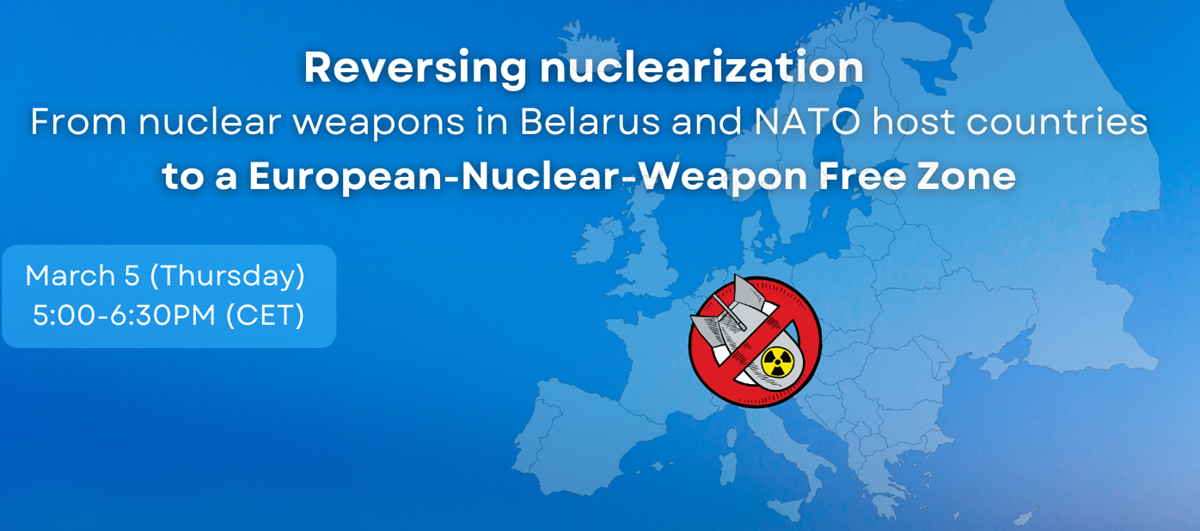
5 March -Online – Reversing nuclearization:
From nuclear weapons in Belarus and NATO host countries to a European-Nuclear-Weapon Free Zone
11am-12:30pm Eastern Time USA / 5pm-6:30pm CET

of the week – Advocating for a
nuclear free beach – https://www.samuellawrencefoundation.org/
The Samuel Lawrence Foundation advocates for a Nuclear Waste Free Beach at San Onofre, join us and take action!
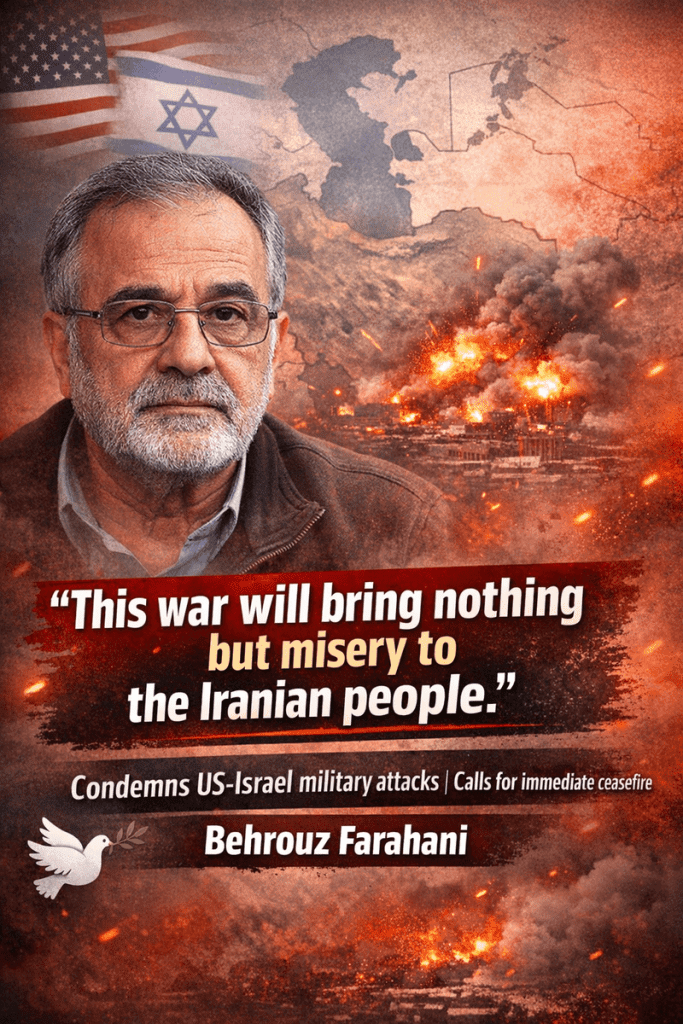
10 March A LIVE WEBINAR THE REAL EFFECTS OF NUCLEAR POWER
What the Industry Isn’t Telling Us
1:00 PM Mountain, 2 pm Central, 3 pm Eastern. Live on the Keepers of the Water Facebook page

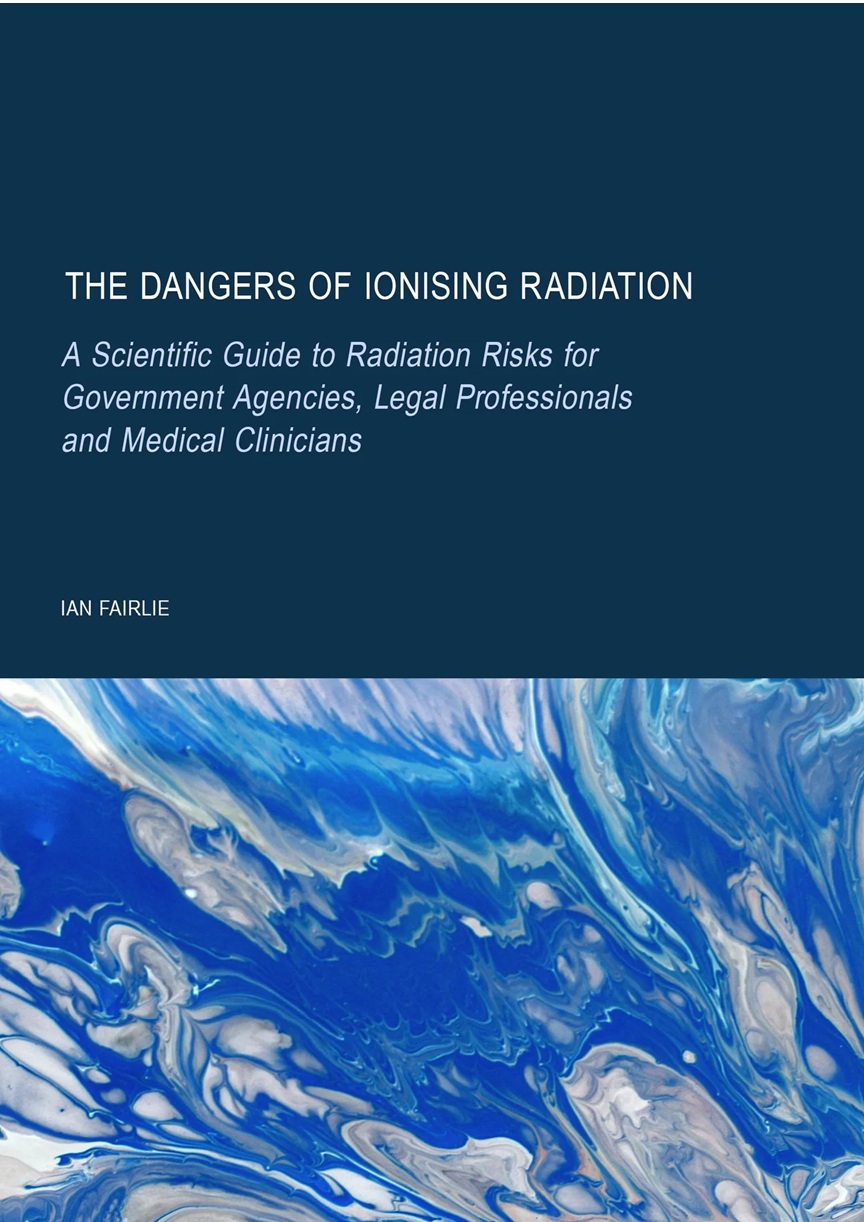
18 March Webinar @ 1 PM EST: An Assessment of SMR Projects: The Case of Canada
register for the zoom:
https://us02web.zoom.us/webinar/register/WN_o8BIIOUvQ2ONJR1nta65DQ#/registration

of the week – STOP SMALL MODULAR REACTORS IN CANADA
To see nuclear-related stories in greater depth and intensity – go to https://nuclearinformation.wordpress.com
-
Archives
- March 2026 (38)
- February 2026 (268)
- January 2026 (308)
- December 2025 (358)
- November 2025 (359)
- October 2025 (376)
- September 2025 (258)
- August 2025 (319)
- July 2025 (230)
- June 2025 (348)
- May 2025 (261)
- April 2025 (305)
-
Categories
- 1
- 1 NUCLEAR ISSUES
- business and costs
- climate change
- culture and arts
- ENERGY
- environment
- health
- history
- indigenous issues
- Legal
- marketing of nuclear
- media
- opposition to nuclear
- PERSONAL STORIES
- politics
- politics international
- Religion and ethics
- safety
- secrets,lies and civil liberties
- spinbuster
- technology
- Uranium
- wastes
- weapons and war
- Women
- 2 WORLD
- ACTION
- AFRICA
- Atrocities
- AUSTRALIA
- Christina's notes
- Christina's themes
- culture and arts
- Events
- Fuk 2022
- Fuk 2023
- Fukushima 2017
- Fukushima 2018
- fukushima 2019
- Fukushima 2020
- Fukushima 2021
- general
- global warming
- Humour (God we need it)
- Nuclear
- RARE EARTHS
- Reference
- resources – print
- Resources -audiovicual
- Weekly Newsletter
- World
- World Nuclear
- YouTube
-
RSS
Entries RSS
Comments RSS
 nuclear-news