Kazakhtsan – land of nuclear human nuclear radiation guinea pigs
As for the locals, they were little more than guinea pigs…. it is so hard to prove the link between nuclear fallout and the diseases that may strike afterwards.According to Dr. Marat Sandybaev, head of the local oncology centre, cancer rates in the area are still twice as high as the national average, and it is estimated that birth defects are up to 10 times higher.
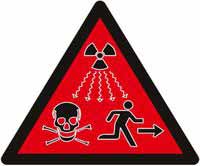 Bringing life to a nuclear wasteland Can a nuclear test site be reclaimed? The Soviets detonated hundreds of bombs in Kazakhstan, poisoning the land and people. Louise Gray of the Telegraph travels to the notorious Polygon site and reports on plans to restore the region By Louise Gray, The Telegraph September 4, 2011 “…. Between 1949 and 1989, the Soviet Union detonated more than 456 nuclear devices on the Semipalatinsk test site, better known as the “Polygon.”
This region of the Kazakh steppe, covering an area the size of Belgium, was the primary testing ground for the most sophisticated atomic weapons in the Soviet arsenal. Some 116 were exploded above ground, producing the “beautiful” mushroom clouds that witnesses remember; the rest were let off underground, protecting the atmosphere but leaching more poison into the earth.
As for the locals, they were little more than guinea pigs. In the state home for the elderly in Semipalatinsk – which has been renamed Semey since Kazakhstan independence in 1991 – old women gather to tell their stories. They too have injuries and illnesses, though only Makysh receives compensation, because it is so hard to prove the link between nuclear fallout and the diseases that may strike afterwards.
According to Dr. Marat Sandybaev, head of the local oncology centre, cancer rates in the area are still twice as high as the national average, and it is estimated that birth defects are up to 10 times higher.
What is unique about the Polygon, however, is not its past, but its present. While other testing sites around the world have been abandoned, the Kazakhs are attempting to detoxify the area. The National Nuclear Centre of the Republic of Kazakhstan (NNC) wants to open parts of the site for commercial exploitation within a year, and the whole mineral-rich area within a decade, except for “highly contaminated spots.” Decontamination would be carried out simply by scraping off the top five centimetres of soil – although that does leave the question of where to dump it…….
the Geiger counter is racing and so is my heart. My stomach is churning as radioactive dust rises, even though we are wearing gas masks and protective covers on our feet
The Soviets filled the area with apartments, bridges and roads, to resemble a town. Now, all that is left are burned lumps of concrete. The “biological objects” that were tied to posts, such as horses, cows and pigs (“because they have skin like humans”), are long gone. Our guides, dressed in camouflage gear and disarmingly casual, pick up rocks of melted soil wearing just surgical gloves. The Geiger counter is reading three microsieverts per hour, which is considerably more than you might expect of natural background radiation….
No comments yet.
1 This Month

of the week – Shut Down Drone Warfare!


Tell the Ukrainian Government to Drop Prosecution of Peace Activist Yurii Sheliazhenko

Petition to revoke the licensing of the Near Surface Nuclear Disposal Facility (NSDF) at Chalk River. https://www.ourcommons.ca/petitions/en/Petition/Details?Petition=e-7247
To see nuclear-related stories in greater depth and intensity – go to https://nuclearinformation.wordpress.com
-
Archives
- March 2026 (237)
- February 2026 (268)
- January 2026 (308)
- December 2025 (358)
- November 2025 (359)
- October 2025 (376)
- September 2025 (257)
- August 2025 (319)
- July 2025 (230)
- June 2025 (348)
- May 2025 (261)
- April 2025 (305)
-
Categories
- 1
- 1 NUCLEAR ISSUES
- business and costs
- climate change
- culture and arts
- ENERGY
- environment
- health
- history
- indigenous issues
- Legal
- marketing of nuclear
- media
- opposition to nuclear
- PERSONAL STORIES
- politics
- politics international
- Religion and ethics
- safety
- secrets,lies and civil liberties
- spinbuster
- technology
- Uranium
- wastes
- weapons and war
- Women
- 2 WORLD
- ACTION
- AFRICA
- Atrocities
- AUSTRALIA
- Christina's notes
- Christina's themes
- culture and arts
- Events
- Fuk 2022
- Fuk 2023
- Fukushima 2017
- Fukushima 2018
- fukushima 2019
- Fukushima 2020
- Fukushima 2021
- general
- global warming
- Humour (God we need it)
- Nuclear
- RARE EARTHS
- Reference
- resources – print
- Resources -audiovicual
- Weekly Newsletter
- World
- World Nuclear
- YouTube
-
RSS
Entries RSS
Comments RSS
 nuclear-news
Leave a comment