Canada’s public health risk due to nuclear radiation from Fukushima
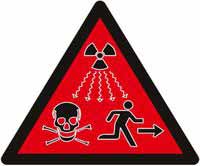 radiation from Fukushima will lead to higher rates of cancer and other diseases among Canadians….“It’s not the risk to an individual that’s the problem but how much society is at risk. When you are exposing millions of people to an insult, even if the average dose is quite small, we are going to see fatal health effects,” …..
“The authorities don’t want people to have an understanding of this. The government of Canada tends to pooh-pooh the dangers of nuclear power because it is a promoter of nuclear energy and uranium sales.”
Japan’s Fukushima catastrophe brings big radiation spikes to B.C. | Vancouver, Canada | Straight.com, By Alex Roslin, August 4, 2011 Nuclear impact Monitoring stations catch a fraction of Fukushima fallout
After Japan’s Fukushima catastrophe, Canadian government officials reassured jittery Canadians that the radioactive plume billowing from the destroyed nuclear reactors posed zero health risks in this country.
In fact, there was reason to worry. Health Canada detected massive amounts of radioactive material from Fukushima in Canadian air in March and April at monitoring stations across the country.
The level of radioactive iodine spiked above the federal maximum allowed limit in the air at four of the five sites where Health Canada monitors levels of specific radioisotopes.
On March 18, seven days after an earthquake and tsunami triggered eventual nuclear meltdowns at the Fukushima Daiichi plant in Japan, the first radioactive material wafted over the Victoria suburb of Sidney on Vancouver Island.
For 22 days, a Health Canada monitoring station in Sidney detected iodine-131 levels in the air that were 61 percent above the government’s allowable limit. In Resolute Bay, Nunavut, the levels were 3.5 times the limit.
Meanwhile, government officials claimed there was nothing to worry about. “The quantities of radioactive materials reaching Canada as a result of the Japanese nuclear incident are very small and do not pose any health risk to Canadians,” Health Canada says on its website. “The very slight increases in radiation across the country have been smaller than the normal day-to-day fluctuations from background radiation.”
In fact, Health Canada’s own data shows this isn’t true. The iodine-131 level in the air in Sidney peaked at 3.6 millibecquerels per cubic metre on March 20. That’s more than 300 times higher than the background level, which is 0.01 or fewer millibecquerels per cubic metre.
“There have been massive radiation spikes in Canada because of Fukushima,” said Gordon Edwards, president of the Canadian Coalition for Nuclear Responsibility.
“The authorities don’t want people to have an understanding of this. The government of Canada tends to pooh-pooh the dangers of nuclear power because it is a promoter of nuclear energy and uranium sales.”
Edwards has advised the federal auditor-general’s office and the Ontario government on nuclear-power issues and is a math professor at Montreal’s Vanier College. In a phone interview from his Montreal home, he said radiation from Fukushima will lead to higher rates of cancer and other diseases among Canadians. But don’t panic. Edwards cautioned that the risk is very small for any particular individual.
“It’s not the risk to an individual that’s the problem but how much society is at risk. When you are exposing millions of people to an insult, even if the average dose is quite small, we are going to see fatal health effects,” he said…..
any amount of radiation can cause cancer and other illness. “To suggest that a certain level of radiation exposure is safe is untrue. It verges on misrepresentation. There is no evidence that there is any safe level of radiation exposure. It means you should operate as far below that level as you can,” Edwards said.
Either way, without adequate monitoring, we may never know the impacts on Canadians.
Japan’s Fukushima catastrophe brings big radiation spikes to B.C. | Vancouver, Canada | Straight.com
No comments yet.
1 This Month
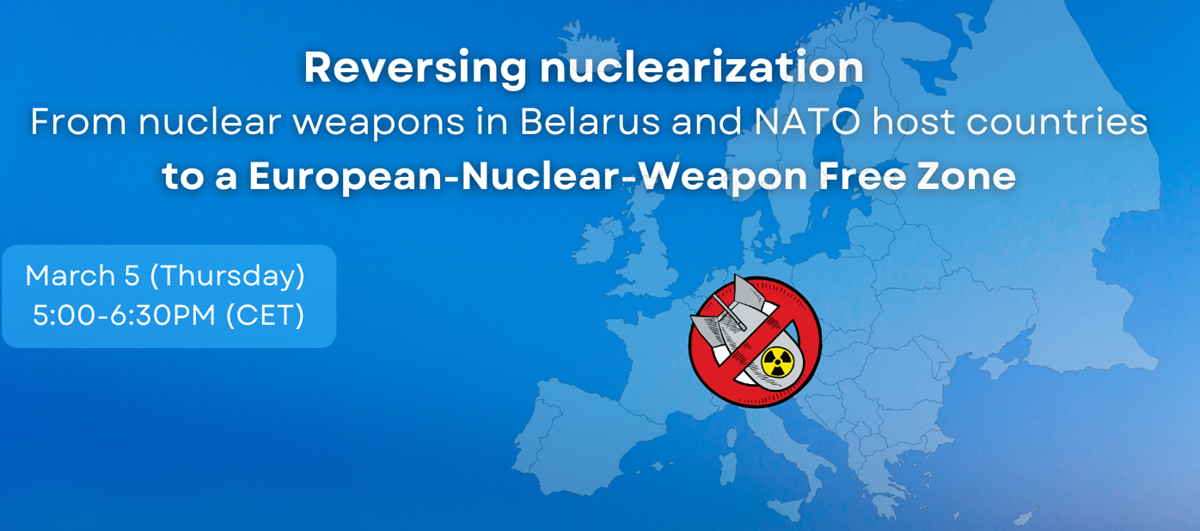
5 March -Online – Reversing nuclearization:
From nuclear weapons in Belarus and NATO host countries to a European-Nuclear-Weapon Free Zone
11am-12:30pm Eastern Time USA / 5pm-6:30pm CET

of the week – Advocating for a
nuclear free beach – https://www.samuellawrencefoundation.org/
The Samuel Lawrence Foundation advocates for a Nuclear Waste Free Beach at San Onofre, join us and take action!

10 March A LIVE WEBINAR THE REAL EFFECTS OF NUCLEAR POWER
What the Industry Isn’t Telling Us
1:00 PM Mountain, 2 pm Central, 3 pm Eastern. Live on the Keepers of the Water Facebook page

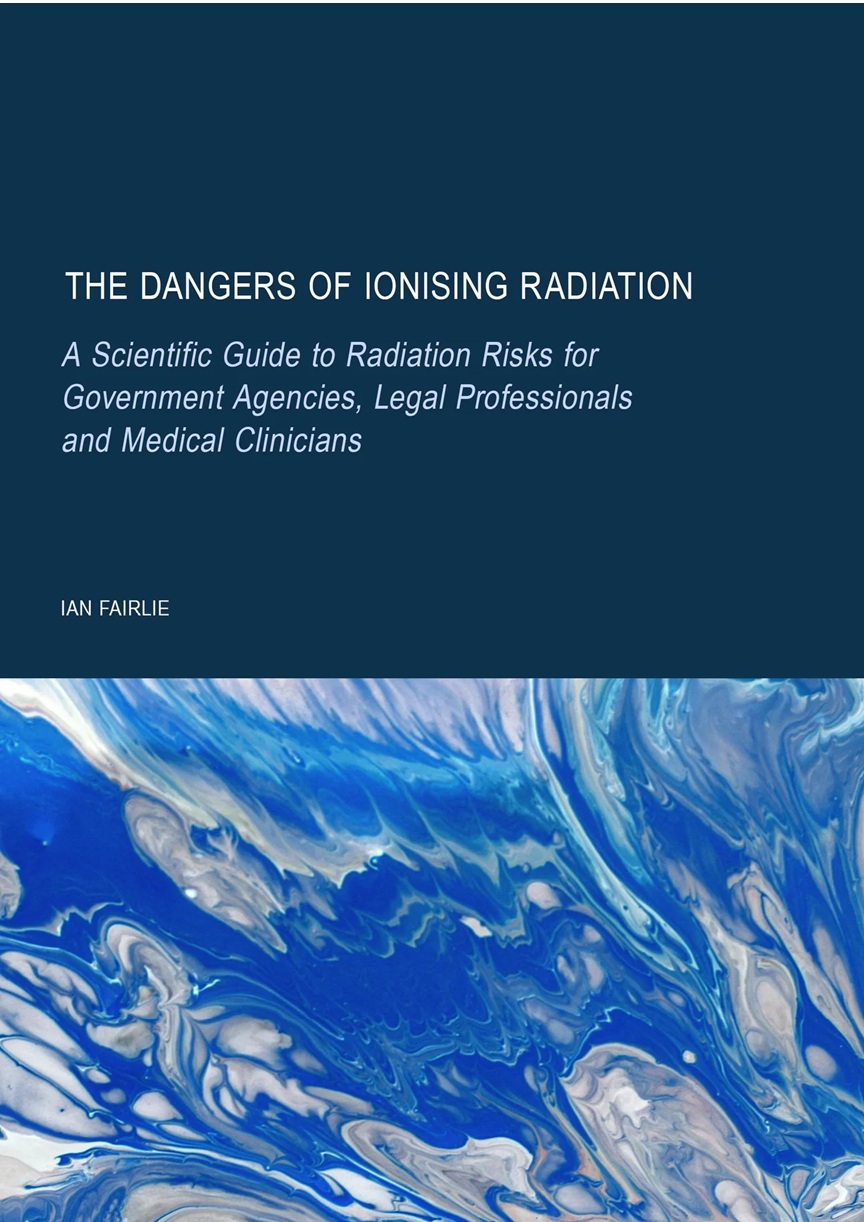
18 March Webinar @ 1 PM EST: An Assessment of SMR Projects: The Case of Canada
register for the zoom:
https://us02web.zoom.us/webinar/register/WN_o8BIIOUvQ2ONJR1nta65DQ#/registration

of the week – STOP SMALL MODULAR REACTORS IN CANADA
To see nuclear-related stories in greater depth and intensity – go to https://nuclearinformation.wordpress.com
-
Archives
- March 2026 (51)
- February 2026 (268)
- January 2026 (308)
- December 2025 (358)
- November 2025 (359)
- October 2025 (376)
- September 2025 (258)
- August 2025 (319)
- July 2025 (230)
- June 2025 (348)
- May 2025 (261)
- April 2025 (305)
-
Categories
- 1
- 1 NUCLEAR ISSUES
- business and costs
- climate change
- culture and arts
- ENERGY
- environment
- health
- history
- indigenous issues
- Legal
- marketing of nuclear
- media
- opposition to nuclear
- PERSONAL STORIES
- politics
- politics international
- Religion and ethics
- safety
- secrets,lies and civil liberties
- spinbuster
- technology
- Uranium
- wastes
- weapons and war
- Women
- 2 WORLD
- ACTION
- AFRICA
- Atrocities
- AUSTRALIA
- Christina's notes
- Christina's themes
- culture and arts
- Events
- Fuk 2022
- Fuk 2023
- Fukushima 2017
- Fukushima 2018
- fukushima 2019
- Fukushima 2020
- Fukushima 2021
- general
- global warming
- Humour (God we need it)
- Nuclear
- RARE EARTHS
- Reference
- resources – print
- Resources -audiovicual
- Weekly Newsletter
- World
- World Nuclear
- YouTube
-
RSS
Entries RSS
Comments RSS
 nuclear-news
Leave a comment