Germany’s strategic approach to renewable energy and energy efficiency
 This package of proposals forms the basis for Germany’s confidence that it can phase out one source of energy and phase in renewable energy and energy efficiency. The combination of a mix of policies (emissions trading, standards, regulations, incentives) with planning and investments in the longer-term infrastructure is the pathway Germany has chosen.

 How Germany plans to succeed in a nuclear free, low-carbon economy, | guardian.co.uk, 29 July 11, Germany plans to meet ambitious greenhouse gas reduction targets while it phases out nuclear power Germany has taken some fundamental energy decisions in recent months, ones that are interesting for other countries to study and learn from. The most “famous” decision recently has been to phase out nuclear power in the next ten years. This move builds on years of debate and a societal decision after Japan’s Fukushima Daiichi nuclear accident to move away from nuclear energy.
There has been much less focus, however, on the phasing in of other sources of energy. Nor has there been much focus on how Germany can remain the economic powerhouse of Europe, and the world’s second largest exporting country, while removing a significant source of energy from its grid.
This phase-in story is vital to understand, especially taking into account that Germany plans to meet ambitious greenhouse gas reduction targets while it phases out nuclear power. So, how will this work?…….
Three strategic approaches
Germany’s energy transition is based on three strategic approaches.
First, energy efficiency
Although efforts will focus on improving energy efficiency in all sectors, there is a strong focus on the building sector…….
Second, carbon free energy in all sectors
In order to achieve the long-term decarbonisation target, all sectors must transform their fuel basis to carbon-free energies. In the power sector, the focus is on renewable energies, linked with the ambitious targets noted above. For some sectors, electricity and district heating will play a significant role if produced by renewable or low-carbon energy sources.
In the interim period new highly efficient and flexible gas power plants will likely be built as back-up power. ……
Third, strategic focus on the long-term goals
As noted above, policy is focused on reducing emissions in the sectors with long-living capital stocks, e.g. buildings and power plants. These sectors structure energy demand and greenhouse gas emissions for long periods of time.
However, one must ensure that the infrastructure for such a transition is in place. Therefore, Germany has started a new legal process to develop the “target grid 2050” which includes all infrastructure roll out and adjustments needed for a renewable-energy dominated electricity system…..
A lesson for other countries?
This package of proposals forms the basis for Germany’s confidence that it can phase out one source of energy and phase in renewable energy and energy efficiency. The combination of a mix of policies (emissions trading, standards, regulations, incentives) with planning and investments in the longer-term infrastructure is the pathway Germany has chosen.
While this mix will not necessarily be the same in every country, other countries can learn from the different pieces of the German package to transition to an economically strong, low carbon economy….
How Germany plans to succeed in a nuclear free, low-carbon economy | Environment | guardian.co.uk
No comments yet.
1 This Month
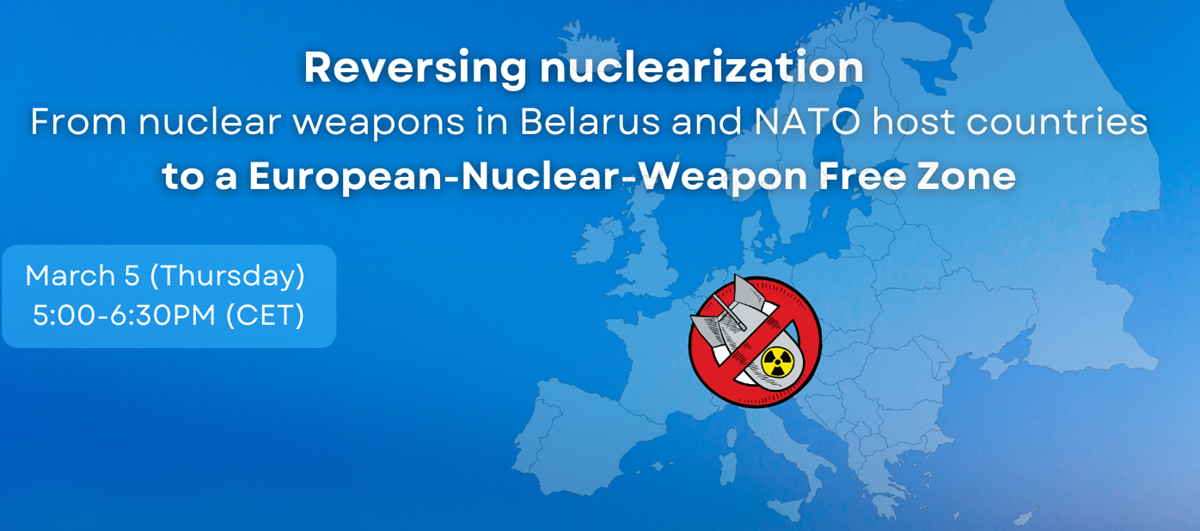
5 March -Online – Reversing nuclearization:
From nuclear weapons in Belarus and NATO host countries to a European-Nuclear-Weapon Free Zone
11am-12:30pm Eastern Time USA / 5pm-6:30pm CET

of the week – Advocating for a
nuclear free beach – https://www.samuellawrencefoundation.org/
The Samuel Lawrence Foundation advocates for a Nuclear Waste Free Beach at San Onofre, join us and take action!
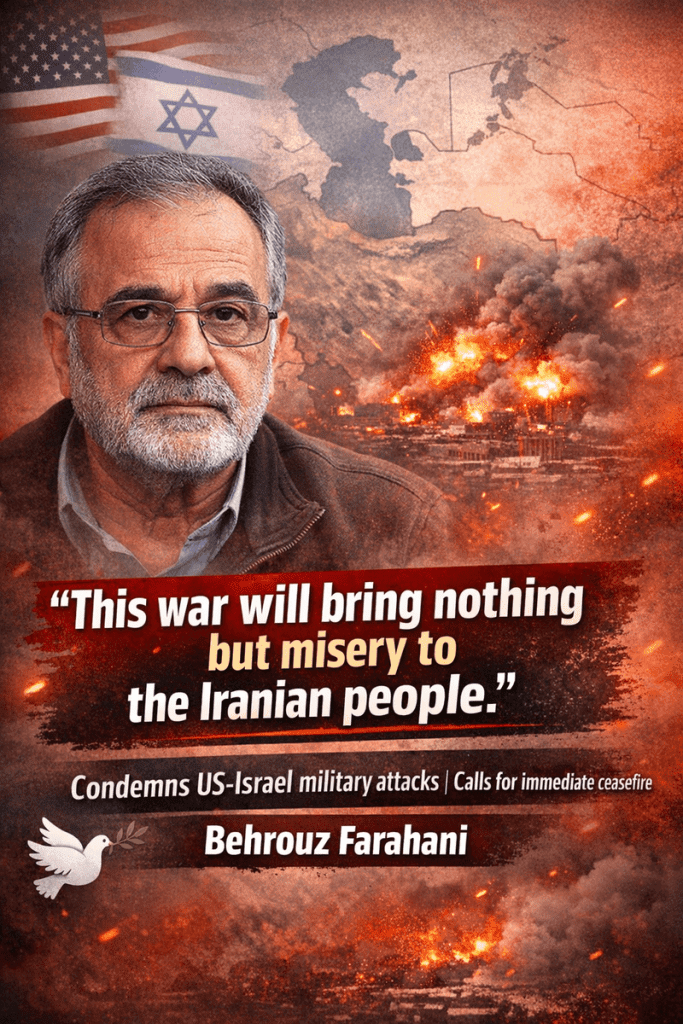
10 March A LIVE WEBINAR THE REAL EFFECTS OF NUCLEAR POWER
What the Industry Isn’t Telling Us
1:00 PM Mountain, 2 pm Central, 3 pm Eastern. Live on the Keepers of the Water Facebook page

18 March Webinar @ 1 PM EST: An Assessment of SMR Projects: The Case of Canada
register for the zoom:
https://us02web.zoom.us/webinar/register/WN_o8BIIOUvQ2ONJR1nta65DQ#/registration

of the week – STOP SMALL MODULAR REACTORS IN CANADA
To see nuclear-related stories in greater depth and intensity – go to https://nuclearinformation.wordpress.com
-
Archives
- March 2026 (51)
- February 2026 (268)
- January 2026 (308)
- December 2025 (358)
- November 2025 (359)
- October 2025 (376)
- September 2025 (258)
- August 2025 (319)
- July 2025 (230)
- June 2025 (348)
- May 2025 (261)
- April 2025 (305)
-
Categories
- 1
- 1 NUCLEAR ISSUES
- business and costs
- climate change
- culture and arts
- ENERGY
- environment
- health
- history
- indigenous issues
- Legal
- marketing of nuclear
- media
- opposition to nuclear
- PERSONAL STORIES
- politics
- politics international
- Religion and ethics
- safety
- secrets,lies and civil liberties
- spinbuster
- technology
- Uranium
- wastes
- weapons and war
- Women
- 2 WORLD
- ACTION
- AFRICA
- Atrocities
- AUSTRALIA
- Christina's notes
- Christina's themes
- culture and arts
- Events
- Fuk 2022
- Fuk 2023
- Fukushima 2017
- Fukushima 2018
- fukushima 2019
- Fukushima 2020
- Fukushima 2021
- general
- global warming
- Humour (God we need it)
- Nuclear
- RARE EARTHS
- Reference
- resources – print
- Resources -audiovicual
- Weekly Newsletter
- World
- World Nuclear
- YouTube
-
RSS
Entries RSS
Comments RSS
 nuclear-news
Leave a comment