20,000 nuclear weapons – all illegal
 July 8 marked the 15th anniversary of the International Court of Justice’s landmark advisory opinion on the legality of the threat or use of nuclear weapons. The court unanimously held that nations have a legal obligation to pursue in good faith and bring to a conclusion negotiations for the complete elimination of nuclear weapons under strict and effective international control. …..
Today there are more than 20,000 nuclear weapons in the arsenals of eight or nine countries, according to the Stockholm International Peace Research Institute (SIPRI) Yearbook 2011.
Nukes Are Illegal – But Still Around, By Neena Bhandari, IDN-InDepth NewsFeature, 15 July 11, SYDNEY (IDN) – Junko Morimoto was 13 years old when the United States of America dropped the first atomic bomb on her hometown of Hiroshima. She was only 1,700 metres away from the hypocentre and if it weren’t for a stomach bug that confined her to home, she would have been amongst the 360 students who died at her city centre school on August 6, 1945.
“Hiroshima and Nagasaki taught us two things. One is that we human beings have acquired the ability to create hell. The other is that we are so foolish, untrustworthy and pathetic that we would actually put this frightening ability to use,” says Morimoto, an accomplished author and artist who migrated to Australia in 1981.
July 8 marked the 15th anniversary of the International Court of Justice’s landmark advisory opinion on the legality of the threat or use of nuclear weapons. The court unanimously held that nations have a legal obligation to pursue in good faith and bring to a conclusion negotiations for the complete elimination of nuclear weapons under strict and effective international control.
Advocates for a nuclear-free world addressed a packed public forum at the Melbourne Town Hall on July 5, hosted by The International Campaign to Abolish Nuclear Weapons (ICAN) and the Australian Red Cross.
Speaking on the occasion, former Liberal Prime Minister Malcolm Fraser said, “Disarmament is not just an option; it is mandated by international law. This is best fulfilled through a nuclear weapons convention – a comprehensive treaty prohibiting the possession of nuclear weapons by any state, and establishing the legal mechanisms necessary to accomplish the elimination of all warheads within a defined period.”
Today there are more than 20,000 nuclear weapons in the arsenals of eight or nine countries, according to the Stockholm International Peace Research Institute (SIPRI) Yearbook 2011.
The U.S., Russia, the United Kingdom, France, China, India, Pakistan and Israel possess more than 20,500 nuclear weapons. Over 5000 of these weapons are deployed and ready for use, including nearly 2000 that are kept in a state of high operational alert.
An international Global Zero movement for a world without nuclear weapons forecasts that global spending on nuclear weapons would surpass US$1 Trillion over the next decade. The nuclear weapons countries are collectively spending approximately US$ 100 billion on their nuclear programs this year.
“Political leaders should understand that nuclear weapons do not contribute to anyone’s safety. They make the whole world a much more dangerous place. More and more countries have the knowledge to make a nuclear weapon. If positive moves towards nuclear disarmament are not pushed much harder, more countries will seek nuclear weapons and the danger of nuclear war, by deliberation or by accident, will become greater,” Fraser told IDN……
The recent nuclear power crisis in Fukushima has alerted governments and public across the world to the inherent dangers of nuclear technology for electricity production. ICAN points out that the starting material is the same and the effects of radiation are completely indiscriminate and identical whether it is radiation from a nuclear reactor or a nuclear bomb. …
No comments yet.
1 This Month
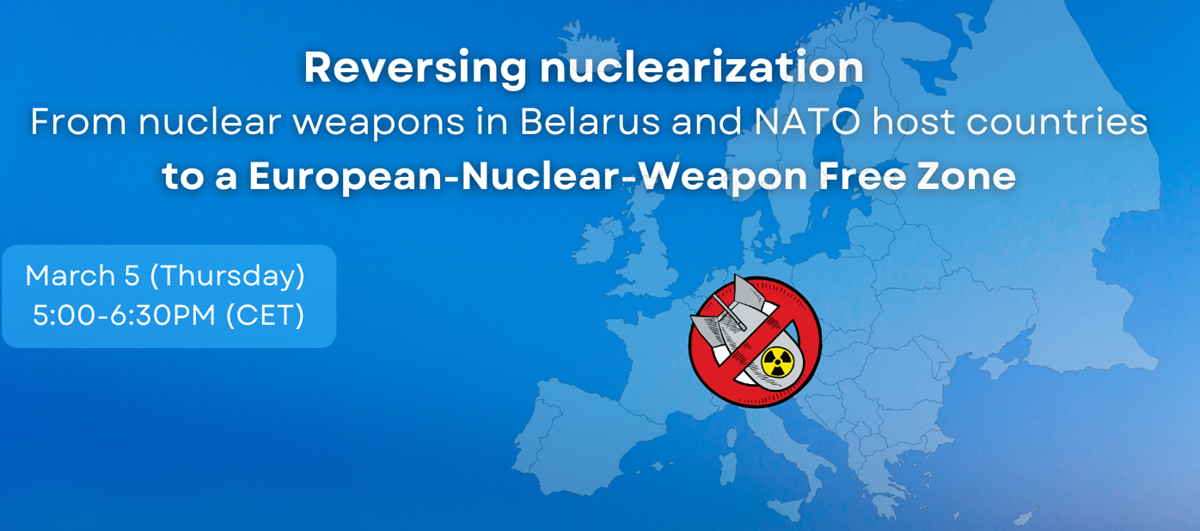
5 March -Online – Reversing nuclearization:
From nuclear weapons in Belarus and NATO host countries to a European-Nuclear-Weapon Free Zone
11am-12:30pm Eastern Time USA / 5pm-6:30pm CET

of the week – Advocating for a
nuclear free beach – https://www.samuellawrencefoundation.org/
The Samuel Lawrence Foundation advocates for a Nuclear Waste Free Beach at San Onofre, join us and take action!
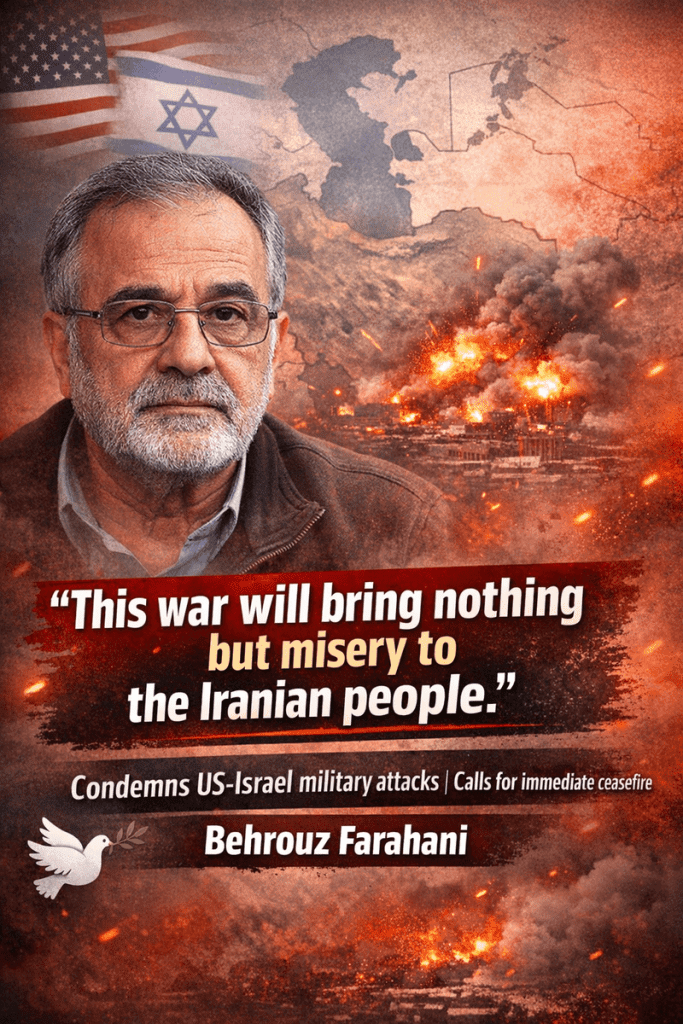
10 March A LIVE WEBINAR THE REAL EFFECTS OF NUCLEAR POWER
What the Industry Isn’t Telling Us
1:00 PM Mountain, 2 pm Central, 3 pm Eastern. Live on the Keepers of the Water Facebook page

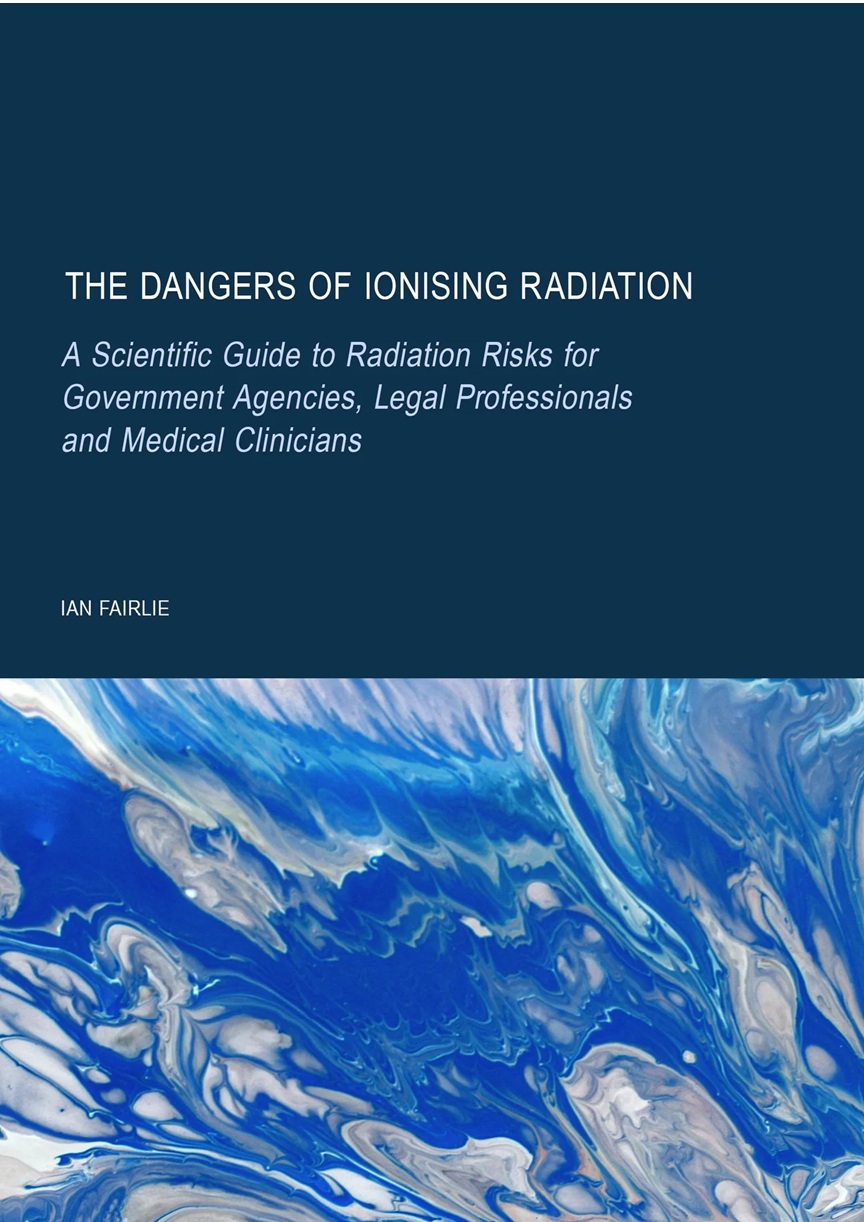
18 March Webinar @ 1 PM EST: An Assessment of SMR Projects: The Case of Canada
register for the zoom:
https://us02web.zoom.us/webinar/register/WN_o8BIIOUvQ2ONJR1nta65DQ#/registration

of the week – STOP SMALL MODULAR REACTORS IN CANADA
To see nuclear-related stories in greater depth and intensity – go to https://nuclearinformation.wordpress.com
-
Archives
- March 2026 (51)
- February 2026 (268)
- January 2026 (308)
- December 2025 (358)
- November 2025 (359)
- October 2025 (376)
- September 2025 (258)
- August 2025 (319)
- July 2025 (230)
- June 2025 (348)
- May 2025 (261)
- April 2025 (305)
-
Categories
- 1
- 1 NUCLEAR ISSUES
- business and costs
- climate change
- culture and arts
- ENERGY
- environment
- health
- history
- indigenous issues
- Legal
- marketing of nuclear
- media
- opposition to nuclear
- PERSONAL STORIES
- politics
- politics international
- Religion and ethics
- safety
- secrets,lies and civil liberties
- spinbuster
- technology
- Uranium
- wastes
- weapons and war
- Women
- 2 WORLD
- ACTION
- AFRICA
- Atrocities
- AUSTRALIA
- Christina's notes
- Christina's themes
- culture and arts
- Events
- Fuk 2022
- Fuk 2023
- Fukushima 2017
- Fukushima 2018
- fukushima 2019
- Fukushima 2020
- Fukushima 2021
- general
- global warming
- Humour (God we need it)
- Nuclear
- RARE EARTHS
- Reference
- resources – print
- Resources -audiovicual
- Weekly Newsletter
- World
- World Nuclear
- YouTube
-
RSS
Entries RSS
Comments RSS
 nuclear-news
Leave a comment